
Nutrition comparison
Cloudberry vs Gooseberry: Nutrition, Taste, and Health Benefits Compared
Compare Cloudberry vs Gooseberry to see which berry is healthier. Learn about vitamin C, sugar content, and which is better for daily use.
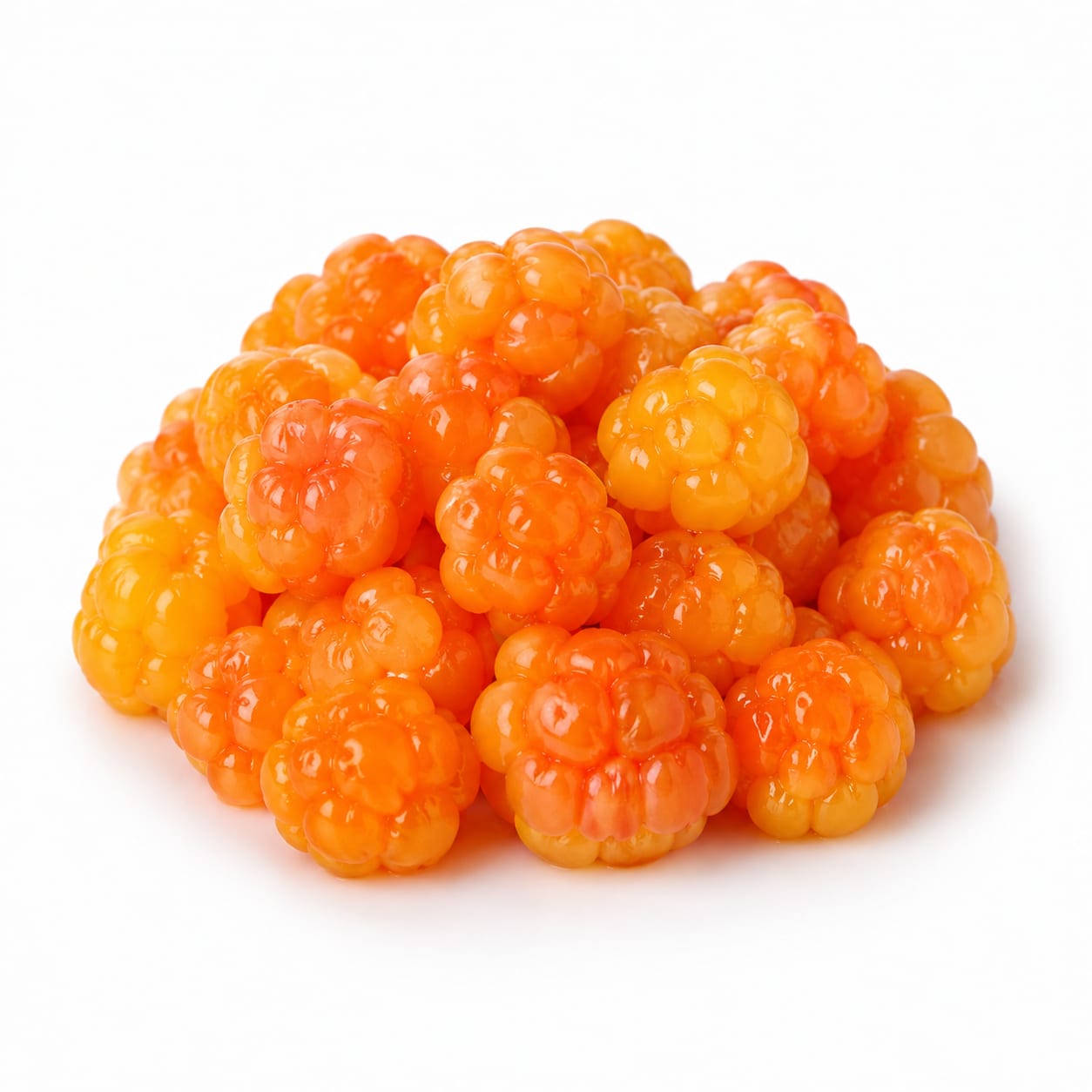
Cloudberry
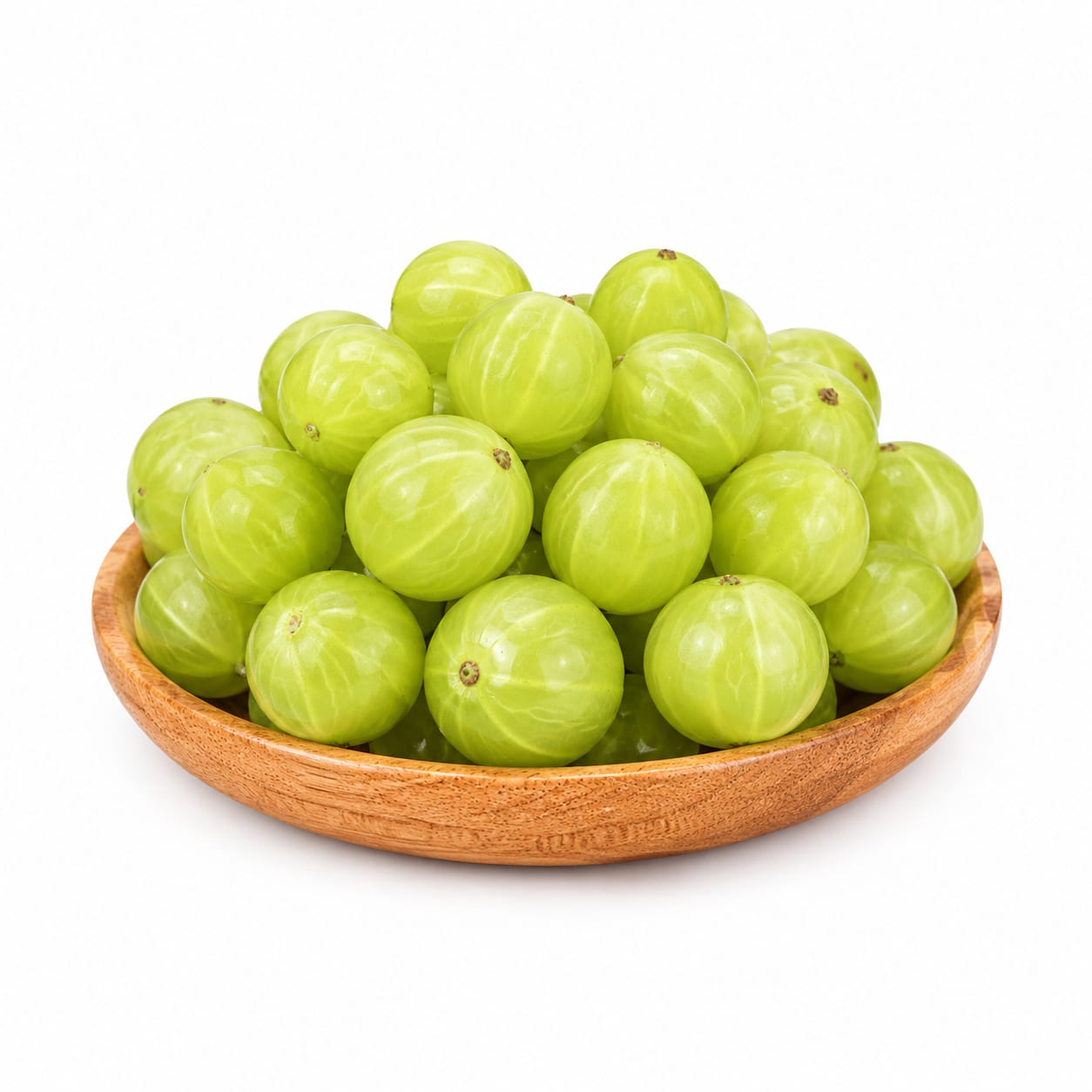
Gooseberry
Cloudberry offers a unique, delicate flavor and rare antioxidant profile, while Gooseberry is a more accessible, vitamin C-packed workhorse for everyday use.
Gooseberry scores slightly higher due to better accessibility, lower sugar, and higher fiber, making it more practical for consistent daily consumption. Cloudberry wins on specific antioxidants like vitamin E but is held back by rarity and cost.
Rarity and delicate sweetness versus availability and lower sugar content.
At a glance
Executive summary
Overall
It depends
Healthier
It depends
More practical
Gooseberry
Daily use
Gooseberry
Key comparison lenses
Antioxidant and Vitamin C profile
Both berries are known for high vitamin C, but differ significantly in vitamin E and specific phytonutrients.
Availability and practicality
Cloudberry is a rare, wild-harvested delicacy, while gooseberry is widely cultivated and easy to find.
Blood sugar impact and fiber
Gooseberry is notably lower in sugar and higher in fiber, making it more suitable for metabolic health.
Culinary use and tartness
Gooseberries are very tart and often cooked, while cloudberries are delicate, sweet, and often eaten fresh.
Best choice for
Cloudberry
- Seeking unique arctic antioxidants
- Delicate dessert toppings
- Boosting vitamin E intake
Gooseberry
- Everyday fruit intake
- High vitamin C needs
- Cooking and baking
Least suitable for
Cloudberry
- Budget-conscious shoppers
- People wanting readily available fruit
- Those who dislike soft textures
Gooseberry
- People sensitive to very tart flavors
- Those wanting a soft, delicate berry
Deep comparison
Dimension by dimension
Each lens scores both foods and breaks down who each option suits.
- Dimension 1 · Priority 90Cloudberry
Vitamin C & Antioxidant Density
Cloudberry · 92Gooseberry · 88Cloudberry edges out with a higher vitamin C content and significantly more vitamin E, but gooseberry is still an excellent vitamin C source.
Tradeoff
Cloudberry provides superior antioxidant diversity per berry, but you can easily eat more gooseberries due to availability.
Why it matters
Vitamin C supports immune function, while vitamin E protects cell membranes and skin health.
Real-world impact
Eating cloudberries gives a slightly bigger immune and skin boost per serving, but gooseberries are easier to consistently incorporate into your diet.
Cloudberry
- Boosting vitamin E intake
- Arctic antioxidant benefits
Better for
- Hard to find regularly
- Expensive to eat in large quantities
Worse for
Gooseberry
- Consistent daily vitamin C
- Easily accessible antioxidant boost
Better for
- Lower vitamin E content
- Less exotic antioxidant profile
Worse for
- Dimension 2 · Priority 85Gooseberry
Availability & Practicality
Cloudberry · 30Gooseberry · 85Gooseberries are widely cultivated and easy to find fresh or frozen, while cloudberries are a rare, wild-harvested arctic delicacy.
Tradeoff
Cloudberry is a rare treat with limited access; gooseberry is a reliable staple you can buy at most grocery stores.
Why it matters
You can only get health benefits from foods you can actually buy and eat regularly.
Real-world impact
You can easily add gooseberries to your weekly shopping list, whereas cloudberries might be a once-a-year specialty or ordered online at a premium.
Cloudberry
- Special occasion dishes
- Nordic culinary experiences
Better for
- High cost per serving
- Almost impossible to find fresh outside Scandinavia or Canada
Worse for
Gooseberry
- Weekly meal prep
- Reliable grocery shopping
Better for
- Less exotic appeal
- More common flavor profile
Worse for
- Dimension 3 · Priority 75Gooseberry
Sugar Content & Blood Sugar Impact
Cloudberry · 70Gooseberry · 82Gooseberries are lower in sugar and higher in fiber, leading to a steadier blood sugar response.
Tradeoff
Cloudberry is sweeter and softer, making it more palatable fresh, but has a slightly higher glycemic impact.
Why it matters
Lower sugar and higher fiber help prevent energy crashes and keep you full longer.
Real-world impact
A bowl of gooseberries will not spike your blood sugar like sweeter fruits might, making them a safer afternoon snack for stable energy.
Cloudberry
- Those wanting a sweeter fresh berry
- Quick energy from natural sugars
Better for
- Higher sugar content per gram
- Less fiber to slow absorption
Worse for
Gooseberry
- Managing blood sugar
- Low-carb diets
- Sustained energy
Better for
- Very tart if eaten fresh
- May need sweetener for some palates
Worse for
- Dimension 4 · Priority 70Gooseberry
Culinary Versatility
Cloudberry · 60Gooseberry · 88Gooseberries hold their shape well and are perfect for pies, jams, and savory sauces, while cloudberries are delicate and best used simply.
Tradeoff
Gooseberry's tartness makes it incredibly versatile in cooking, whereas cloudberry's delicate texture breaks down easily.
Why it matters
A fruit you enjoy cooking with will get eaten more often.
Real-world impact
Gooseberries can be baked into crumbles or made into chutneys, while cloudberries are best gently folded into yogurt or made into a quick preserve.
Cloudberry
- No-cook recipes
- Elegant plating
Better for
- Turns to mush easily
- Loses flavor with high heat
Worse for
Gooseberry
- Baking and cooking
- Making jams and preserves
- Savory pairings
Better for
- Requires preparation to mellow tartness
- Less enjoyable raw for some
Worse for
Timeline
Health impact over time
Short-term
Hours to days
Cloudberry
- Quick energy from natural sugars
- Mild digestive support from fiber
Gooseberry
- Satiety from high fiber
- Tart flavor can stimulate digestion
Long-term
Months to years
Cloudberry
- Enhanced skin health from vitamin E
- Stronger immune defense from high vitamin C
Gooseberry
- Improved blood sugar regulation
- Better bowel regularity from consistent fiber intake
Risk profile
Safety & processing
Both are typically consumed as whole, unprocessed berries. However, cloudberry is often found preserved or frozen due to its extremely short season.
Cloudberry
Parasitic contamination
lowWild-harvested cloudberries in Scandinavia can occasionally carry eggs from fox tapeworm, though freezing or cooking eliminates the risk.
Gooseberry
Pesticide residue
mediumCommercially grown gooseberries can carry pesticide residues on their skin, so washing thoroughly or choosing organic is recommended.
Who wins for whom
Audience fit
Same foods, different winners depending on your goal.
children
CloudberryCloudberries are sweeter and softer, making them more appealing to kids' palates compared to the very tart gooseberry.
daily consumption
GooseberryGooseberries are affordable and accessible enough to eat every day, maximizing consistent nutrient intake.
diabetes
GooseberryGooseberries have a lower sugar content and higher fiber, leading to a gentler blood sugar response.
elderly
CloudberryCloudberries are softer and easier to chew, plus the high vitamin E supports cognitive and skin health.
muscle gain
It dependsNeither is particularly high in protein, but both offer vitamin C which supports collagen synthesis for joint health.
weight loss
GooseberryGooseberries are lower in calories and sugar, and higher in fiber, keeping you full longer without spiking blood sugar.
Your move
Decision guide
Choose Cloudberry
- You want a rare, luxurious treat with superior vitamin E.
- You prefer sweeter, softer berries.
- You are making a traditional Nordic dessert.
Choose Gooseberry
- You need an affordable, accessible berry for daily meals.
- You enjoy tart flavors or cooking with fruit.
- You are watching your blood sugar or carb intake.
Either works if
- You want a vitamin C boost.
- You are looking for a natural, whole-food snack.
Avoid both if
- You have a severe berry allergy.
- You are looking for a high-protein food.
Final recommendation
Choose Gooseberry for a practical, daily vitamin C and fiber boost that is easy on blood sugar. Opt for Cloudberry when you can find it to enjoy its unique vitamin E content and delicate sweetness as a special dietary treat.
Practical
Consumer tips
- 1
If buying cloudberries, frozen is often more reliable than fresh unless you live in a foraging region.
- 2
Sweeten gooseberries naturally by pairing them with sweeter fruits rather than adding refined sugar.
- 3
Wash gooseberries thoroughly to remove any pesticide residue from the skin.
- 4
If foraging cloudberries, freeze them before eating raw to kill any potential parasite eggs.