
Nutrition comparison
Cloudberry vs Cranberry: Nutrition, Benefits, and Which Berry Is Better for You
Compare cloudberry and cranberry side by side. Discover which berry wins for vitamin C, UTI prevention, sugar content, and everyday practicality in this expert nutritional breakdown.
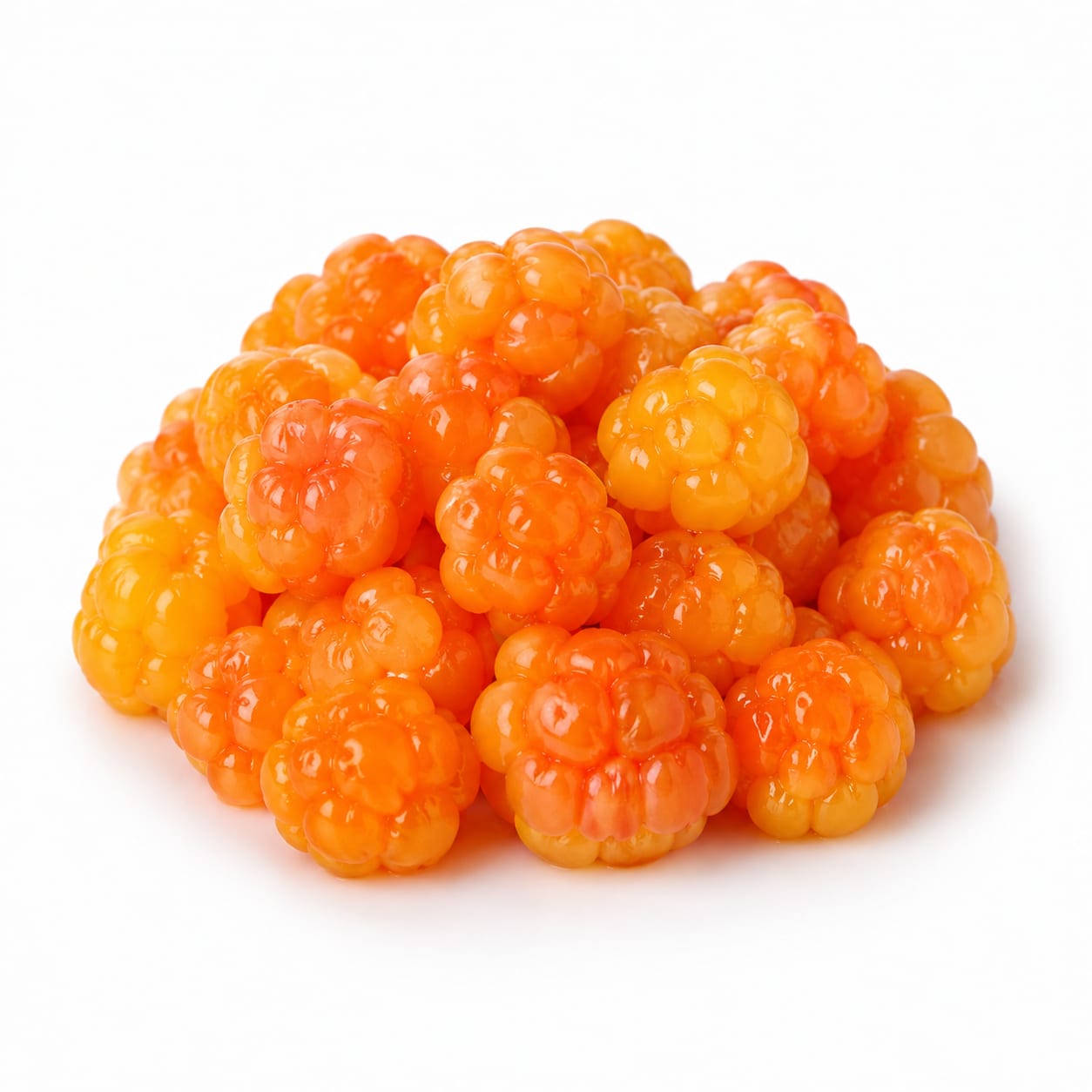
Cloudberry
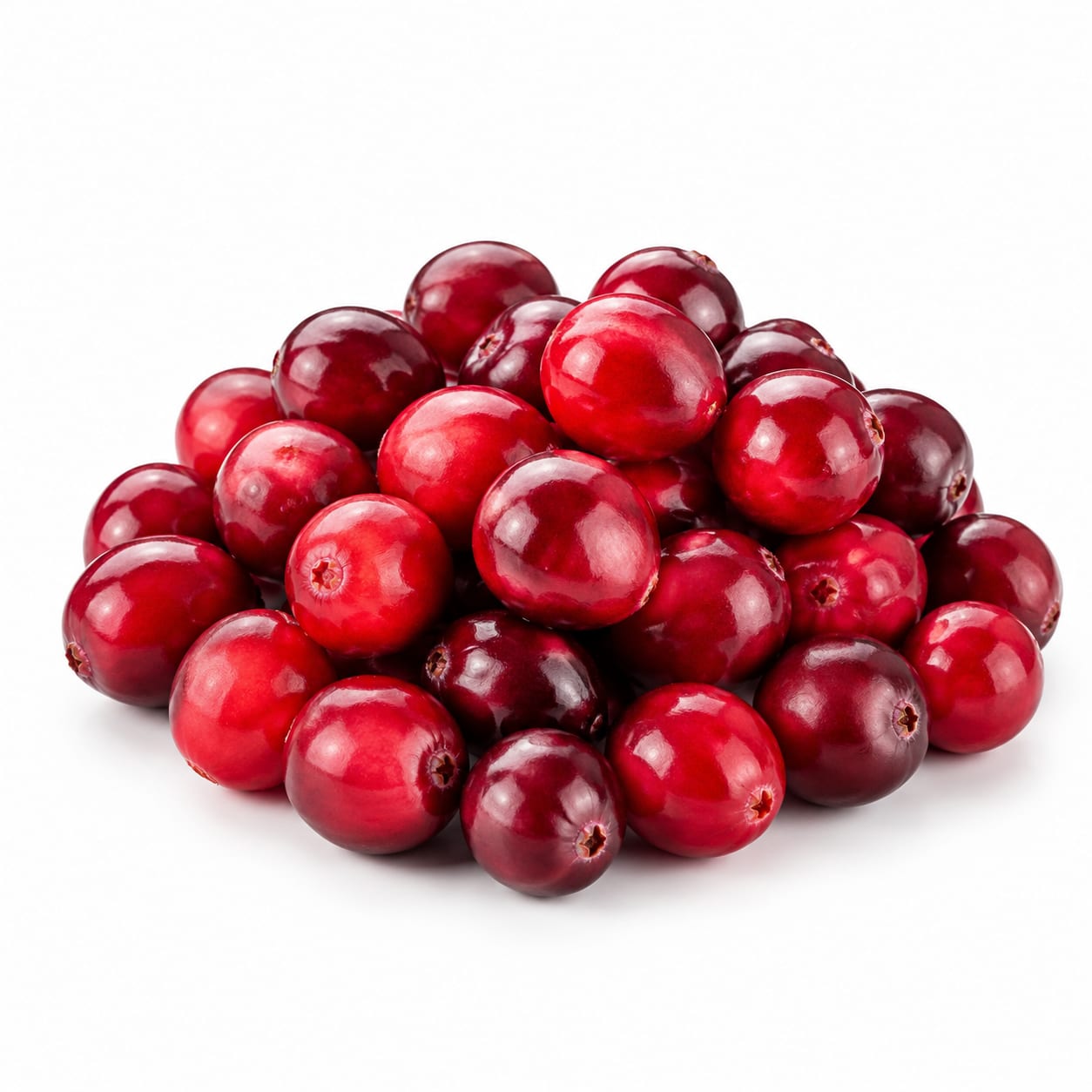
Cranberry
Cloudberry wins on vitamin density and natural sweetness, but cranberry dominates for urinary tract health and everyday availability.
Cloudberry scores slightly higher for nutritional quality and lower sugar processing, but cranberry closes the gap through superior availability, research backing, and proven UTI benefits. The close scores reflect that each berry excels in different real-world contexts.
Cloudberry offers superior nutrition per bite but is nearly impossible to find fresh, while cranberry is everywhere but almost always comes with added sugar.
At a glance
Executive summary
Overall
It depends
Healthier
Cloudberry
More practical
Cranberry
Daily use
Cranberry
Key comparison lenses
antioxidant and unique compound comparison
Both berries are prized for rare bioactive compounds but differ significantly in their primary antioxidants and health applications
practical everyday usability
Cranberry is widely available year-round while cloudberry is extremely niche, making accessibility a major decision factor
sugar and processing concerns
Cranberries are almost always consumed with added sugar due to extreme tartness, while cloudberries are often eaten closer to their natural state
urinary and digestive health
Cranberry is famous for UTI prevention while cloudberry has traditional gut health uses, creating a clear therapeutic distinction
vitamin density comparison
Cloudberry offers notably higher vitamin C and unique vitamin E content compared to cranberry
Best choice for
Cloudberry
- People seeking maximum vitamin C from a natural source
- Those wanting a berry with natural sweetness and less need for added sugar
- Anyone interested in rare Arctic superfoods with high antioxidant diversity
- Individuals focused on skin health due to vitamin E content
Cranberry
- People prone to urinary tract infections seeking preventive support
- Anyone needing a readily available berry year-round
- Those who enjoy tart flavors and want a versatile cooking ingredient
- Individuals looking for well-researched, evidence-backed health benefits
Least suitable for
Cloudberry
- People who need affordable, accessible fruit options
- Anyone living outside Scandinavia, Canada, or northern regions where cloudberries grow
- Those wanting a consistent, reliable daily berry habit
Cranberry
- People strictly avoiding added sugar, since most cranberry products are sweetened
- Those sensitive to very tart or astringent flavors
- Anyone seeking a high-vitamin C berry as a primary source
Deep comparison
Dimension by dimension
Each lens scores both foods and breaks down who each option suits.
- Dimension 1 · Priority 90Cloudberry
vitamin_and_mineral_density
Cloudberry · 88Cranberry · 62Cloudberry delivers roughly twice the vitamin C of cranberry and contains significant vitamin E, which cranberry lacks almost entirely.
Tradeoff
You gain a more complete micronutrient profile with cloudberry but sacrifice the convenience of finding it in any grocery store.
Why it matters
Vitamin C supports immunity and skin, while vitamin E protects cells from oxidative damage. Getting both from one berry is rare.
Real-world impact
Eating cloudberries feels more like taking a natural multivitamin, while cranberries contribute modestly to daily vitamin needs.
Cloudberry
- Boosting immune defense during cold season
- Supporting skin repair and collagen production
- Getting two fat-soluble and water-soluble antioxidants in one food
Better for
- Building a reliable daily vitamin routine due to scarcity
Worse for
Cranberry
- Adding any berry to your diet when cloudberry is unavailable
Better for
- Meeting significant vitamin C needs without eating large quantities
Worse for
- Dimension 2 · Priority 87Cloudberry
sugar_content_and_natural_sweetness
Cloudberry · 79Cranberry · 45Cloudberries are naturally sweeter and can be enjoyed with minimal added sugar, while raw cranberries are so tart that almost all commercial products add significant sugar.
Tradeoff
Choosing cranberry for health benefits often means accepting hidden sugar in juices, dried forms, or sauces.
Why it matters
Added sugar undermines many of the health benefits berries are known for, especially for blood sugar management and weight control.
Real-world impact
A handful of fresh cloudberries is a satisfying snack as-is. Fresh cranberries are nearly inedible without preparation and sweetening.
Cloudberry
- Enjoying a naturally sweet berry without sugar guilt
- Reducing overall added sugar intake while still eating fruit
- Snacking straight from the container
Better for
- Nothing significant in this dimension
Worse for
Cranberry
- Making tart sauces and baked goods where sugar would be added anyway
Better for
- Risking blood sugar spikes from sweetened cranberry juice or dried cranberries
- Unknowingly consuming 25-30g of added sugar per cup of cranberry juice cocktail
Worse for
- Dimension 3 · Priority 88Cranberry
urinary_tract_and_infection_defense
Cloudberry · 35Cranberry · 94Cranberry contains unique proanthocyanidins that prevent bacteria from adhering to the urinary tract wall, a benefit cloudberry cannot match.
Tradeoff
If UTI prevention is your goal, cranberry is one of the most evidence-backed natural options available. Cloudberry offers no comparable mechanism.
Why it matters
Recurrent UTIs affect millions and cranberry is one of the few dietary interventions with consistent clinical support.
Real-world impact
A daily glass of unsweetened cranberry juice or a handful of dried cranberries can meaningfully reduce UTI recurrence for susceptible individuals.
Cloudberry
- General antioxidant support but not targeted infection defense
Better for
- Anyone specifically seeking UTI prevention should not rely on cloudberry
Worse for
Cranberry
- Preventing recurrent urinary tract infections
- Reducing need for antibiotics in UTI-prone individuals
- Supporting bladder health long-term
Better for
- Benefits are negated if consumed as heavily sweetened juice cocktails
Worse for
- Dimension 4 · Priority 82Cloudberry
antioxidant_diversity_and_rare_compounds
Cloudberry · 86Cranberry · 78Cloudberry contains ellagic acid, benzoic acid, and a broader carotenoid profile from its golden color, while cranberry focuses heavily on proanthocyanidins.
Tradeoff
Cloudberry gives you a wider antioxidant spectrum, but cranberry delivers a higher concentration of its specific star compound.
Why it matters
Diverse antioxidants protect different body systems. A broader profile may offer more comprehensive cellular defense.
Real-world impact
Cloudberry feels like broader insurance for aging and inflammation, while cranberry is a targeted supplement for specific concerns.
Cloudberry
- Broader anti-inflammatory coverage across multiple pathways
- Unique benzoic acid content with natural preservative and antimicrobial properties
- Carotenoid benefits from the amber pigments cranberry lacks
Better for
- Limited clinical research confirming effects in humans
Worse for
Cranberry
- Concentrated proanthocyanidin delivery for vascular and urinary benefits
- More research validating specific antioxidant mechanisms
Better for
- Narrower antioxidant range focused heavily on one compound class
Worse for
- Dimension 5 · Priority 90Cranberry
availability_and_everyday_practicality
Cloudberry · 18Cranberry · 92Cranberry is available year-round in every major grocery store. Fresh cloudberry is essentially unobtainable outside Scandinavia, northern Canada, and specialty importers.
Tradeoff
The best berry nutritionally means nothing if you cannot buy it. Cranberry wins decisively on real-world usability.
Why it matters
Consistency drives health outcomes. A berry you can eat daily beats a superior berry you see once a year.
Real-world impact
You can find frozen cranberries, cranberry juice, or dried cranberries in any supermarket. Cloudberries require specialty ordering, travel, or foraging.
Cloudberry
- Creating a special-occasion nutrient-dense treat when available
Better for
- Cannot be relied upon for any regular dietary plan
- Expensive when available through specialty importers
- Frozen or preserved forms lose some vitamin C potency
Worse for
Cranberry
- Building a consistent daily or weekly berry habit
- Finding organic options easily
- Meal prepping with a reliable ingredient
Better for
- Nothing significant in this dimension
Worse for
- Dimension 6 · Priority 72Cranberry
fiber_and_digestive_health
Cloudberry · 65Cranberry · 74Cranberry provides slightly more fiber per serving and its benzoic acid content helps preserve gut health. Cloudberry offers decent fiber but less per typical serving.
Tradeoff
Both berries support digestion, but cranberry edges ahead on fiber density and has more documented prebiotic effects.
Why it matters
Fiber keeps you regular and feeds beneficial gut bacteria. Even small differences add up with daily consumption.
Real-world impact
Regular cranberry consumption supports smoother digestion and a healthier gut microbiome over time.
Cloudberry
- Moderate fiber contribution when enjoyed fresh
Better for
- Lower fiber density means less satiety per serving
Worse for
Cranberry
- More fiber per calorie consumed
- Better documented gut microbiome benefits with regular intake
Better for
- Fiber benefit is reduced in juice form, the most common way people consume cranberry
Worse for
Timeline
Health impact over time
Short-term
Hours to days
Cloudberry
- Quick vitamin C boost supporting immediate immune function
- Natural energy lift from easily digested natural sugars without a crash
- Mild antimicrobial effect from benzoic acid content
Cranberry
- Rapid urinary tract flushing effect when consumed as unsweetened juice
- Tart flavor stimulates saliva and digestive enzyme production
- Immediate antioxidant protection for blood vessels
Long-term
Months to years
Cloudberry
- Consistent vitamin E intake supports skin aging defense and cell membrane protection
- Ellagic acid may contribute to reduced cancer risk based on emerging research
- Broad antioxidant intake could slow age-related cellular damage
Cranberry
- Significantly reduced UTI recurrence with regular consumption over months
- Proanthocyanidins support cardiovascular health and vascular elasticity
- Long-term anti-inflammatory effects may benefit joint and heart health
Risk profile
Safety & processing
Cloudberries are typically consumed fresh, frozen, or in traditional preserves with minimal additives. Cranberries are most commonly consumed as sweetened juice, dried cranberries with added sugar and oil, or cranberry sauce, all of which involve significant processing and added ingredients.
Cloudberry
Wild harvesting contamination
lowCloudberries are often wild-foraged, which means no pesticide regulation but potential exposure to environmental pollutants in bog ecosystems.
Limited food safety oversight
lowSmall-batch and imported cloudberry products may have less consistent quality control than mainstream commercial berries.
Cranberry
Added sugar in commercial products
highMost cranberry juice cocktails contain 25-30g of added sugar per cup. Dried cranberries typically contain added sugar and vegetable oil. This undermines the health benefits significantly.
Pesticide residue on conventional cranberries
mediumCranberries frequently appear on EWG's shopper guides for pesticide concerns due to bog spraying practices. Organic options are recommended.
Oxalate content
lowCranberries contain moderate oxalates which could contribute to kidney stone formation in susceptible individuals when consumed in large quantities.
Who wins for whom
Audience fit
Same foods, different winners depending on your goal.
children
CranberryCranberry's familiar flavor and wide availability in kid-friendly forms make it more practical, though parents should choose unsweetened varieties.
daily consumption
CranberryConsistency matters more than perfection. Cranberry's year-round availability makes daily consumption realistic, while cloudberry remains a rare treat.
diabetes
CloudberryCloudberries can be enjoyed without added sugar and have a more favorable glycemic profile. Most cranberry products contain added sugar that spikes blood glucose.
elderly
CranberryCranberry's proven UTI prevention is especially valuable for older adults, and its availability supports consistent daily intake.
muscle gain
It dependsNeither berry is significant for muscle gain. Both offer marginal antioxidant support for recovery but negligible protein.
weight loss
CloudberryCloudberries provide more satiety per calorie with natural sweetness and no need for added sugar, making them easier to enjoy within a calorie budget.
Your move
Decision guide
Choose Cloudberry
- You have access to fresh or frozen cloudberries and want maximum vitamin density
- You are sensitive to added sugars and want a naturally sweet berry
- You are interested in diverse antioxidant protection and rare bioactive compounds
- You want a berry that tastes pleasant without any preparation or sweetening
Choose Cranberry
- You are prone to urinary tract infections and want evidence-based prevention
- You need a berry you can find at any grocery store any day of the year
- You enjoy tart flavors and want a versatile ingredient for cooking and baking
- You want a well-researched berry with decades of clinical validation
Either works if
- You simply want to add more berries to your diet for general antioxidant support
- You are looking for a low-calorie fruit snack with anti-inflammatory properties
- You enjoy rotating different berries for nutrient diversity
Avoid both if
- You have a severe berry allergy or salicylate sensitivity
- You are on a very tight budget and need affordable fruit options
- You are looking for a high-protein or high-fiber food as a dietary staple
Final recommendation
Eat cranberry daily for accessible, proven health benefits, especially UTI defense, but choose unsweetened forms to avoid the sugar trap. When you can find cloudberries, treat them as a nutrient-dense luxury that outperforms cranberry on vitamin content and natural sweetness. The ideal approach is cranberry for consistency and cloudberry for occasional nutritional excellence.
Practical
Consumer tips
- 1
Choose unsweetened cranberry juice or fresh cranberries over juice cocktails and sweetened dried cranberries to avoid hidden sugar
- 2
If buying cranberry juice, look for 100% juice with no added sugar, even though it will taste very tart
- 3
Frozen cloudberries retain most of their vitamin C and are the most practical way to enjoy them outside Scandinavia
- 4
Cloudberries pair beautifully with yogurt or oatmeal where their natural sweetness shines without added sugar
- 5
For UTI prevention, cranberry extract supplements can deliver the active proanthocyanidins without the sugar load of juice
- 6
Organic cranberries are worth the premium due to pesticide concerns in conventional bog farming
- 7
If you find cloudberry jam or preserves, check the sugar content, as traditional recipes can be very sweet