
Nutrition comparison
Cloudberry vs Raspberry: Nutrition, Antioxidants, and Which Berry to Choose
Compare Cloudberry and Raspberry on vitamin A, antioxidants, fiber, and availability. Learn which berry fits your health goals and daily routine better.
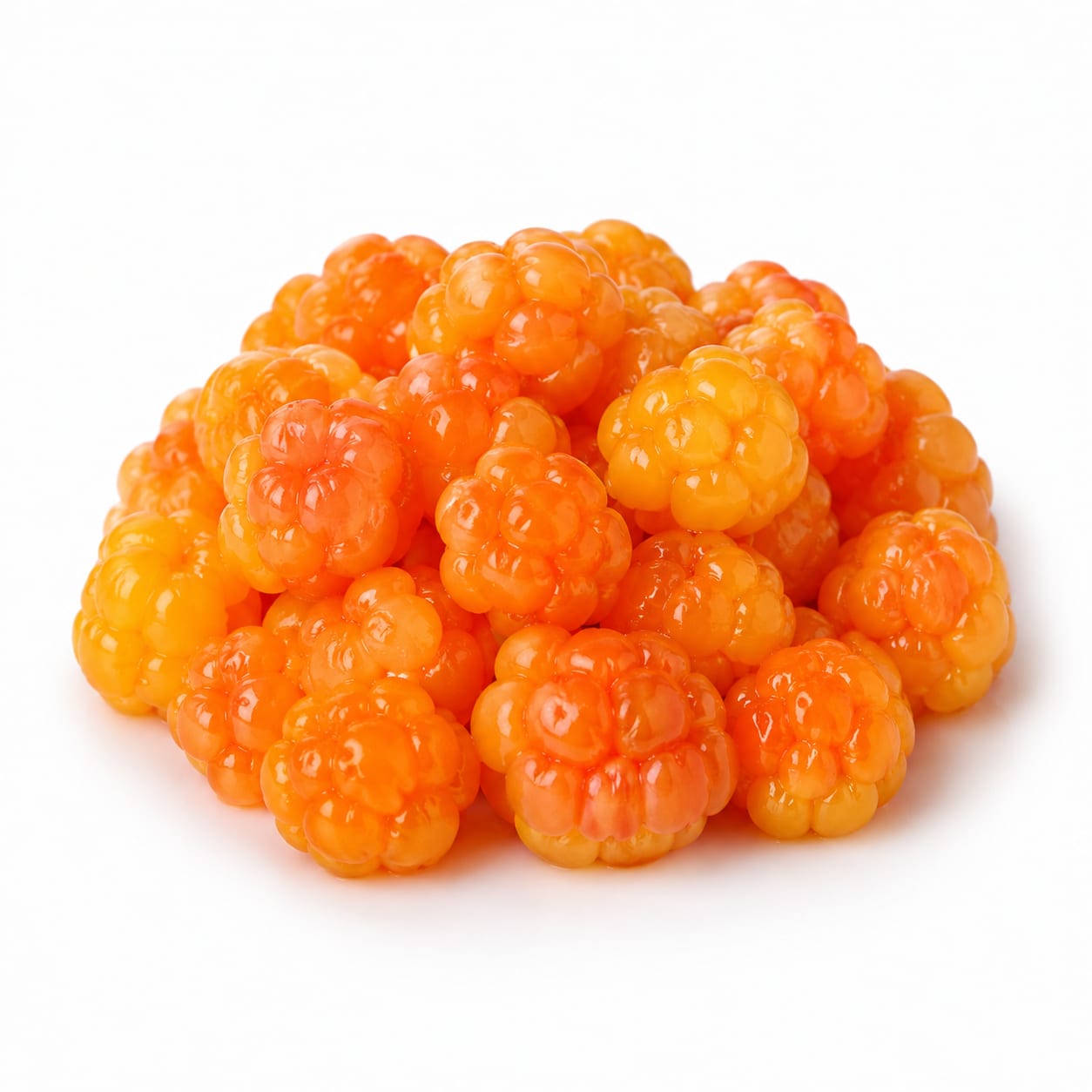
Cloudberry
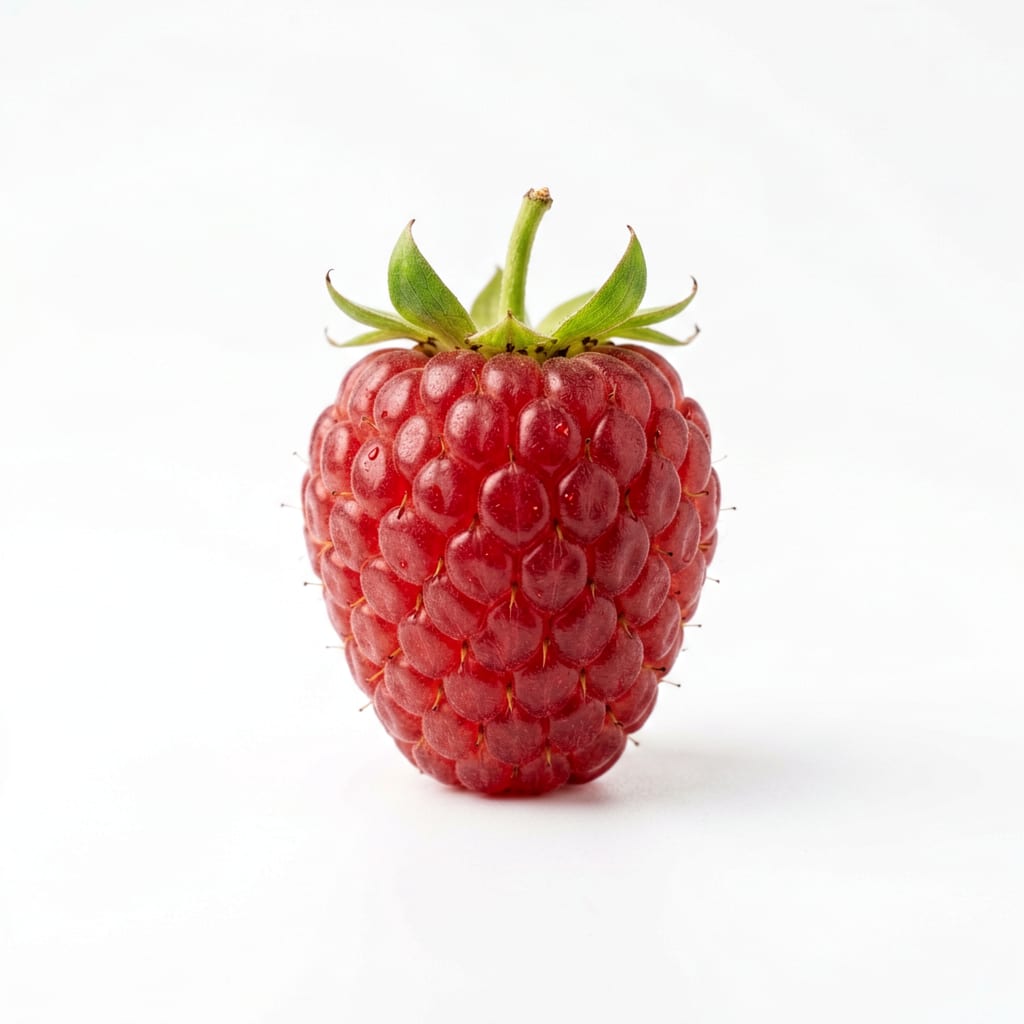
Raspberry
Raspberry wins on antioxidants, availability, and daily practicality. Cloudberry delivers far more vitamin A and a unique nutrient profile but is hard to find and expensive.
Raspberry scores higher due to superior antioxidant density, fiber, affordability, and global availability. Cloudberry's exceptional vitamin A content and uniqueness narrow the gap but cannot overcome practicality constraints for most consumers.
Raspberry gives you accessible, anthocyanin-rich everyday nutrition. Cloudberry offers rare vitamin A and a distinctive flavor but at premium cost and limited supply.
At a glance
Executive summary
Overall
It depends
Healthier
It depends
More practical
Raspberry
Daily use
Raspberry
Key comparison lenses
antioxidant and vitamin comparison
These berries diverge sharply in vitamin A and anthocyanin content, making nutrient density the core decision factor
accessibility and practicality
Cloudberry is arctic and scarce; Raspberry is grocery-staple abundant, so everyday usability matters enormously
anti inflammatory and immune benefits
Both berries carry ellagic acid but differ in pigment antioxidants, affecting inflammation and immune support differently
culinary versatility
Raspberry integrates easily into meals worldwide; Cloudberry has a niche tart-sweet profile suited to specific dishes
Best choice for
Cloudberry
- Vitamin A support and eye health
- Nordic culinary traditions
- Unique tart-sweet gourmet recipes
- Exploring rare micronutrient profiles
Raspberry
- Daily antioxidant intake
- Budget-conscious berry nutrition
- Easy meal prep and smoothies
- Widely available year-round health benefits
Least suitable for
Cloudberry
- Budget grocery shoppers
- Quick weekday meal prep
- People needing consistent supply
- Anthocyanin-focused antioxidant diets
Raspberry
- Those seeking high vitamin A from fruit
- Nordic heritage recipe authenticity
- Anyone wanting a truly rare or novel food experience
Deep comparison
Dimension by dimension
Each lens scores both foods and breaks down who each option suits.
- Dimension 1 · Priority 95Raspberry
antioxidant_density
Cloudberry · 55Raspberry · 88Raspberry delivers far more anthocyanins and total antioxidant capacity due to its deep red pigmentation. Cloudberry's pale golden color signals lower anthocyanin content.
Tradeoff
Cloudberry compensates with ellagic acid and vitamin C but lacks the broad-spectrum antioxidant punch that pigment-rich berries provide.
Why it matters
Anthocyanins protect cells from oxidative stress, support heart health, and reduce inflammation. A pigment-rich berry is your daily shield against cellular wear.
Real-world impact
Eating Raspberries regularly may show up as better recovery after exercise, less joint stiffness, and steadier energy. Cloudberry still helps but through fewer pathways.
Cloudberry
- Vitamin C-focused immune support
- Ellagic acid intake without anthocyanins
Better for
- Anthocyanin-dependent health goals
- Maximum ORAC-score diets
Worse for
Raspberry
- Broad-spectrum antioxidant protection
- Anti-aging and cardiovascular defense
- Post-workout recovery nutrition
Better for
- Those specifically avoiding high-pigment foods due to sensitivities
Worse for
- Dimension 2 · Priority 90Cloudberry
vitamin_and_mineral_profile
Cloudberry · 85Raspberry · 72Cloudberry is remarkably rich in vitamin A, providing significantly more than almost any other berry. Raspberry counters with more manganese and folate.
Tradeoff
If eye health and immune function are priorities, Cloudberry is the rare berry that delivers meaningful vitamin A. Raspberry covers more ground with B-vitamins and trace minerals.
Why it matters
Vitamin A is scarce in most fruits. Getting it from a berry is unusual and valuable for vision, skin integrity, and immune resilience.
Real-world impact
Regular Cloudberry consumption could meaningfully support night vision and skin health in ways most berries simply cannot match.
Cloudberry
- Eye health and night vision support
- Skin integrity and wound healing
- Immune defense through retinol activity
Better for
- Those needing folate-dense foods during pregnancy
Worse for
Raspberry
- Manganese for bone metabolism
- Folate for cell division and pregnancy
- Broader B-vitamin coverage
Better for
- Anyone relying on fruit for vitamin A intake
Worse for
- Dimension 3 · Priority 78Raspberry
fiber_and_digestive_health
Cloudberry · 68Raspberry · 82Raspberry is one of the highest-fiber berries available, delivering roughly 6-8g per cup. Cloudberry provides decent fiber but notably less.
Tradeoff
Raspberry keeps you fuller longer and supports gut health more effectively. Cloudberry still contributes fiber but cannot compete with Raspberry's exceptional levels.
Why it matters
High-fiber berries stabilize blood sugar, feed beneficial gut bacteria, and reduce overeating. This is where Raspberry truly shines among fruits.
Real-world impact
A cup of Raspberry with breakfast can keep you satisfied until lunch. Cloudberry would leave you hungry sooner despite similar calorie content.
Cloudberry
- Lighter digestive load for sensitive stomachs
Better for
- High-fiber diet requirements
- Managing hunger between meals
Worse for
Raspberry
- Satiety and appetite control
- Gut microbiome feeding
- Blood sugar stabilization
Better for
- Very sensitive digestion needing low-fiber options
Worse for
- Dimension 4 · Priority 88Raspberry
availability_and_cost
Cloudberry · 25Raspberry · 92Raspberry is available in nearly every grocery store year-round at reasonable prices. Cloudberry is arctic, seasonal, and often imported at premium cost.
Tradeoff
You can eat Raspberry daily without effort. Cloudberry requires specialty sourcing, online ordering, or travel to Nordic regions.
Why it matters
The healthiest food is the one you can actually eat consistently. Exotic nutrition only works if you can access it regularly.
Real-world impact
Raspberry fits into a weekly grocery run. Cloudberry might be a once-a-year treat or a specialty ingredient for special occasions.
Cloudberry
- Unique culinary experiences
- Gifting and gourmet cooking
Better for
- Anyone outside specialty supply chains
- Families needing affordable fruit
Worse for
Raspberry
- Weekly meal planning
- Budget-friendly nutrition
- Consistent daily intake
Better for
- Seeking rare or exclusive food experiences
Worse for
- Dimension 5 · Priority 72Raspberry
culinary_versatility
Cloudberry · 58Raspberry · 85Raspberry works in smoothies, salads, desserts, sauces, and baked goods with universal appeal. Cloudberry has a distinctive tart-sweet flavor best suited to specific Nordic preparations.
Tradeoff
Raspberry adapts to any cuisine. Cloudberry shines in traditional recipes like cloudberry cream but can feel out of place in everyday cooking.
Why it matters
Versatility determines how often you actually use the food. A berry you enjoy in ten ways gets eaten more than one limited to two.
Real-world impact
Raspberry can upgrade your morning oatmeal, afternoon salad, and evening dessert. Cloudberry mostly earns its place in preserves and specialty desserts.
Cloudberry
- Nordic dessert traditions
- Artisan jam and preserve making
- Impressing dinner guests with rarity
Better for
- Quick weekday cooking
- Diverse recipe integration
Worse for
Raspberry
- Smoothies and breakfast bowls
- Savory salads and vinaigrettes
- Everyday baking and cooking
Better for
- Authentic Scandinavian cuisine
Worse for
Timeline
Health impact over time
Short-term
Hours to days
Cloudberry
- Vitamin A boost supporting immediate immune function
- Mild blood sugar stability from moderate fiber
- Tart flavor may stimulate appetite and digestion
Raspberry
- Quick satiety from high fiber content
- Antioxidant surge supporting post-meal oxidative balance
- Steadier energy without sugar spikes
Long-term
Months to years
Cloudberry
- Sustained vitamin A intake supporting vision and skin aging
- Ellagic acid contributing to cellular defense over time
- Limited access may reduce consistent long-term benefits
Raspberry
- Anthocyanin accumulation supporting cardiovascular and cognitive health
- High fiber intake reducing chronic disease risk markers
- Consistent daily consumption amplifying cumulative benefits
Risk profile
Safety & processing
Both berries are whole, unprocessed foods in their natural state. Cloudberry is often found as preserves due to scarcity, which adds sugar. Fresh or frozen Raspberry is widely available without additives.
Cloudberry
Mold and spoilage from long supply chains
mediumCloudberry's arctic origin means longer transport times. Fresh specimens may spoil faster if not handled carefully. Frozen is often safer.
Preservative exposure in processed products
mediumMany Cloudberry products are jams or preserves with added sugar and pectin. Read labels carefully if seeking whole-food nutrition.
Raspberry
Pesticide residue on conventional crops
mediumRaspberries rank moderately high on pesticide residue lists. Organic options are recommended when available and affordable.
Mold and rapid spoilage
lowRaspberries are fragile and mold quickly. Inspect containers and consume within 2-3 days of purchase or choose frozen.
Who wins for whom
Audience fit
Same foods, different winners depending on your goal.
children
RaspberryRaspberry is sweeter, more familiar, easier to find, and more likely to be eaten consistently by kids. Cloudberry's tartness and rarity make it a harder sell.
daily consumption
RaspberryRaspberry's availability, affordability, and balanced nutrient profile make it realistic for daily intake. Cloudberry is better as an occasional supplement to a berry routine.
diabetes
RaspberryHigher fiber in Raspberry slows sugar absorption more effectively, leading to gentler blood sugar responses and better glycemic control.
elderly
CloudberryCloudberry's exceptional vitamin A content directly supports aging eyes and immune vulnerability, which are common elderly concerns.
muscle gain
It dependsNeither berry is a protein source. Raspberry offers marginally more manganese for muscle metabolism, but the difference is negligible for this goal.
weight loss
RaspberryRaspberry's superior fiber content provides more satiety per calorie, making it easier to manage portions and reduce overall intake.
Your move
Decision guide
Choose Cloudberry
- You want rare vitamin A from a fruit source
- You have access to fresh or frozen Cloudberry at reasonable prices
- You are exploring Nordic cuisine or heritage recipes
- Eye health and immune support are top priorities
- You enjoy tart, complex flavors over sweet simplicity
Choose Raspberry
- You want the most antioxidant-dense berry for daily use
- Budget and availability matter for your meal planning
- You need high fiber for satiety and gut health
- You want a versatile berry for smoothies, salads, and baking
- Consistency and long-term habit building are your focus
Either works if
- You want ellagic acid for cellular defense
- You enjoy rotating berries for nutrient diversity
- You are generally healthy and seeking fruit variety
- You value whole-food nutrition over supplements
Avoid both if
- You have a salicylate sensitivity common to berries
- You need high-protein foods and are prioritizing macronutrients over micronutrients
- You are on a very low-fiber diet for medical reasons
Final recommendation
Make Raspberry your daily berry for its accessible antioxidants, fiber, and versatility. Add Cloudberry when you can find it as a vitamin A boost and culinary adventure. The best approach is Raspberry as your foundation with Cloudberry as a strategic supplement, not a replacement.
Practical
Consumer tips
- 1
Buy frozen Raspberries for better value and longer shelf life without nutrient loss
- 2
If purchasing Cloudberry, frozen is usually fresher than imported fresh due to supply chain length
- 3
Choose organic Raspberries when possible to reduce pesticide exposure
- 4
Cloudberry preserves often contain significant added sugar. Check labels and opt for low-sugar versions
- 5
Mix both berries together for a nutrient-diverse bowl: Raspberry for antioxidants and fiber, Cloudberry for vitamin A
- 6
Store Raspberries unwashed in a single layer to extend freshness by 1-2 days
- 7
Cloudberry pairs exceptionally well with cream or yogurt, which also helps absorb its fat-soluble vitamin A