
Nutrition comparison
Salmonberry vs Cloudberry: Nutrition, Taste, and Which Wild Berry Wins
Compare salmonberry and cloudberry nutrition, antioxidants, vitamin C, taste, and availability. Find out which northern wild berry is healthier and more practical for you.
Overall winner · Cloudberry
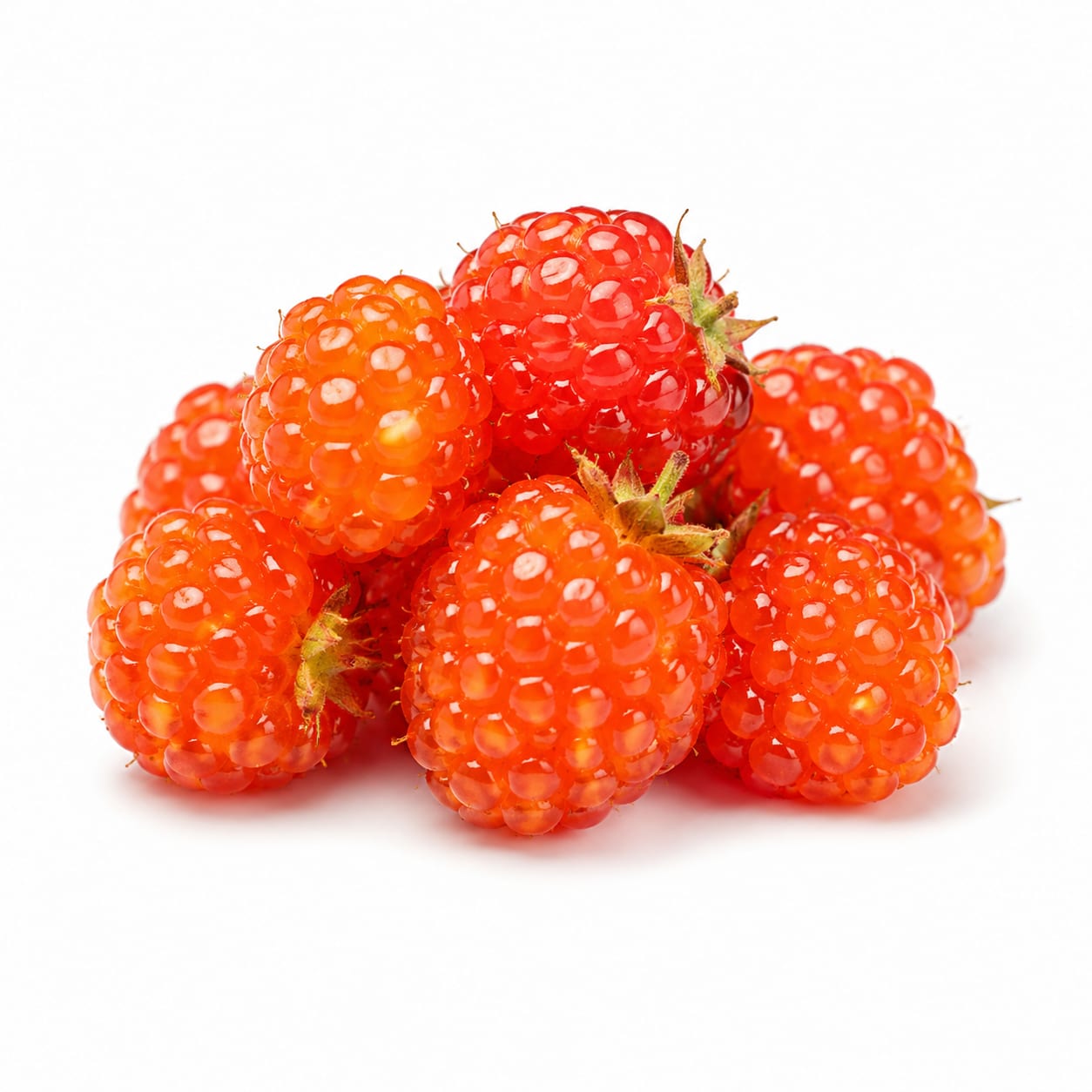
Salmonberry
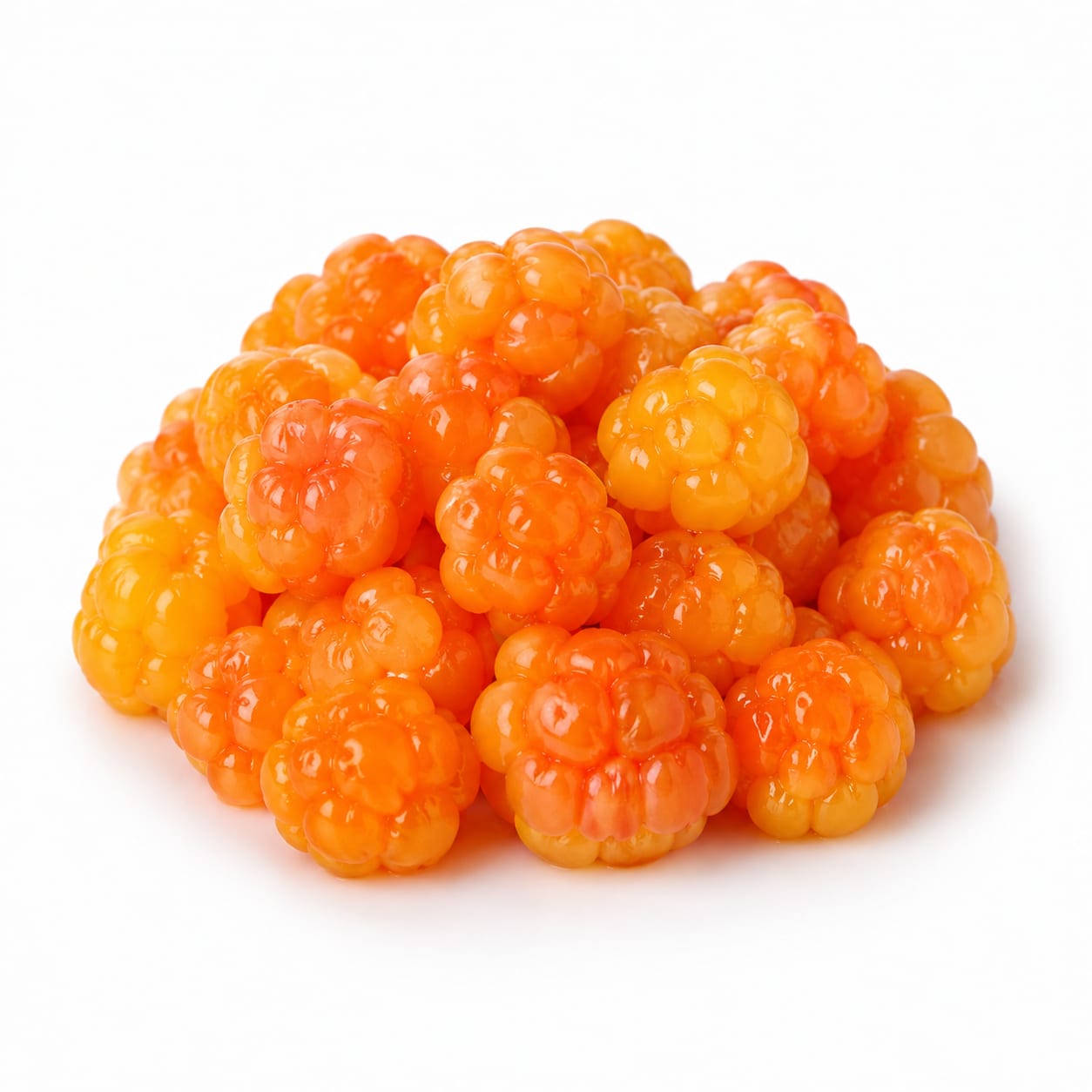
Cloudberry
Cloudberries edge ahead with dramatically higher vitamin C, more protein per serving, and superior antioxidant content, though salmonberries are easier to find and offer a more approachable flavor.
Cloudberry wins on nutritional density with roughly 3x more vitamin C and notable ellagic acid content, but salmonberry stays competitive through better accessibility and broader culinary ease. The moderate confidence reflects limited clinical data on both wild berries and variability in foraged samples.
Cloudberry delivers stronger nutritional firepower but is harder to source; salmonberry is more accessible and versatile but less nutrient-dense overall.
At a glance
Executive summary
Overall
Cloudberry
Healthier
Cloudberry
More practical
Salmonberry
Daily use
Salmonberry
Key comparison lenses
antioxidant and vitamin density
Both are wild northern berries prized for exceptional micronutrient profiles, making nutritional potency the primary decision factor
foraged wild fruit accessibility
Neither berry is commonly found in grocery stores, so availability and practical sourcing heavily shape real-world choices
blood sugar and low carb suitability
Users comparing berries often care about sugar load and glycemic impact for weight management or metabolic health
culinary versatility and taste
These berries have distinctly different flavor profiles that affect how people actually enjoy eating them
traditional and cultural food value
Both hold deep Indigenous and Nordic cultural significance, which matters to users seeking heritage foods
Best choice for
Salmonberry
- People who want a wild berry they can actually find and eat regularly
- Those who prefer milder, sweeter fruit flavors without sharp tartness
- Hikers and foragers in the Pacific Northwest looking for trail snacks
- Anyone new to foraging who wants an easier entry point
Cloudberry
- People prioritizing maximum vitamin C and antioxidant intake per calorie
- Those following Nordic or Scandinavian dietary traditions
- Anyone willing to seek out or pay premium for the most nutrient-dense wild berry option
- People who enjoy complex tart-sweet flavor profiles
Least suitable for
Salmonberry
- Those seeking the absolute highest vitamin C content from a berry
- People looking for significant protein contribution from fruit
- Anyone outside the Pacific Northwest without foraging access or specialty store proximity
Cloudberry
- Budget-conscious shoppers who find cloudberry products prohibitively expensive
- People who dislike tart or acidic flavors
- Anyone outside Scandinavia, Arctic regions, or specialty import networks
Deep comparison
Dimension by dimension
Each lens scores both foods and breaks down who each option suits.
- Dimension 1 · Priority 95Cloudberry
Vitamin C Potency
Salmonberry · 45Cloudberry · 92Cloudberries are remarkably rich in vitamin C, delivering roughly 3-4 times more per serving than salmonberries, making them one of the most vitamin C-dense berries available.
Tradeoff
That vitamin C advantage comes with a sharper, more acidic taste that some find challenging raw, whereas salmonberries offer a gentler flavor at the cost of lower potency.
Why it matters
Vitamin C supports immune resilience, collagen production, and iron absorption — daily intake matters more than most people realize, especially in northern climates with limited fresh produce.
Real-world impact
A single serving of cloudberries can cover most of your daily vitamin C needs, while you would need multiple servings of salmonberries to achieve the same effect.
Salmonberry
- People sensitive to acidic foods who find high-vitamin-C fruits irritating
Better for
- Relying on salmonberries alone for vitamin C would leave a significant daily gap
Worse for
Cloudberry
- Anyone wanting to maximize immune support from whole food sources
- People in northern latitudes with limited winter produce access
- Those recovering from illness who need concentrated vitamin C
Better for
- The tartness may discourage eating enough to actually get the full vitamin C benefit
Worse for
- Dimension 2 · Priority 88Cloudberry
Antioxidant Diversity
Salmonberry · 62Cloudberry · 85Cloudberries contain high levels of ellagic acid and benzoic acid, both potent antioxidants rarely found in such concentrated amounts in other berries. Salmonberries offer decent anthocyanin content but less overall antioxidant firepower.
Tradeoff
Cloudberries' antioxidant profile is more unique and clinically interesting, but salmonberries still provide meaningful protection, especially from their reddish pigments.
Why it matters
Ellagic acid has been linked to anti-inflammatory and potential anti-cancer properties. Getting rare antioxidants from food is more valuable than just loading up on common ones.
Real-world impact
Eating cloudberries regularly gives you antioxidant compounds most people never encounter in their diet, while salmonberries provide more conventional berry-style antioxidant benefits.
Salmonberry
- People who already eat a wide variety of berries and want to diversify anthocyanin sources
Better for
- Less distinctive antioxidant profile compared to more common berries like raspberries
Worse for
Cloudberry
- Anyone seeking the most chemoprotective antioxidant profile available in a wild fruit
- People with inflammatory conditions who benefit from ellagic acid intake
Better for
- The rare antioxidants are only beneficial if you can actually source and eat cloudberries consistently
Worse for
- Dimension 3 · Priority 82Salmonberry
Accessibility and Sourcing
Salmonberry · 58Cloudberry · 35Salmonberries grow abundantly across the Pacific Northwest and are relatively easy to forage. Cloudberries grow in remote Arctic and subarctic bogs, making them one of the hardest berries to obtain fresh.
Tradeoff
Salmonberries are the realistic choice for most North American foragers, while cloudberries remain a specialty item often available only as preserves or frozen imports at premium prices.
Why it matters
The healthiest berry in the world does nothing if you cannot access it. Practical availability determines whether a food becomes part of your life or stays a novelty.
Real-world impact
You can realistically hike and pick salmonberries on a weekend in Oregon or Washington. Getting fresh cloudberries usually requires traveling to Scandinavia or paying high prices for imported products.
Salmonberry
- Pacific Northwest residents who can forage them for free
- People who value having a wild food they can actually incorporate into regular eating
Better for
- Still not available in typical grocery stores, limiting access for most people
Worse for
Cloudberry
- Scandinavian residents with local access to cloudberries
- People who enjoy specialty food sourcing and are comfortable with occasional rather than daily consumption
Better for
- Near-impossible to find fresh outside their native range, making regular consumption unrealistic for most
Worse for
- Dimension 4 · Priority 76Cloudberry
Blood Sugar Friendliness
Salmonberry · 64Cloudberry · 74Both berries are relatively low in sugar compared to cultivated fruits, but cloudberries have slightly more fiber and protein per calorie, giving them a modest edge for blood sugar stability.
Tradeoff
Neither berry is a blood sugar concern, but cloudberries' additional fiber and protein provide slightly steadier energy. Salmonberries' milder sweetness might encourage larger portions though.
Why it matters
Even with healthy berries, sugar load and fiber content affect whether you feel steady energy or a quick spike and dip.
Real-world impact
Both are solid choices for blood sugar management compared to almost any cultivated fruit, but cloudberries offer a slight advantage if you are being precise about glycemic control.
Salmonberry
- People who prefer smaller portions of sweeter-tasting fruit and naturally stop eating sooner
Better for
- Slightly higher sugar relative to fiber could cause quicker blood sugar rise in sensitive individuals
Worse for
Cloudberry
- People with diabetes or insulin resistance who want the most blood-sugar-stable berry option
- Those pairing berries with meals who want minimal glycemic impact
Better for
- The difference is small enough that it should not drive decisions alone
Worse for
- Dimension 5 · Priority 70Salmonberry
Culinary Versatility
Salmonberry · 72Cloudberry · 60Salmonberries have a mild, raspberry-like sweetness that works well in jams, desserts, salads, and fresh eating. Cloudberries have a distinctive tart-sweet flavor that is beloved in Scandinavian cuisine but more polarizing for general use.
Tradeoff
Salmonberries adapt more easily to recipes where you'd use any mild berry. Cloudberries shine in traditional Nordic preparations but can overpower dishes with their unique tang.
Why it matters
A berry you enjoy eating multiple ways becomes a regular part of your diet. One that only works in specific recipes stays a special-occasion ingredient.
Real-world impact
You can toss salmonberries into yogurt, oatmeal, or salads without much thought. Cloudberries often demand specific pairings — like cream, cheese, or traditional cloudberry cream — to really work.
Salmonberry
- Home cooks who want a flexible berry for everyday recipes
- People who prefer subtle fruit flavors that blend rather than dominate
Better for
- Less memorable flavor means less culinary excitement for enthusiasts
Worse for
Cloudberry
- Adventurous cooks exploring Scandinavian cuisine
- People who love bold, complex flavors and want a signature ingredient
Better for
- Stronger flavor limits how many dishes it works in without clashing
Worse for
- Dimension 6 · Priority 68Cloudberry
Protein and Micronutrient Breadth
Salmonberry · 50Cloudberry · 78Cloudberries contain notably more protein than most berries, along with higher levels of vitamin E and several B vitamins. Salmonberries offer decent manganese and vitamin K but less overall micronutrient breadth.
Tradeoff
Cloudberries function almost like a nutritional supplement in berry form, while salmonberries provide solid but more standard berry nutrition.
Why it matters
Protein from fruit is unusual and valuable, especially for plant-based eaters. Broad micronutrient coverage from a single food reduces the need for supplementation.
Real-world impact
Cloudberries contribute meaningfully to daily protein and vitamin E targets in a way almost no other berry can match. Salmonberries are good but do not stand out nutritionally from other common berries.
Salmonberry
- People who get plenty of protein and micronutrients from other sources and just want a pleasant fruit
Better for
- Nutritionally interchangeable with several more accessible berries
Worse for
Cloudberry
- Plant-based eaters who value every gram of protein from whole food sources
- Anyone wanting maximum nutritional return per calorie from fruit
Better for
- The protein advantage only matters if you eat cloudberries regularly, which is difficult for most people
Worse for
Timeline
Health impact over time
Short-term
Hours to days
Salmonberry
- Mild energy boost from natural sugars with moderate fiber to prevent spikes
- Hydrating due to high water content, making them refreshing on trails
- Gentle on the stomach for most people due to low acidity
Cloudberry
- Stronger immune support from concentrated vitamin C within hours of consumption
- More satiating per serving due to higher protein and fiber content
- Tartness may cause mild mouth irritation if eaten in large quantities raw
Long-term
Months to years
Salmonberry
- Consistent antioxidant intake supports cardiovascular health, though less potently than cloudberries
- Manganese contribution supports bone health and metabolic function over time
- Regular wild berry consumption supports gut microbiome diversity
Cloudberry
- Ellagic acid intake may reduce chronic inflammation and associated disease risk over years
- Exceptional vitamin C intake supports collagen integrity, skin health, and immune resilience long-term
- Benzoic acid content provides natural preservation benefits but may be a concern at very high intakes for sensitive individuals
Risk profile
Safety & processing
Both berries are wild-foraged and consumed with minimal processing, making them among the cleanest fruit options available. However, cloudberry products sold commercially — especially preserves — often contain added sugar, which reduces the naturalness advantage. Fresh foraged specimens of either berry are essentially unprocessed.
Salmonberry
Misidentification with toxic lookalikes
mediumSalmonberries resemble other Rubus species, most of which are safe, but inexperienced foragers could confuse them with unripe or misidentified berries in the wild. Always forage with a knowledgeable guide.
Parasite contamination from wild harvesting
lowLike all wild berries, salmonberries can carry microscopic parasites from animal contact. Washing thoroughly before eating reduces this risk significantly.
Cloudberry
Parasite and contamination exposure from bog environments
mediumCloudberries grow in wet bog environments where animal contamination is more likely. The fox tapeworm (Echinococcus multilocularis) is a rare but serious concern in some Arctic regions where cloudberries grow.
High benzoic acid content
lowCloudberries naturally contain significant benzoic acid, which acts as a preservative. While generally safe, very high consumption could be problematic for people with benzoate sensitivity or asthma.
Who wins for whom
Audience fit
Same foods, different winners depending on your goal.
children
SalmonberrySalmonberries' milder, sweeter flavor is more kid-friendly, and they pose fewer benzoic acid concerns for small bodies.
daily consumption
SalmonberrySalmonberries are easier to source, gentler on the stomach, and more versatile in daily meals, making them more sustainable as a regular habit.
diabetes
CloudberryCloudberries have a slightly more favorable fiber-to-sugar ratio and cause less blood sugar fluctuation, though both are solid choices compared to cultivated fruits.
elderly
CloudberryCloudberries' superior vitamin C and vitamin E content supports collagen integrity, immune function, and skin health — all priorities for aging bodies.
muscle gain
CloudberryNeither berry is a protein source, but cloudberries contain roughly twice the protein of salmonberries per serving, offering marginal support for muscle maintenance.
weight loss
CloudberryCloudberries offer more satiety per calorie with higher protein and fiber, making them slightly more filling for the same caloric cost.
Your move
Decision guide
Choose Salmonberry
- You live in or visit the Pacific Northwest and can forage salmonberries yourself
- You prefer milder, sweeter berries that work in any recipe without dominating
- You want a wild berry you can realistically eat more than once a year
- You are feeding kids or picky eaters who might reject tart flavors
- You have benzoate sensitivity or concerns about high acid intake
Choose Cloudberry
- Maximum nutritional density per calorie is your top priority
- You have access to cloudberries through Scandinavian markets, imports, or northern foraging
- You enjoy bold, complex tart flavors and Scandinavian culinary traditions
- You want rare antioxidants like ellagic acid that are hard to find elsewhere
- You are specifically seeking the highest vitamin C berry option available
Either works if
- You simply want a wild-foraged berry with minimal processing and no artificial additives
- You are looking for low-sugar fruit alternatives to cultivated berries
- You value traditional and Indigenous food knowledge over commercial produce
Avoid both if
- You need a reliable, year-round berry source available at any grocery store
- You have severe allergies to Rubus family fruits (raspberries, blackberries, etc.)
- You are looking for significant protein or calorie contribution from fruit
Final recommendation
If you can access cloudberries, choose them for their exceptional vitamin C and antioxidant content — they are genuinely one of the most nutritious berries on the planet. But if you are choosing based on what you will actually eat regularly, salmonberries win by being available, approachable, and versatile enough to become a habit rather than a novelty. The best berry for your health is the one you can eat consistently.
Practical
Consumer tips
- 1
If buying cloudberries as preserves or jam, check the sugar content — many commercial cloudberry products are loaded with added sugar that undermines their health advantages
- 2
Fresh salmonberries are extremely perishable — eat or freeze them within 24-48 hours of picking
- 3
When foraging either berry, always go with an experienced guide for your first several trips to avoid misidentification
- 4
Cloudberries are traditionally served with cream in Scandinavia — the fat actually helps absorb their fat-soluble vitamins and antioxidants more effectively
- 5
Both berries freeze well, so if you have access during their short seasons, stock up and freeze for year-round use
- 6
If you cannot find either berry fresh, look for freeze-dried versions which retain most nutrients without added sugar