
Nutrition comparison
Cloudberry vs Blueberry: Nutrition, Antioxidants, and Which Berry to Choose
Compare cloudberry and blueberry nutrition including vitamin C, antioxidants, brain health benefits, and practicality. Find out which berry fits your health goals and budget.
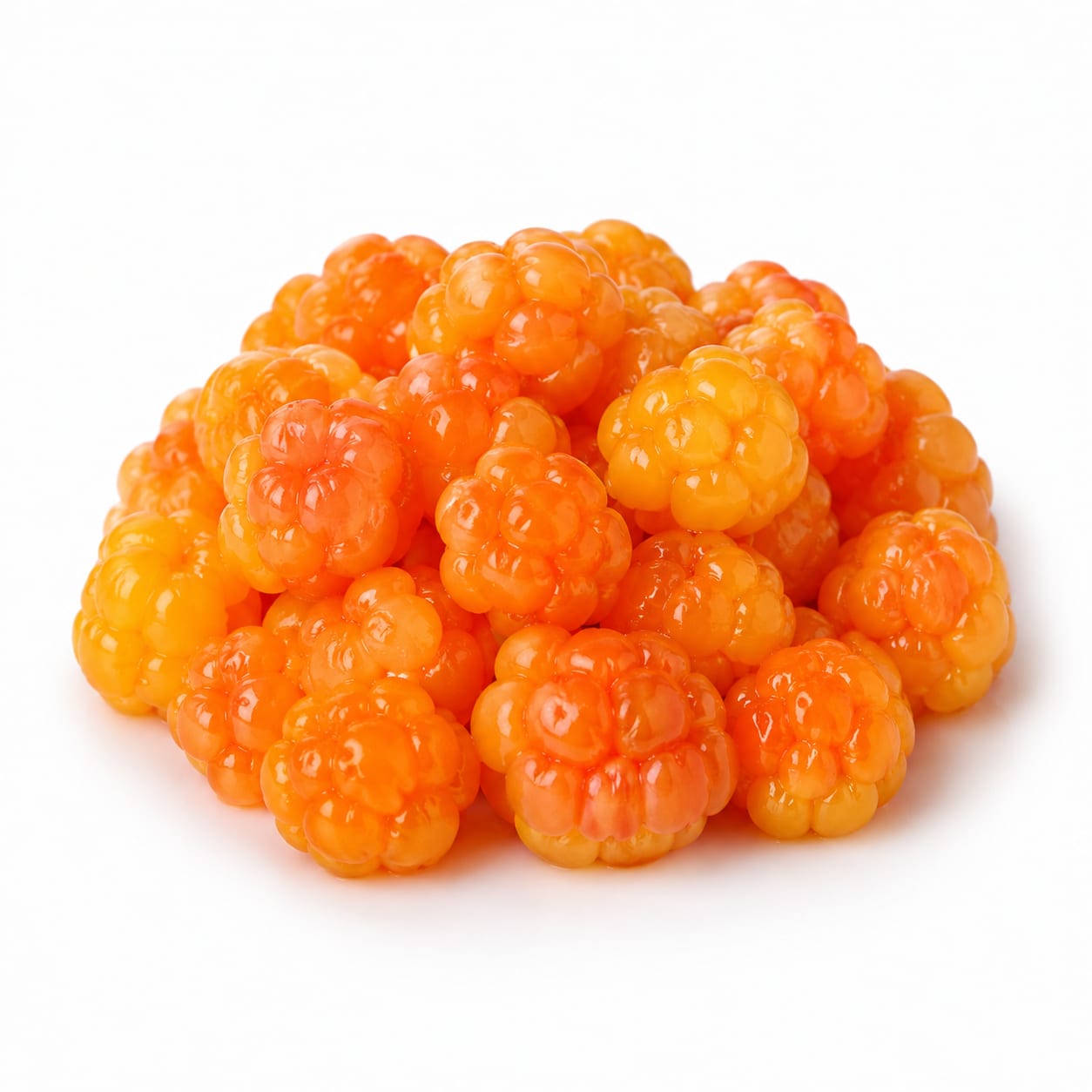
Cloudberry
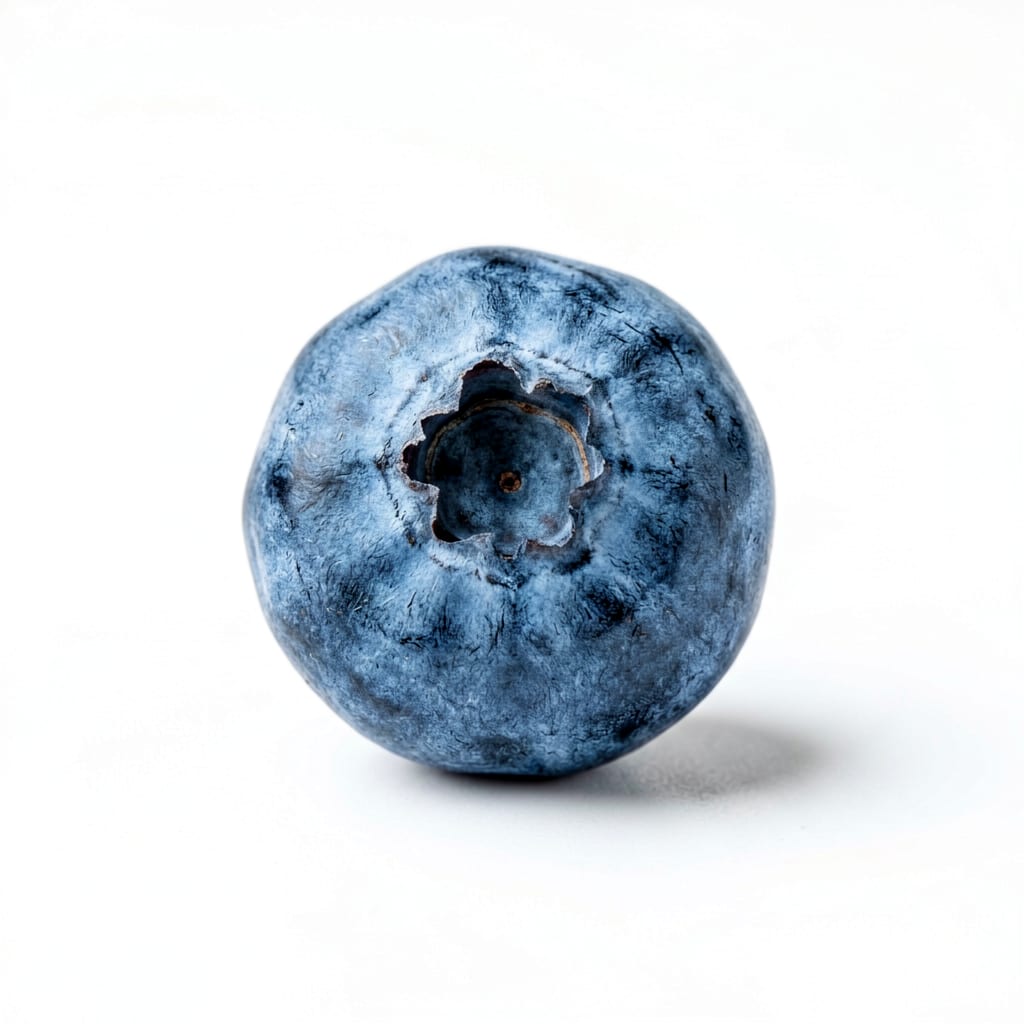
Blueberry
Blueberries win on practicality and brain health; cloudberries win on vitamin C and novelty nutrition. Your choice depends on what you value more.
Blueberries score higher overall due to superior accessibility, stronger cognitive health evidence, and broader culinary versatility. Cloudberries earn strong marks for unique nutrition but lose significant ground on availability and cost, making them harder to recommend as a daily staple.
Widely available, brain-protecting blueberries versus rare, immune-boosting cloudberries with a unique nutrient profile you cannot easily replicate
At a glance
Executive summary
Overall
It depends
Healthier
It depends
More practical
Blueberry
Daily use
Blueberry
Key comparison lenses
antioxidant type comparison
Cloudberries and blueberries offer fundamentally different antioxidant profiles—anthocyanins versus ellagic acid and vitamin C—making this the core nutritional tradeoff
availability and practicality
Cloudberries are extremely niche and seasonal while blueberries are a grocery staple, which dramatically affects real-world usability
immune and skin health
Cloudberry's exceptional vitamin C content creates a meaningful gap for immunity and collagen support
cognitive and brain health
Blueberries are one of the most studied foods for memory and cognitive function, giving them a clear edge for aging brains
everyday affordability
Price difference is enormous—cloudberries are a luxury ingredient, blueberries are accessible to most budgets
Best choice for
Cloudberry
- People seeking maximum vitamin C from a berry source
- Nordic cuisine enthusiasts wanting authentic traditional ingredients
- Anyone looking for rare omega fatty acids in fruit form
- Those wanting ellagic acid for cellular defense research
Blueberry
- Daily berry eaters who need consistent grocery access
- Older adults prioritizing cognitive preservation
- Budget-conscious shoppers wanting maximum antioxidant bang for buck
- Meal preppers who freeze berries for smoothies and oatmeal
Least suitable for
Cloudberry
- Anyone on a tight grocery budget
- People who need reliable year-round availability
- Those who dislike tart flavors
Blueberry
- People specifically seeking high vitamin C from fruit
- Those wanting a truly unique or novel food experience
- Anyone avoiding conventionally grown produce with pesticide residues
Deep comparison
Dimension by dimension
Each lens scores both foods and breaks down who each option suits.
- Dimension 1 · Priority 93It depends
antioxidant_diversity_and_power
Cloudberry · 78Blueberry · 85Blueberries deliver potent anthocyanins linked to brain and vascular health; cloudberries offer ellagic acid and exceptional vitamin C instead.
Tradeoff
Blueberries protect your brain and blood vessels more robustly, while cloudberries shield your immune system and skin through different pathways
Why it matters
Antioxidant type matters more than total amount—your body needs different defenders for different threats
Real-world impact
Eating blueberries regularly may help you stay sharp as you age; cloudberries may help you fight off colds and maintain healthier skin
Cloudberry
- Immune defense during cold season
- Collagen production and skin elasticity
- Cellular protection via ellagic acid
Better for
- Lacks the deep purple anthocyanins most studied for cognitive benefits
Worse for
Blueberry
- Long-term memory and focus
- Blood vessel flexibility
- Reducing oxidative stress in brain tissue
Better for
- Significantly less vitamin C per serving
- Missing the ellagic acid concentration found in cloudberries
Worse for
- Dimension 2 · Priority 85Cloudberry
vitamin_c_content
Cloudberry · 92Blueberry · 45Cloudberries are remarkably rich in vitamin C, delivering far more per serving than blueberries, which are surprisingly modest in this vitamin.
Tradeoff
Choosing blueberries means giving up a truly excellent vitamin C source; choosing cloudberries means getting one of the best berry-based vitamin C options available
Why it matters
Vitamin C is not just for immunity—it affects wound healing, iron absorption, and mood regulation
Real-world impact
A serving of cloudberries can cover a meaningful chunk of your daily vitamin C needs; blueberries barely make a dent
Cloudberry
- Supporting immune function during winter
- Enhancing iron absorption from plant meals
- Maintaining skin health and wound healing
Better for
Blueberry
- Cannot serve as a meaningful vitamin C source in your diet
- Requires separate vitamin C-rich foods to fill the gap
Worse for
- Dimension 3 · Priority 90Blueberry
availability_and_convenience
Cloudberry · 25Blueberry · 92Blueberries are available fresh or frozen in virtually every grocery store year-round. Cloudberries are specialty items rarely found outside Scandinavia or specialty importers.
Tradeoff
You can eat blueberries every day without thinking about it; cloudberries require effort, planning, and often significant expense to obtain
Why it matters
The healthiest food is the one you actually eat consistently—availability determines whether a food becomes a habit or a one-time novelty
Real-world impact
Blueberries make it into your cart weekly; cloudberries might be a once-a-year treat if you can find them at all
Cloudberry
- Cannot be relied on as a dietary staple
- Fresh access limited to brief seasonal windows in specific regions
- Often requires expensive online ordering
Worse for
Blueberry
- Consistent daily or weekly consumption
- Easy meal prep and smoothie additions
- Available frozen for long-term storage
Better for
- Dimension 4 · Priority 68Cloudberry
unique_fatty_acid_profile
Cloudberry · 82Blueberry · 30Cloudberries contain notable amounts of both omega-3 and omega-6 fatty acids, which is extremely rare for a fruit. Blueberries have negligible fat content.
Tradeoff
Cloudberries offer a subtle but meaningful fat-soluble nutrient advantage; blueberries provide almost no dietary fat
Why it matters
Getting omega fatty acids from fruit is unusual and can complement other fat sources in a plant-heavy diet
Real-world impact
Cloudberries contribute small but noteworthy amounts of essential fats that support inflammation balance—blueberries contribute essentially zero
Cloudberry
- Plant-based eaters seeking diverse omega sources
- Adding fat-soluble nutrient synergy to a fruit serving
Better for
Blueberry
- Provides no meaningful fatty acid contribution
Worse for
- Dimension 5 · Priority 82Blueberry
cognitive_and_brain_health
Cloudberry · 55Blueberry · 88Blueberries are among the most researched foods for brain health, with strong evidence linking regular consumption to improved memory and slower cognitive decline.
Tradeoff
If preserving mental sharpness is your priority, blueberries have far more scientific backing than cloudberries
Why it matters
Cognitive decline is one of the most feared aspects of aging—food choices in midlife matter for late-life outcomes
Real-world impact
Eating blueberries a few times per week is one of the simplest evidence-based habits for long-term brain health
Cloudberry
- Lacks the anthocyanin concentration driving most brain health research
Worse for
Blueberry
- Adults over 50 concerned about memory
- Students wanting sustained focus during exam periods
- Anyone with family history of cognitive decline
Better for
- Dimension 6 · Priority 75Blueberry
cost_and_value
Cloudberry · 20Blueberry · 80Blueberries are affordable and frequently on sale. Cloudberries are luxury-priced, often costing several times more per pound.
Tradeoff
Blueberries deliver excellent nutritional value per dollar; cloudberries are an investment that may not justify the cost difference for everyday eating
Why it matters
Sustainable healthy eating must fit your budget—overpriced health foods often get abandoned
Real-world impact
You can eat blueberries daily without financial strain; cloudberries are a splurge that most people cannot sustain regularly
Cloudberry
- Cost makes frequent consumption unrealistic for most households
- Value proposition weakens when similar nutrients can be sourced cheaper elsewhere
Worse for
Blueberry
- Families feeding multiple people
- Students and young adults on tight budgets
- Anyone maximizing nutrition per dollar spent
Better for
Timeline
Health impact over time
Short-term
Hours to days
Cloudberry
- Noticeable vitamin C boost supporting same-day immune function
- Tart flavor may satisfy sweet cravings with less sugar than processed snacks
- Unique taste experience can make healthy eating feel special rather than routine
Blueberry
- Steadier blood sugar thanks to fiber and low glycemic load
- Quick antioxidant infusion that supports vascular flexibility after meals
- Familiar comfort food quality that reduces stress eating urges
Long-term
Months to years
Cloudberry
- Consistent vitamin C intake may reduce chronic disease risk and support skin aging defense
- Ellagic acid exposure could contribute to cellular protection over decades
- Omega fatty acids from fruit may complement overall inflammation management
Blueberry
- Regular anthocyanin intake associated with slower cognitive decline in longitudinal studies
- Cardiovascular benefits accumulate with years of consistent consumption
- Habitual blueberry eaters tend to maintain healthier overall dietary patterns
Risk profile
Safety & processing
Both berries are whole foods typically consumed in their natural state. Cloudberries are almost always sold fresh or preserved traditionally. Blueberries are available fresh, frozen, or dried with minimal processing. Neither raises significant additive concerns in their whole form.
Cloudberry
Limited regulation in wild-harvested supply
lowMany cloudberries are wild-harvested rather than farmed, meaning less standardized oversight, though Nordic countries maintain strong foraging regulations
Potential for misidentification by amateur foragers
mediumUnripe cloudberries resemble other less edible berries; commercial sources eliminate this risk but wild foraging introduces identification concerns
Blueberry
Pesticide residue on conventional varieties
mediumBlueberries frequently appear on pesticide concern lists; organic options significantly reduce this risk but cost more
Mold and spoilage in fresh packs
lowBlueberries mold quickly once damaged; inspect containers carefully and consume within days of purchase
Who wins for whom
Audience fit
Same foods, different winners depending on your goal.
children
BlueberryKids prefer the sweeter, milder taste of blueberries, and the easy availability makes them practical for school lunches and daily snacks
daily consumption
BlueberryAffordability, availability, and mild flavor make blueberries one of the easiest berries to eat every single day without fatigue or financial strain
diabetes
BlueberryBlueberries have a well-documented low glycemic impact and strong evidence for improving insulin sensitivity with regular consumption
elderly
BlueberryThe extensive research linking blueberries to cognitive preservation makes them especially valuable for aging adults concerned about memory decline
muscle gain
It dependsNeither berry is a meaningful protein source; both offer antioxidant support for recovery but the difference is negligible for muscle building goals
weight loss
BlueberryBlueberries are easier to eat in controlled portions daily, widely available for consistent habits, and lower in cost so you can sustain them long-term without budget stress
Your move
Decision guide
Choose Cloudberry
- You want maximum vitamin C from a berry and cannot easily supplement
- You are exploring Nordic cuisine or seeking a unique culinary experience
- You have access to affordable cloudberries and want their rare omega fatty acid profile
- You are already eating blueberries regularly and want to diversify your antioxidant sources
Choose Blueberry
- You want a reliable daily brain-health habit backed by extensive research
- Budget and availability matter for your food choices
- You are feeding a family and need versatile, kid-friendly fruit
- You want frozen berries for smoothies, oatmeal, and baking year-round
Either works if
- You simply want more whole fruit antioxidants in your diet
- You are already eating a varied diet and either berry adds value
- You enjoy tart and sweet flavors equally
Avoid both if
- You have a severe berry allergy or salicylate sensitivity
- You are on a very strict very-low-carb protocol that limits all fruit
Final recommendation
Make blueberries your daily berry for their brain benefits, affordability, and convenience. Treat cloudberries as a special occasion boost for vitamin C and unique nutrients when you can find and afford them. The best strategy is blueberries as your baseline with cloudberries as an occasional upgrade—this gives you the practical consistency of blueberries plus the rare nutritional gifts of cloudberries when available.
Practical
Consumer tips
- 1
Buy organic blueberries when possible to reduce pesticide exposure—conventional blueberries are a consistent concern on residue tests
- 2
Frozen blueberries retain nearly all their antioxidants and are far more cost-effective than fresh out of season
- 3
If you find cloudberries, consider freezing some immediately—they spoil faster than blueberries and are too expensive to waste
- 4
Pair either berry with a fat source like yogurt or nuts to improve absorption of fat-soluble nutrients
- 5
Avoid cloudberries in syrup or heavy preserves if you want the real nutritional profile—added sugar undermines many of the benefits
- 6
Wild blueberries, when available, contain even more antioxidants than cultivated varieties and are worth seeking out