
Nutrition comparison
Cloudberry vs Blackberry: Which Berry Is Actually Better for You?
Cloudberry delivers more vitamin C and rare antioxidants, but Blackberry wins on fiber, low sugar, and everyday availability. See the full nutritional comparison.
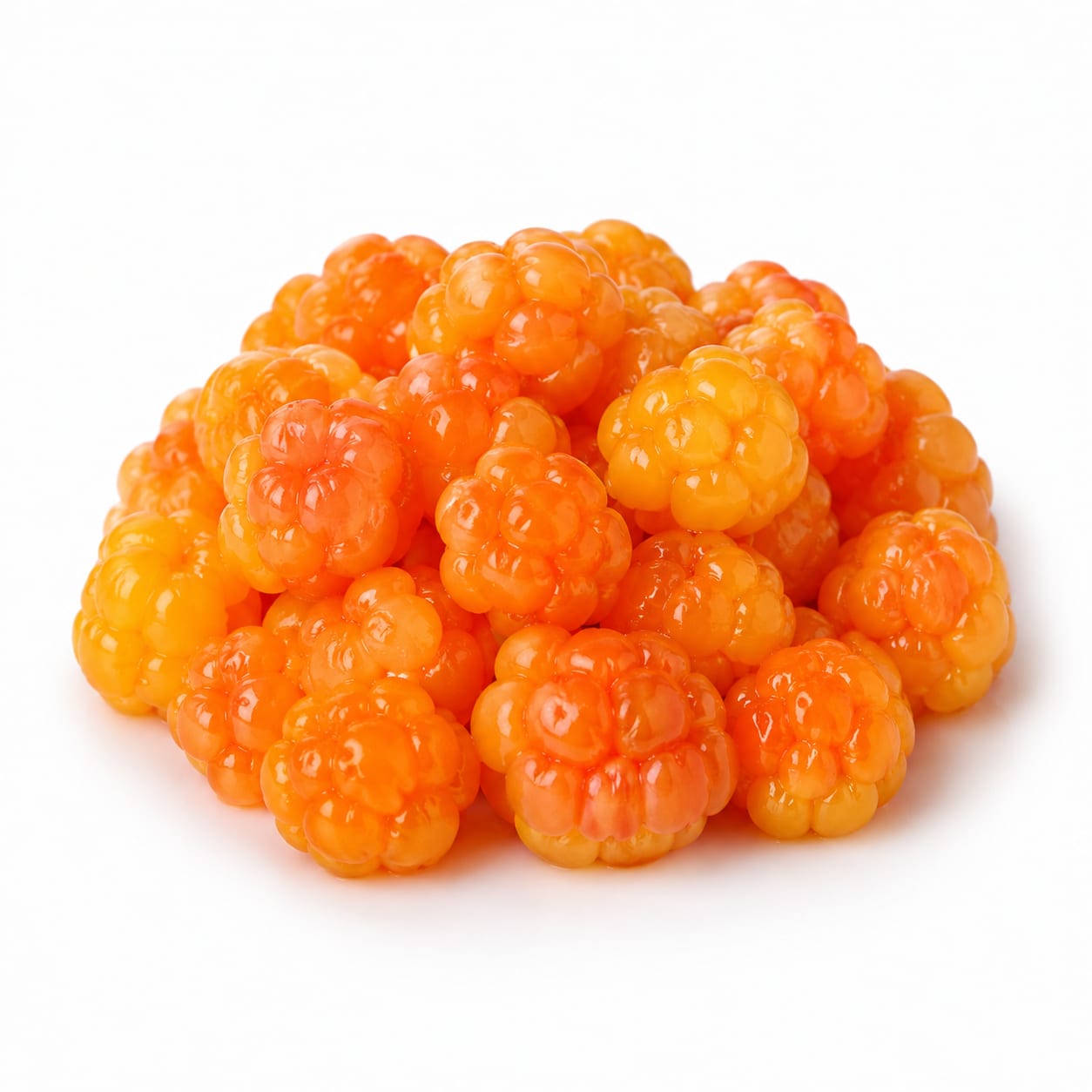
Cloudberry
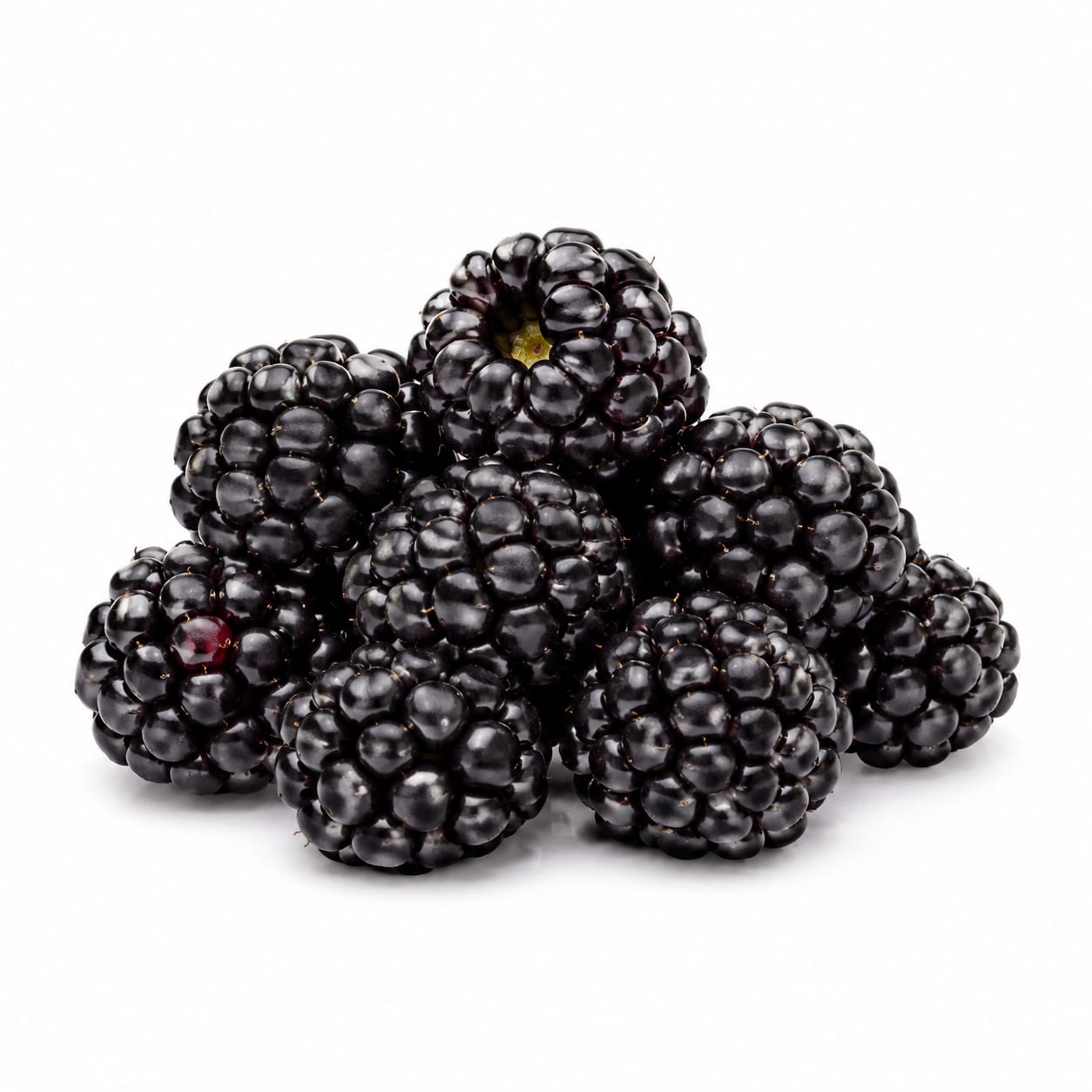
Blackberry
Blackberry wins on fiber, availability, and daily practicality. Cloudberry wins on vitamin C and unique antioxidants but is hard to find fresh.
Blackberry scores higher overall due to superior fiber, wider availability, and lower sugar. Cloudberry earns strong marks for vitamin C and unique antioxidants but loses ground on accessibility and practicality — a berry you cannot buy regularly is a berry you cannot benefit from consistently.
Rare nutrient density versus everyday reliability — Cloudberry offers something special nutritionally, but Blackberry is the berry you can actually eat consistently.
At a glance
Executive summary
Overall
It depends
Healthier
It depends
More practical
Blackberry
Daily use
Blackberry
Key comparison lenses
antioxidant diversity and type
Cloudberry delivers unusual antioxidants like ellagic acid and high vitamin C, while Blackberry offers deep anthocyanins — the comparison hinges on which antioxidant profile matters more for the user
fiber and digestive health
Blackberry is one of the highest-fiber berries available, making this a critical differentiator for gut health and satiety
availability and practical everyday use
Cloudberry is rare and often inaccessible outside Nordic regions, while Blackberry is widely available fresh or frozen year-round
vitamin C and immune support
Cloudberry is notably richer in vitamin C, making it a stronger choice during cold season or for immune-focused diets
sugar content and blood impact
Cloudberry tends to be slightly higher in natural sugars, which matters for low-carb or diabetic users
Best choice for
Cloudberry
- People seeking maximum vitamin C from fruit
- Nordic cuisine enthusiasts with local access
- Those wanting rare ellagic acid and benzoic acid compounds
- Immune system support during winter months
Blackberry
- People prioritizing digestive health and regularity
- Anyone needing a high-fiber, low-sugar snack
- Budget-conscious shoppers wanting maximum berry nutrition
- Those who want a reliable daily berry habit
Least suitable for
Cloudberry
- People outside Scandinavia or Canada seeking fresh berries
- Anyone on a tight grocery budget
- Low-sugar dieters who want the lowest-carb berry option
- Those who need consistent weekly availability
Blackberry
- People specifically targeting very high vitamin C intake
- Those seeking unique or novel antioxidant compounds
- Anyone bored of common berries wanting variety
Deep comparison
Dimension by dimension
Each lens scores both foods and breaks down who each option suits.
- Dimension 1 · Priority 92Blackberry
fiber_and_gut_health
Cloudberry · 45Blackberry · 93Blackberry is a fiber powerhouse with roughly 5-7g per cup, while Cloudberry delivers only about 3-4g.
Tradeoff
Choosing Cloudberry means sacrificing significant digestive and satiety benefits that Blackberry easily provides.
Why it matters
Fiber keeps you full longer, stabilizes blood sugar, and feeds gut bacteria. This is one of the biggest nutritional gaps between the two.
Real-world impact
A cup of Blackberries with breakfast can keep you satisfied until lunch. Cloudberry would leave you hungrier sooner.
Cloudberry
- Feeling full after a berry snack
- Meeting daily fiber goals from fruit alone
Worse for
Blackberry
- Digestive regularity
- Satiety between meals
- Gut microbiome diversity
- Blood sugar stability after eating
Better for
- Dimension 2 · Priority 85Cloudberry
vitamin_c_and_immune_support
Cloudberry · 88Blackberry · 55Cloudberry contains significantly more vitamin C per serving — often double what Blackberry provides.
Tradeoff
If immune support is your priority, Cloudberry is clearly superior, but you may need to rely on preserved forms which can reduce vitamin C content.
Why it matters
Vitamin C directly supports immune function, skin health, and iron absorption. This is Cloudberry's strongest nutritional advantage.
Real-world impact
Eating Cloudberry during cold season could meaningfully boost your vitamin C intake in a way Blackberry simply cannot match.
Cloudberry
- Fighting off seasonal colds
- Supporting collagen and skin health
- Enhancing iron absorption from meals
- Recovery after illness
Better for
Blackberry
- Relying on Blackberry alone for vitamin C targets
- Matching the immune boost of other common fruits like orange or kiwi
Worse for
- Dimension 3 · Priority 88It depends
antioxidant_profile_diversity
Cloudberry · 82Blackberry · 85Blackberry offers deep anthocyanins from its dark pigment, while Cloudberry provides ellagic acid and benzoic acid — different but both valuable.
Tradeoff
Blackberry's anthocyanins are better studied for brain and heart health. Cloudberry's ellagic acid has emerging anti-cancer research but less clinical evidence.
Why it matters
Antioxidant diversity matters more than total quantity. Eating both would be ideal, but if forced to choose, Blackberry's anthocyanin research base is stronger.
Real-world impact
Blackberry's antioxidants have clearer evidence for protecting memory and cardiovascular health over time. Cloudberry's are promising but less proven in human studies.
Cloudberry
- Accessing rare ellagic acid compounds
- Benefiting from natural benzoic acid preservation properties
- Exploring emerging anti-inflammatory research
Better for
- Relying on less clinically validated antioxidant research
Worse for
Blackberry
- Brain health and cognitive protection
- Heart and vascular health
- Reducing oxidative stress from exercise
Better for
- Missing the unique compounds only found in amber-colored berries
Worse for
- Dimension 4 · Priority 75Blackberry
sugar_and_blood_impact
Cloudberry · 58Blackberry · 82Blackberry is one of the lowest-sugar berries available. Cloudberry is moderately higher in natural sugars.
Tradeoff
For low-carb or diabetic diets, Blackberry is clearly the safer daily choice. Cloudberry's extra sugar is not excessive but adds up if eaten frequently.
Why it matters
Even natural sugars affect blood sugar and cravings. Lower sugar berries let you eat larger portions without metabolic concern.
Real-world impact
You can eat a full cup of Blackberries for under 7g of sugar. The same amount of Cloudberry could approach 10-12g depending on ripeness.
Cloudberry
- Monitoring carbohydrate intake closely
- Using berries as an unlimited snack
Worse for
Blackberry
- Keto and low-carb diets
- Diabetic meal planning
- Reducing sugar cravings
- Eating larger berry portions guilt-free
Better for
- Dimension 5 · Priority 90Blackberry
availability_and_practicality
Cloudberry · 20Blackberry · 92Blackberry is available fresh or frozen in virtually every grocery store. Fresh Cloudberry is nearly impossible to find outside Nordic countries and parts of Canada.
Tradeoff
Nutrition only matters if you can actually eat the food. Cloudberry's rarity makes it a specialty item, not a staple.
Why it matters
Consistency drives health outcomes. A berry you eat three times a week beats a berry you eat once a year on vacation.
Real-world impact
Most people reading this comparison can buy Blackberries today. Finding fresh Cloudberries would require specialty import, travel, or settling for preserved versions with added sugar.
Cloudberry
- Experiencing a unique Nordic delicacy when traveling
- Enjoying preserved Cloudberry products as an occasional treat
Better for
- Building any consistent dietary habit
- Finding fresh fruit without specialty sourcing
- Avoiding added sugars in preserved versions
Worse for
Blackberry
- Weekly meal prep and grocery shopping
- Consistent daily berry consumption
- Budget-friendly berry nutrition
- Finding organic options easily
Better for
- Dimension 6 · Priority 78Blackberry
satiety_and_fullness
Cloudberry · 48Blackberry · 85Blackberry's high fiber and lower sugar create a more filling, steadier eating experience. Cloudberry digests faster and leaves you hungrier sooner.
Tradeoff
If you want a berry that actually tides you over between meals, Blackberry is the clear winner.
Why it matters
Satiety determines whether a snack helps or hurts your overall calorie intake. A filling berry prevents overeating later.
Real-world impact
Blackberries as an afternoon snack can genuinely reduce dinner portion sizes. Cloudberries feel more like a light treat that disappears quickly.
Cloudberry
- Relying on Cloudberry alone to manage hunger
- Using it as a standalone satiety snack
Worse for
Blackberry
- Afternoon snack that prevents overeating at dinner
- Breakfast addition that extends morning fullness
- Post-workout hunger management without excess calories
Better for
Timeline
Health impact over time
Short-term
Hours to days
Cloudberry
- Noticeable vitamin C boost supporting same-day immune function
- Moderate blood sugar rise due to higher natural sugar content
- Quick-digesting fruit that provides rapid but short-lived energy
- Mild diuretic effect from natural benzoic acid content
Blackberry
- Immediate feeling of fullness from dense fiber content
- Minimal blood sugar disruption thanks to low sugar and high fiber pairing
- Steady energy release without crash
- Support for same-day digestive regularity
Long-term
Months to years
Cloudberry
- Consistent vitamin C intake supports skin elasticity and wound healing over years
- Ellagic acid may contribute to reduced cancer risk based on emerging research
- Higher sugar intake from frequent consumption could subtly impact metabolic health
- Rare access makes long-term habitual benefits unlikely for most people
Blackberry
- High fiber intake reduces risk of heart disease, diabetes, and colorectal cancer over decades
- Anthocyanins protect cognitive function and memory as you age
- Consistent low-sugar fruit habit supports healthy weight maintenance
- Improved gut microbiome diversity from regular prebiotic fiber intake
Risk profile
Safety & processing
Both berries are whole foods when fresh. However, Cloudberry is most commonly found preserved in jams or syrups with added sugar, which significantly changes its health profile. Fresh Blackberry is almost always available in its natural state.
Cloudberry
Added sugar in preserved forms
mediumMost Cloudberries available outside native regions come preserved with significant added sugar, undermining their natural health benefits.
Wild harvesting contamination
lowForaged Cloudberries from wetland areas could carry parasitic contamination if not washed properly, though this is rare.
Blackberry
Pesticide residue on conventional crops
mediumBlackberries are thin-skinned and rank moderately high for pesticide residue. Choosing organic significantly reduces this concern.
Mold and spoilage
lowBlackberries spoil quickly and can develop mold within days. Inspect containers carefully and refrigerate immediately.
Who wins for whom
Audience fit
Same foods, different winners depending on your goal.
children
BlackberryBlackberry is widely available, affordable, and easy to incorporate into kids' meals. Cloudberry's tartness and rarity make it a tough sell for most children.
daily consumption
BlackberryYou can realistically eat Blackberries every day. Most people cannot source fresh Cloudberries more than occasionally, making daily consumption impractical.
diabetes
BlackberryBlackberry's low sugar and high fiber create minimal blood sugar impact, making it one of the safest fruits for diabetic meal plans.
elderly
BlackberryBlackberry's fiber supports digestive regularity, which becomes increasingly important with age. Its anthocyanins also protect cognitive function in older adults.
muscle gain
It dependsNeither berry is a meaningful protein source. Cloudberry's extra vitamin C may slightly aid exercise recovery, but the difference is minimal.
weight loss
BlackberryHigher fiber and lower sugar make Blackberry more filling per calorie, naturally reducing overall food intake throughout the day.
Your move
Decision guide
Choose Cloudberry
- You live in or travel to Scandinavia, northern Canada, or Russia where Cloudberries are accessible fresh
- Vitamin C intake is a top priority for immune support or skin health
- You want to experience unique antioxidants not found in common berries
- You are comfortable with preserved forms and can find low-sugar options
Choose Blackberry
- You want a reliable daily berry with proven long-term health benefits
- Fiber intake and digestive health matter to you
- You are managing blood sugar, weight, or metabolic concerns
- You need an affordable, accessible berry for regular meal prep
- You prefer eating fresh fruit over preserved products
Either works if
- You simply want more berry variety in your diet
- Both are available and you enjoy mixing different antioxidant profiles
- You are neither diabetic nor on a strict low-carb protocol
Avoid both if
- You have a salicylate sensitivity, as both berries contain moderate levels
- You are on a very strict very-low-fiber diet for medical reasons such as pre-surgery prep
Final recommendation
Eat Blackberries as your everyday berry — they deliver consistent fiber, low sugar, and strong antioxidants you can actually rely on. When you encounter fresh or quality-preserved Cloudberries, enjoy them as a vitamin C-rich treat that adds rare compounds to your diet. Consistency wins, and Blackberry is the berry you will actually eat often enough to matter.
Practical
Consumer tips
- 1
Choose organic Blackberries when possible — their thin skin absorbs pesticides more than thicker-skinned fruits
- 2
If buying preserved Cloudberry products, check the sugar content — many jams contain more sugar than fruit
- 3
Frozen Blackberries retain nearly all their nutrients and are often more budget-friendly than fresh
- 4
Add Blackberries to overnight oats or Greek yogurt for a high-fiber breakfast that keeps you full until lunch
- 5
If you find fresh Cloudberries, eat them quickly — they spoil even faster than Blackberries due to their delicate structure
- 6
Mix both berries together when possible to get the broadest antioxidant coverage from different pigment compounds