
Nutrition comparison
Cloudberry vs Lingonberry: Nutrition, Health Benefits & Which Nordic Berry to Choose
Compare cloudberry and lingonberry side by side — vitamin C, sugar content, antioxidants, availability, and health benefits. Find out which Nordic berry fits your diet best.
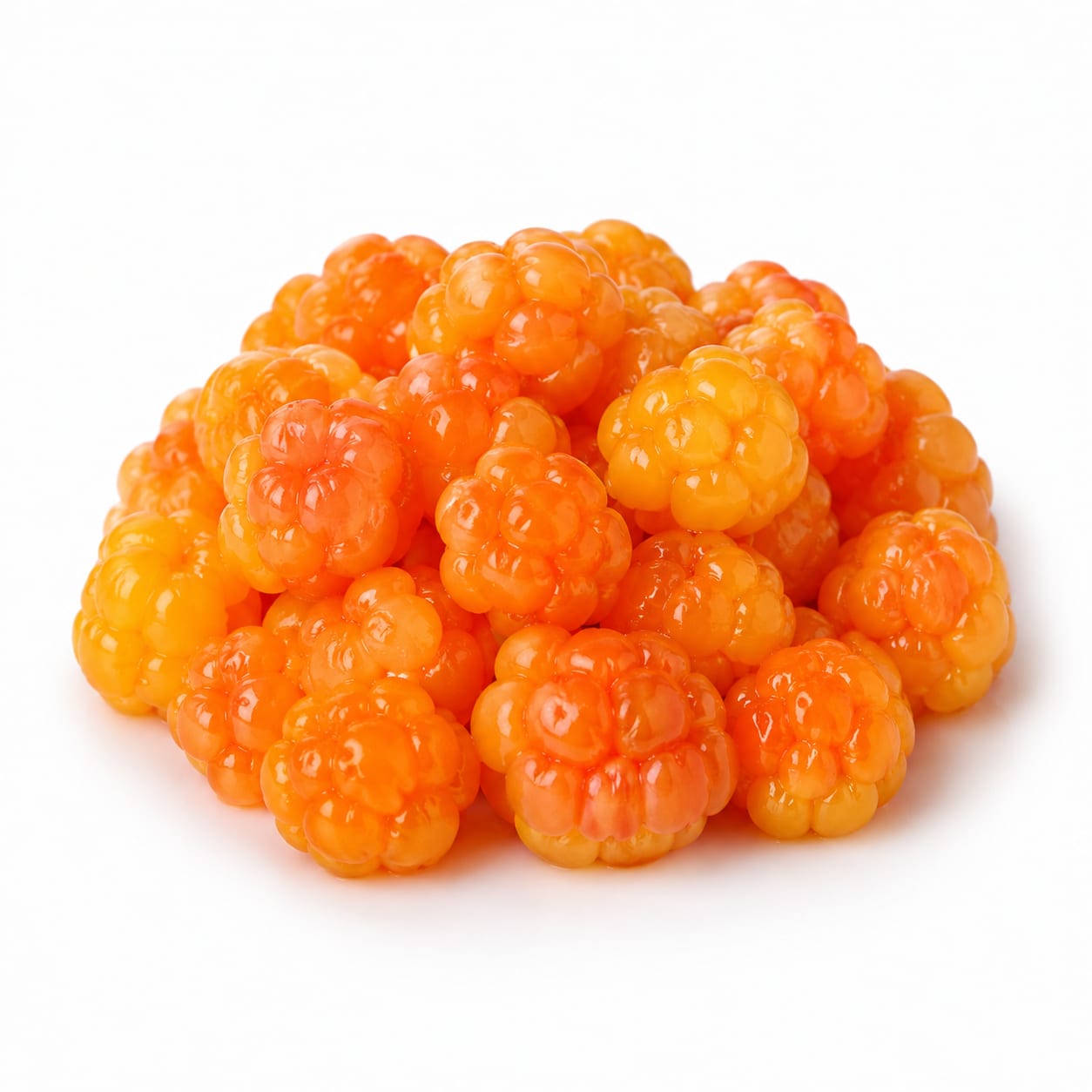
Cloudberry
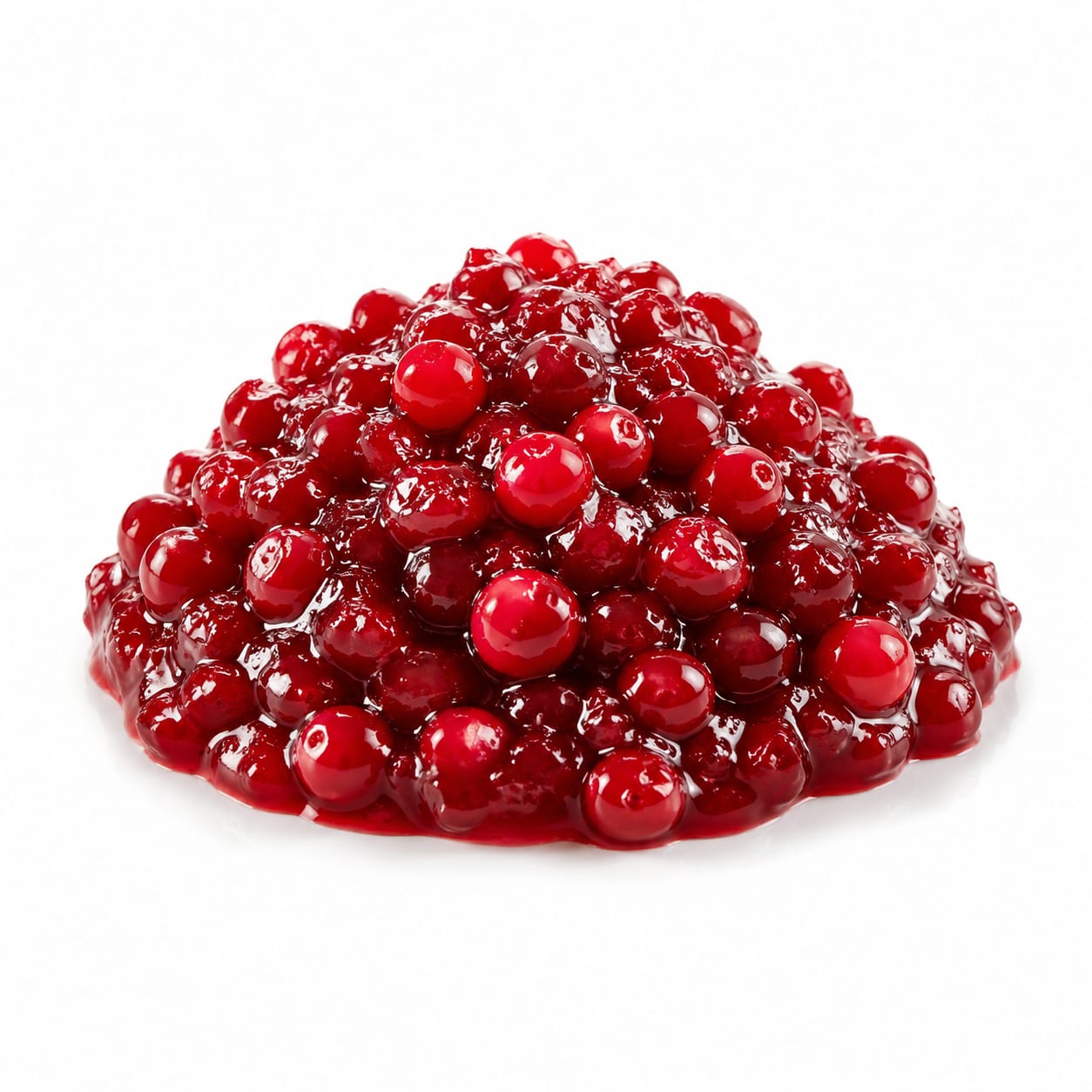
Lingonberry
Lingonberry wins on practicality, lower sugar, and urinary health benefits; cloudberry delivers more vitamin C and a richer, creamier eating experience but is far harder to find.
Lingonberry edges ahead due to broader availability, lower sugar, and more consistent antioxidant research. Cloudberry scores well nutritionally but loses ground on accessibility and everyday practicality.
Cloudberry offers superior vitamin C and a luxurious texture, while lingonberry provides better daily accessibility, stronger antioxidant variety, and fewer calories per serving.
At a glance
Executive summary
Overall
It depends
Healthier
It depends
More practical
Lingonberry
Daily use
Lingonberry
Key comparison lenses
antioxidant and vitamin comparison
Both are Nordic berries prized for unique phytonutrient profiles, so users want to know which delivers more health-protective compounds
sugar and calorie consciousness
Berry comparisons often stem from weight management or blood sugar concerns, making sugar content a key differentiator
availability and everyday practicality
Cloudberry is notoriously rare and seasonal while lingonberry is more accessible, heavily impacting real-world usability
culinary versatility
Users choosing between these berries likely want to know which fits more recipes and eating occasions
urinary and immune health
Lingonberry is known for urinary tract benefits while cloudberry excels in vitamin C, creating a meaningful health tradeoff
Best choice for
Cloudberry
- Boosting vitamin C intake naturally
- Seeking a rare, nutrient-dense delicacy
- Adding creamy texture to desserts without dairy
- Supporting skin health through vitamin E and C combo
Lingonberry
- Managing blood sugar or calorie intake
- Supporting urinary tract health regularly
- Finding a versatile berry for everyday cooking
- Getting a broad spectrum of antioxidants consistently
Least suitable for
Cloudberry
- Budget-conscious weekly meal prep
- People who need reliable year-round availability
- Those watching sugar intake closely
Lingonberry
- Those wanting a sweet, mild berry experience
- People seeking high vitamin C from a single source
- Anyone sensitive to very tart flavors without sweetener
Deep comparison
Dimension by dimension
Each lens scores both foods and breaks down who each option suits.
- Dimension 1 · Priority 90Cloudberry
Vitamin C Content
Cloudberry · 88Lingonberry · 52Cloudberry delivers roughly double the vitamin C of lingonberry, making it a stronger immune-supporting choice.
Tradeoff
You get more vitamin C from cloudberry but sacrifice the convenience and consistency of lingonberry's year-round availability.
Why it matters
Vitamin C supports immune function, skin collagen production, and iron absorption — daily intake matters more than occasional high doses.
Real-world impact
A serving of cloudberry covers a larger chunk of your daily vitamin C needs, which is especially valuable during cold season.
Cloudberry
- Immune support during winter months
- Skin health and collagen maintenance
- Enhancing iron absorption from plant meals
Better for
- Relying on it daily is unrealistic due to scarcity
Worse for
Lingonberry
- Consistent low-level antioxidant intake without sourcing hassle
Better for
- Not a standout vitamin C source on its own
Worse for
- Dimension 2 · Priority 88Lingonberry
Antioxidant Diversity
Cloudberry · 70Lingonberry · 89Lingonberry offers a wider range of well-studied antioxidants including anthocyanins, proanthocyanidins, and quercetin.
Tradeoff
Cloudberry has strong ellagic acid content but a narrower antioxidant spectrum compared to lingonberry's broader polyphenol profile.
Why it matters
A diverse antioxidant intake protects more cellular pathways and provides more comprehensive anti-inflammatory coverage.
Real-world impact
Regular lingonberry consumption is linked to reduced inflammation markers in multiple studies, while cloudberry research remains more limited.
Cloudberry
- Targeted ellagic acid benefits for cellular defense
Better for
- Less research backing its specific antioxidant combinations
Worse for
Lingonberry
- Broader anti-inflammatory protection
- Urinary tract defense via proanthocyanidins
- Cardiovascular support through anthocyanins
Better for
- None significant — this is lingonberry's strength
Worse for
- Dimension 3 · Priority 85Lingonberry
Sugar and Calorie Profile
Cloudberry · 55Lingonberry · 84Lingonberry is notably lower in sugar and calories, making it more blood-sugar-friendly per serving.
Tradeoff
Cloudberry's natural sweetness makes it more palatable raw but comes with a higher glycemic load for a berry.
Why it matters
Lower sugar berries let you eat larger portions without blood sugar spikes, which matters for diabetes management and sustained energy.
Real-world impact
You can enjoy a generous bowl of lingonberries without the energy crash that sweeter berries might trigger.
Cloudberry
- People who find tart berries unpalatable without added sugar
Better for
- Higher sugar means smaller optimal portion sizes
- Less ideal for evening snacking
Worse for
Lingonberry
- Steadier blood sugar throughout the day
- Larger portion sizes without calorie concern
- Weight management and mindful snacking
Better for
- Tartness often requires pairing with other foods or sweetener
Worse for
- Dimension 4 · Priority 82Lingonberry
Availability and Practicality
Cloudberry · 30Lingonberry · 78Lingonberry is commercially farmed and widely available preserved; cloudberry is wild-harvested, seasonal, and expensive.
Tradeoff
Cloudberry's rarity makes it special but impractical as a regular dietary staple, while lingonberry can be stocked year-round.
Why it matters
The healthiest berry is the one you can actually eat consistently — availability trumps theoretical nutrient superiority.
Real-world impact
Most people outside Scandinavia will find cloudberry only in specialty shops or online at premium prices, while lingonberry products are in many grocery stores.
Cloudberry
- Special occasions and unique culinary experiences
- Foraging enthusiasts in subarctic regions
Better for
- Cannot be relied on for daily nutrition
- Expensive per serving compared to most berries
Worse for
Lingonberry
- Reliable weekly meal planning
- Consistent daily health habits
- Budget-friendly antioxidant source
Better for
- Best versions still require specialty store access in some regions
Worse for
- Dimension 5 · Priority 75Lingonberry
Urinary and Gut Health
Cloudberry · 58Lingonberry · 90Lingonberry contains proanthocyanidins that prevent bacteria from adhering to urinary tract walls, similar to cranberry but often considered more potent.
Tradeoff
Cloudberry supports gut health through fiber and benzoic acid but lacks the specific urinary tract protection lingonberry provides.
Why it matters
Recurrent urinary tract infections affect millions, and dietary prevention is safer and more sustainable than antibiotic reliance.
Real-world impact
Regular lingonberry intake can meaningfully reduce UTI recurrence, especially for women prone to infections.
Cloudberry
- General digestive support through fiber content
Better for
- No specific urinary tract research backing
Worse for
Lingonberry
- UTI prevention and urinary tract maintenance
- Gut microbiome support via polyphenols
- Natural antimicrobial protection from benzoic acid
Better for
- None significant for this dimension
Worse for
- Dimension 6 · Priority 70Lingonberry
Culinary Versatility
Cloudberry · 60Lingonberry · 82Lingonberry's tartness pairs with both sweet and savory dishes; cloudberry's delicate creamier texture suits fewer applications.
Tradeoff
Cloudberry shines in desserts and breakfast bowls but struggles in savory contexts where lingonberry excels alongside meats and grains.
Why it matters
A versatile berry gets used more often and reduces food waste, translating to better real-world nutrition.
Real-world impact
Lingonberry jam works with oatmeal, toast, meatballs, and cheese boards — cloudberry is mostly a breakfast and dessert berry.
Cloudberry
- Elegant dessert presentations
- Breakfast bowls and yogurt toppings
Better for
- Delicate texture breaks down in cooking
- Limited savory applications
Worse for
Lingonberry
- Savory pairings with game meats and poultry
- Preserves and condiments for varied meals
- Baking with more structural integrity
Better for
- Requires sweetener or fat pairing for many palates
Worse for
Timeline
Health impact over time
Short-term
Hours to days
Cloudberry
- Noticeable vitamin C boost supporting same-day immune function
- Natural sugars provide quick but mild energy lift
- Creamy texture feels satisfying and dessert-like without heavy calories
Lingonberry
- Rapid antioxidant uptake supporting circulation and inflammation response
- Very low sugar means no energy crash after eating
- Tartness can stimulate digestion and appetite regulation
Long-term
Months to years
Cloudberry
- Consistent vitamin C intake supports skin elasticity and wound healing over time
- Ellagic acid may contribute to cellular defense against oxidative stress
- Rarity makes consistent long-term consumption challenging for most people
Lingonberry
- Regular consumption linked to reduced UTI recurrence in clinical observations
- Broad polyphenol intake supports cardiovascular and cognitive health over decades
- Low sugar profile makes it sustainable for metabolic health long-term
Risk profile
Safety & processing
Both berries are typically consumed in minimally processed forms. However, lingonberry is more commonly found as preserves with added sugar, so check labels. Fresh or frozen versions of both are additive-free and as natural as fruit gets.
Cloudberry
Mold and spoilage due to delicate structure
mediumCloudberries are extremely fragile and spoil quickly after picking. Proper refrigeration and rapid consumption or freezing are essential.
Wild harvesting contamination
lowSince cloudberries are often wild-harvested from bogs and wetlands, there is minor risk of environmental contaminants, though this is rare in clean Nordic regions.
Lingonberry
Added sugar in commercial preserves
mediumMany lingonberry products are jams with significant added sugar, which can undermine the berry's natural low-sugar advantage. Choose unsweetened versions when possible.
Oxalate content
lowLingonberries contain moderate oxalates, which could be a minor concern for people prone to calcium oxalate kidney stones if consumed in very large amounts.
Who wins for whom
Audience fit
Same foods, different winners depending on your goal.
children
CloudberryCloudberry's milder, sweeter taste is more kid-friendly, and the vitamin C supports growing immune systems. Most children find lingonberry too tart without sugar.
daily consumption
LingonberryAvailability, affordability, and a nutrient profile that rewards consistency make lingonberry the more realistic daily choice.
diabetes
LingonberryLingonberry's lower sugar content and glycemic impact make it safer for blood sugar management, especially when consumed without added sweeteners.
elderly
LingonberryLingonberry's urinary tract protection and cardiovascular polyphenols address common elderly health concerns, and its low sugar suits slower metabolisms.
muscle gain
It dependsNeither berry is a meaningful protein source. Both offer antioxidant support for recovery, but neither directly drives muscle growth.
weight loss
LingonberryLower sugar and calorie density per serving make lingonberry easier to enjoy in larger portions without overconsuming calories.
Your move
Decision guide
Choose Cloudberry
- You can source fresh or frozen cloudberries reliably
- Vitamin C intake is a top priority for you
- You want a unique, luxurious berry experience for special meals
- You prefer sweeter berries that need no added sugar to enjoy
Choose Lingonberry
- You want a berry you can eat every day without hassle
- UTI prevention or urinary health matters to you
- You are watching sugar intake or managing blood sugar
- You enjoy tart flavors and want a versatile cooking ingredient
Either works if
- You simply want more berry diversity in your diet
- Antioxidant intake from any Nordic berry fits your goals
- You are rotating seasonal berries and both are available
Avoid both if
- You have a berry allergy or salicylate sensitivity
- You are on a very tight budget and need cheaper fruit sources of vitamin C like oranges or kiwi
Final recommendation
Make lingonberry your everyday berry for its accessibility, low sugar, and urinary health benefits. Treat cloudberry as a special-occasion boost of vitamin C and culinary delight when you can find it. The best approach is using both — lingonberry daily, cloudberry when available — to cover the widest nutrient spectrum.
Practical
Consumer tips
- 1
Choose unsweetened frozen lingonberries over sugar-laden jams to preserve the low-sugar advantage
- 2
If buying cloudberry preserves, check that it lists cloudberry first on the ingredient label, not sugar
- 3
Freeze fresh cloudberries immediately after purchase — they spoil within 1-2 days refrigerated
- 4
Mix lingonberry into oatmeal or yogurt instead of using sweetened jam for a tart, low-sugar flavor boost
- 5
Both berries pair well with healthy fats like nuts or full-fat yogurt, which improve fat-soluble vitamin absorption
- 6
For UTI prevention, 2-3 tablespoons of unsweetened lingonberry daily is a commonly cited effective amount