
Nutrition comparison
Cloudberry vs Blackcurrant: Antioxidant Showdown and Nutritional Comparison
Compare cloudberry and blackcurrant nutrition, antioxidants, vitamin C, and health benefits. Discover which arctic berry wins for immunity, inflammation, and daily use.
Overall winner · Blackcurrant
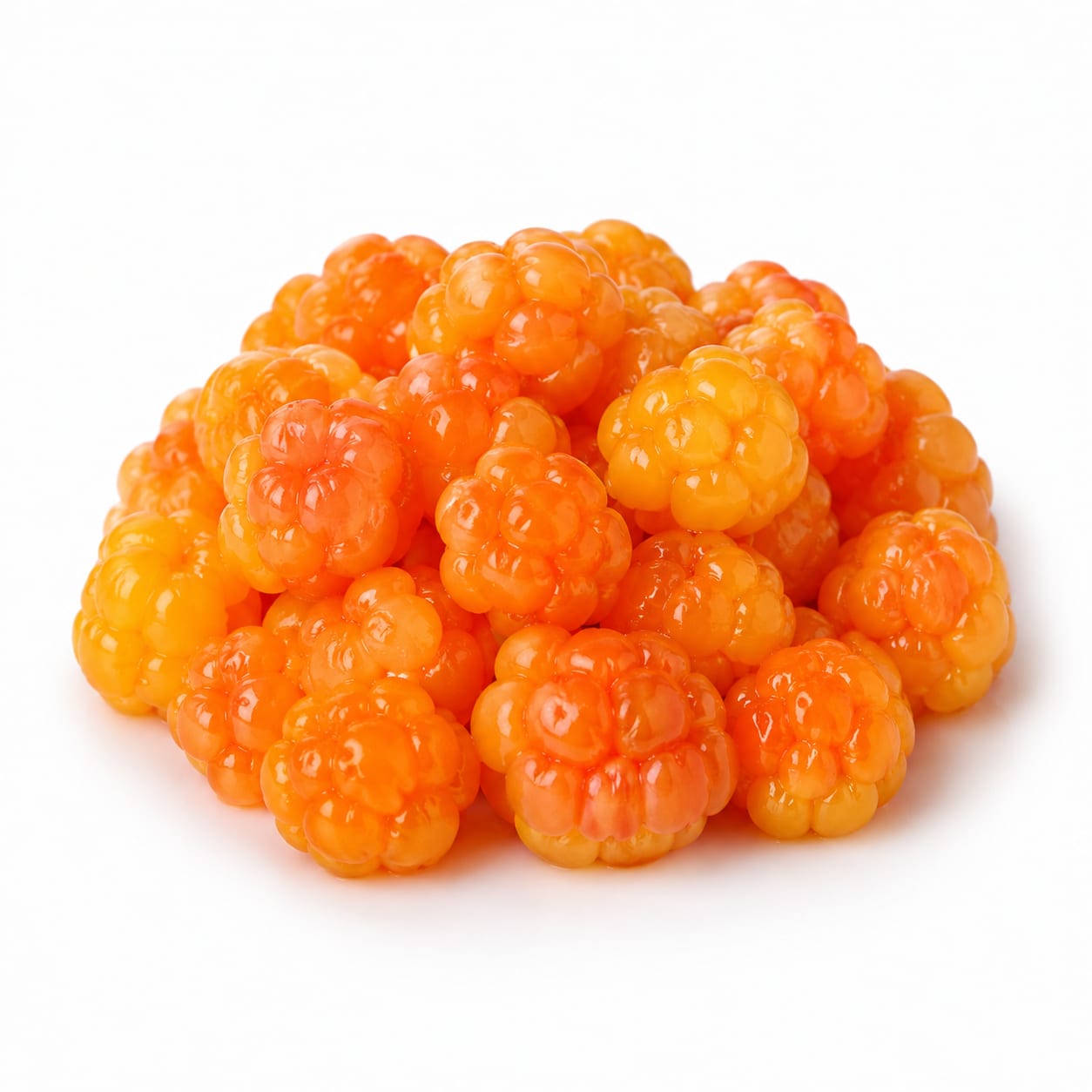
Cloudberry
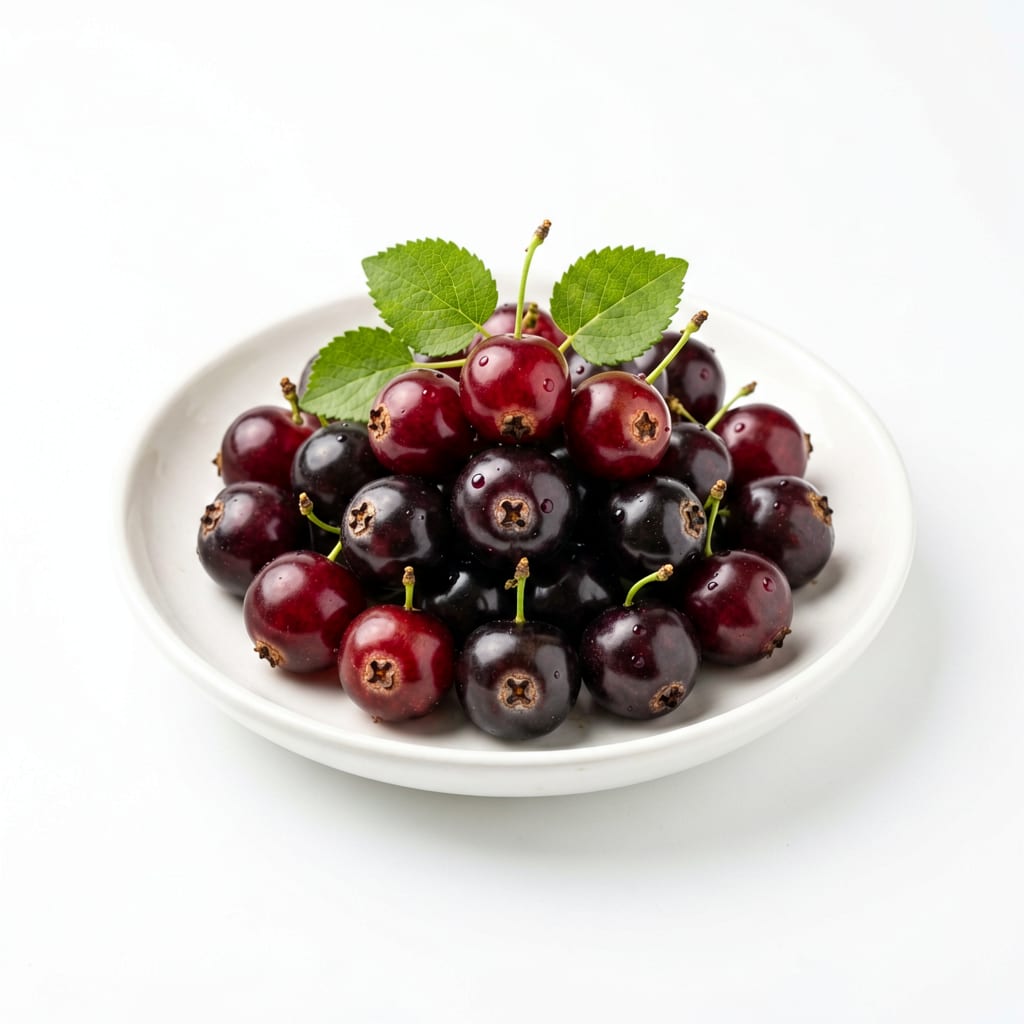
Blackcurrant
Blackcurrant wins on antioxidant density, availability, and daily practicality, while cloudberry offers unique compounds and a milder flavor experience that some may prefer.
Blackcurrant scores higher due to superior antioxidant concentration, wider availability, and stronger evidence for daily health benefits. Cloudberry remains valuable for unique compounds but loses points on accessibility and cost-effectiveness for regular consumption.
Blackcurrant delivers more measurable health firepower per serving, but cloudberry provides rare arctic nutrients and a delicate taste that cannot be replicated.
At a glance
Executive summary
Overall
Blackcurrant
Healthier
Blackcurrant
More practical
Blackcurrant
Daily use
Blackcurrant
Key comparison lenses
antioxidant and immunity comparison
Both berries are renowned for exceptional vitamin C and antioxidant levels, making immune support the primary decision driver
anti inflammatory benefits
Blackcurrant's anthocyanins and cloudberry's ellagic acid offer distinct anti-inflammatory pathways worth comparing
availability and everyday practicality
Cloudberry is rare and seasonal while blackcurrant is more accessible, heavily impacting real-world usability
unique compound value
Blackcurrant contains rare gamma-linolenic acid and cloudberry offers unusual benzoic acid, creating distinct health tradeoffs
blood sugar and weight management
Both are relatively low-sugar berries but differ in fiber profile and glycemic impact
Best choice for
Cloudberry
- People seeking rare arctic antioxidants like ellagic acid
- Those who prefer milder, less tart berry flavors
- Anyone wanting natural benzoic acid for gut health
- Nordic cuisine enthusiasts and culinary explorers
Blackcurrant
- Maximum vitamin C and immune support seekers
- Athletes needing anti-inflammatory recovery support
- People wanting omega-6 GLA from a fruit source
- Those prioritizing daily antioxidant intake on a budget
Least suitable for
Cloudberry
- Anyone needing consistent daily supply at reasonable cost
- People who dislike tart or unusual flavors
- Budget-conscious shoppers wanting regular berry consumption
Blackcurrant
- People sensitive to very tart or astringent flavors
- Those on blood-thinning medications due to vitamin K content
- Anyone seeking a mild, easy-eating snack berry
Deep comparison
Dimension by dimension
Each lens scores both foods and breaks down who each option suits.
- Dimension 1 · Priority 95Blackcurrant
vitamin_c_and_immune_power
Cloudberry · 75Blackcurrant · 96Blackcurrant is one of the richest vitamin C sources among all berries, delivering roughly 3-4 times more per serving than cloudberry.
Tradeoff
Cloudberry still provides solid vitamin C content that exceeds most common fruits, but cannot compete with blackcurrant's exceptional levels.
Why it matters
Higher vitamin C means stronger immune defense, better collagen formation, and faster recovery from oxidative stress.
Real-world impact
A single serving of blackcurrant can cover most of your daily vitamin C needs, while cloudberry covers about a quarter.
Cloudberry
- Gentle immune maintenance without overwhelming intake
Better for
- Situations demanding peak immune support quickly
Worse for
Blackcurrant
- Fighting off colds during winter season
- Post-workout recovery and oxidative stress reduction
- Anyone wanting maximum vitamin C from whole food sources
Better for
- People already supplementing high-dose vitamin C who risk exceeding comfortable intake
Worse for
- Dimension 2 · Priority 90Blackcurrant
antioxidant_diversity_and_depth
Cloudberry · 78Blackcurrant · 92Blackcurrant's deep purple anthocyanins provide broader antioxidant coverage, while cloudberry's golden hue reflects a different but narrower antioxidant profile.
Tradeoff
Cloudberry offers ellagic acid which blackcurrant has less of, giving it a unique anti-cancer angle, but blackcurrant's total antioxidant capacity is significantly higher.
Why it matters
Broader antioxidant protection means better defense against diverse sources of cellular damage from aging, pollution, and stress.
Real-world impact
Regular blackcurrant consumption correlates more strongly with reduced inflammatory markers in research, while cloudberry's benefits are promising but less studied.
Cloudberry
- Targeted ellagic acid intake for cellular defense
- Those wanting antioxidant variety beyond anthocyanins
Better for
- Situations requiring maximum ORAC value per serving
Worse for
Blackcurrant
- Comprehensive daily antioxidant insurance
- Reducing exercise-induced inflammation
- Eye health support from specific anthocyanins
Better for
- People specifically seeking ellagic acid research benefits
Worse for
- Dimension 3 · Priority 82It depends
unique_beneficial_compounds
Cloudberry · 85Blackcurrant · 88Blackcurrant uniquely provides gamma-linolenic acid, a rare omega-6 fat with anti-inflammatory properties, while cloudberry offers benzoic acid for natural antimicrobial gut support.
Tradeoff
GLA from blackcurrant may help with joint pain and skin conditions, whereas benzoic acid from cloudberry supports digestive health and natural food preservation.
Why it matters
These rare compounds differentiate the berries beyond standard vitamin and mineral comparisons and may matter for specific health goals.
Real-world impact
Someone with arthritis might notice more tangible benefit from blackcurrant's GLA, while someone with gut flora concerns might appreciate cloudberry's antimicrobial edge.
Cloudberry
- Natural gut microbiome support through benzoic acid
- Those interested in traditional Nordic food preservation benefits
Better for
- Those specifically seeking plant-based omega-6 GLA
Worse for
Blackcurrant
- Joint and skin inflammation relief through GLA
- Women experiencing hormonal inflammatory responses
- Athletes managing chronic training inflammation
Better for
- People wanting natural antimicrobial digestive support
Worse for
- Dimension 4 · Priority 80Blackcurrant
availability_and_practicality
Cloudberry · 35Blackcurrant · 78Blackcurrant is widely available frozen, in supplements, and sometimes fresh across many markets. Cloudberry is essentially a specialty item rarely found outside Scandinavia.
Tradeoff
Cloudberry's rarity makes it exciting and unique but impractical for consistent daily nutrition. Blackcurrant can be sourced year-round in most regions.
Why it matters
The healthiest berry only matters if you can actually obtain and eat it regularly.
Real-world impact
Most people can find blackcurrant products at health stores or online within days. Cloudberry may require specialty import, high shipping costs, or substitution with preserves.
Cloudberry
- Special occasions and culinary experiences where uniqueness matters
Better for
- Building a reliable daily nutrition routine
- Families needing affordable regular fruit options
Worse for
Blackcurrant
- Consistent daily berry consumption habits
- Budget-friendly antioxidant sourcing
- Anyone living outside Nordic countries
Better for
- Culinary applications requiring delicate or unusual flavor
Worse for
- Dimension 5 · Priority 72Cloudberry
blood_sugar_and_weight_friendliness
Cloudberry · 82Blackcurrant · 76Both berries are low-sugar, high-fiber options, but cloudberry has slightly lower sugar content and a gentler impact on blood sugar.
Tradeoff
Blackcurrant's higher sugar is still modest by fruit standards, and its fiber content helps buffer the glycemic response effectively.
Why it matters
For people monitoring blood sugar closely, every gram of sugar matters, but both berries remain excellent choices compared to most fruits.
Real-world impact
A bowl of either berry won't spike blood sugar meaningfully, but cloudberry gives a slight edge for very sensitive individuals.
Cloudberry
- Strict low-carb or keto-adjacent eaters
- Diabetics being extra cautious about fruit sugar
Better for
- Post-workout situations where more carbohydrate supports recovery
Worse for
Blackcurrant
- Active people who benefit from slightly more carbohydrate fuel
Better for
- Very insulin-resistant individuals counting every sugar gram
Worse for
- Dimension 6 · Priority 68It depends
taste_and_eating_enjoyment
Cloudberry · 74Blackcurrant · 70Cloudberry offers a unique sweet-tart-apricot-like flavor that many find more approachable, while blackcurrant is intensely tart and bold.
Tradeoff
Blackcurrant's intensity makes it excellent for jams, juices, and cooking but challenging to eat plain. Cloudberry's delicate flavor is easier to enjoy fresh but can feel underwhelming in cooked dishes.
Why it matters
Taste determines whether you actually eat the berry consistently, which matters more than marginal nutrient differences.
Real-world impact
Kids and picky eaters often prefer cloudberry's milder profile, while blackcurrant lovers tend to be bold flavor enthusiasts.
Cloudberry
- Fresh snacking and delicate dessert toppings
- Introducing berries to people who find tart fruit unpleasant
Better for
- Recipes requiring strong berry presence through dairy or flour
Worse for
Blackcurrant
- Bold flavor applications like jams, syrups, and smoothies
- Culinary uses where berry intensity needs to shine through other ingredients
Better for
- Casual fresh eating by those sensitive to sour flavors
Worse for
Timeline
Health impact over time
Short-term
Hours to days
Cloudberry
- Mild immune boost from vitamin C and benzoic acid
- Gentle digestive support through natural antimicrobial compounds
- Moderate energy without blood sugar spikes
Blackcurrant
- Rapid antioxidant surge noticeable in reduced post-exercise soreness
- Strong immune system support during cold season
- Noticeable anti-inflammatory effect for joint discomfort
Long-term
Months to years
Cloudberry
- Potential cellular protection from ellagic acid against oxidative damage
- Sustained gut microbiome diversity through benzoic acid exposure
- Consistent low-glycemic fruit intake supporting metabolic health
Blackcurrant
- Significant reduction in chronic inflammatory markers with regular consumption
- Eye health preservation from high anthocyanin intake
- Cardiovascular protection through improved vascular function and antioxidant capacity
Risk profile
Safety & processing
Both berries are naturally whole foods when consumed fresh or frozen. However, cloudberry is frequently found as preserves or jams with added sugar due to its rarity, while blackcurrant is more commonly available in pure frozen form without additives.
Cloudberry
Added sugar in preserved forms
mediumMost cloudberry products outside Scandinavia are jams or preserves with significant added sugar, which undermines the berry's natural low-sugar advantage.
Limited sourcing transparency
lowWild-harvested cloudberries from arctic regions may have variable quality control compared to commercially farmed berries.
Blackcurrant
Pesticide residue on conventional crops
mediumCommercially farmed blackcurrants may carry pesticide residues; choosing organic reduces this concern significantly.
Vitamin K interaction with blood thinners
mediumBlackcurrant contains meaningful vitamin K which can interfere with anticoagulant medications like warfarin at high consumption levels.
Who wins for whom
Audience fit
Same foods, different winners depending on your goal.
children
CloudberryCloudberry's milder, sweeter flavor is more kid-friendly than blackcurrant's intense tartness, making it easier to incorporate into children's diets without added sugar.
daily consumption
BlackcurrantBlackcurrant's availability, affordability, and higher nutrient density make it far more practical for consistent daily intake.
diabetes
CloudberryLower sugar content and gentler blood sugar impact give cloudberry a slight edge, though both berries are far superior to most fruit options for blood sugar management.
elderly
BlackcurrantBlackcurrant's superior vitamin C, anti-inflammatory properties, and eye-health anthocyanins address concerns more common in aging populations.
muscle gain
BlackcurrantBlackcurrant's anti-inflammatory anthocyanins and GLA support faster recovery between training sessions, and its slightly higher carbohydrate aids glycogen replenishment.
weight loss
CloudberrySlightly lower sugar and calorie density make cloudberry a marginally better choice for strict calorie counting, though both are excellent weight-loss-friendly fruits.
Your move
Decision guide
Choose Cloudberry
- You live in or near Scandinavia where cloudberries are accessible and affordable
- You want a milder berry flavor for fresh eating or delicate recipes
- Blood sugar management is your top priority and every sugar gram counts
- You are specifically interested in ellagic acid or benzoic acid benefits
- You value culinary uniqueness and seasonal eating experiences
Choose Blackcurrant
- You want maximum antioxidant and vitamin C impact per serving
- Daily immune support during cold season is a priority
- You need anti-inflammatory support for joints, skin, or post-exercise recovery
- Availability and cost-effectiveness matter for building consistent habits
- You enjoy bold tart flavors or primarily use berries in smoothies and cooking
Either works if
- You simply want a low-sugar, high-antioxidant alternative to common berries like strawberries or blueberries
- You rotate berries seasonally for nutrient diversity
- You are generally healthy and either berry would be a positive dietary addition
Avoid both if
- You have a salicylate sensitivity, as both berries contain moderate levels
- You are on strict blood-thinning medication and have not consulted your doctor about vitamin K intake from berries
Final recommendation
For most people seeking a daily antioxidant powerhouse, blackcurrant is the clear winner due to its superior vitamin C, broader availability, and stronger anti-inflammatory profile. Choose cloudberry when you can access it fresh or afford quality imports, and when its unique compounds or milder flavor align with your specific goals. Both berries far exceed common fruits in nutritional value, so you cannot make a wrong choice between them.
Practical
Consumer tips
- 1
Choose frozen blackcurrants over fresh when available, as freezing preserves anthocyanins exceptionally well and often locks in peak ripeness nutrients
- 2
Avoid cloudberry jams and preserves with added sugar if you want the genuine health benefits, as the sugar content can negate the berry's natural advantages
- 3
Add blackcurrant to post-workout smoothies for a tart, recovery-boosting ingredient that pairs well with protein powder and banana
- 4
If you find fresh cloudberries, eat them within two days as they spoil quickly, or freeze them immediately to preserve their delicate nutrient profile
- 5
Organic blackcurrants are worth the premium if you consume them daily, as conventional farming uses pesticides that concentrate in berry skins
- 6
Try blackcurrant oil supplements if fresh berries are unavailable, as they provide the rare GLA omega-6 without the tartness or sourcing challenges