
Nutrition comparison
Cloudberry vs Strawberry: Nutrition, Sugar, and Which Berry Wins for Your Goals
Compare cloudberry and strawberry on vitamin C, sugar content, omega fats, pesticide exposure, and daily practicality. Find out which berry fits your health goals and lifestyle.
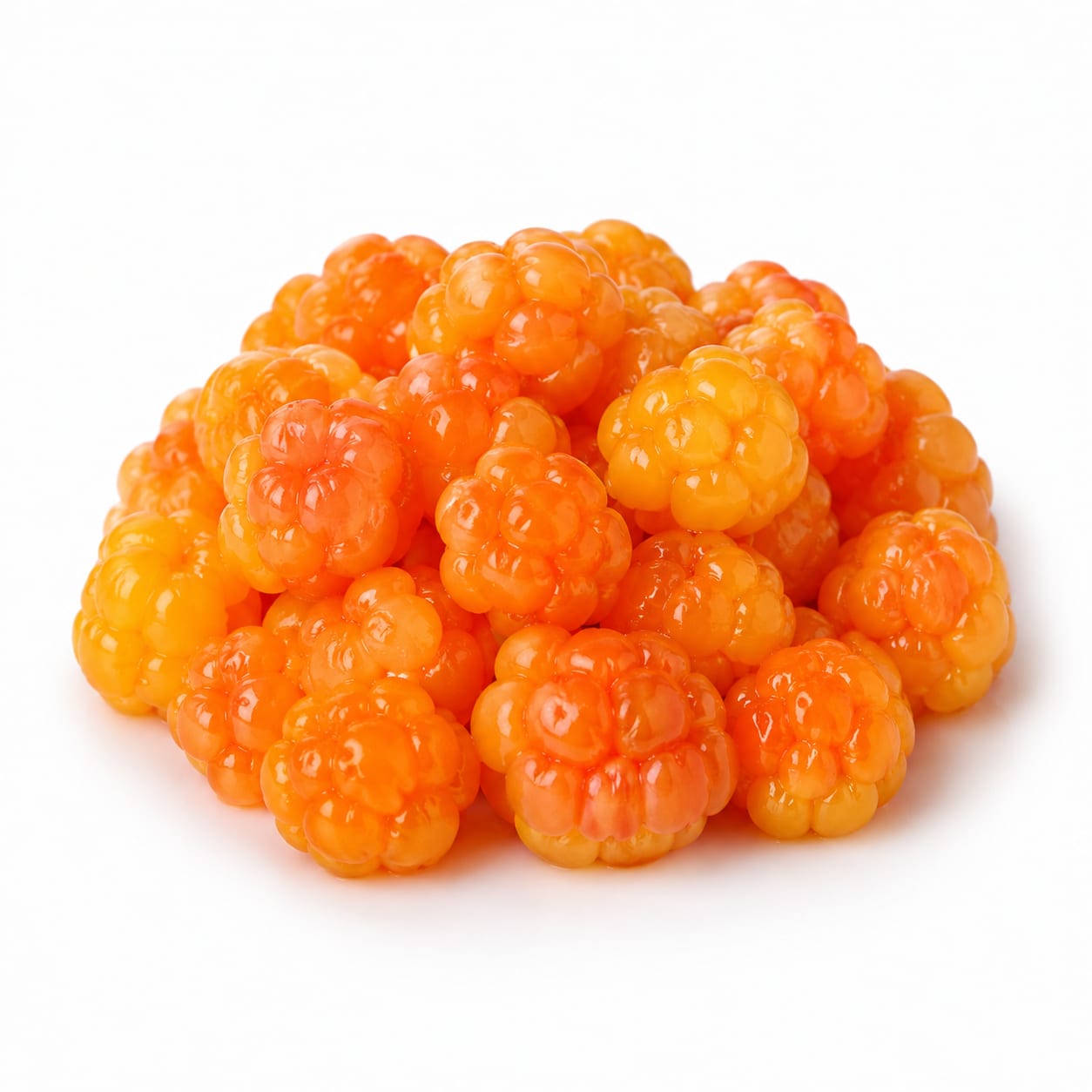
Cloudberry
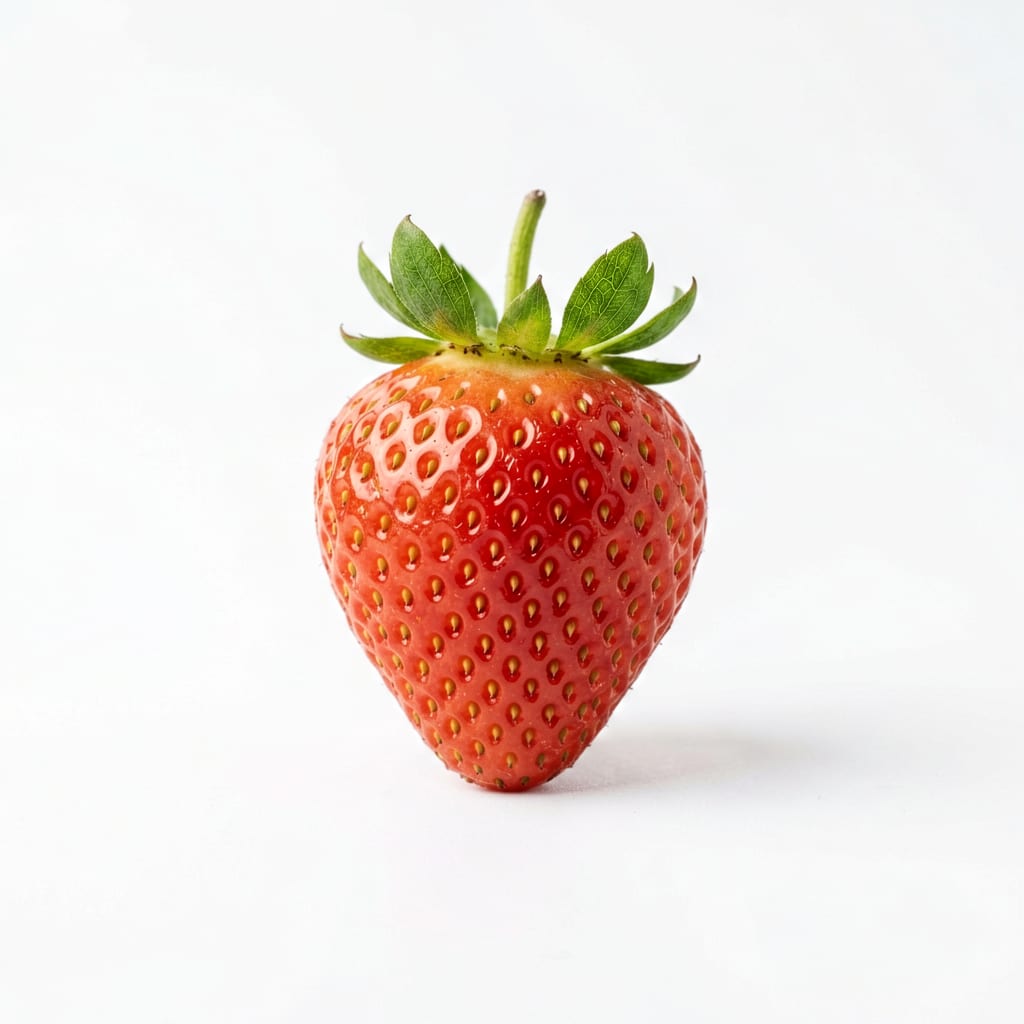
Strawberry
Cloudberry wins nutritionally with more vitamin C, unique omega fats, and less sugar, but strawberry wins on practicality, price, and year-round access.
Cloudberry edges ahead on nutrient density and lower sugar, but strawberry's universal availability and affordability narrow the gap significantly. The low confidence reflects how heavily the winner depends on whether you value rare nutrients or everyday practicality.
Exceptional nutrient density and rarity versus everyday availability and affordability.
At a glance
Executive summary
Overall
It depends
Healthier
Cloudberry
More practical
Strawberry
Daily use
Strawberry
Key comparison lenses
antioxidant diversity and unique compounds
Cloudberry offers rare omega fatty acids and benzoic acid not found in common berries, while strawberry provides well-studied anthocyanins and ellagic acid
availability and everyday practicality
Strawberries are available year-round globally; cloudberries are seasonal and regional, making daily use unrealistic for most people
vitamin C and immune support
Both berries are excellent vitamin C sources, but cloudberry has nearly double the concentration per serving
sugar content and blood impact
Cloudberry is notably lower in sugar, making it relevant for glucose-sensitive users comparing berry options
pesticide and contamination exposure
Strawberries consistently rank on the Dirty Dozen list for pesticide residues; wild cloudberries are typically foraged with minimal chemical exposure
Best choice for
Cloudberry
- Nutrient maximalists seeking rare antioxidants and omega fats
- Low-sugar berry lovers monitoring glucose closely
- Nordic and Arctic cuisine enthusiasts
- Wild foraging advocates wanting minimal pesticide exposure
Strawberry
- Families needing affordable, kid-friendly fruit weekly
- Smoothie and meal-prep builders wanting consistent supply
- Budget-conscious shoppers prioritizing cost per nutrient
- Anyone wanting reliable daily berry consumption year-round
Least suitable for
Cloudberry
- Shoppers who need affordable weekly produce
- People living outside Nordic or Arctic regions without specialty access
- Anyone wanting consistent supply for daily smoothies
- Consumers unfamiliar with tart, unusual flavors
Strawberry
- Those strictly avoiding high-pesticide conventional produce
- People seeking the lowest-sugar berry option
- Consumers wanting novel or rare nutrient profiles
- Individuals looking for omega fatty acids from fruit sources
Deep comparison
Dimension by dimension
Each lens scores both foods and breaks down who each option suits.
- Dimension 1 · Priority 90Cloudberry
vitamin_c_and_immune_potency
Cloudberry · 93Strawberry · 78Cloudberry delivers roughly double the vitamin C per serving compared to strawberry, making it a stronger immune-support choice.
Tradeoff
You get more vitamin C from cloudberry, but only during its short seasonal window or as preserved products.
Why it matters
Higher vitamin C intake directly supports immune resilience, collagen formation, and iron absorption.
Real-world impact
A single cloudberry serving covers most of your daily vitamin C needs; with strawberries, you need roughly two servings to match it.
Cloudberry
- Immune support during cold season
- Collagen and skin health optimization
- Iron absorption enhancement when paired with iron-rich meals
Better for
- Seasonal availability limits consistent immune support
- Preserved forms may lose some vitamin C potency
Worse for
Strawberry
- Consistent daily vitamin C intake year-round without supply gaps
- Easier to combine with other foods in varied meals
Better for
- Lower concentration means larger portions needed for equivalent intake
Worse for
- Dimension 2 · Priority 88Cloudberry
unique_fatty_acid_profile
Cloudberry · 91Strawberry · 35Cloudberry contains meaningful amounts of omega-3 and omega-6 fatty acids, which is exceptionally rare among berries.
Tradeoff
This unique lipid profile comes in a fruit most people cannot access regularly, limiting real-world benefit.
Why it matters
Plant-based omega-3s support anti-inflammatory pathways and cardiovascular health, and getting them from fruit is unusual.
Real-world impact
Cloudberry provides a small but notable omega-3 boost that no other common berry offers, though it cannot replace fish or flaxseed as a primary source.
Cloudberry
- Plant-based eaters seeking diverse omega-3 sources
- Anti-inflammatory diet followers wanting whole-food options
- Anyone interested in nutrient diversity beyond typical berries
Better for
- Omega-3 quantity is still modest compared to dedicated sources like walnuts or chia seeds
Worse for
Strawberry
- Not applicable — strawberry lacks meaningful fatty acid content
Better for
- Virtually no omega fatty acids to contribute to anti-inflammatory intake
Worse for
- Dimension 3 · Priority 82Cloudberry
sugar_content_and_blood_sugar_impact
Cloudberry · 86Strawberry · 68Cloudberry has significantly less sugar per serving, resulting in a gentler blood sugar response.
Tradeoff
Lower sugar means a tarter flavor that some find less enjoyable, potentially leading to added sweeteners in recipes.
Why it matters
Lower sugar berries help maintain steadier energy and fit more easily into low-carb or glucose-managed eating patterns.
Real-world impact
You can eat cloudberry with less concern about afternoon energy dips or blood sugar spikes, especially if you are insulin-sensitive.
Cloudberry
- Glucose-sensitive individuals monitoring sugar grams
- Low-carb eaters fitting berries into tight macro budgets
- Steady-energy seekers avoiding sugar crashes
Better for
- Tartness may prompt added sugar in preparation, negating the advantage
Worse for
Strawberry
- Active individuals who benefit from natural carbohydrate fuel
- Children who prefer sweeter fruit and may reject tart options
Better for
- Higher sugar load requires more portion awareness for glucose management
Worse for
- Dimension 4 · Priority 85Cloudberry
antioxidant_diversity
Cloudberry · 84Strawberry · 80Cloudberry offers benzoic acid and ellagitannins unique to Arctic berries, while strawberry provides well-researched anthocyanins and fisetin.
Tradeoff
Cloudberry has rarer compounds with less human research; strawberry has extensively studied antioxidants with proven health links.
Why it matters
Diverse antioxidant intake protects cells from different types of oxidative damage and supports long-term disease prevention.
Real-world impact
Eating cloudberry broadens your antioxidant spectrum beyond what common berries provide, but strawberry's antioxidants have stronger clinical backing for heart and brain health.
Cloudberry
- Antioxidant variety seekers wanting compounds not found in typical diets
- Those interested in traditional Nordic food medicine approaches
Better for
- Limited human clinical trials on cloudberry-specific antioxidant effects
Worse for
Strawberry
- Evidence-focused consumers who prefer well-studied antioxidant benefits
- Heart health optimizers benefiting from strawberry's anthocyanin research
Better for
- Less antioxidant novelty compared to rare Arctic berries
Worse for
- Dimension 5 · Priority 90Strawberry
availability_and_affordability
Cloudberry · 22Strawberry · 94Strawberries are available in nearly every grocery store year-round at accessible prices; cloudberries are seasonal, regional, and expensive.
Tradeoff
The most nutritious berry does you no good if you cannot buy or afford it consistently.
Why it matters
Nutritional value only matters when you can actually eat the food regularly. Access determines real-world health impact.
Real-world impact
Most people can eat strawberries multiple times per week. Cloudberries are a specialty treat for most, not a staple.
Cloudberry
- Residents of Nordic or Arctic regions with local foraging access
- Specialty food enthusiasts willing to pay premium prices
Better for
- Nearly impossible to find fresh outside Scandinavia, Canada, and Alaska
- Imported or preserved versions are costly and may lose nutrient potency
Worse for
Strawberry
- Everyday shoppers at any grocery store
- Budget-conscious families feeding multiple people
- Meal preppers needing reliable weekly ingredient sourcing
Better for
- Widespread availability can lead to overconsumption without variety
Worse for
- Dimension 6 · Priority 78Cloudberry
pesticide_and_contamination_exposure
Cloudberry · 88Strawberry · 52Wild cloudberries are typically foraged in pristine Arctic environments with minimal pesticide exposure; conventional strawberries rank among the most pesticide-contaminated fruits.
Tradeoff
Choosing organic strawberries closes the gap significantly, but at higher cost and with limited supply in some areas.
Why it matters
Chronic low-dose pesticide exposure is linked to hormonal disruption and neurological concerns, especially for children and pregnant women.
Real-world impact
If you eat strawberries frequently, choosing organic matters more than for almost any other fruit. Cloudberries essentially bypass this concern entirely.
Cloudberry
- Families wanting minimal pesticide exposure without paying organic premiums
- Wild-food advocates trusting natural foraging environments
Better for
- Foraged berries carry slight risk of environmental contamination from soil if near industrial areas
Worse for
Strawberry
- Organic strawberry buyers who can afford the premium and accept limited seasonal organic supply
Better for
- Conventional strawberries consistently test high for multiple pesticide residues, including some linked to endocrine disruption
Worse for
Timeline
Health impact over time
Short-term
Hours to days
Cloudberry
- Strong vitamin C boost supporting immediate immune function
- Tart flavor promotes mindful, slower eating
- Lower sugar content prevents energy crashes after snacking
Strawberry
- Quick natural energy from moderate sugar content, useful before exercise
- Hydrating due to high water content
- Immediate satisfaction from familiar sweet-tart flavor
Long-term
Months to years
Cloudberry
- Rare omega-3 intake from fruit contributes to cardiovascular and anti-inflammatory benefits over time
- Consistent low-sugar fruit intake supports insulin sensitivity
- Benzoic acid may offer antimicrobial gut benefits with regular consumption
Strawberry
- Well-documented anthocyanin intake linked to reduced heart disease and cognitive decline risk
- Folate content supports cellular repair and healthy pregnancy outcomes
- Frequent consumption of conventional strawberries without organic sourcing may increase cumulative pesticide exposure
Risk profile
Safety & processing
Both berries are whole, unprocessed foods in their natural state. Cloudberry is almost always wild-foraged, while strawberries range from organic field-grown to conventional with pesticide residues. The processing concern is minimal for both; the real difference is agricultural chemical exposure.
Cloudberry
Misidentification during foraging
mediumAmateur foragers could confuse cloudberries with other wild berries; proper identification knowledge is essential.
Environmental contamination in foraging areas
lowCloudberries grow in remote Arctic wetlands, generally far from industrial pollution, but soil testing is never guaranteed.
Strawberry
Pesticide residue exposure
highStrawberries consistently appear at or near the top of the EWG Dirty Dozen list, frequently testing positive for multiple pesticide residues including some with known health concerns.
Mold and spoilage
mediumStrawberries are highly perishable and prone to mold within days, which can produce mild mycotoxins if consumed unknowingly.
Who wins for whom
Audience fit
Same foods, different winners depending on your goal.
children
StrawberryStrawberry's sweeter taste and familiar texture make it far more likely that kids will actually eat it, and its folate content supports growth.
daily consumption
StrawberryYear-round availability, affordable pricing, and culinary versatility make strawberry the only realistic daily berry option for most people worldwide.
diabetes
CloudberrySignificantly less sugar per serving means a gentler glucose response, though both berries are reasonable choices in moderation.
elderly
StrawberryStrawberry's well-studied anthocyanins support cognitive health and its soft texture is easy to consume, plus consistent access supports daily habits.
muscle gain
StrawberryStrawberry provides slightly more natural carbohydrate fuel around workouts and is easy to blend into protein shakes year-round.
weight loss
CloudberryLower sugar and calorie density make cloudberry easier to fit into a deficit, though strawberry's availability makes it more practical for consistent use.
Your move
Decision guide
Choose Cloudberry
- You live in or visit Nordic regions where cloudberries are accessible fresh or affordably preserved
- You prioritize nutrient density and rare compounds over everyday convenience
- You are monitoring sugar intake closely and want the lowest-sugar berry option
- You want to minimize pesticide exposure without paying organic premiums
- You enjoy tart, complex flavors and treat food as exploration
Choose Strawberry
- You need a reliable, affordable berry you can buy any week of the year
- You are feeding a family and want kid-friendly fruit that gets eaten without complaint
- You build smoothies, oatmeal bowls, or meal-prep routines requiring consistent ingredients
- You can source organic strawberries and want well-researched antioxidant benefits
- You value practicality and habit sustainability over peak nutrient density
Either works if
- You simply want more berry variety in your diet regardless of which one
- You are meeting vitamin C needs and both options fit your meal plan
- You enjoy rotating seasonal fruits and treat both as complementary rather than competing
Avoid both if
- You have a salicylate sensitivity, as both berries contain moderate levels
- You are on a very strict potassium-restricted diet for kidney disease, as both contribute meaningful potassium
Final recommendation
Eat strawberries as your daily berry staple — they are available, affordable, and well-proven. When you can access cloudberries, treat them as a nutritional upgrade and a flavor adventure. The ideal approach is not choosing one over the other, but using strawberry for consistency and cloudberry for nutrient diversity when the opportunity arises.
Practical
Consumer tips
- 1
If you eat strawberries frequently, spend the extra money on organic — they are one of the highest-pesticide conventional fruits available
- 2
Cloudberry preserves and jams retain much of the vitamin C and omega fat content and are easier to find than fresh berries outside Nordic regions
- 3
Freeze strawberries at peak ripeness to preserve nutrients and avoid spoilage waste
- 4
Pair either berry with a fat source like yogurt or nuts to improve absorption of fat-soluble antioxidants
- 5
If foraging cloudberries, go with an experienced guide and avoid areas near roads or industrial sites
- 6
Add cloudberry to savory dishes like fish or game meats — its tartness works brilliantly as a condiment, not just dessert