
Nutrition comparison
Cloudberry vs Redcurrant: Nutrition, Taste, and Which Berry to Choose
Compare Cloudberry and Redcurrant side by side. Discover which berry wins for vitamin A, vitamin K, omega-3, sugar content, and everyday practicality.
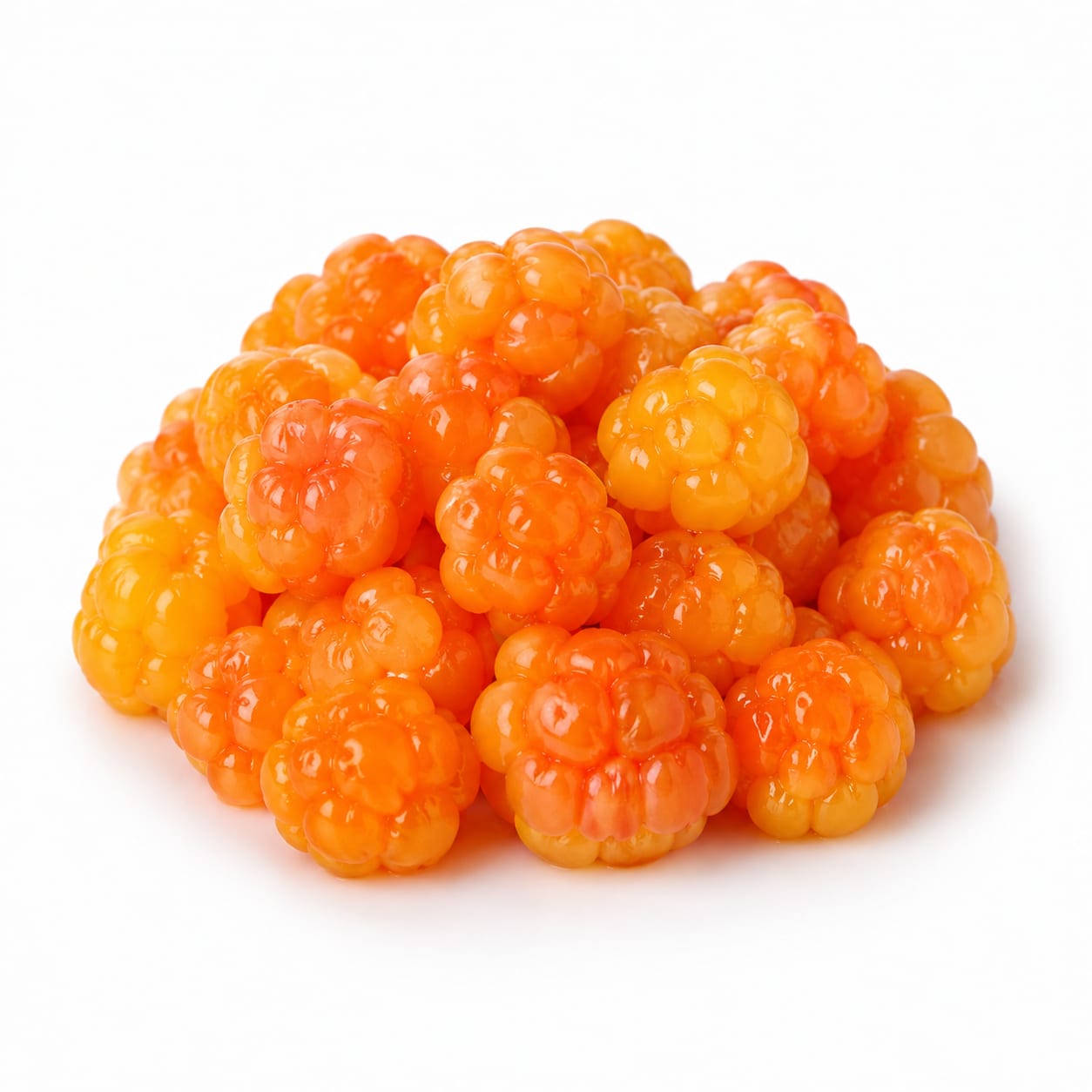
Cloudberry
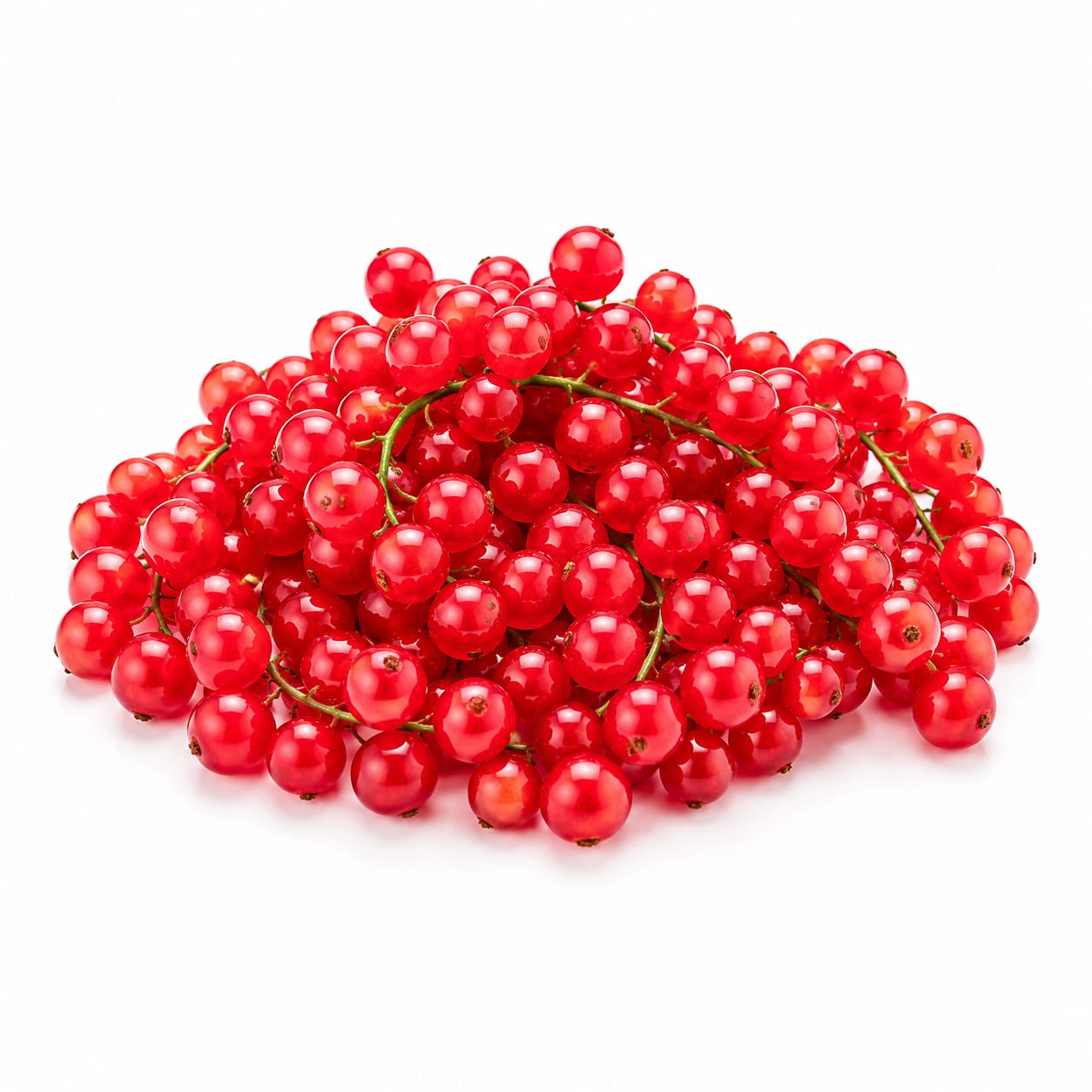
Redcurrant
Cloudberry wins on rare nutrients and vitamin A but is hard to find and expensive. Redcurrant is the practical daily champion with wider availability and strong vitamin K.
Redcurrant edges ahead due to practicality, availability, and vitamin K content. Cloudberry scores well nutritionally but loses ground on accessibility and cost, which matter enormously for sustained daily use.
Exotic nutritional uniqueness versus everyday accessibility and affordability.
At a glance
Executive summary
Overall
It depends
Healthier
It depends
More practical
Redcurrant
Daily use
Redcurrant
Key comparison lenses
antioxidant diversity and unique phytonutrients
Cloudberry offers rare carotenoids and omega fatty acids while Redcurrant delivers anthocyanins and vitamin K, making their antioxidant profiles fundamentally different
availability and everyday practicality
Cloudberry is a rare Arctic delicacy while Redcurrant is widely cultivated and accessible, creating a major real-world decision factor
vitamin C and immune support
Both are exceptional vitamin C sources but through different concentrations and bioavailability contexts
culinary versatility
Redcurrant's tart firmness suits jams and garnishes broadly, while Cloudberry's delicate texture limits but elevates specific dishes
sugar content and ketogenic compatibility
Both are low-sugar berries but Redcurrant is slightly lower, relevant for strict low-carb contexts
Best choice for
Cloudberry
- Seeking rare carotenoids and omega-3 from fruit sources
- Nordic cuisine enthusiasts wanting authentic flavors
- Vitamin A support for skin and eye health
- Those wanting a unique antioxidant profile unavailable in common berries
Redcurrant
- Consistent daily berry consumption on a budget
- Vitamin K support for bone and blood health
- Home gardeners wanting productive berry bushes
- Culinary use in jams, jellies, and garnishes
Least suitable for
Cloudberry
- Anyone on a tight grocery budget
- People needing reliable weekly availability
- Those who dislike tart-sweet flavor combinations
- Tropical or subtropical region residents
Redcurrant
- Those seeking omega-3 from fruit
- People wanting significant beta-carotene intake from berries
- Anyone specifically seeking vitamin A from a berry source
- Those who find very tart flavors unpleasant
Deep comparison
Dimension by dimension
Each lens scores both foods and breaks down who each option suits.
- Dimension 1 · Priority 92Cloudberry
antioxidant_profile_diversity
Cloudberry · 88Redcurrant · 80Cloudberry delivers rare carotenoids and ellagic acid alongside unusual omega fatty acids for a berry. Redcurrant counters with potent anthocyanins but a more conventional profile.
Tradeoff
Cloudberry offers broader antioxidant variety including fat-soluble carotenoids, while Redcurrant provides deeper flavonoid concentration in a more studied context.
Why it matters
Diverse antioxidant types protect different body systems. Carotenoids target eye and skin health; anthocyanins target vascular and cognitive function.
Real-world impact
Eating Cloudberry occasionally adds antioxidant diversity your usual berries cannot match. Redcurrant eaten regularly builds strong cumulative flavonoid benefits.
Cloudberry
- Eye health and night vision support
- Skin protection from UV damage
- Anti-inflammatory variety beyond typical berries
Better for
- Hard to eat enough regularly for cumulative benefit
- Less research on long-term human outcomes
Worse for
Redcurrant
- Blood vessel flexibility and circulation
- Cognitive aging defense
- Consistent daily antioxidant intake
Better for
- Lacks the fat-soluble carotenoid class entirely
- No omega fatty acid contribution
Worse for
- Dimension 2 · Priority 88It depends
vitamin_density
Cloudberry · 84Redcurrant · 86Cloudberry excels in vitamin A and C. Redcurrant excels in vitamin C and K. They target different nutritional needs almost equally.
Tradeoff
Vitamin A versus vitamin K is the real choice here. Both deliver strong vitamin C.
Why it matters
Vitamin A supports vision, immunity, and skin. Vitamin K supports bone density and proper blood clotting. Most people lack both.
Real-world impact
If you eat lots of orange vegetables already, Redcurrant fills your vitamin K gap better. If you lack orange produce, Cloudberry helps more.
Cloudberry
- People low on vitamin A or beta-carotene
- Those not eating carrots or sweet potatoes regularly
- Skin and vision optimization
Better for
- Minimal vitamin K contribution
- Cannot serve as a vitamin K dietary strategy
Worse for
Redcurrant
- People needing vitamin K especially post-surgery or with bone concerns
- Those on blood thinners needing consistent vitamin K intake under medical guidance
- Anyone already getting ample vitamin A from other foods
Better for
- No meaningful vitamin A or beta-carotene
- Does not help close vitamin A gaps
Worse for
- Dimension 3 · Priority 78Cloudberry
omega_fatty_acid_content
Cloudberry · 82Redcurrant · 35Cloudberry contains notable omega-3 and omega-6 fatty acids, extremely rare in berries. Redcurrant has negligible fat content.
Tradeoff
Cloudberry provides a small but meaningful plant omega-3 source. Redcurrant offers nothing in this category.
Why it matters
Most people are deficient in omega-3. Getting it from fruit is unusual and valuable, even if the absolute amount is modest.
Real-world impact
Cloudberry contributes a small omega-3 bonus alongside its other benefits. It will not replace fish or flaxseed but adds to your daily tally.
Cloudberry
- Plant-based eaters seeking diverse omega-3 sources
- Anyone wanting to maximize omega-3 from every food category
- Anti-inflammatory eating patterns
Better for
- Still a small amount compared to dedicated omega-3 sources
Worse for
Redcurrant
- Not applicable for this dimension
Better for
- Essentially zero omega fatty acid contribution
- Relies entirely on other foods for this critical nutrient class
Worse for
- Dimension 4 · Priority 88Redcurrant
availability_and_affordability
Cloudberry · 25Redcurrant · 85Redcurrant is widely cultivated across Europe and North America with reasonable pricing. Cloudberry is an Arctic specialty rarely found fresh outside Scandinavia.
Tradeoff
Nutritional uniqueness comes at the cost of scarcity and high prices. Practicality favors Redcurrant overwhelmingly.
Why it matters
The healthiest berry does nothing if you cannot buy or afford it. Consistency beats perfection in real-world nutrition.
Real-world impact
Redcurrant can be a weekly grocery staple. Cloudberry is more like a seasonal luxury or specialty order that most people will never encounter fresh.
Cloudberry
- Travelers or residents of Nordic countries
- Specialty food enthusiasts willing to pay premium prices
Better for
- Fresh Cloudberry is nearly impossible to find outside Scandinavia
- Imported or preserved versions are expensive and may lose nutrients
- Limits how often you can actually eat it
Worse for
Redcurrant
- Anyone shopping at regular grocery stores
- Budget-conscious health eaters
- Home gardeners in temperate climates
- People who need reliable year-round access
Better for
- Less exciting or novel than Cloudberry
- May feel ordinary compared to exotic alternatives
Worse for
- Dimension 5 · Priority 72Redcurrant
sugar_and_calorie_profile
Cloudberry · 68Redcurrant · 78Both are low-calorie berries but Redcurrant is slightly lower in sugar and calories per serving, making it marginally better for strict low-carb contexts.
Tradeoff
Cloudberry's higher sugar content comes with more vitamin A and omega fats. Redcurrant's lower sugar comes with less caloric density overall.
Why it matters
For most people the difference is negligible. For strict ketogenic or diabetic management, every gram of sugar matters.
Real-world impact
You can eat a larger volume of Redcurrant for the same sugar load. Cloudberry is still very low sugar compared to almost any other fruit.
Cloudberry
- Those wanting slightly more sweetness without turning to high-sugar fruits
- Active people who burn through modest carbohydrate easily
Better for
- Higher sugar means slightly less room in tight carb budgets
- Sweetness may trigger cravings for some
Worse for
Redcurrant
- Strict low-carb or ketogenic eaters
- Diabetics counting every gram of carbohydrate
- Volume eaters wanting more food for fewer calories
Better for
- Very tart flavor may need sweetening, negating the sugar advantage
Worse for
- Dimension 6 · Priority 70Cloudberry
fiber_and_digestive_health
Cloudberry · 76Redcurrant · 72Cloudberry contains slightly more fiber per serving, including soluble fiber from its unique seed composition. Redcurrant is also good but marginally lower.
Tradeoff
The fiber difference is small. Both support healthy digestion adequately for berries.
Why it matters
Fiber stabilizes blood sugar, feeds gut bacteria, and keeps you regular. Berry fiber is among the highest quality sources.
Real-world impact
Neither berry will be your primary fiber source. The difference only matters if you are optimizing every gram.
Cloudberry
- Those counting fiber grams carefully
- Seeds provide beneficial soluble fiber variety
Better for
- Small serving sizes due to cost limit total fiber contribution
Worse for
Redcurrant
- Still a solid fiber source for its weight
- Easier to eat larger volumes due to lower calorie density
Better for
- Slightly less fiber per gram than Cloudberry
Worse for
Timeline
Health impact over time
Short-term
Hours to days
Cloudberry
- Vitamin C boost supporting immediate immune function
- Natural sugars provide gentle energy without crashes
- Carotenoids begin accumulating for skin protection
Redcurrant
- Rapid vitamin C delivery for immune support
- Very low sugar means no blood sugar spike
- Tartness stimulates digestion and saliva production
Long-term
Months to years
Cloudberry
- Consistent carotenoid intake supports eye health aging well
- Omega-3 contribution adds to anti-inflammatory eating patterns
- Ellagic acid may offer cellular protection over decades
Redcurrant
- Anthocyanin accumulation strengthens blood vessels long-term
- Vitamin K supports bone mineral density preservation
- Low sugar habit protects metabolic health sustainably
Risk profile
Safety & processing
Both berries are typically consumed fresh or simply preserved. Cloudberry is sometimes found in jams with added sugar in Nordic countries, which reduces its naturalness advantage. Redcurrant is equally clean when fresh but also commonly processed into jellies with significant added sugar.
Cloudberry
Wild harvesting contamination
lowWild cloudberries may absorb heavy metals from bog soils. Commercial sources are generally safe but foraging requires knowledge of the local soil quality.
Preserved product added sugar
mediumMany Cloudberry products available internationally are preserved in heavy syrup, significantly increasing sugar content and reducing health benefits.
Redcurrant
Pesticide residue on conventional crops
mediumRedcurrants are commercially sprayed in some regions. Their thin skin means washing is important. Organic options are preferable when available.
Oxalate content
lowRedcurrants contain moderate oxalates. Individuals with kidney stone history should moderate intake, though the risk is low for most people.
Who wins for whom
Audience fit
Same foods, different winners depending on your goal.
children
RedcurrantRedcurrant's wider availability and familiar tart-sweet taste make it more practical for kids. Cloudberry's rarity and cost make it an occasional treat at best.
daily consumption
RedcurrantAffordability, availability, and consistent nutritional profile make Redcurrant realistic as a daily staple. Cloudberry is better as a weekly or monthly addition.
diabetes
RedcurrantLower sugar content and glycemic impact make Redcurrant the safer daily choice for blood sugar management.
elderly
CloudberryCloudberry's vitamin A supports aging eyes and its omega-3 content supports joint and brain health, both critical concerns for older adults who can access it.
muscle gain
It dependsNeither berry is relevant for muscle gain directly. Cloudberry's omega-3 may slightly support recovery, but the difference is negligible.
weight loss
RedcurrantLower calories and sugar per serving allow larger portions with less caloric impact. Easier to find and eat consistently.
Your move
Decision guide
Choose Cloudberry
- You live in or visit Scandinavia and can access fresh cloudberries affordably
- Vitamin A and carotenoid intake is a specific priority for your eye or skin health
- You want omega-3 from fruit sources as part of a plant-forward diet
- You are building an antioxidant-diverse eating pattern and lack orange produce
- You enjoy unique culinary experiences and rare ingredients
Choose Redcurrant
- You want a reliable, affordable berry for daily or weekly consumption
- Vitamin K is a priority for bone health or blood clotting support
- You are managing blood sugar or following a low-carb approach
- You grow your own fruit and live in a temperate climate
- You need a versatile berry for cooking, baking, and preserving
Either works if
- You simply want more berry diversity in your diet overall
- You are meeting vitamin C needs and want variety beyond citrus
- You enjoy tart flavors and want alternatives to sweeter fruits
Avoid both if
- You have a severe berry allergy or salicylate sensitivity
- You need high-calorie or high-protein foods and berries are taking plate space from those priorities
Final recommendation
Make Redcurrant your everyday berry for its practicality, vitamin K, and low sugar. When you can find Cloudberry, treat it as a nutritional supplement in fruit form, savoring its rare carotenoids and omega fats. The ideal approach is Redcurrant weekly and Cloudberry whenever the opportunity arises.
Practical
Consumer tips
- 1
Fresh cloudberries spoil quickly. Freeze them within a day of purchase to preserve nutrients and extend usability by months.
- 2
If buying Cloudberry preserves, check the sugar content. Some traditional Nordic preparations add more sugar than the fruit itself.
- 3
Redcurrants freeze exceptionally well. Buy in season during summer and freeze portions for year-round use.
- 4
Growing Redcurrants at home is surprisingly easy in zones 3-5. One mature bush can produce several pounds of berries annually.
- 5
For maximum vitamin C from either berry, eat them raw and fresh. Cooking reduces vitamin C by 30-50 percent.
- 6
Add Redcurrants to savory dishes like sauces for game meats. Their tartness cuts richness better than most berries.
- 7
If you find frozen cloudberries, they retain most of their carotenoid and omega-3 content and are far more affordable than fresh.