
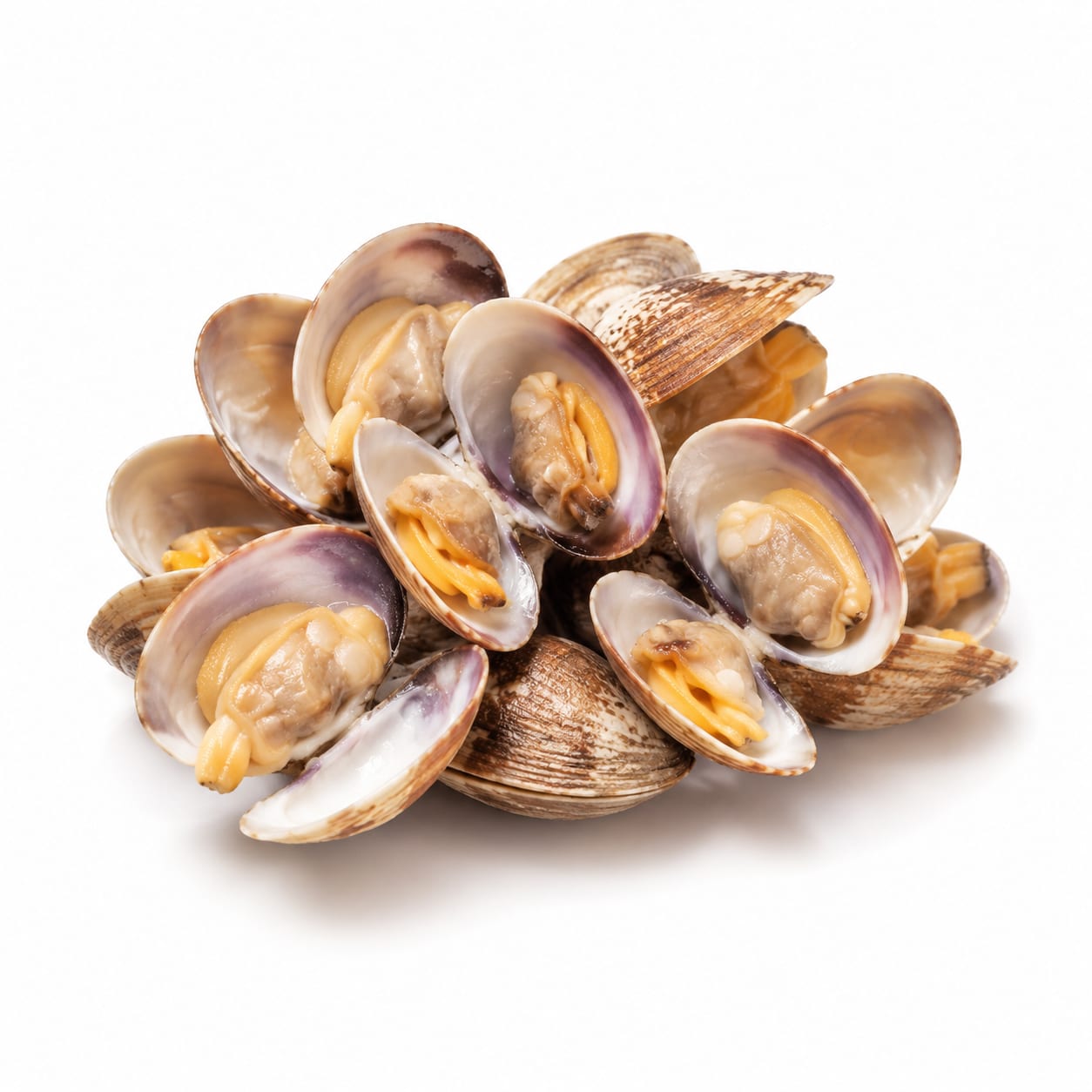
Shellfish
Clam
Clams are nutrient-dense shellfish exceptionally high in vitamin B12 and iron, offering lean protein with very few calories.
Clams are edible bivalve mollusks found in both freshwater and saltwater, prized for their tender meat and exceptionally high vitamin B12 and iron content.
protein-dense micronutrient powerhouse
Typical serving · 85g
Common varieties · littleneck, cherrystone, quahog, manila, razor +1 more
Overall context score across nutrition, safety, and diet fit
At a glance
Quick facts
Simple indicators based on nutrition, processing, and diet fit.
The story
What makes it unique
Clams are a lean protein source with minimal fat and carbohydrates. They digest moderately fast due to low connective tissue. Their macronutrient profile is dominated by protein, while their micronutrient density, particularly vitamin B12 and heme iron, is exceptionally high. As a minimally processed whole food, they offer high satiety per calorie.
Varieties: littleneck · cherrystone · quahog · manila · razor · geoduck
Per 100g
Nutrition breakdown
Macro balance and key metrics at a glance.
Energy
Density 0.86 kcal/g
Protein
Carbs
Fat
Fiber
Sugar
0 g
Sodium
56 mg
Potassium
314 mg
Glycemic index
0
Glycemic load
0
Water content
79%
Standout compounds
Nutrient highlights
Vitamin B12
highSupports nerve function and red blood cell formation
Heme Iron
highHighly bioavailable iron for oxygen transport
Selenium
highActs as an antioxidant and supports thyroid function
Zinc
moderateCrucial for immune function and wound healing
Wellness map
Health scores & processing
NOVA processing scale
minimally processed · Whole food
Fresh or frozen clams are unprocessed whole foods. Canned clams may contain added salt, moving them to processed culinary ingredients or processed foods.
Diet compatibility
- Weight loss
- Muscle gain
- Diabetes
- Gut health
- Low carb
- High protein
- Heart health
Relative standing
Food rankings
Qualitative ranks compared to similar whole foods.
- Satietyexcellent
- Blood sugarexcellent
- Nutrient densityexcellent
- Fitness fuelgood
- Processing qualityexcellent
Eat with confidence
Food safety profile
Clams filter large volumes of water, making them susceptible to environmental contaminants and biotoxins. Sourcing from approved, monitored waters and cooking thoroughly significantly reduces the risk of foodborne illness.
Evidence confidence 85%
- Pesticideslow
- Antibioticslow
- Heavy metalsmoderate
- Contaminationmoderate
Watch for
- vibrio vulnificus
- norovirus
- red tide toxins
- cadmium
- microplastics
Safer choices
Farm-raised clams from reputable sources or wild clams harvested from certified clean waters.
Prep tips
Scrub shells thoroughly under cold running water and discard any clams that remain open before cooking or fail to open after cooking. Cook thoroughly to kill Vibrio bacteria.
Harvesting waters are strictly monitored for biotoxins and bacteria, but climate change is expanding the geographic range and season of Vibrio species.
Deep dive
Health analysis
How this food may fit different goals and preparation choices.
Weight loss
Extremely low energy density and high protein content promote fullness and reduce overall calorie intake.
Blood sugar
Virtually zero carbohydrates result in no glycemic spike, making them ideal for glucose management.
Fitness & energy
High-quality protein supports muscle repair, while abundant B12 aids in energy metabolism and oxygen transport.
Gut health
Lacks dietary fiber, but highly bioavailable zinc supports intestinal lining integrity and immune function.
Processing quality
Fresh clams are a whole, unprocessed food. Canned versions often contain added sodium.
Food safety
Filter-feeding nature requires careful sourcing to avoid biotoxins and bacteria; thorough cooking is essential.
Common mistakes
Overcooking makes the meat rubbery and tough. Eating raw from unverified waters poses significant illness risk.
Best preparation
Steaming, grilling, or adding to soups and stews just until the shells open to preserve tenderness and nutrients.
Practical guide
Best use cases
When and how this food fits real eating patterns.
Anemia prevention diet
Provides massive doses of heme iron and vitamin B12 to combat iron-deficiency anemia and fatigue.
Low-carb seafood dinner
A carb-free protein source that fits perfectly into ketogenic and low-carb meal plans.
Post-workout recovery
Lean protein and zinc support muscle tissue repair and immune function after intense exercise.
Balance sheet
Pros & cons
Upsides
- Exceptionally high in vitamin B12 and heme iron
- Very low in calories and fat
- Virtually zero carbohydrates
- Good source of omega-3 fatty acids
- Rich in selenium and zinc for immune support
Trade-offs
- Risk of Vibrio and norovirus if consumed raw
- Can accumulate heavy metals and biotoxins from water
- Top allergen (shellfish)
- Canned varieties are often very high in sodium
- Can become tough and rubbery if overcooked
Fit check
Who is it for?
Great match
- iron-deficiency anemia
- low-carb and keto diets
- high-volume low-calorie eating
- B12 supplementation through food
Consider alternatives
- shellfish allergy sufferers
- low-sodium diets (if canned)
- those with compromised immune systems (if eating raw)
Side by side
How it compares
Open the full head-to-head analysis for nutrition, safety, and practical tradeoffs.
This food
Clam
VS95% alike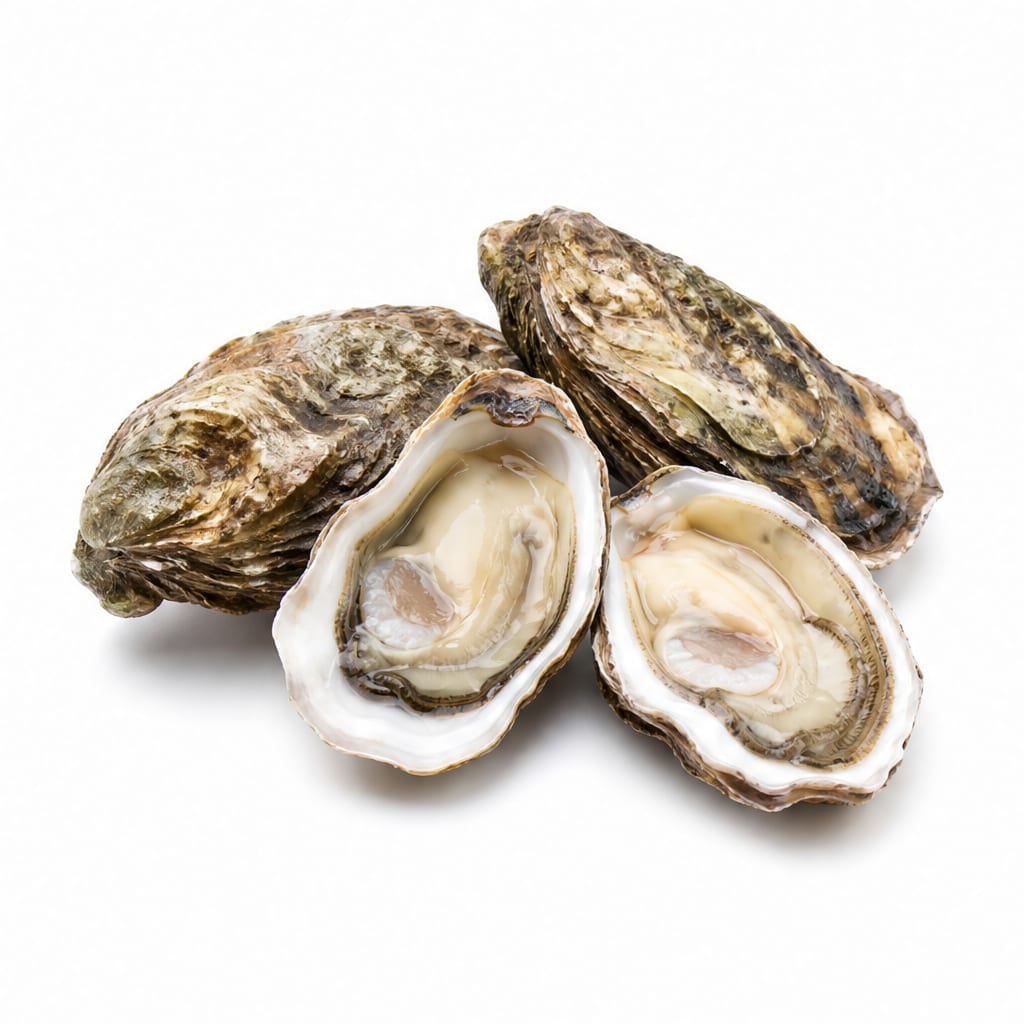
Compare with
Oysters
Clams are higher in iron and slightly lower in calories, while oysters are higher in zinc.
Clams offer more iron and fewer calories, while oysters provide more zinc and a slightly different texture.
This food
Clam
VS90% alike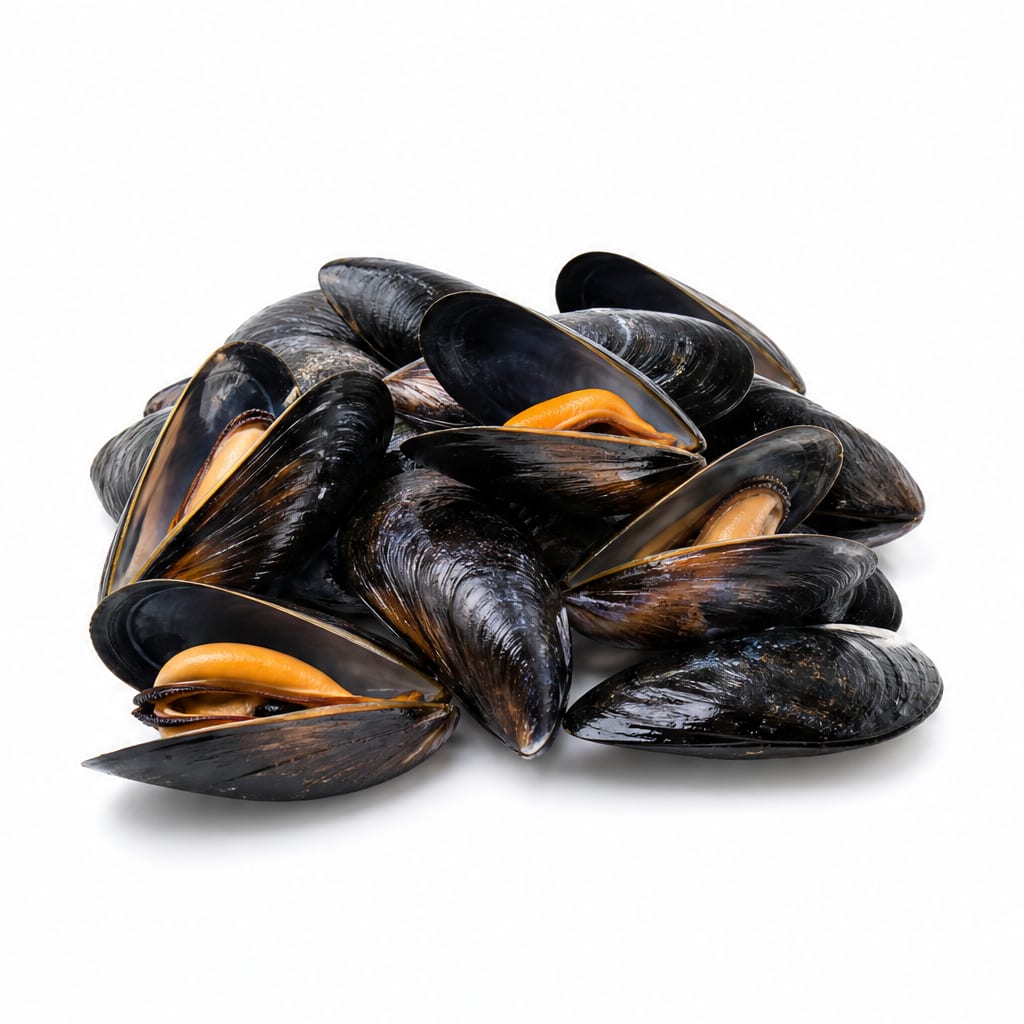
Compare with
Mussels
Mussels have slightly more omega-3s and are cheaper, but clams are higher in B12 and iron.
Clams are superior for B12 and iron, whereas mussels offer slightly more omega-3 fats and protein per calorie.
This food
Clam
VS85% alike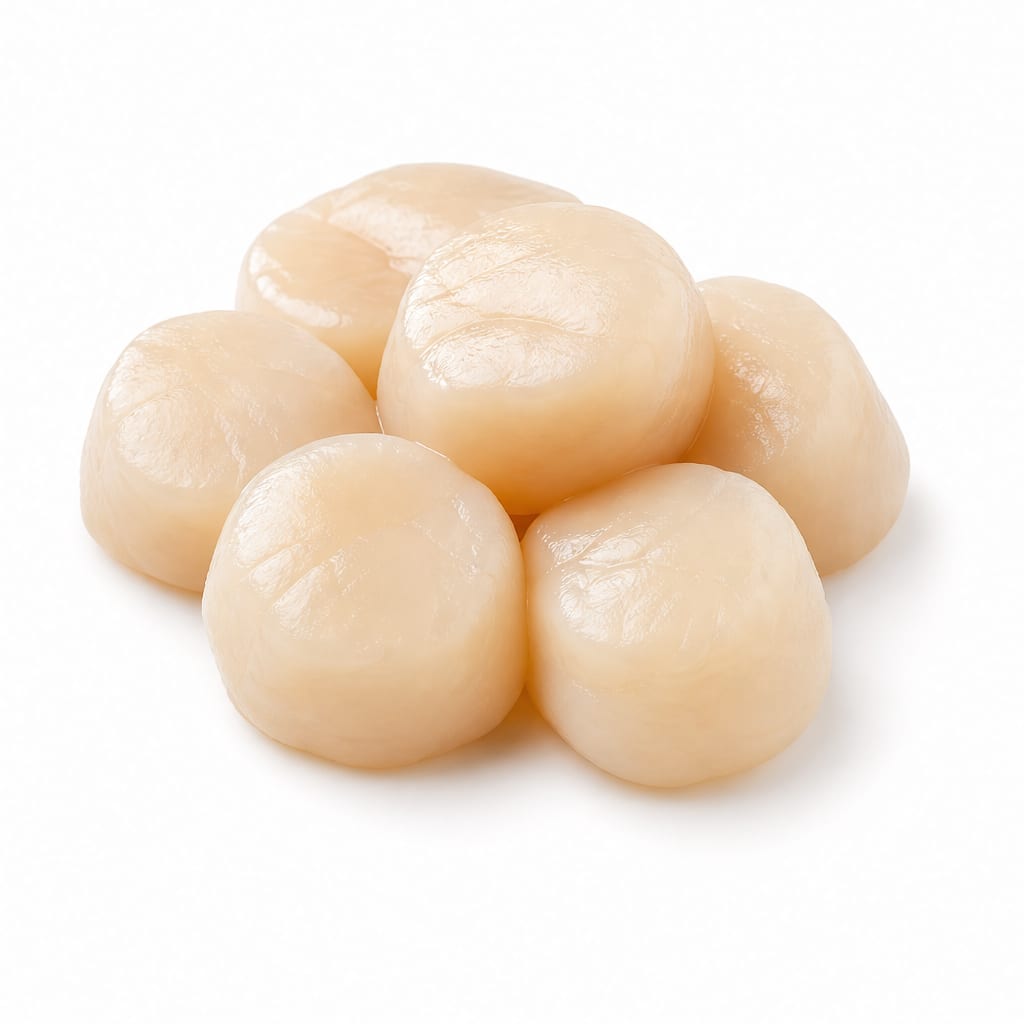
Compare with
Scallops
Scallops are higher in protein and lower in carbs, clams are much higher in iron and B12.
Scallops provide more protein and fewer carbs, making them better for muscle gain, but clams are vastly superior for iron and B12.
This food
Clam
VS80% alike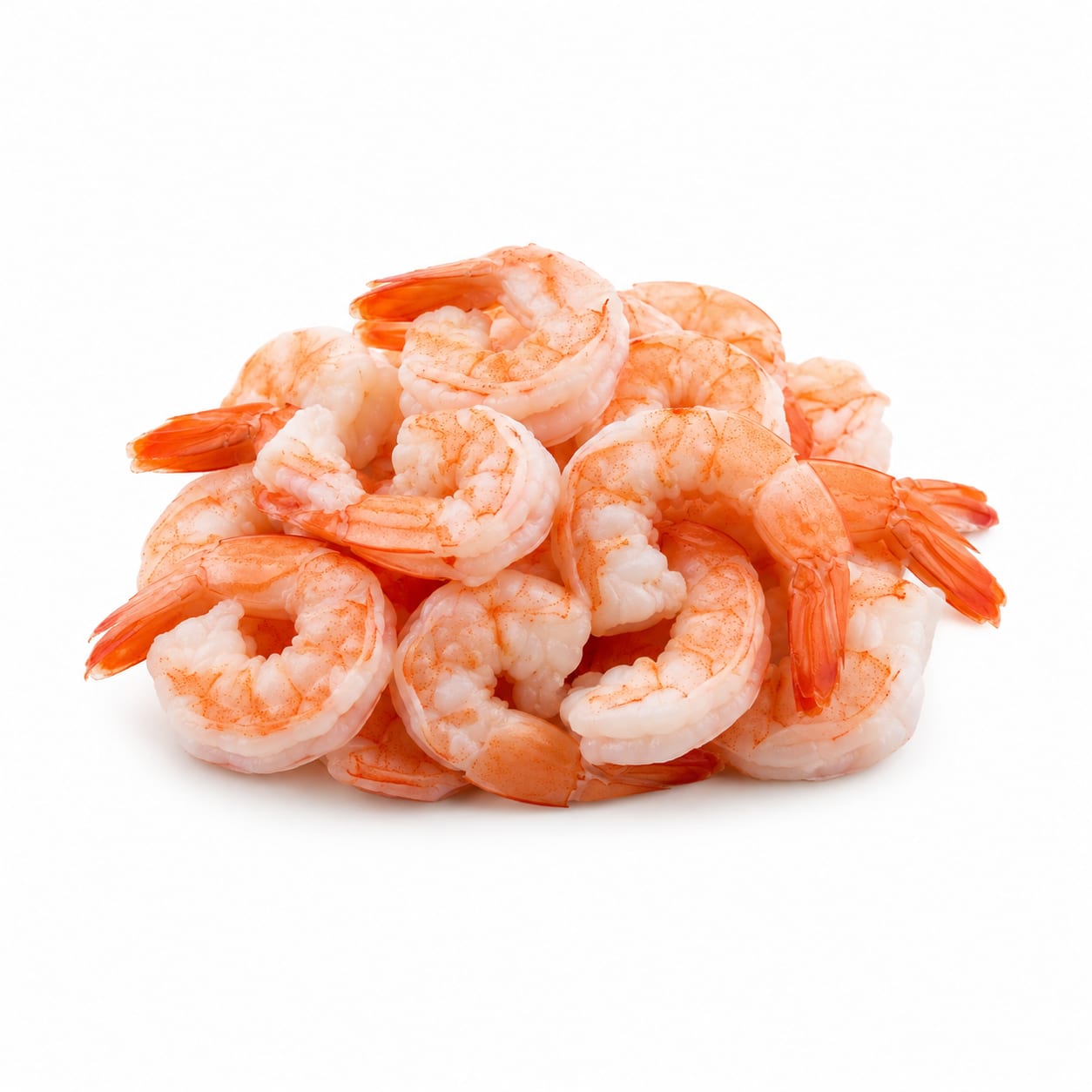
Compare with
Shrimp
Shrimp is higher in protein, clams are higher in iron and B12.
Shrimp offers more protein per calorie, but clams deliver significantly more iron and vitamin B12 for energy metabolism.
This food
Clam
VS75% alike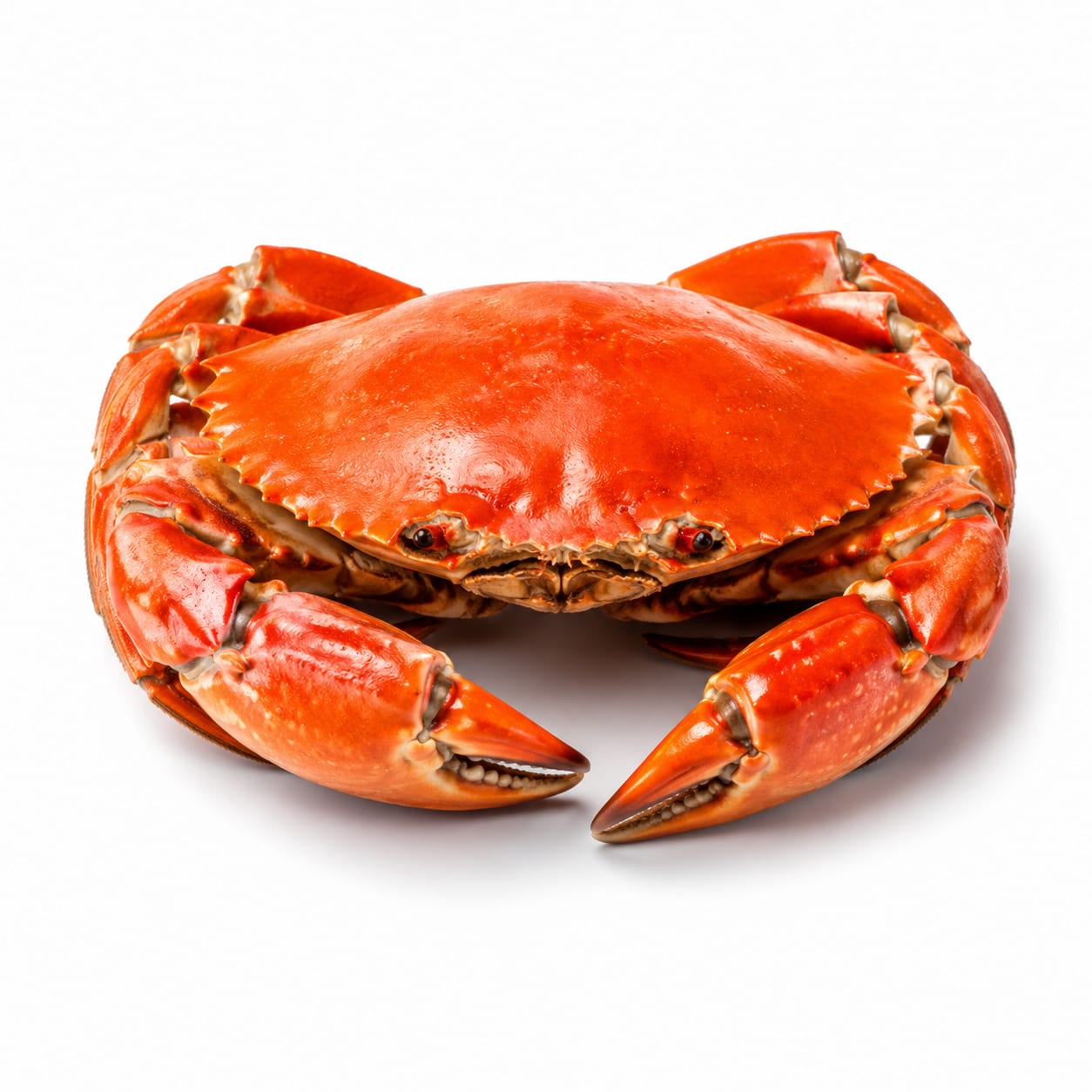
Compare with
Crab
Crab is lower in calories but clams are much higher in iron.
Crab meat is lower in calories and higher in protein, but clams are a far better source of iron and vitamin B12.
This food
Clam
VS70% alike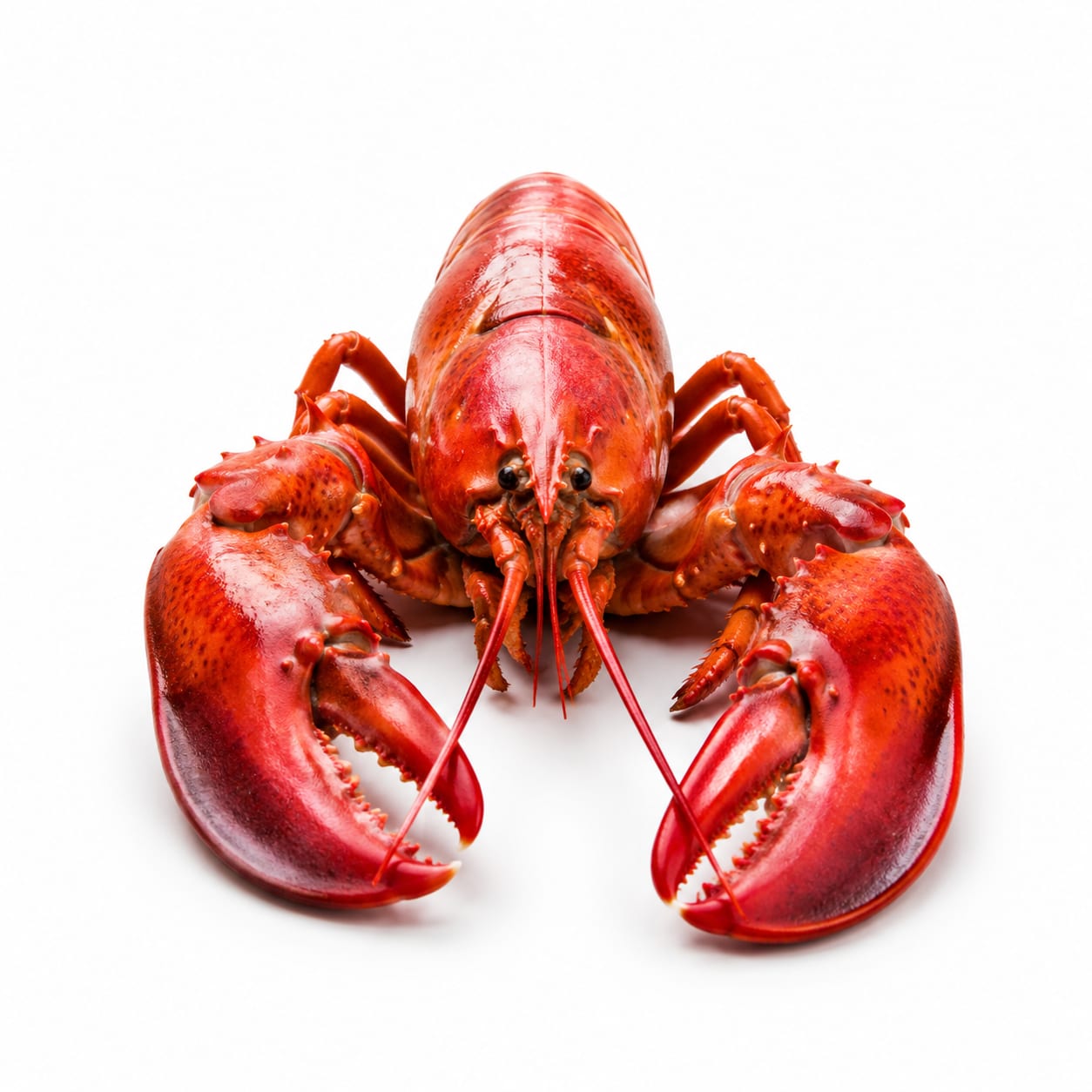
Compare with
Lobster
Lobster is leaner and higher protein, clams are micronutrient powerhouses.
Lobster provides more protein with fewer calories, while clams pack a much stronger punch in iron and B12.
This food
Clam
VS65% alike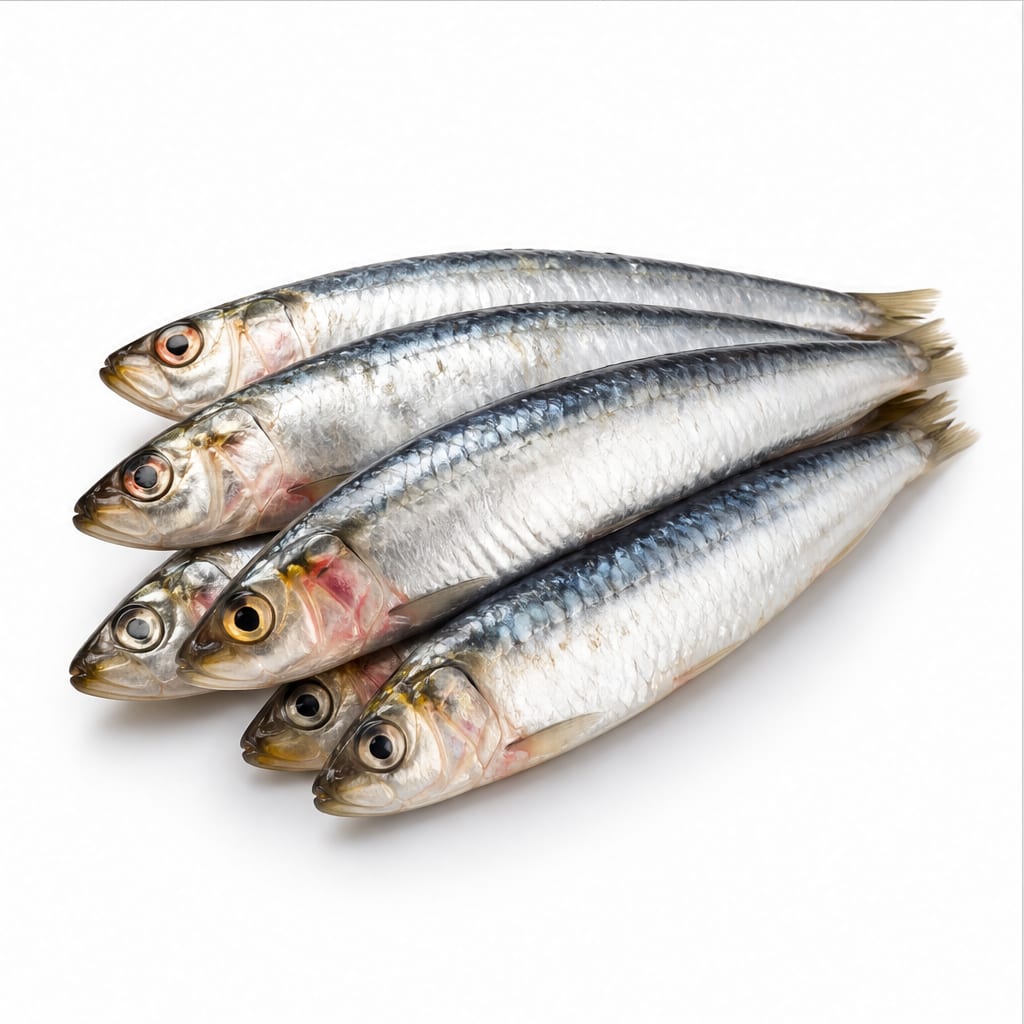
Compare with
Sardines
Sardines have way more omega-3 and calcium, clams are lower in fat and calories.
Sardines are richer in omega-3s and calcium, but clams are much lower in calories and fat for weight loss diets.
This food
Clam
VS50% alike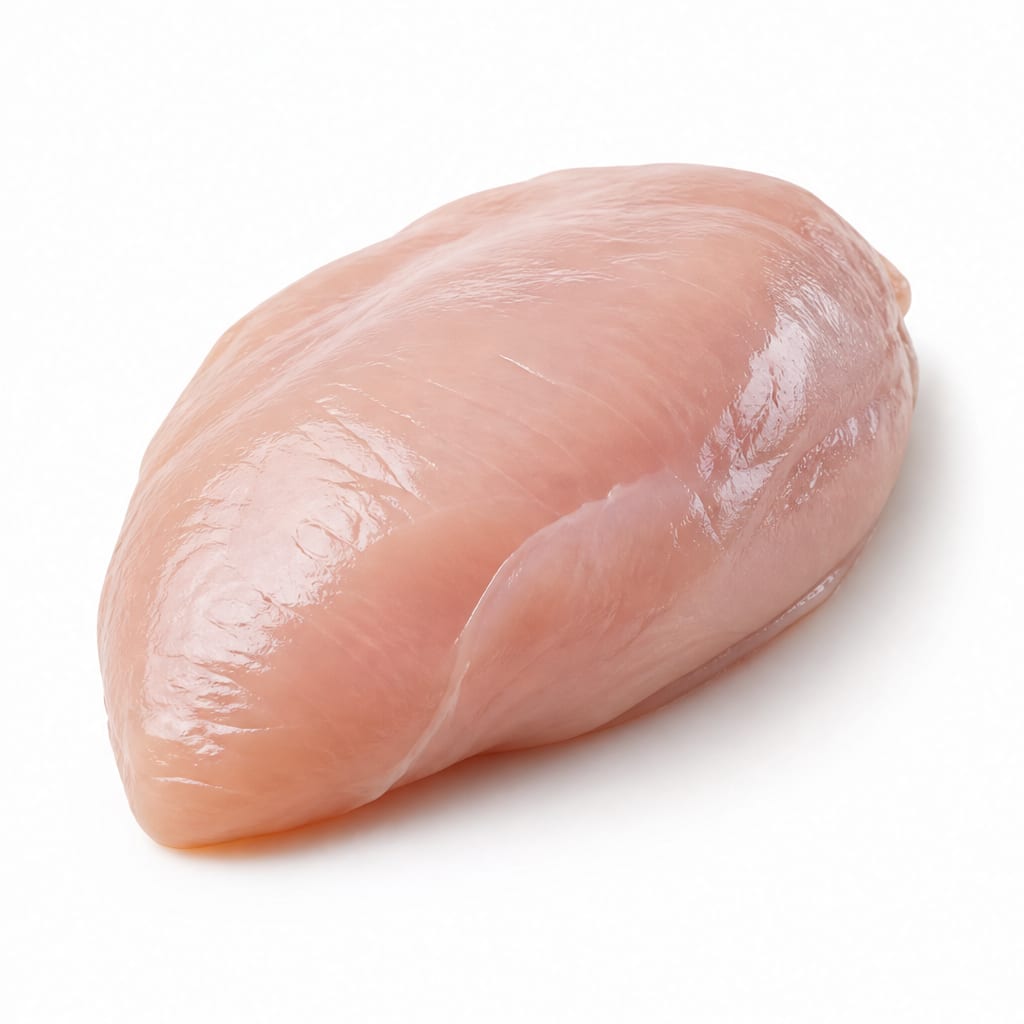
Compare with
Chicken Breast
Chicken is pure protein, clams are micronutrient dense.
Chicken breast offers more protein, but clams are dramatically lower in calories and provide essential B12 and iron that chicken lacks.
This food
Clam
VS60% alike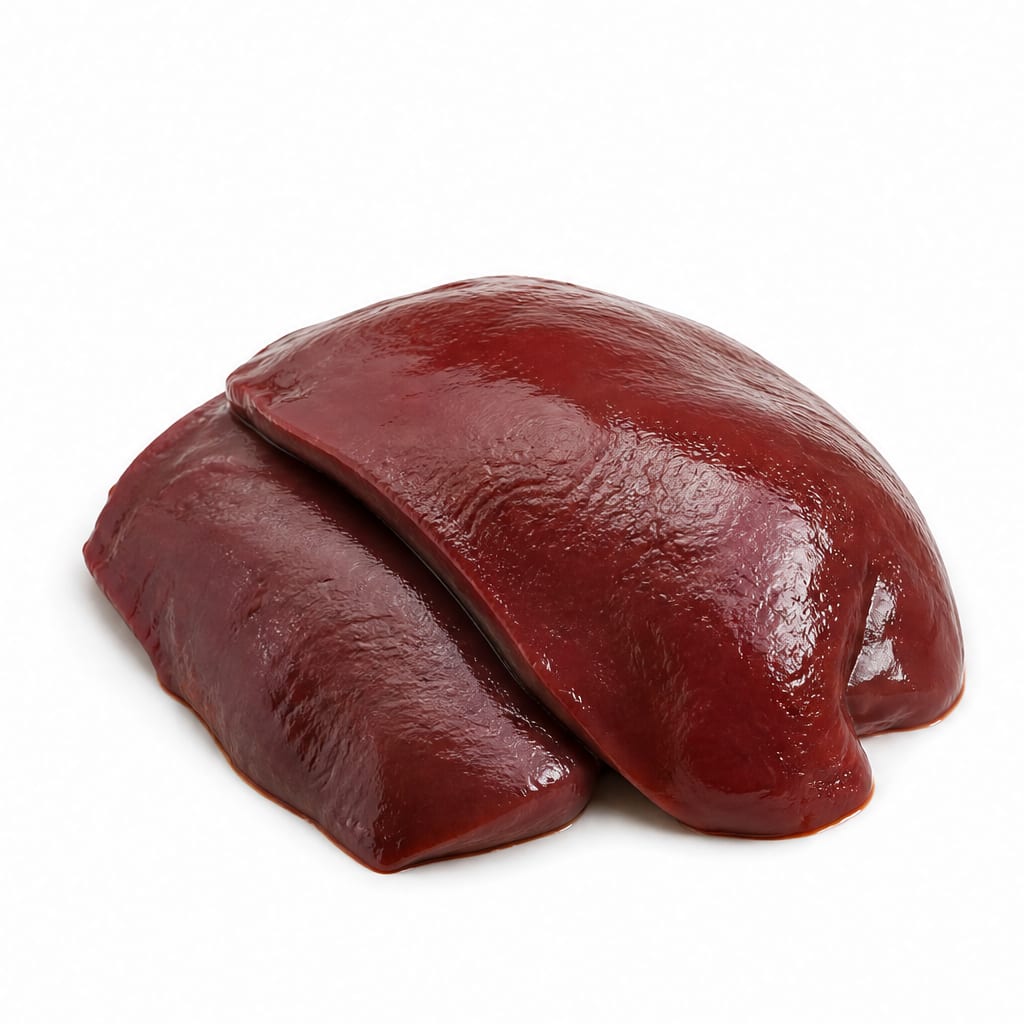
Compare with
Beef Liver
Both are B12 and iron kings. Liver has more vitamin A, clams are lower in cholesterol.
Both are top-tier iron and B12 sources, but clams are much lower in calories and cholesterol compared to beef liver.
This food
Clam
VS40% alike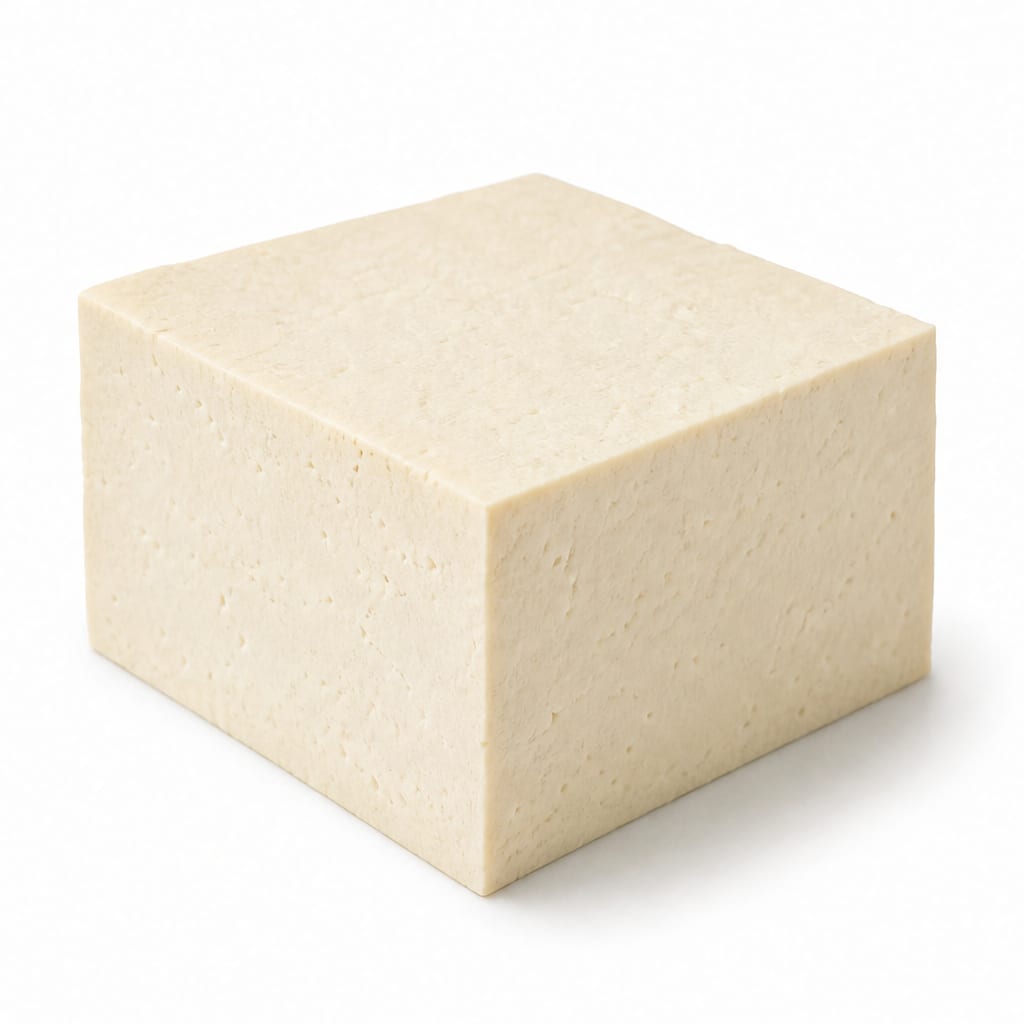
Compare with
Tofu
Tofu is plant-based with fiber, clams are animal-based with heme iron.
Clams provide highly absorbable heme iron and B12 absent in tofu, while tofu offers plant-based protein and dietary fiber.
Common questions
FAQ
Answers aligned with how people search for this food.
Are clams good for weight loss?
Yes, clams are excellent for weight loss. They are very low in calories and fat while providing high-quality protein that keeps you full.
Can diabetics eat clams?
Yes, clams contain almost no carbohydrates and have a glycemic index of zero, meaning they will not spike blood sugar levels.
Are clams high in iron?
Yes, clams are one of the best dietary sources of heme iron, which is much more easily absorbed by the body than plant-based iron.
Is it safe to eat raw clams?
Eating raw clams carries a risk of Vibrio infection and norovirus. It is safest to eat them fully cooked, especially for those with compromised immune systems.
Are canned clams healthy?
Canned clams retain most of their nutrients like B12 and iron, but they are often high in sodium. Rinsing them before use can reduce the salt content.
What is the difference between littleneck and cherrystone clams?
Littlenecks are smaller and more tender, ideal for eating raw or steaming. Cherrystones are larger and tougher, making them better for chowders and stuffing.
Do clams have omega-3?
Yes, clams provide a moderate amount of EPA and DHA omega-3 fatty acids, which are beneficial for heart and brain health.
Why are clams so high in B12?
As filter feeders, clams accumulate B12-producing bacteria from their aquatic environment, concentrating this vital nutrient in their tissues.
Transparency
Data confidence
Estimated confidence for nutrition data, interpretation, safety notes, and comparisons.
Nutrition data
Health analysis
Food safety
Comparisons