
Nutrition comparison
Clam vs Chicken Breast: Which Lean Protein Is Better for You?
Compare clam and chicken breast nutrition, protein, cost, and health benefits. Discover when clams outperform chicken breast and when chicken breast is the smarter daily choice.
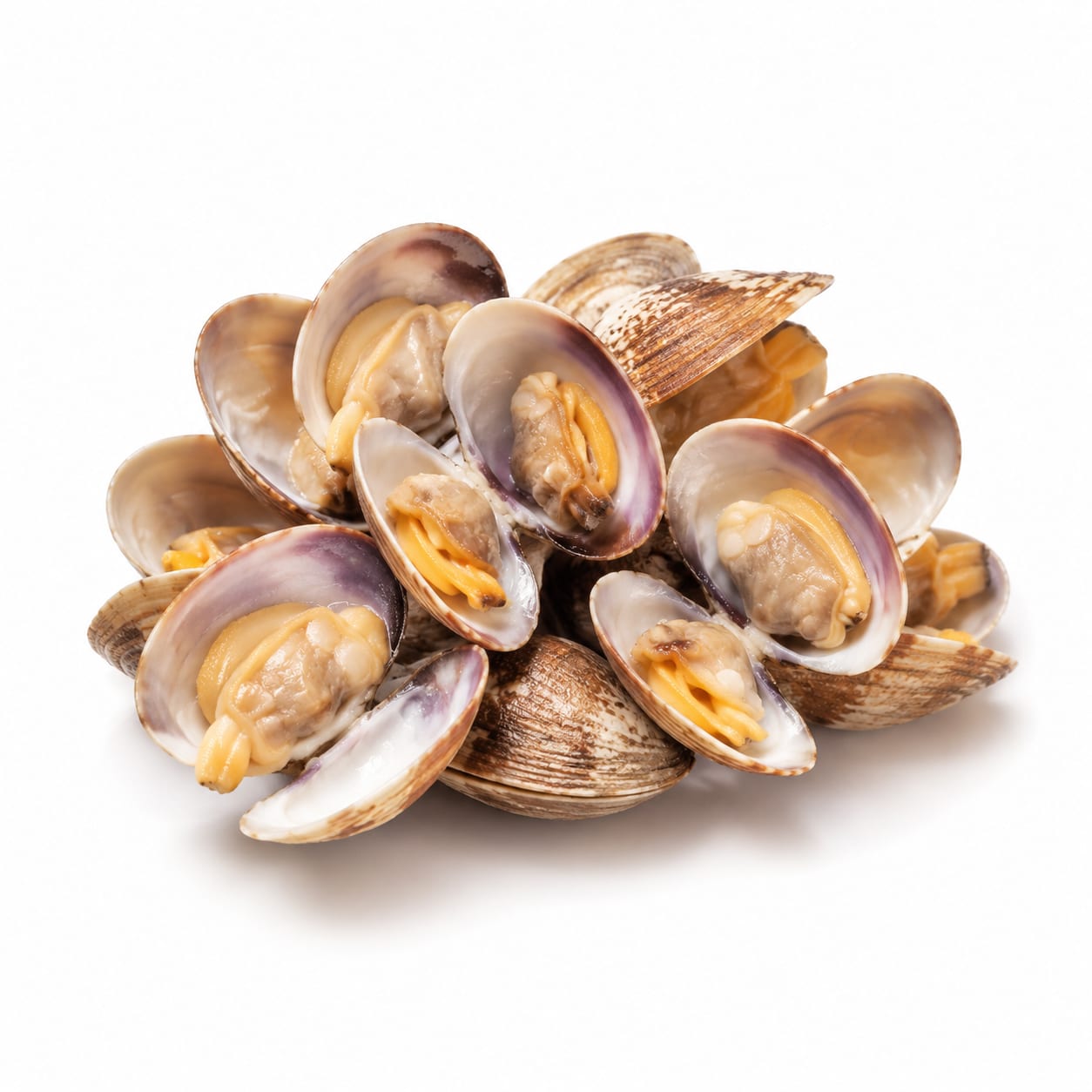
Clam
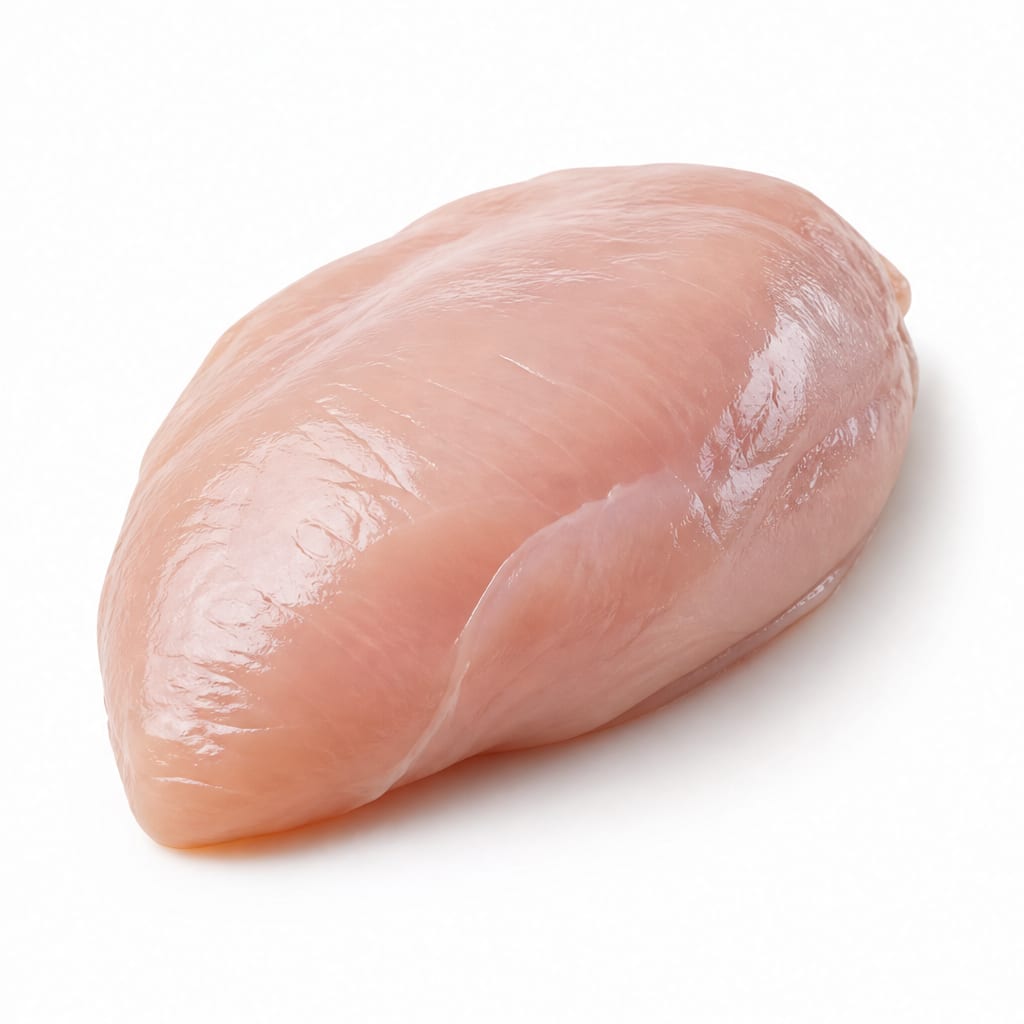
Chicken Breast
Chicken breast wins on practicality and protein per dollar; clams win on micronutrient density and heart-healthy fats. Your choice depends on whether you prioritize convenience or nutritional firepower.
Chicken breast scores slightly higher due to superior practicality, affordability, and protein density per serving. Clams close the gap with exceptional micronutrient content and omega-3s, but their higher cost, lower availability, and shellfish allergy risk keep them from winning overall.
Everyday affordability and ease versus extraordinary nutrient density and omega-3s
At a glance
Executive summary
Overall
It depends
Healthier
Clam
More practical
Chicken Breast
Daily use
Chicken Breast
Key comparison lenses
lean protein source selection
Both are top-tier lean proteins, so the core question is which lean protein fits your life better
micronutrient superiority
Clams are one of the most nutrient-dense foods on the planet, dramatically outpacing chicken breast in B12, iron, and zinc
everyday practicality and affordability
Chicken breast is cheap, available everywhere, and easy to batch cook; clams require more effort and cost significantly more
safety and contamination tradeoffs
Shellfish carry unique contamination risks that chicken does not, while chicken carries antibiotic and farming concerns
heart health and omega-3 intake
Clams provide omega-3s and are naturally anti-inflammatory, whereas chicken breast offers no omega-3 benefit
Best choice for
Clam
- People with B12 deficiency or anemia risk
- Anyone wanting to boost omega-3 intake without fish
- Those seeking maximum micronutrients per calorie
- Pescatarians looking for lean shellfish protein
- People with iron-deficiency concerns
Chicken Breast
- Meal preppers and batch cooks
- Budget-conscious households
- Bodybuilders needing high protein volume
- People unfamiliar with cooking seafood
- Anyone wanting a neutral protein that fits any cuisine
Least suitable for
Clam
- Anyone with shellfish allergies
- People on tight grocery budgets
- Those without reliable access to fresh seafood
- Inexperienced home cooks intimidated by shellfish prep
Chicken Breast
- Vegans and vegetarians
- People avoiding poultry for ethical or religious reasons
- Those concerned about conventional farming antibiotics
- Anyone bored with bland lean protein
Deep comparison
Dimension by dimension
Each lens scores both foods and breaks down who each option suits.
- Dimension 1 · Priority 95Chicken Breast
Protein Quantity and Quality
Clam · 72Chicken Breast · 92Chicken breast delivers more protein per serving and per dollar, making it the go-to for anyone tracking macros.
Tradeoff
Clams provide decent protein but at a much higher cost per gram; their real value lies elsewhere in the nutrition profile.
Why it matters
If you are eating primarily to hit protein targets, chicken breast gets you there faster and cheaper.
Real-world impact
A single chicken breast easily delivers 40g of protein. You would need a large portion of clams to match that, costing two to three times more.
Clam
- More bioavailable heme iron alongside protein
Better for
- Lower total protein per typical serving
- Expensive protein source per gram
Worse for
Chicken Breast
- Higher protein per calorie and per serving
- More complete amino acid profile per typical portion
- Easier to eat in large quantities for muscle gain
Better for
- No omega-3 contribution alongside protein
Worse for
- Dimension 2 · Priority 92Clam
Micronutrient Density
Clam · 96Chicken Breast · 45Clams are a micronutrient powerhouse, absolutely crushing chicken breast in B12, iron, zinc, and selenium.
Tradeoff
You eat clams for the vitamins and minerals; you eat chicken breast almost exclusively for the protein.
Why it matters
Micronutrient deficiencies are common, especially B12 and iron. Clams are one of the best food sources for both.
Real-world impact
A single serving of clams can provide over 1000% of your daily B12 needs. Chicken breast offers almost none.
Clam
- Extraordinary B12 content, among the highest of any food
- Highly absorbable heme iron for blood health
- Rich in zinc for immune function and testosterone
- Excellent selenium source for thyroid and antioxidant defense
Better for
- Nutritional advantage requires eating them regularly, which is impractical for most
Worse for
Chicken Breast
- Moderate B6 and niacin content
- Some phosphorus and selenium
Better for
- Almost no B12 or iron to speak of
- Relatively micronutrient-poor for a whole food
Worse for
- Dimension 3 · Priority 80Clam
Heart Health and Inflammation
Clam · 82Chicken Breast · 65Clams provide omega-3 fatty acids and are naturally anti-inflammatory, while chicken breast is neutral on this front.
Tradeoff
Clams have more cholesterol, but dietary cholesterol has minimal impact on blood cholesterol for most people.
Why it matters
Chronic inflammation drives heart disease. Omega-3s from clams actively combat this; chicken breast simply does not contribute.
Real-world impact
Replacing some chicken meals with clams each week could meaningfully improve your omega-3 intake without supplements.
Clam
- Contains omega-3s EPA and DHA for heart and brain health
- Anti-inflammatory fat profile
- Associated with lower cardiovascular risk in Mediterranean-style diets
Better for
- Higher dietary cholesterol may concern some, though research increasingly downplays this
Worse for
Chicken Breast
- Very low in saturated fat
- Lean profile fits heart-healthy diets by not adding harmful fats
Better for
- No omega-3 contribution
- Does not actively reduce inflammation
Worse for
- Dimension 4 · Priority 88Chicken Breast
Practicality and Convenience
Clam · 35Chicken Breast · 90Chicken breast is one of the most convenient proteins available. Clams require careful handling, cooking, and sourcing.
Tradeoff
Nutritional superiority means little if you cannot easily buy, store, and cook the food on a busy Tuesday.
Why it matters
The best food for you is the one you actually eat consistently. Chicken breast wins on sustainability of habit.
Real-world impact
You can meal prep chicken breast for the week in one session. Clams must be cooked fresh and eaten immediately.
Clam
- Cooks very quickly when steamed
- Requires no marination or complex preparation
Better for
- Must be purchased fresh and used quickly
- Requires checking for live shells before cooking
- Short shelf life increases food waste risk
- Limited availability in many regions
Worse for
Chicken Breast
- Available in every grocery store
- Easy to batch cook and store as leftovers
- Freezes well for months
- Works in virtually any cuisine or flavor profile
- No special handling or freshness checking required
Better for
- Can dry out easily if overcooked
- Requires seasoning to be palatable
Worse for
- Dimension 5 · Priority 85Chicken Breast
Cost and Accessibility
Clam · 30Chicken Breast · 88Chicken breast is one of the cheapest protein sources available. Clams are a luxury protein by comparison.
Tradeoff
Clams deliver more nutrients per calorie but far less nutrition per dollar spent.
Why it matters
Budget constraints shape real dietary choices more than nutritional ideals for most households.
Real-world impact
Chicken breast costs roughly $3-4 per pound. Fresh clams can run $10-20 per pound depending on variety and location.
Clam
- Nutrient density per calorie is exceptional, justifying occasional splurging
Better for
- Significantly more expensive per serving
- Fresh shellfish access limited in landlocked areas
- Canned clams are cheaper but less appealing to many
Worse for
Chicken Breast
- Among the most affordable lean proteins
- Widely available regardless of geography
- Frequent sales and bulk options reduce cost further
Better for
- Organic and free-range options approach clam-level pricing
Worse for
- Dimension 6 · Priority 78Chicken Breast
Satiety and Fullness
Clam · 60Chicken Breast · 85Chicken breast keeps you fuller for longer due to higher protein volume per serving and denser texture.
Tradeoff
Clams are satisfying in the moment but their lighter texture and smaller portions leave you hungry sooner.
Why it matters
If a meal does not keep you full, you snack more later, undermining your health goals.
Real-world impact
A chicken breast dinner typically keeps you full for 4-5 hours. A clam portion may have you reaching for a snack within 2-3 hours.
Clam
- Rich umami flavor provides psychological satisfaction
Better for
- Smaller portions and lighter texture reduce physical fullness
- Often served as an appetizer rather than a main, reflecting lower satiety
Worse for
Chicken Breast
- Higher protein per serving directly increases satiety hormones
- Dense chewy texture signals fullness more effectively
- Larger typical portion size fills the stomach more
Better for
- Can feel monotonous if eaten daily without variety
Worse for
Timeline
Health impact over time
Short-term
Hours to days
Clam
- Quick B12 and iron boost after eating
- Immediate umami satisfaction from rich flavor
- Potential digestive discomfort if unused to shellfish
- Risk of mild allergic reaction in sensitive individuals
Chicken Breast
- Strong satiety shortly after eating due to high protein
- Steady energy without blood sugar spikes
- Possible dry-mouth sensation if overcooked and under-seasoned
- Very low risk of adverse short-term reactions
Long-term
Months to years
Clam
- Improved B12 and iron status with regular consumption
- Better omega-3 intake supporting brain and heart health
- Potential heavy metal accumulation if sourced from polluted waters
- Shellfish allergy development possible with frequent exposure
Chicken Breast
- Consistent lean protein intake supports muscle maintenance
- Neutral to positive cardiovascular impact when replacing red meat
- Risk of diet fatigue and monotony without variety
- Antibiotic exposure concerns with conventional farming
Risk profile
Safety & processing
Both foods are whole, minimally processed proteins when purchased fresh. Canned or frozen clams may contain added sodium. Pre-seasoned or pre-cooked chicken breast products can include preservatives and sodium, but raw chicken breast is as clean as it gets.
Clam
Shellfish allergy
highShellfish allergies are among the most common and severe food allergies, potentially causing anaphylaxis in sensitive individuals.
Red tide and biotoxin contamination
mediumClams filter-feed and can accumulate marine biotoxins during harmful algal blooms. Commercial harvesting is monitored, but risk is never zero.
Heavy metal accumulation
lowClams can accumulate cadmium and lead from polluted waters. Sourcing from clean waters is important.
Foodborne illness from raw or undercooked consumption
mediumRaw or undercooked clams carry Vibrio bacteria and norovirus risk. Thorough cooking eliminates most danger.
Chicken Breast
Salmonella and Campylobacter contamination
mediumRaw chicken is a well-known carrier of these bacteria. Proper handling and cooking to 165°F eliminates the risk.
Antibiotic residue exposure
mediumConventionally raised chicken may contain antibiotic residues. Choosing organic or antibiotic-free reduces this concern.
Cross-contamination in home kitchens
mediumChicken requires careful handling to avoid contaminating surfaces and other foods with harmful bacteria.
Who wins for whom
Audience fit
Same foods, different winners depending on your goal.
children
Chicken BreastChicken breast is safer for children due to no shellfish allergy risk, milder flavor, and easier texture for young eaters.
daily consumption
Chicken BreastAffordability, availability, and cooking ease make chicken breast realistic as a daily staple. Clams are better as a weekly addition for nutrient variety.
diabetes
Chicken BreastBoth are essentially zero-carb foods, but chicken breast is easier to eat consistently and pair with vegetables for stable blood sugar management.
elderly
ClamOlder adults frequently lack B12 and iron, and clams deliver both in highly absorbable forms. The softer texture can also be easier to chew for those with dental issues.
muscle gain
Chicken BreastHigher protein content per serving and much lower cost per gram of protein make chicken breast the practical choice for muscle building volumes.
weight loss
Chicken BreastChicken breast provides more protein per calorie and per dollar, keeping you fuller on fewer calories and making it easier to sustain a deficit.
Your move
Decision guide
Choose Clam
- You want to dramatically boost B12, iron, and zinc intake
- You can afford to include shellfish as a weekly treat
- You are following a Mediterranean or pescatarian eating pattern
- You have no shellfish allergy and enjoy seafood flavors
- You want omega-3s without eating fish
Choose Chicken Breast
- You need affordable, reliable protein every day
- You meal prep and need food that stores and reheats well
- You are building muscle and tracking protein macros
- You cook for a family with diverse preferences and allergy concerns
- You want a neutral protein base that works in any recipe
Either works if
- You simply need a lean protein source and have no constraints
- You rotate proteins throughout the week for variety
- You are generally healthy with no specific deficiency concerns
Avoid both if
- You follow a plant-based diet
- You have both shellfish allergy and poultry avoidance needs
- You have gout and need to limit purine intake, as both are moderate-to-high purine foods
Final recommendation
Use chicken breast as your daily lean protein foundation and add clams once or twice a week as a micronutrient booster. This combination gives you the practicality and protein volume of chicken breast alongside the extraordinary B12, iron, zinc, and omega-3 benefits of clams. Think of clams as a supplement disguised as a delicious meal, not your everyday workhorse protein.
Practical
Consumer tips
- 1
Canned clams are a budget-friendly way to get most of the micronutrient benefits at a fraction of the fresh price
- 2
If buying fresh clams, tap any open shells before cooking; discard any that do not close, as they are dead and unsafe
- 3
Choose organic or antibiotic-free chicken breast when budget allows to reduce farming chemical exposure
- 4
Steam clams rather than frying them in butter to keep the calorie and fat profile lean
- 5
Brine chicken breast before cooking to prevent dryness and improve flavor without added fat
- 6
Freeze chicken breast in individual portions for easy defrosting and reduced waste
- 7
Avoid pre-cooked breaded clam strips, which are ultra-processed and nutritionally inferior to whole clams
- 8
Pair chicken breast with iron-rich vegetables like spinach; add vitamin C to enhance iron absorption from both foods