
Nutrition comparison
Clam vs Crab: Nutrition, Health Benefits & Which to Choose
Compare clam vs crab to discover which shellfish is healthier. Learn about B12, iron, cholesterol, and safety risks to make the best choice for your diet.
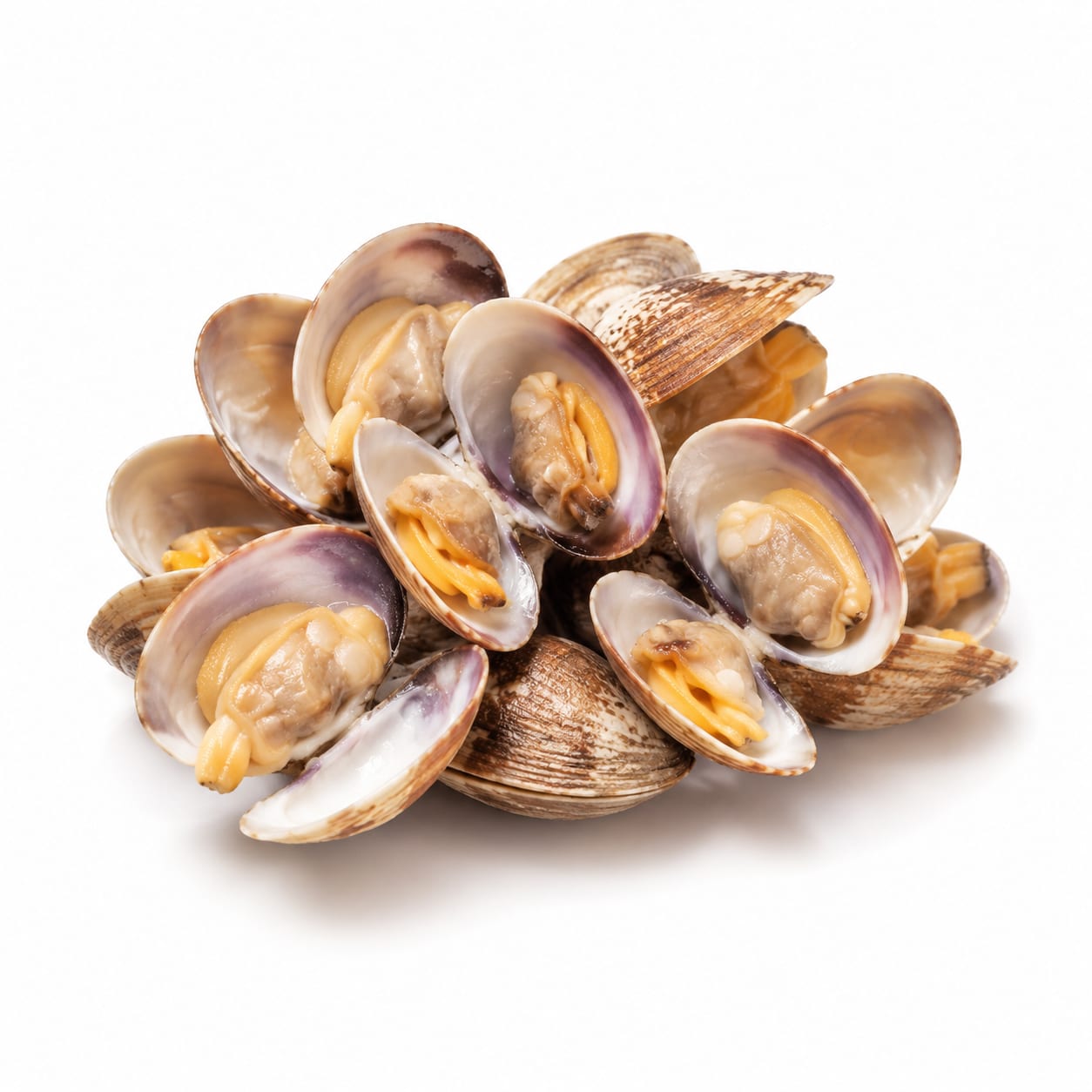
Clam
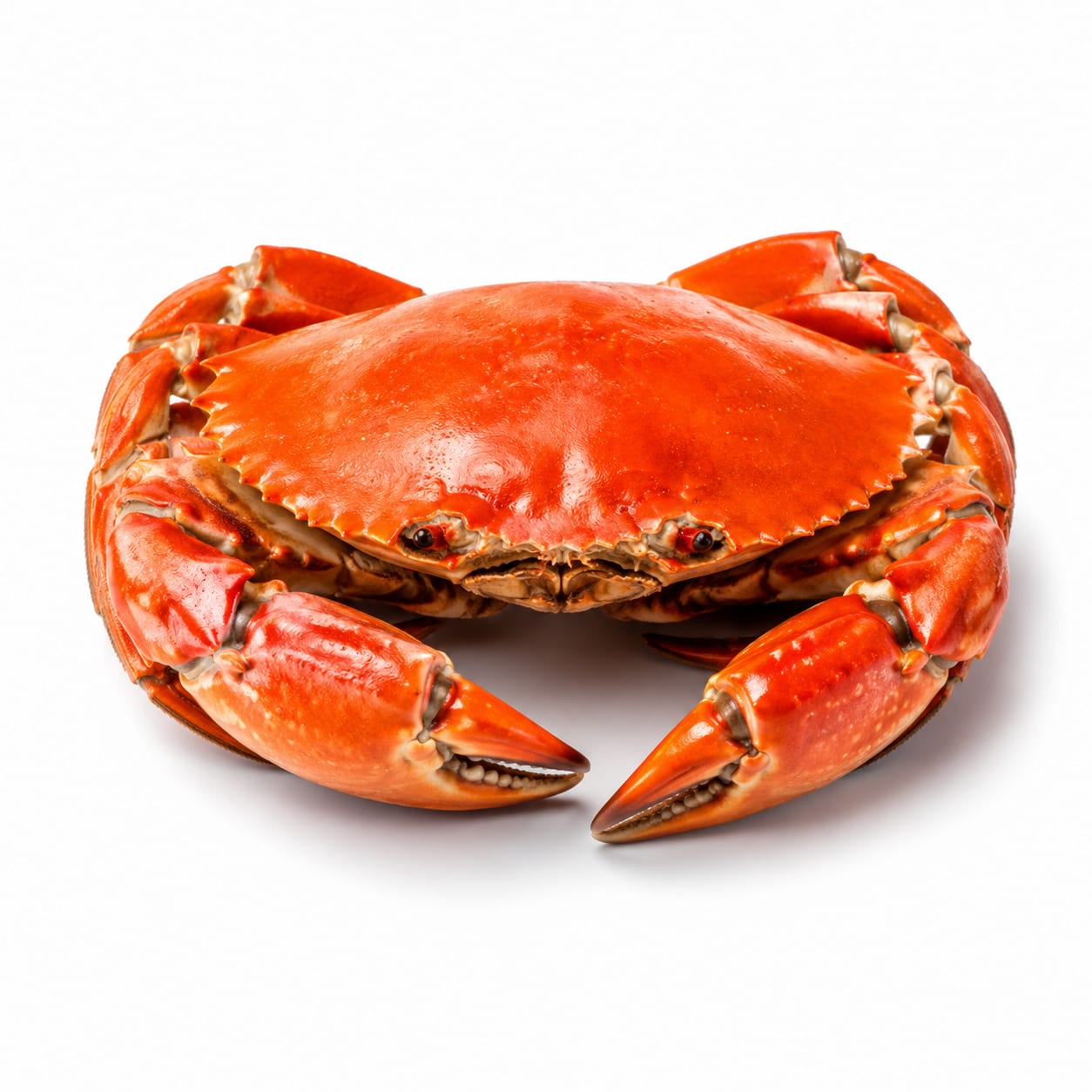
Crab
Clams are a micronutrient powerhouse loaded with B12 and iron, while crab offers a leaner, lower-cholesterol protein that is easier to enjoy regularly.
Clams score slightly higher due to their exceptional micronutrient density, but crab stays close because of its better cholesterol profile and easier digestibility.
You trade the massive B12 and iron boost of clams for the heart-friendlier, lower-cholesterol profile of crab.
At a glance
Executive summary
Overall
It depends
Healthier
Clam
More practical
Crab
Daily use
Crab
Key comparison lenses
Micronutrient superiority (B12 and Iron)
Clams are one of the most concentrated sources of vitamin B12 and iron available, making this a key differentiator.
Cholesterol and heart health impact
Clams are surprisingly high in dietary cholesterol, which concerns some users, whereas crab is much lower.
Seafood safety and contamination risks
Clams are filter feeders prone to biotoxins, while crabs can accumulate heavy metals like cadmium.
Convenience and preparation ease
Crab meat is often easier to prepare and eat without the grit or tough texture sometimes found in clams.
Best choice for
Clam
- People with B12 deficiency or anemia
- Those needing a massive iron boost
- Pregnant women needing folate and B12 (if cooked thoroughly)
Crab
- People watching their cholesterol
- Those wanting a light, low-calorie lean protein
- Home cooks looking for easy, grit-free seafood
Least suitable for
Clam
- People on strict low-cholesterol diets
- Those with compromised immune systems (if eating raw)
- Diners who dislike gritty textures
Crab
- Those on extremely tight budgets (real crab is expensive)
- People concerned about cadmium exposure from brown meat
- Individuals needing high iron intake
Deep comparison
Dimension by dimension
Each lens scores both foods and breaks down who each option suits.
- Dimension 1 · Priority 95Clam
Micronutrient Density (B12, Iron, Zinc)
Clam · 98Crab · 55Clams completely dominate this category, offering astronomical levels of vitamin B12 and heme iron compared to crab.
Tradeoff
You get far more fatigue-fighting nutrients with clams, but you miss out on the milder, lighter eating experience of crab.
Why it matters
B12 and iron are critical for energy and oxygen transport, and deficiencies are common, especially in women.
Real-world impact
Eating clams can pull you out of an energy slump and combat anemia much faster than crab can.
Clam
- Recovering from iron-deficiency anemia
- Boosting energy levels naturally
- Supporting nervous system health
Better for
- Those who want a light, low-and-slow digesting meal
Worse for
Crab
- Maintaining basic protein intake without overloading on cholesterol
Better for
- Situations requiring maximum iron and B12 replenishment
Worse for
- Dimension 2 · Priority 85Crab
Heart Health and Cholesterol
Clam · 55Crab · 90Crab is much lower in cholesterol, making it a safer bet for heart-conscious eaters.
Tradeoff
Choosing crab protects your cholesterol limits, but you sacrifice the massive B12 intake that clams provide.
Why it matters
Dietary cholesterol still impacts blood lipids for sensitive individuals, and managing intake is key for heart health.
Real-world impact
If you are watching your heart health, crab lets you enjoy seafood without blowing your daily cholesterol budget.
Clam
- People without cholesterol sensitivities who need B12
Better for
- Daily consumption for those with high blood cholesterol
Worse for
Crab
- Managing hypercholesterolemia
- Eating lean protein on a heart-healthy diet
- Reducing cardiovascular risk factors
Better for
- Situations where dietary fat and cholesterol are actually desired for hormone production
Worse for
- Dimension 3 · Priority 80Crab
Contamination and Safety Risks
Clam · 60Crab · 75Clams are filter feeders that accumulate biotoxins and bacteria, while crabs face heavy metal concerns.
Tradeoff
Crab avoids the raw-shellfish biotoxin risk but brings potential cadmium exposure, whereas clams are riskier raw but safe when thoroughly cooked.
Why it matters
Seafood safety directly affects your immediate health and long-term heavy metal load.
Real-world impact
Eating raw clams is a roll of the dice with Vibrio bacteria, while eating crab brown meat can add up your heavy metal intake over time.
Clam
- Diners who thoroughly cook their shellfish to eliminate bacteria
Better for
- Raw bar enthusiasts with compromised immune systems
Worse for
Crab
- People who enjoy seafood raw or lightly cooked (sushi or sashimi grade)
- Those wanting to avoid filter-feeder biotoxins
Better for
- Frequent consumers of crab brown meat (cadmium risk)
Worse for
- Dimension 4 · Priority 75Crab
Protein Quality and Satiety
Clam · 80Crab · 88Crab provides slightly more protein per calorie and feels lighter and more satisfying as a lean meal.
Tradeoff
Crab fills you up on fewer calories, while clams offer a denser, chewier bite that takes longer to eat.
Why it matters
High-quality lean protein helps maintain muscle and keeps you full without feeling sluggish.
Real-world impact
A crab salad leaves you satisfied but light, perfect for a lunch that will not cause an afternoon crash.
Clam
- Meals where a chewier, more substantial texture is desired
Better for
- Quick, light snacking
Worse for
Crab
- Post-workout recovery meals
- Low-calorie weight loss diets
- Light summer lunches
Better for
- Those wanting a heavier, more filling winter meal
Worse for
Timeline
Health impact over time
Short-term
Hours to days
Clam
- Rapid energy boost from high B12 and iron
- Potential digestive discomfort if not cleaned properly due to grit
- Risk of food poisoning if consumed raw
Crab
- Quick, light satiety from lean protein
- Easier digestion compared to denser shellfish
- Mild sodium spike if eating canned or restaurant-prepared crab
Long-term
Months to years
Clam
- Excellent support for nervous system and red blood cell production
- Possible cholesterol concerns if eaten excessively
- Risk of heavy metal accumulation depending on harvest waters
Crab
- Sustained lean muscle maintenance with low fat
- Better cardiovascular markers due to low cholesterol
- Potential cadmium buildup if frequently consuming brown meat
Risk profile
Safety & processing
Both clams and crab are whole, minimally processed foods when bought fresh or frozen. However, canned clams often contain added salt, and imitation crab meat is highly processed, so always opt for real crab.
Clam
Vibrio vulnificus infection
highRaw clams are a common source of this dangerous bacteria, especially for immunocompromised individuals. Always cook thoroughly.
Paralytic shellfish poisoning
mediumAs filter feeders, clams accumulate red tide biotoxins that cooking does not destroy. Always source from approved waters.
Crab
Cadmium exposure
mediumCrab brown meat can contain high levels of cadmium. Limit consumption of the brown meat and stick to the white meat.
Sodium in prepared forms
lowCanned, smoked, or restaurant crab dishes often contain high sodium levels.
Who wins for whom
Audience fit
Same foods, different winners depending on your goal.
children
CrabCrab meat is easier for kids to chew and digest, and avoids the grit and biotoxin risks associated with poorly cleaned clams.
daily consumption
CrabCrab has a lower cholesterol content and lighter digestive load, making it a more sustainable everyday protein than clams.
diabetes
CrabCrab has zero carbs and lower cholesterol, making it a safer, heart-friendly protein for diabetics managing cardiovascular risk.
elderly
ClamOlder adults often struggle with B12 absorption and anemia, making the massive B12 and iron content of clams highly beneficial.
muscle gain
ClamClams provide superior iron and B12, which are crucial for oxygen delivery to muscles during intense training.
weight loss
CrabCrab is lower in calories and cholesterol while providing highly satisfying lean protein, making it easier to stay in a deficit.
Your move
Decision guide
Choose Clam
- You have been diagnosed with a B12 or iron deficiency
- You want a nutrient-dense addition to a seafood chowder
- You are an older adult needing a neurological and energy boost
Choose Crab
- You are watching your cholesterol or heart health
- You want a light, high-protein salad topping
- You prefer a low-maintenance, grit-free seafood experience
Either works if
- You simply want high-quality, lean seafood protein
- You are mixing seafood for a paella or pasta dish
Avoid both if
- You have a shellfish allergy
- You are highly sensitive to dietary sodium unless cooking from scratch
Final recommendation
Choose clams when you need a serious nutrient boost, especially for energy and anemia. Choose crab when you want a lighter, heart-friendlier protein that is easier to eat and digest regularly.
Practical
Consumer tips
- 1
Always buy clams from reputable sources and check for shellfish safety advisories before purchasing.
- 2
If using canned clams, opt for low-sodium varieties to keep salt intake in check.
- 3
When eating crab, stick to the white meat and limit the brown meat to reduce cadmium exposure.
- 4
Avoid imitation crab entirely—it is ultra-processed, packed with additives, and contains very little real crab.
- 5
Scrub clams thoroughly and soak them in cold water with cornmeal to help purge grit before cooking.