
Nutrition comparison
Clam vs Lobster: Nutrition, Health Benefits & Which to Choose
Compare clam vs lobster for protein, cholesterol, mercury, and cost. Find out which shellfish is healthier for daily eating and special occasions.
Overall winner · Clam
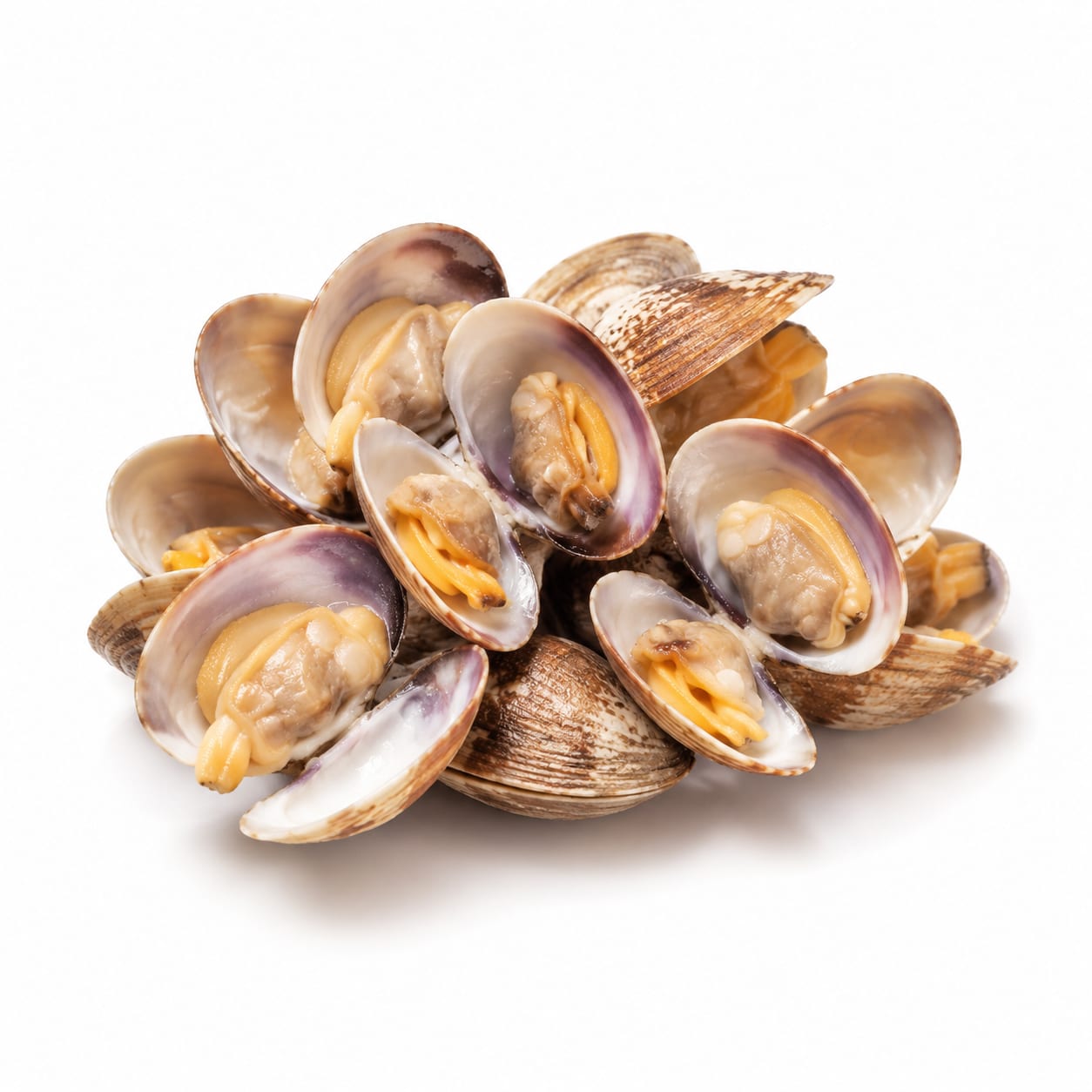
Clam

Lobster
Clams deliver an unmatched nutritional punch for a fraction of the cost, while lobster offers leaner, more concentrated protein with a luxury price tag.
Clams win due to exceptional micronutrient density, lower cost, and better suitability for regular consumption. Lobster is excellent but held back by high cholesterol and luxury pricing.
Clams provide massive B12 and iron boosts on a budget, whereas lobster delivers highly concentrated lean protein but with more cholesterol and heavy metals.
At a glance
Executive summary
Overall
Clam
Healthier
Clam
More practical
Clam
Daily use
Clam
Key comparison lenses
micronutrient density
Clams are famously rich in B12 and iron, making nutrient density the primary differentiator
cholesterol and heart health
Lobster is surprisingly high in dietary cholesterol, a common concern for seafood lovers
heavy metal and contaminant exposure
Lobster accumulates more heavy metals over its lifespan, while clams face biotoxin risks
cost and everyday practicality
Lobster is a luxury item, whereas clams are an affordable everyday protein
Best choice for
Clam
- Budget-conscious eaters wanting maximum nutrition
- Anyone needing an iron or B12 boost
- Regular weekly seafood meals
Lobster
- Special occasion indulgence
- Lean macro-focused diets
- Low-fat high-protein meals
Least suitable for
Clam
- People with severe shellfish allergies
- Those prone to gout flares due to purines
Lobster
- People strictly managing dietary cholesterol
- Tight grocery budgets
- Frequent daily consumption
Deep comparison
Dimension by dimension
Each lens scores both foods and breaks down who each option suits.
- Dimension 1 · Priority 95Clam
Nutrient Density
Clam · 98Lobster · 70Clams are one of the most nutrient-dense foods available, overflowing with vitamin B12, iron, and selenium. Lobster is nutritious but cannot compete with the vitamin and mineral load of clams.
Tradeoff
You get far more blood-building iron and energy-supporting B12 from clams, while lobster offers slightly more protein per bite.
Why it matters
B12 and iron deficiencies are common and cause fatigue; clams act as a natural fix.
Real-world impact
Eating clams once a week can keep your energy steadier and help prevent that afternoon crash linked to low iron.
Clam
- Preventing anemia
- Fighting daily fatigue
- Budget-friendly nutrition
Better for
- Lower total protein per serving
Worse for
Lobster
- Lean muscle maintenance
- Low-fat diets
Better for
- Missing out on massive B12 and iron loads
Worse for
- Dimension 2 · Priority 85Clam
Cholesterol and Heart Health
Clam · 75Lobster · 55Lobster is surprisingly high in dietary cholesterol, which can be a concern for heart health. Clams contain cholesterol too but bring heart-friendly omega-3s and B12 to the table.
Tradeoff
Lobster gives you lean protein but with a heavy cholesterol load; clams offer a better balance of heart-protective nutrients.
Why it matters
If you are watching your lipid profile, lobster's cholesterol count can add up quickly during a single meal.
Real-world impact
A lobster dinner can easily push you past your daily cholesterol budget, while clams keep you well within limits.
Clam
- Cardiovascular diets
- Balancing cholesterol with protective nutrients
Better for
- Still contains moderate dietary cholesterol
Worse for
Lobster
- Strictly low-fat meal plans
Better for
- High cholesterol per serving
Worse for
- Dimension 3 · Priority 80Clam
Contaminant and Heavy Metal Safety
Clam · 70Lobster · 60Both are relatively safe, but lobster tends to accumulate more heavy metals like mercury over its lifespan. Clams are filter feeders, meaning biotoxin risks are their main safety concern.
Tradeoff
Lobster carries a slightly higher heavy metal burden over time, while clams carry a risk of biotoxins if not sourced properly.
Why it matters
Regular seafood eaters need to manage cumulative mercury exposure to protect brain health.
Real-world impact
Choosing clams over lobster for your weekly seafood fix keeps your long-term heavy metal load lower.
Clam
- Frequent seafood consumption
- Lower mercury exposure
Better for
- Raw clam biotoxin risks
Worse for
Lobster
- Less risk of biotoxin exposure
Better for
- Higher cumulative heavy metals
Worse for
- Dimension 4 · Priority 75Lobster
Protein Quality and Satiety
Clam · 78Lobster · 88Lobster provides highly concentrated, lean protein that keeps you full without feeling heavy. Clams offer good protein but with more water weight per calorie.
Tradeoff
If you want maximum protein per bite with minimal fat, lobster is the winner, though it is less filling in total volume.
Why it matters
High-quality lean protein supports muscle maintenance and keeps cravings at bay.
Real-world impact
A lobster tail makes a satisfying post-workout meal that feels indulgent but stays lean.
Clam
- Volume eating
- Stews and soups for warmth
Better for
- Lower protein density per calorie
Worse for
Lobster
- Post-workout recovery
- Macro-tracking
Better for
- Low volume can leave you wanting more food
Worse for
- Dimension 5 · Priority 70Clam
Practicality and Cost
Clam · 90Lobster · 40Clams are affordable, easy to find canned or frozen, and simple to add to pastas or soups. Lobster is expensive, often reserved for special occasions, and harder to prepare.
Tradeoff
Clams are an everyday superfood that will not break the bank; lobster is a luxury that is hard to justify regularly.
Why it matters
Healthy eating only works if it is sustainable and affordable for your lifestyle.
Real-world impact
You can eat clams every week without thinking about the cost, while lobster is usually a once-or-twice-a-year treat.
Clam
- Weekly meal prep
- Budget-friendly dinners
Better for
- Requires cleaning and scrubbing fresh shells
Worse for
Lobster
- Celebratory meals
- Impressing guests
Better for
- Prohibitively expensive for regular use
Worse for
Timeline
Health impact over time
Short-term
Hours to days
Clam
- Quick energy boost from B12 and iron
- Comforting and filling when eaten in soups
Lobster
- High satiety from lean protein
- May leave you hungry soon after due to low food volume
Long-term
Months to years
Clam
- Supports red blood cell production and prevents anemia
- Maintains steady energy levels and brain function
Lobster
- Great for maintaining lean muscle mass
- Frequent consumption could negatively impact cholesterol levels
Risk profile
Safety & processing
Both clams and lobster are whole, natural foods. Canned clams may have added sodium, but fresh versions of both are entirely unprocessed.
Clam
Biotoxins from red tide
mediumFilter feeding can concentrate harmful algal blooms; always source from approved waters
Foodborne illness from raw consumption
mediumRaw clams can harbor Vibrio bacteria; cooking eliminates this risk
Lobster
Heavy metal accumulation
mediumLobster can contain higher levels of mercury and cadmium, particularly in the tomalley
High dietary cholesterol
mediumA single serving provides a large portion of the daily cholesterol limit, which is a concern for sensitive individuals
Who wins for whom
Audience fit
Same foods, different winners depending on your goal.
children
ClamClams are easier to portion in pastas and provide essential iron and B12 for growth
daily consumption
ClamAffordable, lower in heavy metals, and packed with everyday nutrients; lobster is best kept occasional
diabetes
ClamClams have a richer micronutrient profile and lower cholesterol, supporting better metabolic health
elderly
ClamB12 and iron absorption become harder with age, making clams an incredibly functional food for seniors
muscle gain
LobsterLobster provides more concentrated, high-quality protein per calorie for muscle repair
weight loss
ClamClams offer more volume and fewer calories per serving, making it easier to feel full on less
Your move
Decision guide
Choose Clam
- You want maximum nutrition per dollar
- You need an iron or B12 boost
- You want a sustainable weekly seafood habit
Choose Lobster
- You are celebrating a special occasion
- You want lean protein with a luxury feel
- You are tracking macros closely and need pure protein
Either works if
- You just want high-quality seafood protein
- You are not constrained by budget or cholesterol limits
Avoid both if
- You have a shellfish allergy
- You need to restrict purines for gout management
Final recommendation
Make clams your everyday shellfish for their unmatched B12, iron, and affordability. Save lobster for when you want a lean, indulgent treat without the everyday price tag.
Practical
Consumer tips
- 1
Always buy clams from reputable sources to avoid biotoxin exposure
- 2
If watching cholesterol, limit lobster to occasional meals rather than weekly
- 3
Canned clams are a budget-friendly, nutrient-dense pantry staple for quick pastas
- 4
When cooking lobster, skip the drawn butter to keep it truly lean and heart-healthy