
Nutrition comparison
Clam vs Oysters: Nutrition, Safety, and Which to Eat
Comparing clams and oysters? Discover the key differences in zinc, B12, protein, and food safety to decide which shellfish is best for your health.
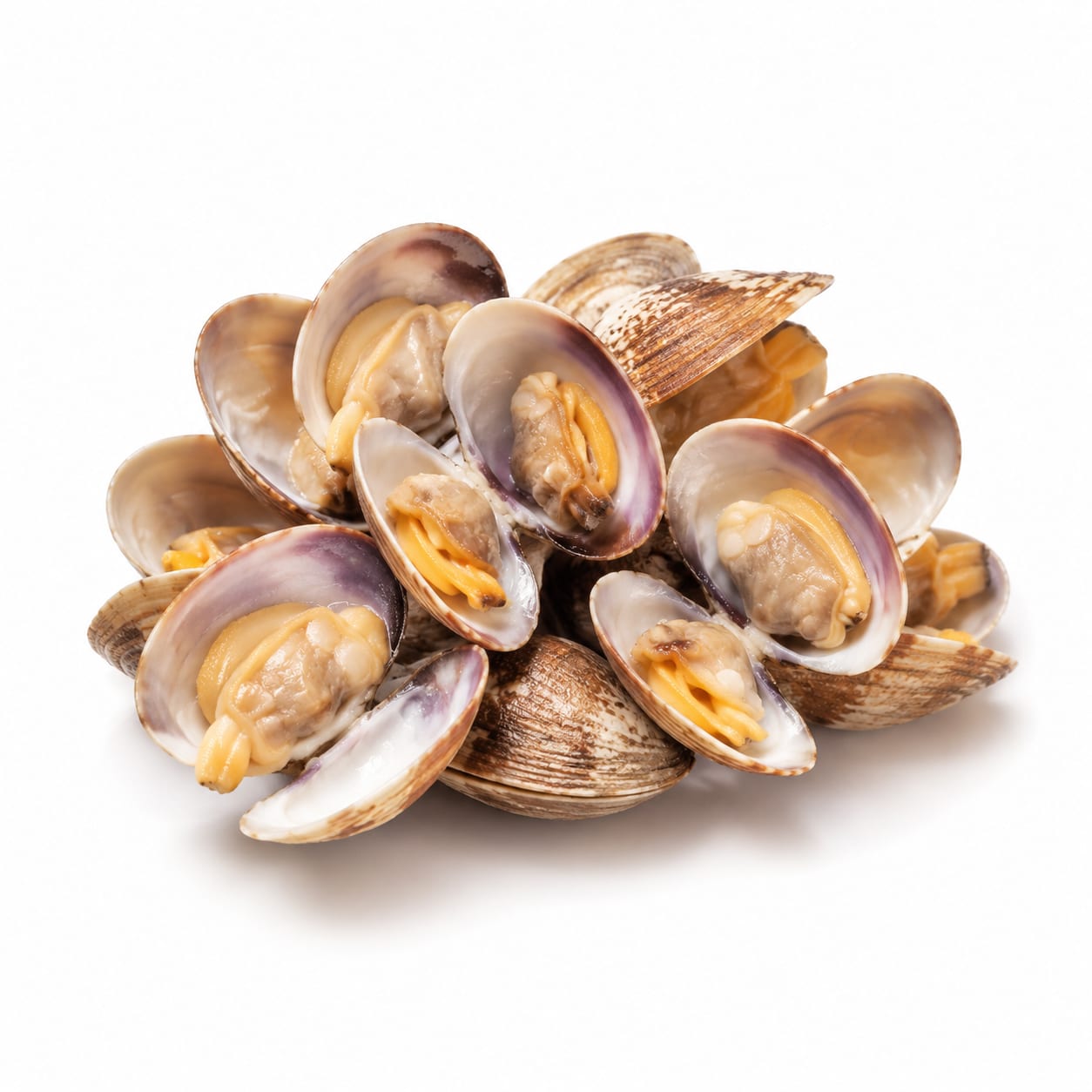
Clam
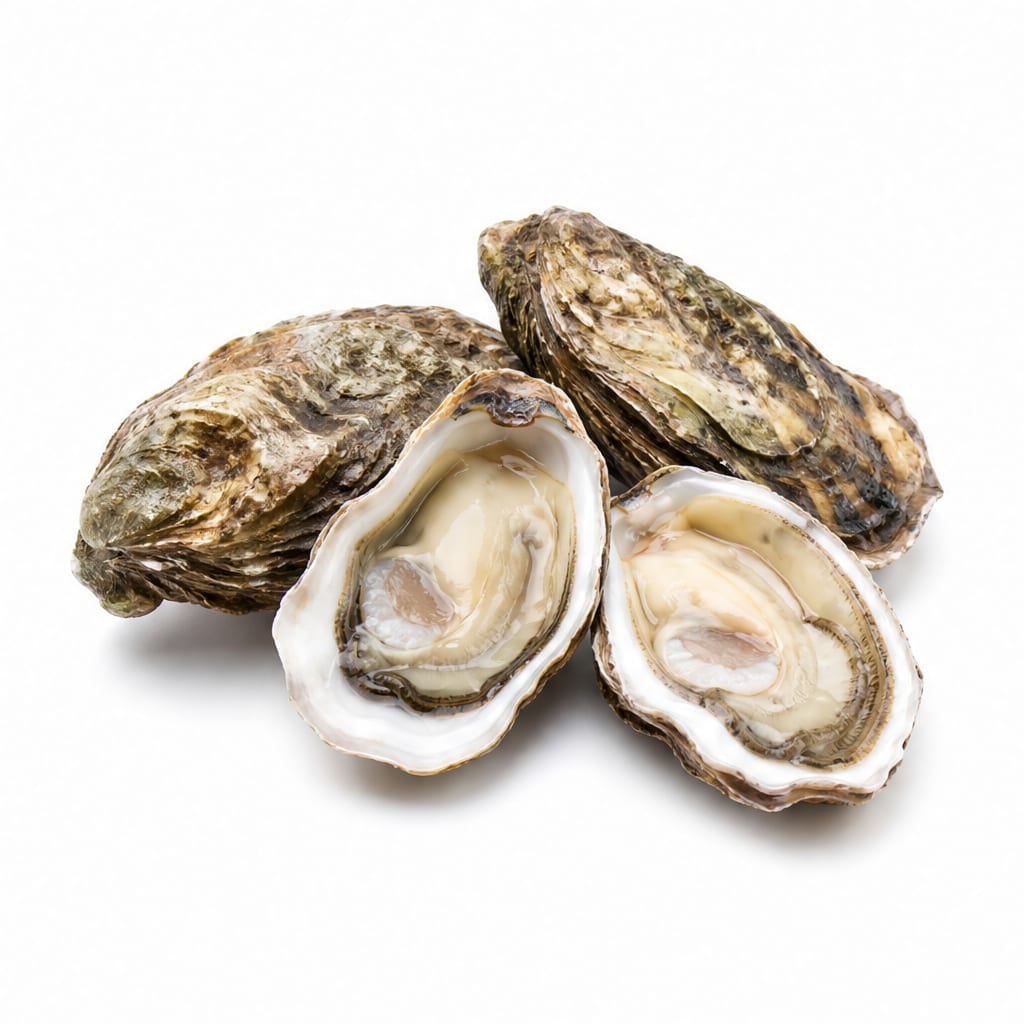
Oysters
Clams edge out for everyday nutrition, protein, and safety, while oysters deliver an unmatched zinc punch but carry higher raw consumption risks.
Clams win slightly due to higher protein, superior B12 and iron density, and lower food safety risks, though oysters are nutritionally elite in their own right.
Massive B12 and iron from clams versus exceptional zinc and a unique gourmet experience from oysters.
At a glance
Executive summary
Overall
It depends
Healthier
Clam
More practical
Clam
Daily use
Clam
Key comparison lenses
Micronutrient profile differences (Vitamin B12 vs Zinc)
Clams and oysters are both nutritional powerhouses, but they dominate entirely different mineral and vitamin categories, driving specific health outcomes.
Raw consumption safety and Vibrio risk
Oysters are frequently consumed raw, which carries severe food safety implications that clams, typically cooked, largely avoid.
Culinary versatility and everyday practicality
Clams are a weeknight staple in pastas and chowders, whereas oysters are often treated as an expensive delicacy or restaurant item.
Best choice for
Clam
- Everyday cooks needing versatile seafood
- People looking to correct B12 deficiency or anemia
- Budget-conscious seafood lovers
Oysters
- Those seeking a massive zinc boost for immunity or testosterone
- Raw bar enthusiasts dining at reputable spots
- People wanting a rich, celebratory appetizer
Least suitable for
Clam
- Those seeking a raw bar or sushi experience
- People who dislike chewy seafood textures
Oysters
- Immunocompromised individuals (if consuming raw)
- Budget-restricted daily meal prep
Deep comparison
Dimension by dimension
Each lens scores both foods and breaks down who each option suits.
- Dimension 1 · Priority 95It depends
Micronutrient Supremacy (B12/Iron vs Zinc)
Clam · 95Oysters · 92Clams are arguably the best B12 source on the planet, while oysters dominate the zinc category.
Tradeoff
You choose between top-tier brain and blood support from clams or immune and reproductive health support from oysters.
Why it matters
Both nutrients are commonly deficient, but B12 deficiency is more widespread, especially in aging populations.
Real-world impact
Eating clams can quickly clear up brain fog and fatigue from anemia; oysters can boost immunity and support male reproductive health.
Clam
- Reversing B12 deficiency
- Boosting energy with iron
- Supporting nervous system health
Better for
- Zinc-specific deficiencies
Worse for
Oysters
- Boosting testosterone naturally
- Fighting off colds with zinc
- Supporting wound healing
Better for
- Severe B12 or iron deficiencies
Worse for
- Dimension 2 · Priority 90Clam
Food Safety & Raw Consumption Risk
Clam · 85Oysters · 70Oysters are frequently eaten raw, exposing eaters to Vibrio bacteria, whereas clams are almost always cooked, neutralizing pathogens.
Tradeoff
The gourmet raw oyster experience comes with a non-trivial risk of severe foodborne illness, especially in warmer months.
Why it matters
Vibrio vulnificus can be life-threatening for those with liver disease, diabetes, or weakened immunity.
Real-world impact
A raw oyster can ruin a summer weekend or worse; steamed clams are a much safer bet for a worry-free meal.
Clam
- Worry-free seafood consumption
- Pregnant diners (when cooked)
- Immunocompromised individuals
Better for
- Missing out on raw bar culture
Worse for
Oysters
- Culinary purists wanting raw seafood
Better for
- Risk of severe food poisoning
- Anxiety about warm-month harvesting
Worse for
- Dimension 3 · Priority 85Clam
Culinary Versatility & Practicality
Clam · 90Oysters · 75Clams integrate easily into pastas, chowders, and steamed dishes, while oysters are mostly a standalone delicacy or fried.
Tradeoff
Clams are an everyday ingredient; oysters are an event.
Why it matters
You are more likely to reap nutritional benefits from a food you can easily incorporate into weekly meals.
Real-world impact
Tossing clams into a weeknight linguine is effortless; shucking oysters requires skill and is usually reserved for weekends.
Clam
- Weeknight dinner rush
- Meal prep integration
- Budget-friendly seafood options
Better for
- High-end raw appetizers
Worse for
Oysters
- Impressing dinner guests
- Special occasion dining
Better for
- Quick family meals
- Stretching a grocery budget
Worse for
- Dimension 4 · Priority 80Clam
Protein & Satiety
Clam · 88Oysters · 80Clams pack more protein per calorie, keeping you fuller for longer.
Tradeoff
Oysters have slightly more fat, making them richer but less protein-dense.
Why it matters
Higher protein content makes clams a better fit for muscle maintenance and appetite control.
Real-world impact
A bowl of clam chowder feels like a substantive meal; a half-dozen oysters feels more like a light appetizer.
Clam
- Post-workout recovery
- Staying full between meals
- Muscle preservation
Better for
- Those wanting higher dietary fat
Worse for
Oysters
- A richer, more indulgent mouthfeel
Better for
- High-protein diet needs
Worse for
Timeline
Health impact over time
Short-term
Hours to days
Clam
- Quick energy boost from high B12
- Satisfying protein intake that curbs hunger
Oysters
- Immediate zinc support for immune function
- Rich, satisfying flavor profile that feels indulgent
Long-term
Months to years
Clam
- Supports nervous system health and prevents anemia
- Maintains muscle mass with consistent high-quality protein
Oysters
- Supports immune resilience and wound healing
- Promotes reproductive health and hormone balance
Risk profile
Safety & processing
Both clams and oysters are whole, natural foods with minimal processing, especially when bought fresh or frozen.
Clam
Red tide toxins
mediumCan cause paralytic shellfish poisoning if harvested from unmonitored waters, though commercial harvesting is heavily regulated.
Grit and sand
lowImproper cleaning can lead to an unpleasant crunchy texture, but poses no health threat.
Oysters
Vibrio vulnificus infection
highRaw oysters in warm months carry a high risk of this deadly bacteria, especially dangerous for those with liver disease or weakened immunity.
Norovirus
mediumAs filter feeders, oysters can harbor norovirus from contaminated waters if eaten raw.
Who wins for whom
Audience fit
Same foods, different winners depending on your goal.
children
ClamCooked clams in chowders or pastas are safer and easier for kids to eat than raw or slippery oysters.
daily consumption
ClamCheaper, safer, and more versatile for everyday cooking.
diabetes
ClamThe higher protein-to-calorie ratio in clams helps stabilize blood sugar without adding excess calories.
elderly
ClamCrucial B12 for cognitive health and a safer cooked profile make clams a better choice for aging populations.
muscle gain
ClamHigher protein density in clams supports muscle repair and growth more effectively.
weight loss
ClamClams offer more protein and fewer calories per serving, making them more satiating for weight management.
Your move
Decision guide
Choose Clam
- You want a safe, protein-rich weeknight dinner
- You need a massive B12 or iron boost
- You are cooking for immunocompromised guests
Choose Oysters
- You are celebrating a special occasion
- You specifically want to boost zinc intake
- You are dining at a reputable raw bar in a cold-water month
Either works if
- You just want high-quality lean seafood with heart-healthy minerals
- You are looking to diversify your protein sources beyond chicken and beef
Avoid both if
- You have a known shellfish allergy
- You are pregnant and considering raw preparations (cooked is generally safe)
Final recommendation
Keep clams in your regular dinner rotation for safe, everyday nutrition and energy, and save oysters for an occasional zinc-rich treat when you can verify safe sourcing.
Practical
Consumer tips
- 1
Only eat raw oysters in months with an 'R' (colder months) to reduce Vibrio risk.
- 2
Soak clams in cold salted water for 20 minutes before cooking to purge sand.
- 3
Canned clams are a surprisingly excellent and cheap source of B12 and protein for quick meals.
- 4
If pregnant or immunocompromised, both are highly nutritious but must be cooked to an internal temperature of 145°F.