
Nutrition comparison
Clam vs Sardines: Nutrition, Omega-3, and Health Benefits Compared
Clams vs sardines: Which is healthier? Compare omega-3s, B12, iron, calcium, and mercury levels to find the best seafood for your diet.
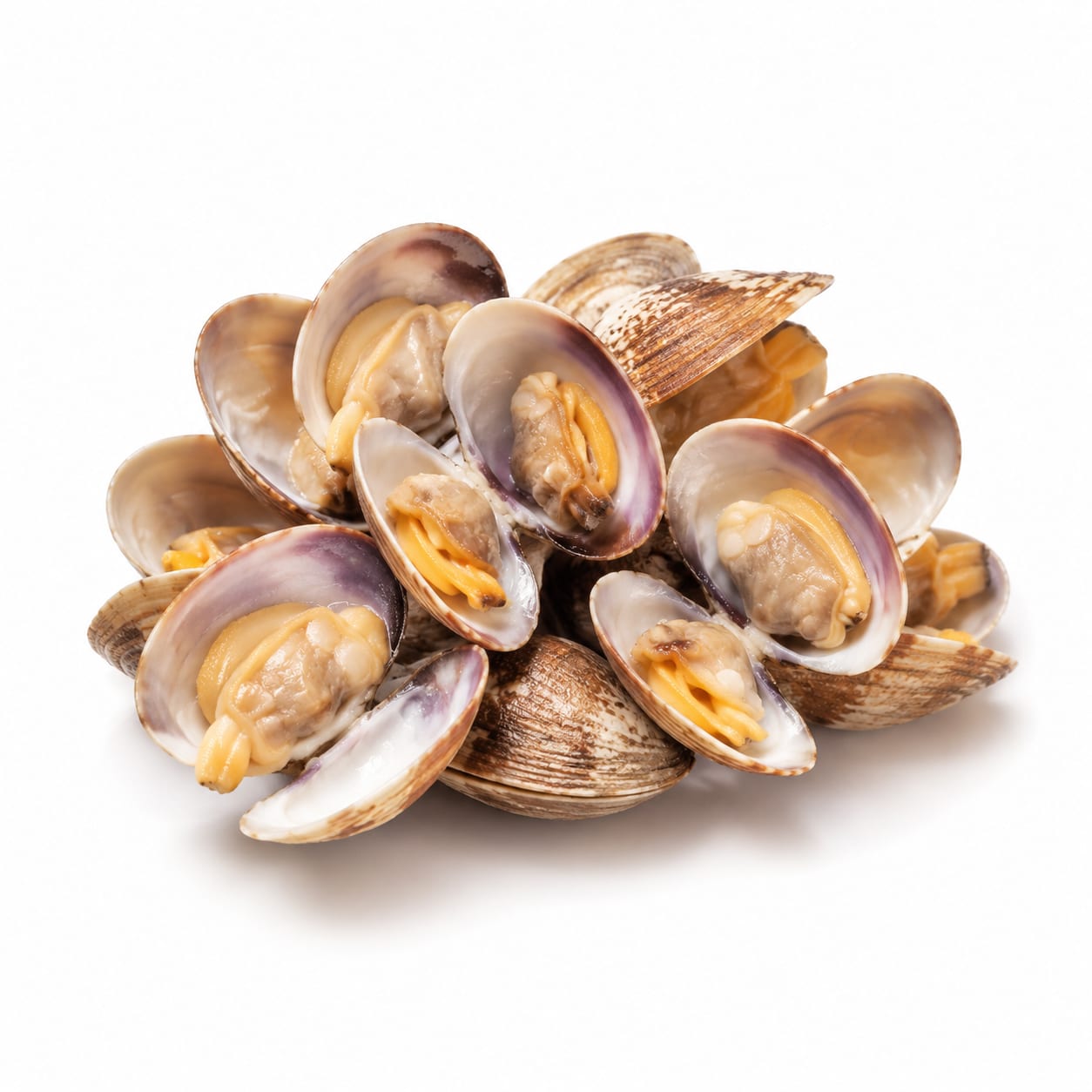
Clam
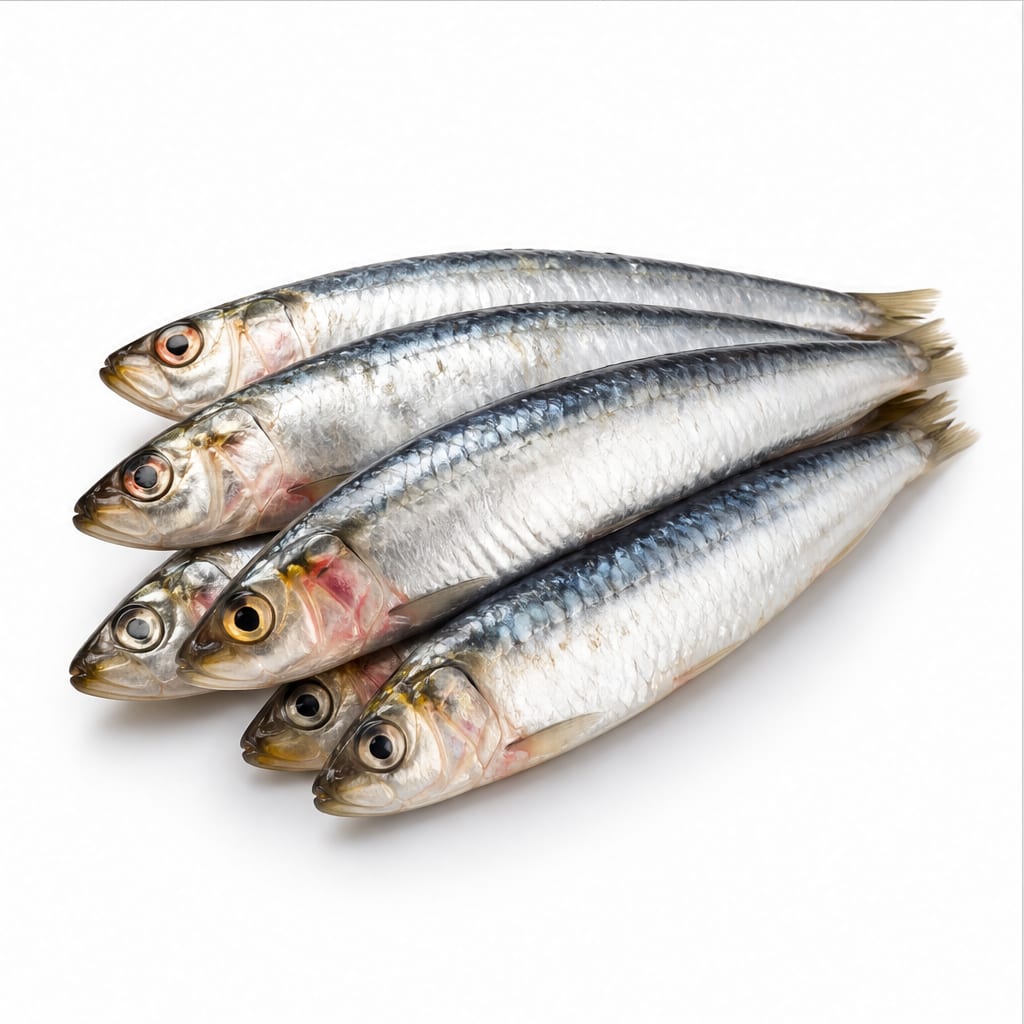
Sardines
Sardines win for omega-3s and calcium, while clams dominate in iron and B12 with fewer calories.
Sardines edge out clams slightly due to their exceptional omega-3 and calcium content, which address common dietary gaps, though clams remain a micronutrient powerhouse for blood health.
You choose between the anti-inflammatory fats and bone-building calcium of sardines, or the unmatched iron, B12, and lean profile of clams.
At a glance
Executive summary
Overall
It depends
Healthier
It depends
More practical
Sardines
Daily use
Sardines
Key comparison lenses
Omega-3 fatty acid density
Sardines are a top-tier source of marine omega-3s, while clams provide minimal amounts, making this the most striking nutritional difference.
Vitamin B12 and Iron supplementation
Clams offer some of the highest B12 and iron levels found in any food, far surpassing sardines, which is critical for energy and blood health.
Bone health and calcium intake
Sardines eaten with soft bones provide substantial calcium, whereas clams contain very little, making sardines a key dairy-free calcium source.
Heavy metal and toxin safety
Both are low on the food chain, but consumers often compare seafood for mercury and biotoxin risks like red tide in clams.
Convenience and everyday practicality
Canned sardines are a ready-to-eat staple, while clams often require cooking or shucking, impacting daily usability.
Best choice for
Clam
- Anemia prevention
- Low-fat diets
- B12 deficiency
- Gout sufferers
Sardines
- Heart health
- Bone density
- Anti-inflammatory needs
- Dairy-free calcium seekers
Least suitable for
Clam
- People wanting easy omega-3s
- Those who dislike chewy textures
Sardines
- Gout sufferers
- People watching purine intake
- Those averse to strong fish flavors
Deep comparison
Dimension by dimension
Each lens scores both foods and breaks down who each option suits.
- Dimension 1 · Priority 95Sardines
Omega-3 & Anti-Inflammatory Fats
Clam · 40Sardines · 98Sardines are one of the best sources of EPA and DHA omega-3s, while clams provide very little.
Tradeoff
Choosing clams means missing out on the heart and brain benefits of marine omega-3s unless you supplement.
Why it matters
Omega-3s are critical for reducing inflammation and supporting brain health.
Real-world impact
Eating sardines a few times a week can noticeably improve joint stiffness and heart health markers.
Clam
- Low-fat dietary needs
Better for
- Omega-3 deficiency
Worse for
Sardines
- Cardiovascular protection
- Brain health
- Reducing joint pain
Better for
- Strict low-fat diets
Worse for
- Dimension 2 · Priority 90Clam
Iron & Vitamin B12 Density
Clam · 99Sardines · 70Clams offer astronomical levels of B12 and heme iron, far surpassing sardines.
Tradeoff
If you struggle with anemia or low energy, clams are the superior fix, while sardines offer only moderate amounts.
Why it matters
B12 and iron are essential for energy production and preventing anemia, especially in women and older adults.
Real-world impact
A single serving of clams can provide weeks' worth of B12, making it a quick fix for fatigue.
Clam
- Combating fatigue
- Anemia recovery
- Pregnancy nutrition
Better for
- Hemochromatosis (iron overload)
Worse for
Sardines
- General maintenance
Better for
- Severe B12 or iron deficiency
Worse for
- Dimension 3 · Priority 85Sardines
Bone Health & Calcium
Clam · 10Sardines · 92Sardines eaten with their soft bones provide a highly absorbable calcium source; clams have very little calcium.
Tradeoff
Sardines act as a multi-vitamin for bones, while clams require you to get calcium from other foods like dairy or greens.
Why it matters
Calcium is vital for bone density, and getting it from whole food sources with natural vitamin D is highly effective.
Real-world impact
Eating sardines helps you hit your daily calcium goals without needing supplements.
Clam
- Those avoiding calcium for medical reasons
Better for
- Those relying on seafood for calcium
Worse for
Sardines
- Osteoporosis prevention
- Dairy-free diets
Better for
- People who dislike eating the bones
Worse for
- Dimension 4 · Priority 75Sardines
Convenience & Preparation
Clam · 50Sardines · 88Canned sardines are a grab-and-go staple, while clams often require shucking or cooking fresh.
Tradeoff
Sardines are ready to eat straight from the can, whereas clams usually need more prep work or cooking.
Why it matters
Convenience determines how often you actually eat a healthy food.
Real-world impact
Keeping canned sardines in your pantry guarantees a quick, nutritious meal when you are too busy to cook.
Clam
- Gourmet cooking
- Special occasion meals
Better for
- Busy weeknights
- No-cook situations
Worse for
Sardines
- Quick lunches
- Pantry staples
- Travel snacks
Better for
- Fine dining presentation
Worse for
- Dimension 5 · Priority 70Clam
Purine & Histamine Sensitivity
Clam · 70Sardines · 35Sardines are high in purines and histamine, which can trigger gout or allergies; clams are lower in histamine.
Tradeoff
If you have gout or histamine intolerance, clams are the safer seafood choice.
Why it matters
Purines break down into uric acid, which can cause painful gout flare-ups in susceptible people.
Real-world impact
Eating sardines could trigger a gout attack for prone individuals, while clams are less likely to cause issues.
Clam
- Gout management
- Histamine intolerance
Better for
Sardines
- Gout sufferers
- Histamine sensitivity
Worse for
Timeline
Health impact over time
Short-term
Hours to days
Clam
- Quick energy boost from high B12 and iron
- Light, lean meal that will not weigh you down
Sardines
- Sustained satiety from higher fat content
- Potential digestive comfort from anti-inflammatory omega-3s
Long-term
Months to years
Clam
- Excellent for preventing anemia and cognitive decline from B12
- Supports thyroid function with selenium
Sardines
- Strong cardiovascular protection from omega-3s
- Improved bone density from natural calcium and vitamin D
Risk profile
Safety & processing
Both clams and sardines are typically consumed with minimal processing, though canned versions may contain added salt or oils.
Clam
Shellfish biotoxicity
mediumClams are filter feeders and can accumulate biotoxins like red tide if harvested from unmonitored waters.
Heavy metals
lowClams are generally low in mercury but can contain some cadmium depending on local water quality.
Sardines
Purine-induced gout
mediumSardines are high in purines, which can trigger gout attacks in susceptible individuals.
Histamine toxicity
lowImproperly stored sardines can build up histamine, causing allergic-like reactions even in people without typical allergies.
Who wins for whom
Audience fit
Same foods, different winners depending on your goal.
children
SardinesSardines provide calcium and vitamin D for growing bones, though the taste and texture can be a hard sell for kids.
daily consumption
SardinesSardines are easier to eat daily for consistent omega-3 intake, though varying both is ideal.
diabetes
SardinesThe omega-3s in sardines help improve insulin sensitivity and protect against diabetic cardiovascular risks.
elderly
SardinesThe calcium, vitamin D, and omega-3s in sardines directly target age-related bone loss and cognitive decline.
muscle gain
It dependsSardines offer more calories and anti-inflammatory fats for recovery, while clams provide pure lean protein and B12 for energy.
weight loss
ClamClams are extremely low in calories and fat, making them a lean protein for calorie-restricted diets.
Your move
Decision guide
Choose Clam
- You are prone to anemia or have low iron and B12
- You want a very low-calorie, lean protein
- You have gout or histamine intolerance
Choose Sardines
- You need more omega-3s for heart or brain health
- You want a dairy-free calcium source
- You need a shelf-stable, ready-to-eat protein
Either works if
- You want high-quality marine protein
- You are looking to diversify your seafood intake
- You want to avoid high-mercury fish
Avoid both if
- You have a severe shellfish or fish allergy
- You are on a strict low-sodium diet and only have access to heavily salted canned versions
Final recommendation
Let your primary nutritional gap decide: choose sardines for heart health, brain function, and bone support, or choose clams for an energy boost, anemia prevention, and a leaner profile. Rotating both gives you the best of both worlds.
Practical
Consumer tips
- 1
Rinse canned clams or sardines under water to remove up to 30 percent of the added sodium.
- 2
If you dislike sardine bones, look for boneless skinless varieties, though you will lose the calcium benefit.
- 3
Pair clams with a vitamin C source like tomatoes or bell peppers to dramatically boost iron absorption.
- 4
Buy sardines packed in water or olive oil rather than soybean oil to avoid inflammatory seed oils.