
Nutrition comparison
Clams vs Scallops: Nutrition, Health Benefits & Which to Choose
Compare clams vs scallops for protein, iron, B12, and mercury risk. Find out which shellfish is better for weight loss, anemia, and daily meals.
Overall winner · Clam
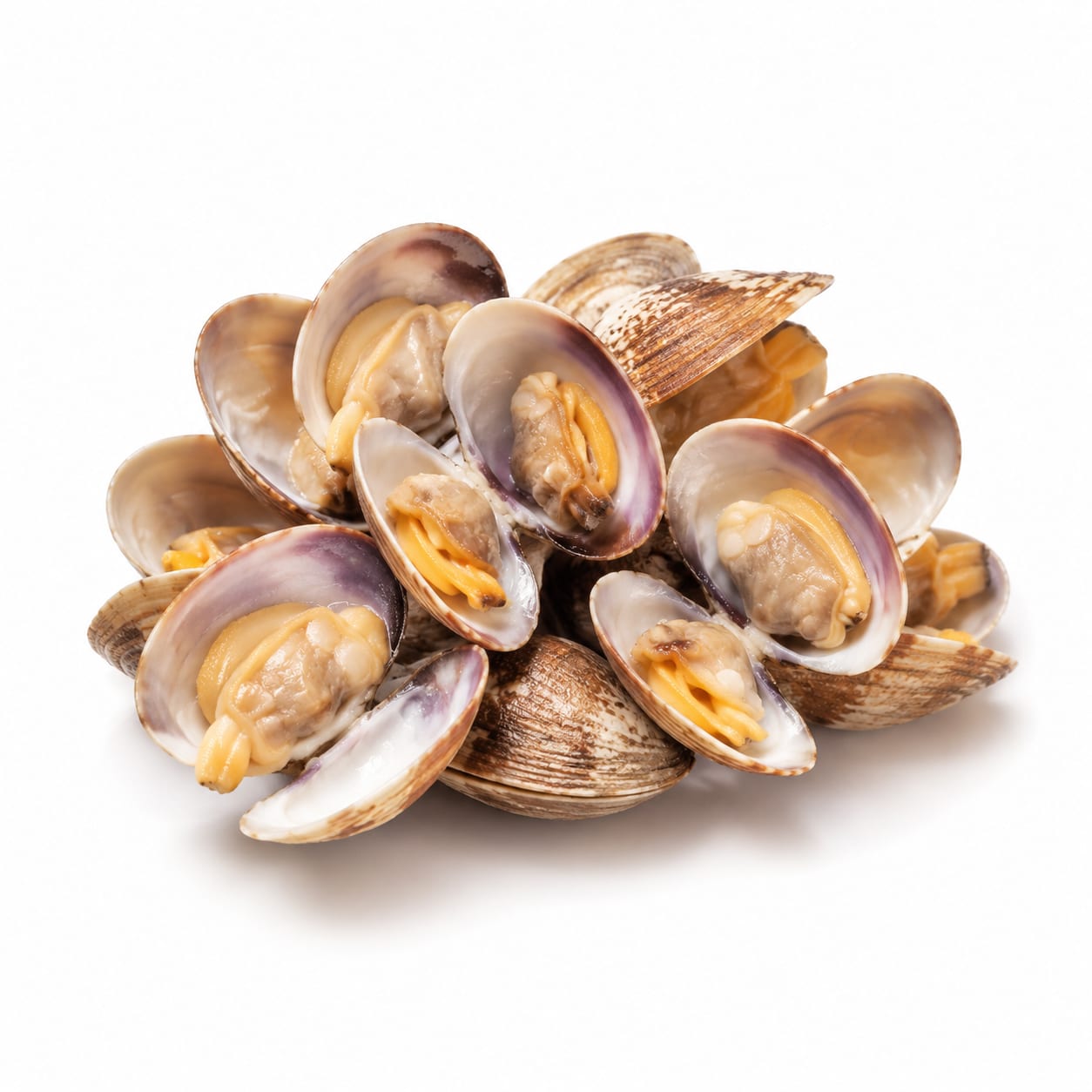
Clam
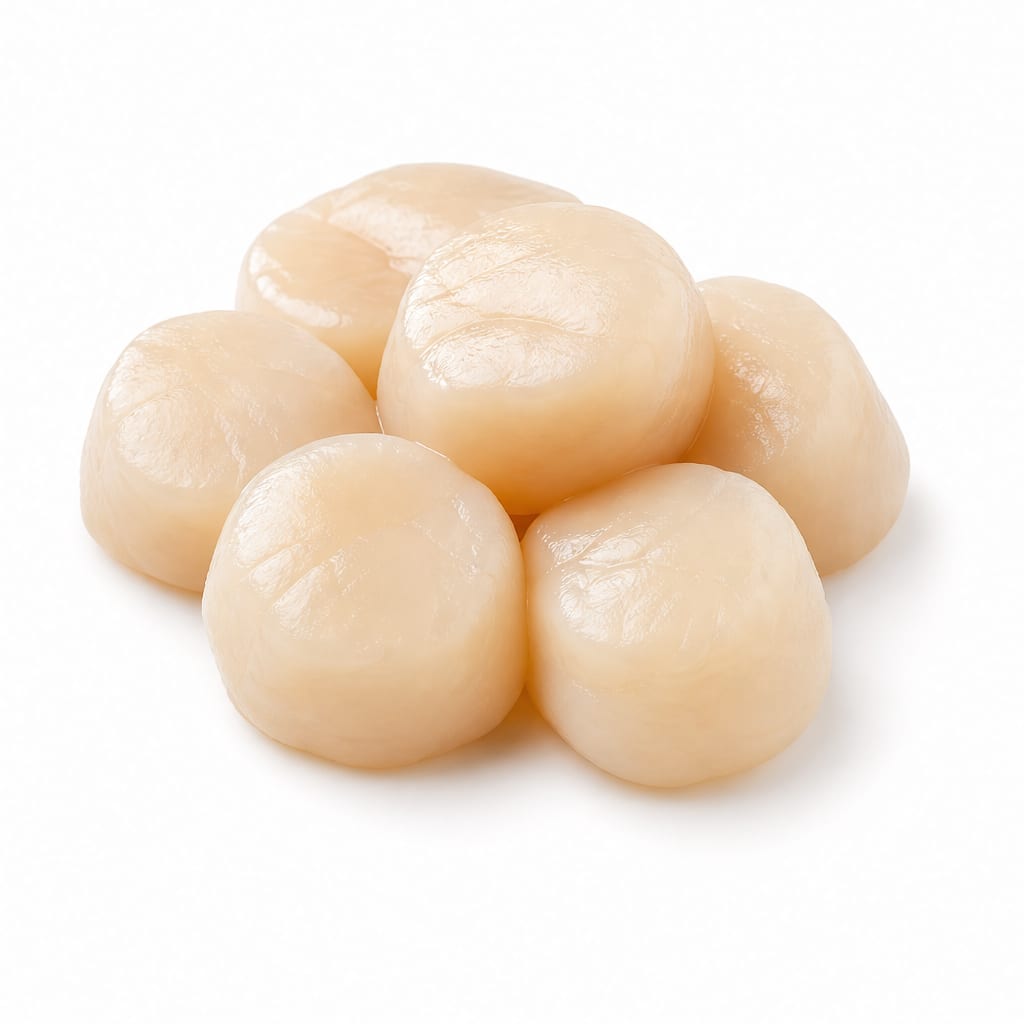
Scallops
Clams deliver an unmatched punch of vitamin B12 and iron at a budget-friendly price, while scallops offer leaner protein and a more delicate, elegant eating experience.
Clams score slightly higher due to their exceptional micronutrient profile and everyday affordability, though scallops are superior for pure lean protein and low-calorie diets.
Massive micronutrient density and affordability versus lower calories and culinary refinement.
At a glance
Executive summary
Overall
Clam
Healthier
Clam
More practical
Clam
Daily use
Clam
Key comparison lenses
Micronutrient density (B12, Iron)
Clams are notoriously rich in vitamin B12 and iron, making them a top choice for blood health, while scallops are lower in these specific nutrients.
Protein quality and leanness
Scallops offer an exceptionally lean protein profile with fewer calories per gram, ideal for clean eating and weight management.
Toxin and heavy metal exposure
Both are bivalve filter feeders, meaning they filter large volumes of seawater and can accumulate environmental contaminants, requiring careful sourcing.
Cost and everyday practicality
Clams are generally far more affordable and accessible in canned forms, whereas scallops are a premium-priced protein usually reserved for special occasions.
Best choice for
Clam
- Boosting iron and B12 levels
- Budget-friendly everyday seafood
- Hearty stews and pasta dishes
Scallops
- Low-calorie high-protein meals
- Elegant dinner parties
- Light, easy-to-digest textures
Least suitable for
Clam
- People strictly limiting sodium (especially with canned varieties)
- Those who dislike chewy textures
Scallops
- Tight grocery budgets
- People avoiding phosphate additives in wet-packed forms
Deep comparison
Dimension by dimension
Each lens scores both foods and breaks down who each option suits.
- Dimension 1 · Priority 95Clam
Micronutrient Density
Clam · 98Scallops · 75Clams are one of the most nutrient-dense foods on the planet, offering off-the-charts levels of vitamin B12 and iron.
Tradeoff
You get far more blood-building nutrients with clams, but scallops still provide solid selenium and zinc.
Why it matters
B12 and iron are common deficiencies, especially for women and older adults, leading to fatigue and brain fog.
Real-world impact
Eating clams can noticeably boost your energy if you are running low on iron or B12.
Clam
- Correcting iron-deficiency anemia
- Boosting B12 for nerve health and energy
- Supporting thyroid function with selenium
Better for
- People with hemochromatosis avoiding excess iron
Worse for
Scallops
- Getting lean protein without a massive mineral load
Better for
- Those needing a significant iron or B12 boost from food
Worse for
- Dimension 2 · Priority 90Scallops
Protein and Calorie Profile
Clam · 82Scallops · 92Scallops are incredibly lean and pack more protein per calorie than clams.
Tradeoff
Scallops give you cleaner, leaner protein, while clams bring slightly more carbohydrates and natural sodium.
Why it matters
A higher protein-to-calorie ratio helps you stay full and maintain muscle without overshooting your daily calorie budget.
Real-world impact
A scallop dinner feels light but satisfying, making it easier to hit protein goals without feeling stuffed.
Clam
- Sustained energy from a balanced mix of protein and carbs
Better for
- Strict macro counting if using canned clams packed in oil
Worse for
Scallops
- Strict calorie tracking for weight loss
- Post-workout lean muscle recovery
- Cutting body fat while preserving muscle
Better for
- Those wanting a heartier, more filling meal on a budget
Worse for
- Dimension 3 · Priority 85It depends
Contaminant and Toxin Risk
Clam · 78Scallops · 80Both are filter feeders, meaning they filter large volumes of water and can accumulate toxins or heavy metals.
Tradeoff
Clams tend to live closer to shore in muddier environments, while scallops are often harvested from deeper waters, but risk depends entirely on harvest location.
Why it matters
Eating seafood from polluted waters can lead to exposure to heavy metals or biotoxins like paralytic shellfish poisoning.
Real-world impact
You should always source both clams and scallops from reputable suppliers with strict water quality monitoring.
Clam
- Higher chance of grit and sediment exposure
Worse for
Scallops
- Slightly lower risk of sediment-bound pollutants due to deeper water habitats
Better for
- Risk of sodium tripolyphosphate (STPP) additives in frozen varieties
Worse for
- Dimension 4 · Priority 80Clam
Cost and Practicality
Clam · 90Scallops · 60Clams are generally much more affordable and widely available in shelf-stable canned forms.
Tradeoff
Scallops are a premium, expensive ingredient, while clams are an everyday accessible seafood.
Why it matters
Cost determines how often you can actually include a healthy food in your regular diet rotation.
Real-world impact
You can easily add canned clams to a weeknight pasta, but seared scallops are usually reserved for special occasions due to price.
Clam
- Weekday meal prep
- Budget-conscious diets
- Quick pantry meals
Better for
- Requires cleaning and de-gritting if buying fresh
Worse for
Scallops
- Special occasion dining
- Impressing guests with gourmet cooking
Better for
- Hard to justify for everyday dinners
Worse for
Timeline
Health impact over time
Short-term
Hours to days
Clam
- Quick energy boost from high B12 and iron
- Satiety from a hearty mix of protein and minerals
Scallops
- Light, non-bloated feeling after eating
- Clean muscle fuel from pure lean protein
Long-term
Months to years
Clam
- Prevention of anemia and B12 deficiency
- Support for brain health and nerve function
Scallops
- Maintenance of lean muscle mass over time
- Cardiovascular benefits from very low-fat protein
Risk profile
Safety & processing
Fresh clams and dry-packed scallops are completely natural, but their most common commercial forms—canned clams and wet-packed scallops—often include sodium or chemical preservatives.
Clam
Biotoxin exposure (red tide)
mediumAs filter feeders, clams can accumulate paralytic shellfish toxins if harvested from unmonitored waters.
High sodium in canned varieties
mediumCanned clams often contain significant added salt, which can spike blood pressure if consumed frequently.
Scallops
Sodium Tripolyphosphate (STPP)
mediumWet-packed scallops are treated with STPP to retain moisture, which adds sodium and ruins the ability to properly sear them.
Biotoxin exposure
lowThough less common than in clams, scallops can still accumulate ocean biotoxins depending on harvest areas.
Who wins for whom
Audience fit
Same foods, different winners depending on your goal.
children
ClamClams provide crucial iron and B12 for growing bodies, and minced clams are easy to hide in pasta sauces.
daily consumption
ClamClams are far more affordable and versatile for everyday cooking, especially in convenient canned form.
diabetes
ScallopsScallops have virtually zero carbs and a very clean protein profile, causing no blood sugar spikes.
elderly
ClamThe high B12 and iron in clams help counter common age-related deficiencies, and canned varieties are easy to chew.
muscle gain
ScallopsScallops offer a slightly higher protein-to-calorie ratio, making it easier to hit macro targets without extra fat.
weight loss
ScallopsScallops are extremely low in calories and fat while being highly satiating due to pure, clean protein.
Your move
Decision guide
Choose Clam
- You need a major iron or B12 boost
- You are cooking on a budget
- You want a hearty pasta or chowder
- You have low energy from anemia
Choose Scallops
- You want a lean, low-calorie protein
- You are cooking a romantic or fancy dinner
- You prefer a sweet, delicate texture
- You are strictly tracking macros
Either works if
- You want high-quality seafood protein
- You are looking for omega-3s
- You want to avoid high-mercury fish
Avoid both if
- You have a shellfish allergy
- You are sourcing from unverified or polluted waters
Final recommendation
Choose clams for everyday nutrient density and affordability, and choose scallops when you want a leaner, more elegant protein experience.
Practical
Consumer tips
- 1
Look for 'dry-packed' scallops to avoid the STPP chemical additive found in wet-packed versions.
- 2
If buying canned clams, look for low-sodium or no-salt-added varieties to keep blood pressure in check.
- 3
Always check the harvest location for both clams and scallops to ensure they come from clean, monitored waters.
- 4
Fresh clams should have tightly closed shells; tap open ones to see if they close—if not, discard them.