
Nutrition comparison
Clam vs Shrimp: Nutrition, Cholesterol, and Health Comparison
Clam vs Shrimp: Which is healthier? Compare B12, iron, cholesterol, and protein to find out which shellfish fits your diet best.
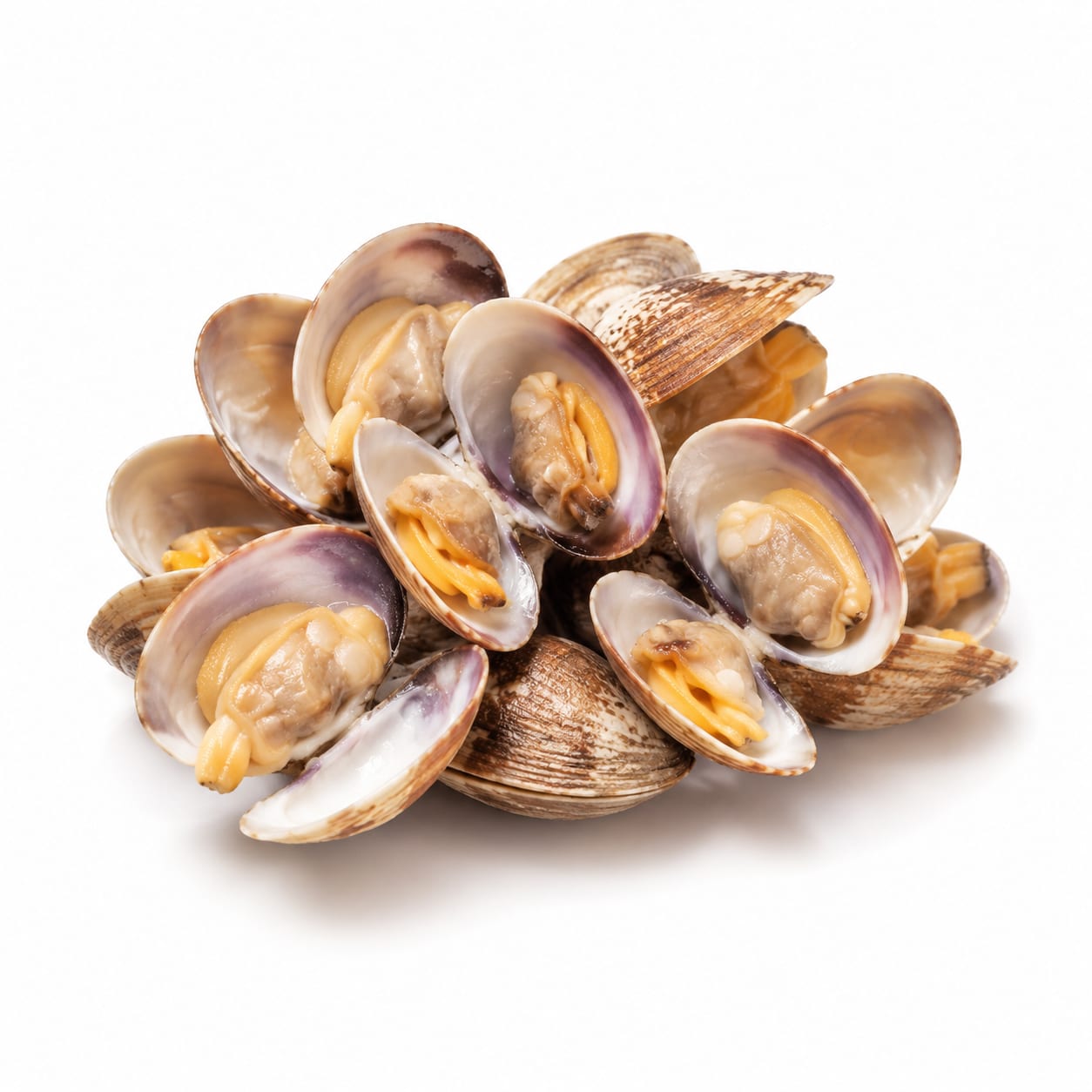
Clam
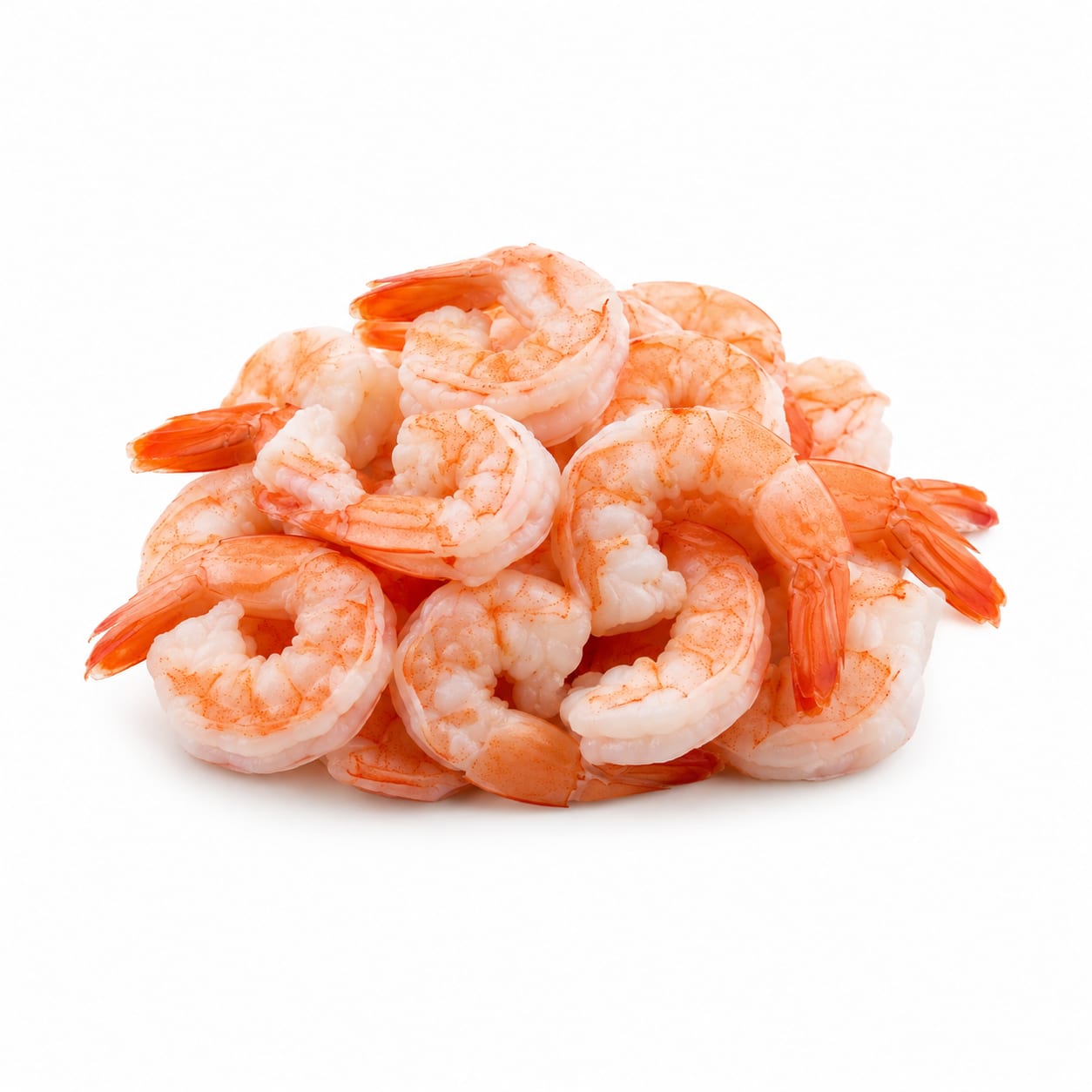
Shrimp
Clams deliver a massive nutritional upgrade for energy and blood health, while shrimp offer leaner, quicker protein for everyday meals.
Clams edge ahead on sheer micronutrient impact and heart-friendly profile, but shrimp's culinary convenience and lean macros keep the scores nearly tied.
Unmatched B12 and iron in clams versus the low-calorie, fast-cooking convenience of shrimp.
At a glance
Executive summary
Overall
It depends
Healthier
Clam
More practical
Shrimp
Daily use
Shrimp
Key comparison lenses
Micronutrient density and anemia prevention
Clams are uniquely rich in B12 and iron, making them a top choice for blood health, whereas shrimp are much lower in these.
Cholesterol impact and heart health
Shrimp are notoriously high in dietary cholesterol, which concerns many users, while clams are naturally very low.
Lean protein for weight management
Shrimp provide a highly efficient, low-calorie protein source ideal for fat loss, outperforming clams in pure macro efficiency.
Contamination and allergen risks
Both are shellfish allergens, but clams carry biotoxin risks from filter-feeding, while farmed shrimp often face antibiotic and sulfite concerns.
Best choice for
Clam
- Boosting energy and fighting anemia
- Supporting nerve health with high B12
- Those watching dietary cholesterol
Shrimp
- Quick weeknight dinners
- Low-calorie high-protein diets
- Muscle maintenance and lean gains
Least suitable for
Clam
- Inexperienced cooks intimidated by live shellfish prep
- Those seeking very low-sodium options
- People avoiding strong ocean flavors
Shrimp
- People with severe dietary cholesterol concerns
- Those avoiding farmed seafood antibiotics
- Individuals sensitive to sulfites
Deep comparison
Dimension by dimension
Each lens scores both foods and breaks down who each option suits.
- Dimension 1 · Priority 95Clam
Micronutrient Density
Clam · 98Shrimp · 65Clams are one of the most nutrient-dense foods on the planet, especially for B12 and iron.
Tradeoff
You get vastly more blood-building nutrients in clams, but shrimp still offer solid selenium and iodine.
Why it matters
B12 and iron are common deficiencies, especially for women and older adults, leading to fatigue.
Real-world impact
Eating clams can dramatically boost your energy levels if you have been running low on iron.
Clam
- Fighting fatigue and brain fog
- Boosting red blood cell production
- Pregnant women needing highly absorbable iron
Better for
- Those who dislike strong briny flavors
Worse for
Shrimp
- Maintaining thyroid health via iodine
- Getting daily selenium antioxidants
Better for
- Correcting anemia or B12 deficiency
Worse for
- Dimension 2 · Priority 85Shrimp
Protein & Calorie Efficiency
Clam · 75Shrimp · 92Shrimp deliver more protein per calorie with almost zero fat or carbs.
Tradeoff
Shrimp give you leaner macros for cutting phases, while clams bring slightly more carbs and less protein by weight.
Why it matters
If you are tracking calories strictly, protein density helps you stay full without overshooting your budget.
Real-world impact
A shrimp cocktail fills you up on fewer calories than a clam appetizer with butter or breading.
Clam
- Post-workout recovery when paired with carbs
Better for
- Strict keto or very low-calorie diets
Worse for
Shrimp
- Lean muscle gain
- Breaking through weight loss plateaus
Better for
- Those needing high caloric intake for bulking
Worse for
- Dimension 3 · Priority 80Clam
Cholesterol & Heart Health
Clam · 85Shrimp · 60Clams are naturally low in cholesterol and rich in heart-protective minerals, while shrimp are notoriously high in cholesterol.
Tradeoff
Shrimp's dietary cholesterol does not spike blood cholesterol for most people, but it remains a concern for hyper-responders.
Why it matters
Managing cholesterol intake matters for a significant portion of the population with genetic predispositions.
Real-world impact
If your doctor told you to watch dietary cholesterol, clams are the safer shellfish choice.
Clam
- People with high blood cholesterol
- Heart-healthy Mediterranean diets
Better for
- Those who fry them in heavy batter
Worse for
Shrimp
- Active individuals with normal cholesterol levels
Better for
- Hyper-responders to dietary cholesterol
Worse for
- Dimension 4 · Priority 75It depends
Contamination & Allergen Risk
Clam · 65Shrimp · 65Both are shellfish allergens, but they carry different contamination risks—clams filter toxins, while farmed shrimp often carry antibiotic residues.
Tradeoff
Clams risk biotoxin exposure from red tide, whereas shrimp risk chemical exposure from farming practices.
Why it matters
Sourcing matters heavily for both; poor quality in either can make you sick.
Real-world impact
Eating raw or undercooked clams can cause severe food poisoning, while cheap imported shrimp may contain unwanted chemicals.
Clam
- Wild-caught sourcing
- Avoiding farmed seafood antibiotics
Better for
- Eating raw from unknown waters
Worse for
Shrimp
- Cooking from frozen for safety
- Avoiding biotoxin risks
Better for
- Sensitivity to sulfites or farmed seafood additives
Worse for
- Dimension 5 · Priority 70Shrimp
Culinary Versatility & Convenience
Clam · 55Shrimp · 90Shrimp cook in minutes and adapt to almost any cuisine, while clams require more specific prep and cooking methods.
Tradeoff
Shrimp offer weeknight speed and universal appeal, whereas clams often need steaming, shucking, or careful cooking to avoid rubberiness.
Why it matters
The healthiest food is the one you actually cook consistently.
Real-world impact
Throwing frozen shrimp into a stir-fry takes 5 minutes; preparing clams usually involves a longer, messier process.
Clam
- Seafood stews and chowders
- Impressive dinner parties
Better for
- Quick 15-minute meals
Worse for
Shrimp
- Meal prep
- Quick lunches
- Grilling and stir-fries
Better for
- Broths where you want a deep briny liquor
Worse for
Timeline
Health impact over time
Short-term
Hours to days
Clam
- Quick energy boost from B12 and iron
- Risk of stomach upset if eaten raw or from polluted waters
Shrimp
- High satiety from lean protein
- Possible mild allergic reactions or sulfite sensitivity
Long-term
Months to years
Clam
- Supports neurological health and prevents anemia
- Heavy metal accumulation if eaten excessively from polluted sources
Shrimp
- Supports thyroid function and lean muscle maintenance
- Potential cardiovascular concerns if dietary cholesterol is an issue for you
Risk profile
Safety & processing
Both are whole, natural seafood, but commercially prepared shrimp often undergoes chemical treatments like sulfites for preservation and color, whereas clams are typically sold live or canned with minimal additives.
Clam
Biotoxins from algae blooms
highClams are filter feeders and can accumulate paralytic shellfish toxins from red tide, making sourcing critical.
Bacterial contamination (Vibrio)
mediumRaw or undercooked clams can harbor Vibrio bacteria, causing severe gastrointestinal illness.
Shrimp
Farmed antibiotic residues
mediumImported farmed shrimp are sometimes treated with antibiotics banned in many countries due to health concerns.
Sulfite sensitivity
lowSulfites are often used to preserve shrimp color, which can trigger asthma or allergic reactions in sensitive individuals.
Who wins for whom
Audience fit
Same foods, different winners depending on your goal.
children
ShrimpShrimp's milder flavor and easier texture are usually more kid-friendly than the chewy, briny clam.
daily consumption
It dependsShrimp is easier to prep daily, but clams offer better daily micronutrient insurance; rotating both is ideal.
diabetes
ClamClams have virtually no impact on blood sugar and offer superior micronutrients for nerve health, without the cholesterol load of shrimp.
elderly
ClamThe massive B12 and iron content in clams helps combat common age-related deficiencies and anemia.
muscle gain
ShrimpHigher protein density by weight makes hitting daily protein targets easier with shrimp.
weight loss
ShrimpShrimp provide more protein per calorie, making it easier to stay full while in a deficit.
Your move
Decision guide
Choose Clam
- You need a B12 or iron boost for energy
- You are watching your dietary cholesterol
- You love making seafood stews or linguine
Choose Shrimp
- You want quick, lean protein for weight loss
- You need a fast weeknight meal
- You prefer a milder, sweeter seafood flavor
Either works if
- You want high-quality lean protein
- You are eating a Mediterranean-style diet
Avoid both if
- You have a shellfish allergy
- You have gout and are avoiding purines
Final recommendation
Let your goals decide: choose clams when you need a nutritional upgrade for energy and blood health, and choose shrimp when you need a convenient, low-calorie protein hit.
Practical
Consumer tips
- 1
Buy clams from trusted sources and always check for local shellfish safety advisories before harvesting or buying.
- 2
Look for wild-caught shrimp or farmed shrimp certified by the Aquaculture Stewardship Council to avoid antibiotics.
- 3
Never eat clams that do not close when tapped; they are dead and unsafe to eat.
- 4
Thaw frozen shrimp in the fridge, not on the counter, to prevent bacterial growth.
- 5
If you are watching sodium, rinse canned clams and avoid pre-brined shrimp.