
Nutrition comparison
Clam vs Tofu: Which Protein Is Better for You?
Compare clam and tofu on B12, iron, protein quality, cost, safety, and sustainability. Find out which food fits your diet and health goals best.
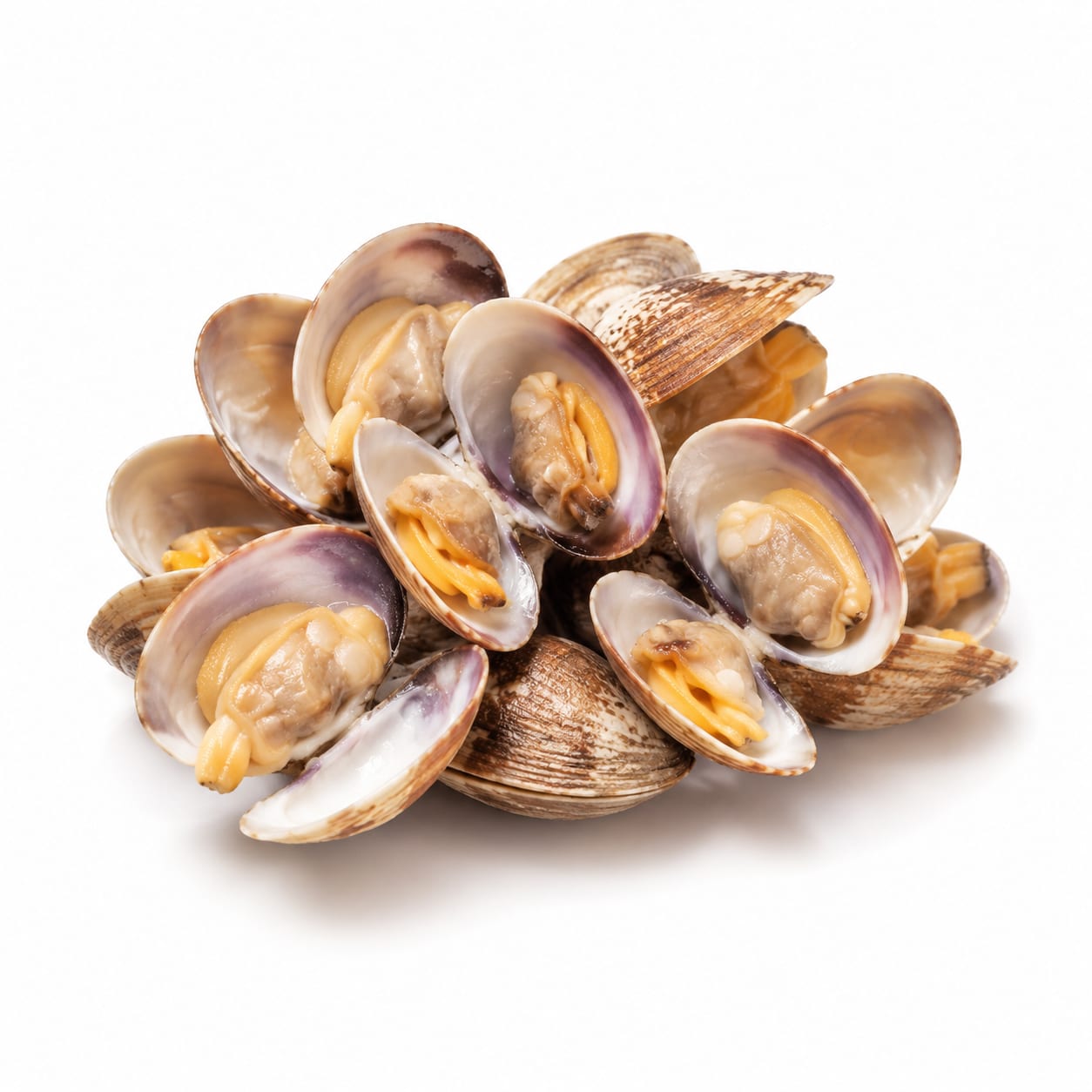
Clam
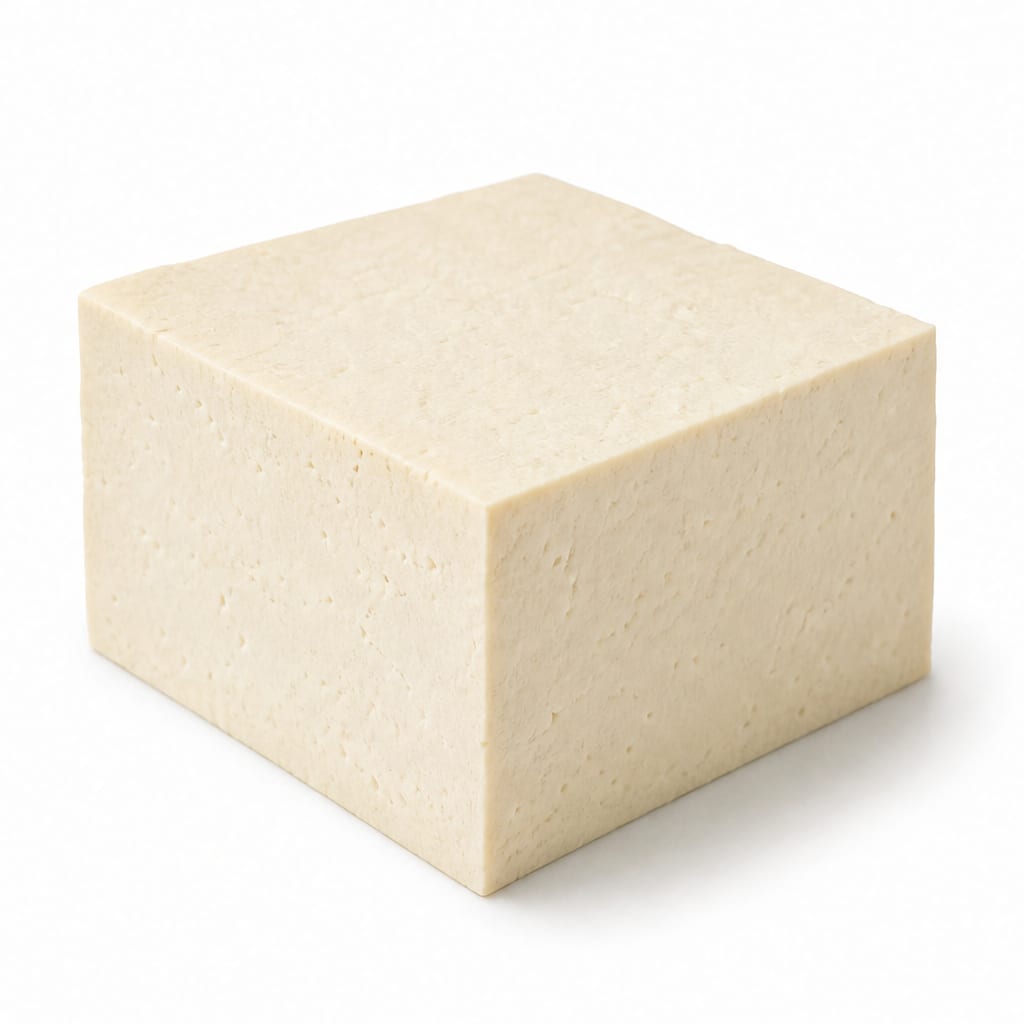
Tofu
Clams deliver unmatched B12 and heme iron in a tiny serving, while tofu offers affordable, versatile daily protein with zero cholesterol and easier logistics.
Tofu edges ahead on practicality, cost, and daily sustainability, but clams dominate on micronutrient density. The close scores reflect that neither is universally better—they serve fundamentally different dietary roles.
Nutrient density and bioavailability versus convenience, cost, and daily sustainability.
At a glance
Executive summary
Overall
It depends
Healthier
It depends
More practical
Tofu
Daily use
Tofu
Key comparison lenses
protein source comparison (animal vs plant)
Users choosing between clams and tofu are almost always deciding between an animal and plant protein source
vitamin B12 and iron adequacy
Clams are one of nature's richest B12 sources while tofu has virtually none; this is the starkest nutritional contrast
allergy and intolerance screening
Shellfish allergy and soy allergy are both among the top 8 allergens, making this a critical decision factor
sustainability and environmental impact
Tofu is plant-based with a lower carbon footprint; clams are filter feeders with unique ecological considerations
daily practicality and meal versatility
Tofu is shelf-stable and cheap; clams require fresh handling and cooking, affecting real-world usability
Best choice for
Clam
- People with B12 deficiency or at risk of anemia
- Pescatarians seeking omega-3 DHA/EPA
- Anyone needing highly bioavailable heme iron
- Low-carb or keto dieters wanting mineral-rich protein
Tofu
- Vegans and vegetarians needing reliable plant protein
- Budget-conscious meal preppers
- People with shellfish allergy
- Anyone seeking a versatile daily protein staple
Least suitable for
Clam
- People with shellfish allergy
- Those concerned about ocean contaminants
- Budget-limited households
- Anyone wanting quick no-cook meals
Tofu
- People with soy allergy or sensitivity
- Those needing B12 from food sources alone
- Anyone avoiding phytoestrogens for medical reasons
- Strict low-oxalate dieters
Deep comparison
Dimension by dimension
Each lens scores both foods and breaks down who each option suits.
- Dimension 1 · Priority 95Clam
vitamin and mineral density
Clam · 94Tofu · 58Clams are a micronutrient powerhouse—especially B12, iron, selenium, and zinc—while tofu provides decent calcium and manganese but cannot compete on breadth or bioavailability.
Tradeoff
You gain extraordinary B12 and heme iron from clams but lose the calcium density that calcium-set tofu delivers.
Why it matters
A single serving of clams can supply over 1000% of daily B12 needs, making them a targeted solution for deficiency that tofu simply cannot replicate.
Real-world impact
If you feel fatigued, cold, or mentally foggy from low B12 or iron, clams can correct that faster than almost any other food. Tofu will not move the needle on those deficiencies.
Clam
- Correcting B12 deficiency
- Boosting heme iron levels quickly
- Supporting thyroid function via selenium
Better for
- Anyone who needs to limit dietary cholesterol
- People watching purine intake for gout
Worse for
Tofu
- Meeting daily calcium needs without dairy
- Maintaining steady manganese intake
Better for
- Anyone relying on food alone for B12
- Those needing highly bioavailable iron
Worse for
- Dimension 2 · Priority 88Clam
protein quality and satiety
Clam · 85Tofu · 74Clam protein is complete with higher leucine content and greater bioavailability, while tofu protein is solid but slightly lower in methionine and leucine per calorie.
Tradeoff
Clams offer more protein per calorie with better amino acid absorption, but tofu provides more total protein per dollar and per serving in typical meals.
Why it matters
For muscle maintenance and satiety, protein quality matters as much as quantity—especially for older adults or athletes.
Real-world impact
After a clam meal you may feel full faster with fewer calories. A tofu meal can match the fullness but usually requires a larger portion or complementary grains.
Clam
- Post-workout recovery with minimal calories
- Older adults needing efficient protein absorption
- Leucine-driven muscle protein synthesis
Better for
- Anyone who cannot eat shellfish frequently enough for consistent protein intake
Worse for
Tofu
- Large-volume meals where total protein matters more than density
- Combining with grains for complete amino acid profiles cheaply
Better for
- Situations requiring maximum protein per bite
Worse for
- Dimension 3 · Priority 85Tofu
heart health and cholesterol
Clam · 62Tofu · 88Tofu contains zero cholesterol and provides isoflavones linked to improved arterial function, while clams carry dietary cholesterol and some saturated fat.
Tradeoff
Clams offer heart-protective omega-3 DHA but also deliver cholesterol; tofu offers no omega-3 EPA/DHA but actively supports cardiovascular markers through isoflavones.
Why it matters
For the 1 in 3 adults with elevated cholesterol, the zero-cholesterol profile of tofu is a meaningful daily advantage.
Real-world impact
Eating tofu several times a week is associated with lower heart disease risk in large population studies. Clams are fine in moderation but less ideal as a daily staple if cholesterol is a concern.
Clam
- Getting DHA without fish oil supplements
- Anti-inflammatory omega-3 intake
Better for
- Hyper-responders to dietary cholesterol
- Daily consumption patterns for heart patients
Worse for
Tofu
- Managing LDL cholesterol
- Long-term cardiovascular risk reduction
- Blood pressure support via isoflavones
Better for
- Anyone specifically needing DHA/EPA omega-3s
Worse for
- Dimension 4 · Priority 82Tofu
convenience and cost
Clam · 35Tofu · 90Tofu is cheap, shelf-stable, and cooks in minutes. Clams are expensive, perishable, require cleaning and cooking, and are unavailable in many regions.
Tradeoff
You pay a premium in money and effort for the superior nutrient density of clams, while tofu delivers reliable protein with almost no friction.
Why it matters
The best food for you is the one you actually eat consistently. Convenience often determines long-term adherence more than nutrition facts.
Real-world impact
A block of tofu sits in your fridge for a week and costs under two dollars. Clams must be cooked the day you buy them and cost five to ten times more per protein gram.
Clam
- Special occasion meals where nutrient density justifies the effort
- Coastal areas with affordable fresh access
Better for
- Busy professionals with limited cooking time
- Anyone meal prepping for the week
Worse for
Tofu
- Weeknight dinners under 20 minutes
- Meal prepping in bulk
- Budget grocery runs
- Rural or inland areas without seafood access
Better for
- Special meals where you want something impressive or nutrient-exotic
Worse for
- Dimension 5 · Priority 78It depends
sustainability and environmental impact
Clam · 72Tofu · 80Tofu has a lower carbon footprint overall, but farmed clams are among the most sustainable animal proteins since they require no feed and filter clean water.
Tradeoff
Sustainably farmed clams are surprisingly eco-friendly, but wild harvesting and long supply chains reduce that advantage. Soy farming has deforestation links but a lower per-calorie footprint.
Why it matters
Environmentally conscious eaters need to know that not all seafood is equal—and that soy sourcing matters too.
Real-world impact
Choosing locally farmed clams can be as sustainable as tofu. But imported clams shipped long-distance lose that edge quickly.
Clam
- Locally farmed clam operations that filter and clean waterways
- Zero-feed aquaculture systems
Better for
- Wild-harvested clams from overfished areas
- Long supply chains for inland consumers
Worse for
Tofu
- Consistent low carbon footprint regardless of sourcing
- Organic or non-GMO verified soy options
Better for
- Conventional soy from deforested regions
Worse for
- Dimension 6 · Priority 80It depends
digestive tolerance and allergen risk
Clam · 60Tofu · 65Both foods carry significant allergen risks—shellfish for clams and soy for tofu—but for different populations. Digestively, tofu is gentler for most people, while clams can trigger gout flares.
Tradeoff
Clams are high in purines and can aggravate gout; tofu contains oxalates and phytoestrogens that concern some people. Neither is universally safe.
Why it matters
Allergen and tolerance issues are non-negotiable showstoppers. No nutrient benefit matters if you cannot safely eat the food.
Real-world impact
If you have gout, clams may trigger a painful flare. If you have soy sensitivity, tofu causes bloating or skin reactions. Know your body first.
Clam
- People with soy allergy or intolerance
- Those who tolerate shellfish well
Better for
- Gout sufferers
- Anyone with shellfish allergy
Worse for
Tofu
- People with shellfish allergy
- Those who need low-purine protein options
Better for
- People with soy allergy
- Those on low-oxalate diets for kidney stone prevention
Worse for
Timeline
Health impact over time
Short-term
Hours to days
Clam
- Rapid B12 and iron replenishment after deficiency
- High satiety from concentrated protein with minimal calories
- Possible digestive discomfort if unaccustomed to rich shellfish
- Risk of foodborne illness if undercooked or from contaminated waters
Tofu
- Steady energy without blood sugar spikes
- Gentle digestion for most people when prepared simply
- Possible temporary bloating from soy oligosaccharides in unaccustomed eaters
- Quick and light meal option that does not leave you sluggish
Long-term
Months to years
Clam
- Excellent protection against B12 deficiency and anemia with regular intake
- Potential cholesterol concern if eaten very frequently
- Accumulated heavy metal exposure possible from contaminated harvesting areas
- Strong thyroid support from selenium content
Tofu
- Associated with lower heart disease risk in long-term population studies
- Isoflavones may support bone density in postmenopausal women
- Consistent plant protein intake linked to lower all-cause mortality
- Ongoing debate about phytoestrogen effects in hormone-sensitive conditions
Risk profile
Safety & processing
Clams are a whole food eaten close to their natural state. Tofu is processed from soybeans but uses traditional methods with minimal additives—just soy, water, and a coagulant like calcium sulfate or nigari.
Clam
Heavy metal contamination
mediumClams are bottom filter feeders that can accumulate lead, cadmium, and arsenic from polluted waters. Sourcing from clean harvesting areas is critical.
Red tide biotoxins
highHarmful algal blooms can contaminate clams with paralytic shellfish toxins that cooking does not destroy. Always check local advisories before harvesting or buying wild clams.
Foodborne illness from undercooking
mediumVibrio and norovirus are real risks with raw or undercooked shellfish, especially in warm months. Thorough cooking eliminates most danger.
Microplastics
mediumFilter feeders naturally concentrate microplastics from ocean water. The health impact is still being studied but exposure is higher than with most foods.
Tofu
Pesticide residue from conventional soy
lowMost conventional soy is genetically modified and treated with glyphosate. Choosing organic tofu eliminates this concern almost entirely.
Phytoestrogen effects
lowSoy isoflavones are weak plant estrogens. Current evidence shows they are safe for most people, but those with hormone-sensitive conditions should consult their doctor.
Oxalate content
lowTofu contains moderate oxalates which can contribute to kidney stone formation in susceptible individuals. This is not a concern for most people.
Who wins for whom
Audience fit
Same foods, different winners depending on your goal.
children
TofuTofu is milder, easier to prepare safely, and free from shellfish allergy risk. Clams carry higher contamination and allergen concerns for developing immune systems.
daily consumption
TofuTofu is affordable, easy to prepare, low in contaminants, and gentle on the digestive system—making it sustainable as an everyday protein source for years.
diabetes
TofuTofu has zero carbs, zero cholesterol, and isoflavones that may improve insulin sensitivity—making it a safer daily staple for blood sugar management.
elderly
It dependsClams excel at delivering B12 and heme iron that seniors often lack, but tofu is easier to chew, digest, and afford on a fixed income. Choose based on the specific deficiency risk.
muscle gain
ClamHigher leucine content and complete amino acid profile with better bioavailability support muscle protein synthesis more efficiently per serving.
weight loss
ClamClams provide more protein per calorie with exceptional satiety, making it easier to stay in a deficit without feeling deprived.
Your move
Decision guide
Choose Clam
- You have low B12 or iron levels and need a nutrient-dense correction
- You eat pescatarian and want DHA omega-3 without supplements
- You tolerate shellfish well and want maximum nutrition per calorie
- You have access to fresh, sustainably harvested clams at reasonable prices
Choose Tofu
- You need an affordable, reliable daily protein source
- You are vegan or mostly plant-based
- You have shellfish allergy or gout concerns
- You want something shelf-stable and quick to prepare on busy days
Either works if
- You rotate protein sources throughout the week for dietary diversity
- You have no allergies to either food and want to balance animal and plant proteins
- You are generally healthy and just need solid protein options
Avoid both if
- You have both shellfish and soy allergies
- You are on a strict low-purine and low-oxalate diet simultaneously
- You lack reliable sourcing for either food in your area
Final recommendation
Eat clams occasionally as a targeted nutrient boost—especially for B12 and iron—and rely on tofu as your affordable, versatile daily protein backbone. Together they cover nearly every nutritional base. If you must pick only one for daily use, tofu wins on sustainability, cost, and convenience. If you have a specific deficiency to address, clams are the sharper tool.
Practical
Consumer tips
- 1
Buy clams from trusted suppliers who test for red tide and heavy metals—ask your fishmonger about sourcing
- 2
Choose organic or non-GMO tofu to minimize pesticide exposure and support sustainable soy farming
- 3
If using tofu for calcium, check the label for calcium sulfate in the ingredients—this confirms it is calcium-set
- 4
Freeze and thaw tofu before cooking to create a spongier texture that absorbs marinades dramatically better
- 5
Steam or lightly cook clams just until they open—overcooking makes them rubbery and diminishes nutrient retention
- 6
Pair tofu with a vitamin C source like bell peppers to improve non-heme iron absorption
- 7
Limit clam consumption to 1-2 times per week to manage cholesterol and heavy metal exposure while still getting B12 benefits
- 8
If you are new to tofu, start with firm or extra-firm varieties—they are easier to pan-fry and have a more satisfying texture