
Nutrition comparison
Clam vs Beef Liver: Which Nutrient Powerhouse Is Safer to Eat Regularly?
Compare clam and beef liver nutrition, safety, and practicality. Discover which superfood fits your diet better and how often you can safely eat each.
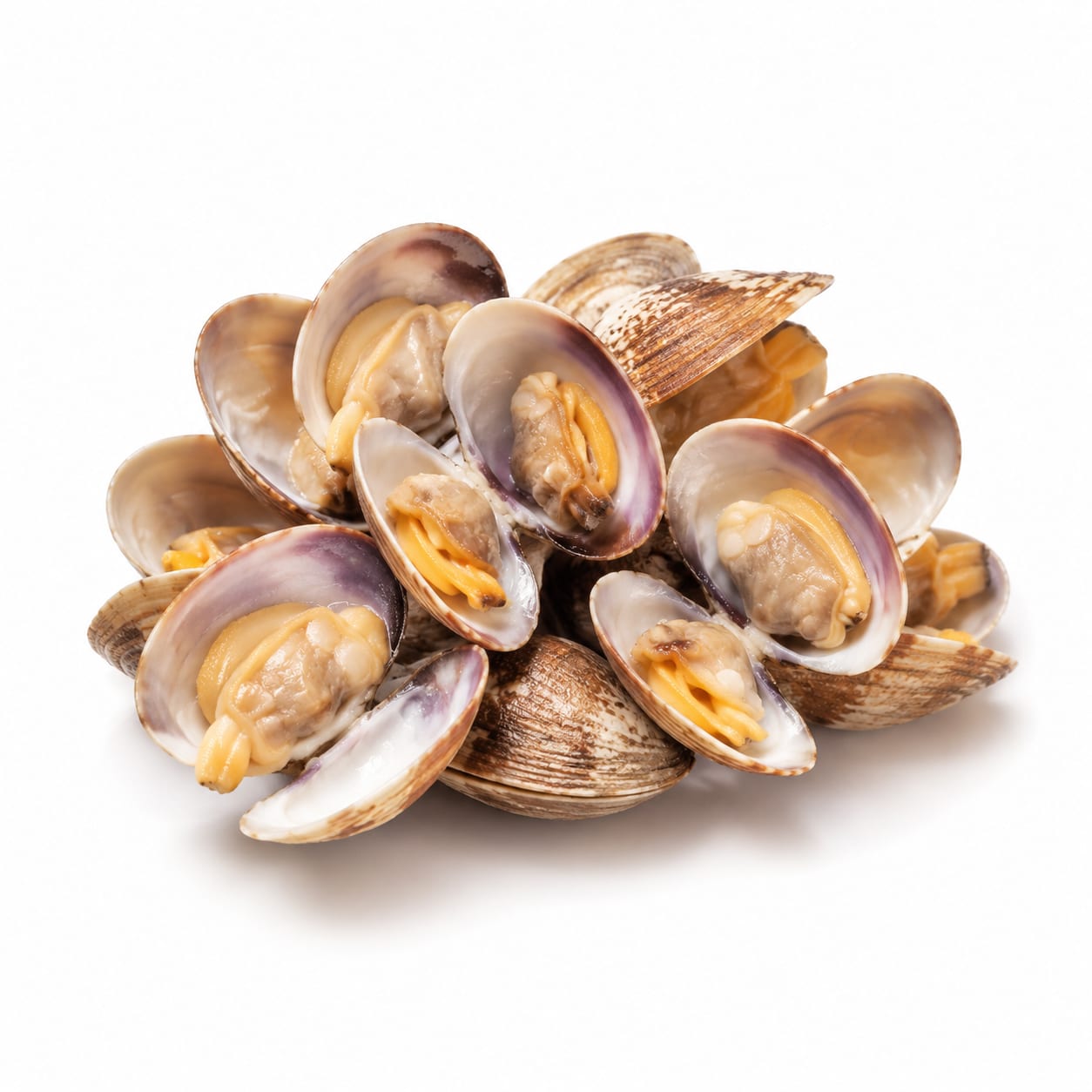
Clam
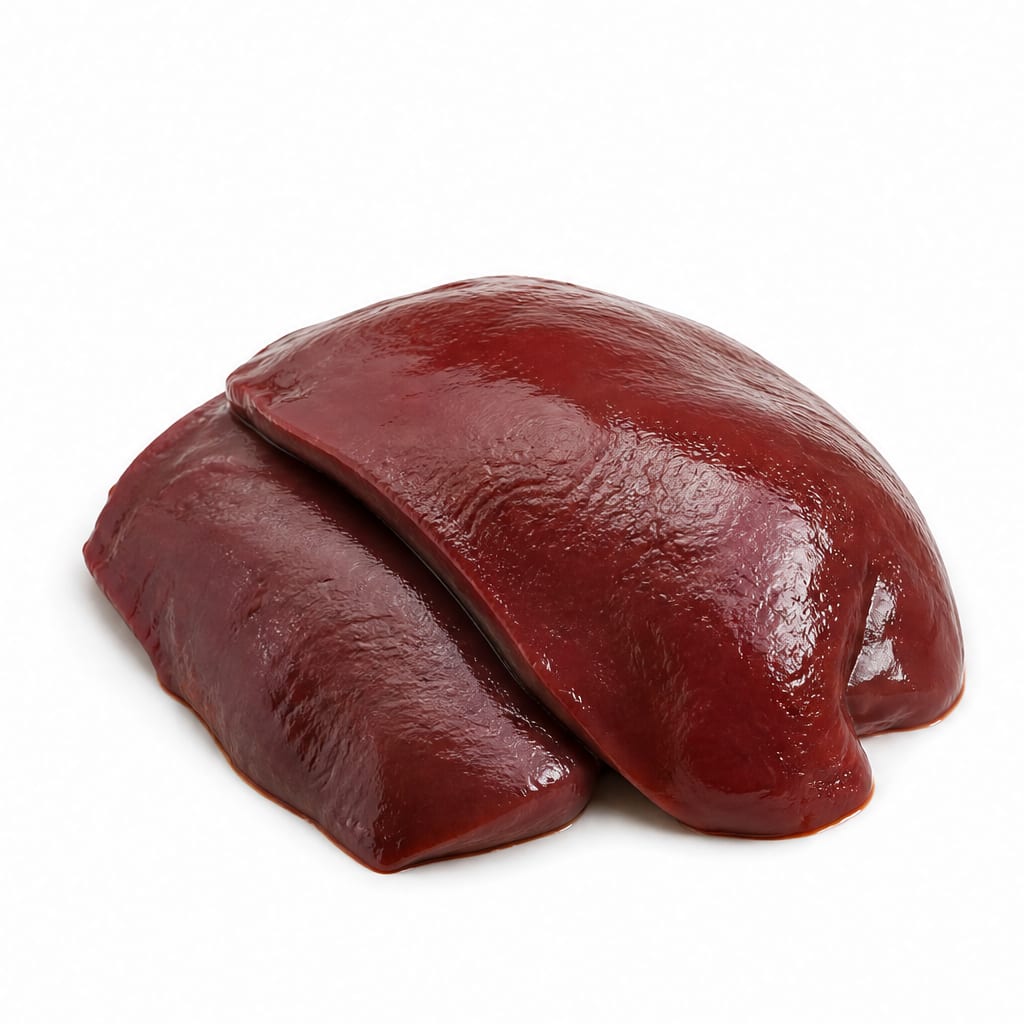
Beef Liver
Clams are safer for regular eating, while beef liver delivers unmatched nutrient density in smaller doses but carries real toxicity risks if overconsumed.
Clams score slightly higher because their nutrient profile supports regular consumption without toxicity risk. Beef liver is nutritionally superior per gram but its safe consumption ceiling is much lower, which reduces its practical long-term score.
Beef liver packs more nutrients per bite but cannot be eaten frequently; clams offer a more sustainable daily nutrient boost with lower overdose risk.
At a glance
Executive summary
Overall
It depends
Healthier
It depends
More practical
Clam
Daily use
Clam
Key comparison lenses
nutrient density comparison between two superfoods
Both are among the most nutrient-dense foods available, but their nutrient profiles differ dramatically, making the comparison about which nutrients you actually need
vitamin A toxicity risk assessment
Beef liver contains extremely high retinol that limits safe consumption frequency, while clams have moderate vitamin A levels allowing more flexible intake
safe consumption frequency
Beef liver cannot be eaten daily without vitamin A risk, while clams can be consumed more regularly with fewer overdose concerns
heavy metal and contamination exposure
Clams filter feed and accumulate toxins and heavy metals, while beef liver concentrates stored substances from the animal's lifetime
vitamin B12 sufficiency
Both are top-tier B12 sources, so users choosing between them need to understand what else they are getting alongside that B12
Best choice for
Clam
- People wanting a B12 and iron source they can eat multiple times per week
- Those monitoring vitamin A intake
- Pescatarian or seafood-inclusive diets
- Anyone needing steady zinc and selenium without overdoing retinol
Beef Liver
- Those with documented nutrient deficiencies needing rapid correction
- People who only want to eat organ meats occasionally for a nutrient top-up
- Anyone seeking the highest folate and copper density per calorie
- Keto and carnivore dieters comfortable with infrequent high-dose organ consumption
Least suitable for
Clam
- People with shellfish allergies
- Those avoiding sodium
- Pregnant women concerned about seafood contaminant exposure
Beef Liver
- Pregnant women due to excessive retinol
- Anyone with gout or high uric acid
- People prone to vitamin A toxicity or already taking vitamin A supplements
- Children due to hypervitaminosis risk
Deep comparison
Dimension by dimension
Each lens scores both foods and breaks down who each option suits.
- Dimension 1 · Priority 95Beef Liver
Vitamin B12 Content
Clam · 88Beef Liver · 97Both are elite B12 sources, but beef liver delivers roughly 3000% of daily value per 100g versus clams at around 4000% per 100g. In practice, both far exceed needs.
Tradeoff
Beef liver provides more B12 alongside dangerously high vitamin A, while clams give you abundant B12 without the retinol overload.
Why it matters
B12 deficiency is common, especially in older adults and plant-leaning eaters. Either food solves this decisively.
Real-world impact
A single serving of either food covers your B12 needs for days. The difference only matters if you eat very small portions.
Clam
- Getting B12 without excess vitamin A
- Maintaining B12 levels with more frequent smaller meals
Better for
- Slightly less B12 per gram compared to liver
Worse for
Beef Liver
- Maximum B12 per calorie consumed
- Rapid repletion in severe deficiency cases
Better for
- Comes bundled with retinol levels that limit how often you can eat it
Worse for
- Dimension 2 · Priority 92Clam
Vitamin A Toxicity Risk
Clam · 90Beef Liver · 25Beef liver contains around 600% of daily vitamin A per 100g, making frequent consumption genuinely risky. Clams have modest vitamin A levels.
Tradeoff
Beef liver's vitamin A is beneficial in small doses but becomes the single biggest reason you cannot eat it daily. Clams have no such ceiling.
Why it matters
Chronic vitamin A toxicity causes liver damage, bone loss, and birth defects. This is not theoretical—it happens with regular liver consumption.
Real-world impact
Eating beef liver more than once or twice a week can push retinol into dangerous territory. Clams you can eat several times weekly without worry.
Clam
- Safe for multiple weekly servings
- No need to track cumulative vitamin A intake
- Suitable during pregnancy when retinol must be limited
Better for
- Inadequate for correcting vitamin A deficiency quickly
Worse for
Beef Liver
- Powerful corrective dose for vitamin A deficiency
- High retinol benefits eye health and immunity in controlled amounts
Better for
- Real hypervitaminosis risk with regular consumption
- Completely unsuitable for pregnant women in standard portions
- Requires careful portion and frequency tracking
Worse for
- Dimension 3 · Priority 88Beef Liver
Iron Content and Bioavailability
Clam · 78Beef Liver · 92Beef liver provides about 5mg of heme iron per 100g versus clams at roughly 2-3mg. Both use highly absorbable heme iron, but liver delivers more.
Tradeoff
More iron from liver comes with more vitamin A. Clams give you less iron but in a package you can eat more often, potentially closing the gap through frequency.
Why it matters
Iron deficiency is the most common nutrient deficiency worldwide, especially in menstruating women.
Real-world impact
For iron-deficient individuals, beef liver corrects levels faster. For maintenance, clams eaten twice weekly may be enough and far easier to sustain.
Clam
- Iron intake you can sustain through regular consumption
- Good enough for maintenance in non-deficient people
Better for
- Lower iron density means more frequent consumption needed
Worse for
Beef Liver
- Faster correction of iron deficiency anemia
- More iron per serving when you cannot eat large quantities
Better for
- Iron comes packaged with retinol that limits serving frequency
Worse for
- Dimension 4 · Priority 85It depends
Contaminant and Safety Profile
Clam · 60Beef Liver · 62Clams accumulate heavy metals, microplastics, and biotoxins from filter feeding. Beef liver concentrates whatever the animal was exposed to, including antibiotics and hormones in conventional farming.
Tradeoff
Clams carry ocean contamination risks; beef liver carries land animal accumulation risks. Neither is clean—just different hazard profiles.
Why it matters
Both foods sit high on their respective food chains of contaminant concentration, making sourcing critical for both.
Real-world impact
Sourcing matters enormously. Farmed clams from clean waters and grass-fed organic liver both reduce risks significantly. Cheap versions of either carry real concerns.
Clam
- Lower risk if sourced from reputable clean-water farms
- No antibiotic or hormone exposure concerns
Better for
- Raw clams carry vibrio and norovirus risk
- Microplastic accumulation is emerging concern
- Heavy metals like cadmium can concentrate in clams
Worse for
Beef Liver
- Grass-fed organic options have clearer traceability
- No biotoxin or red tide risk
Better for
- Conventional liver may contain antibiotic residues
- Stored pesticides and environmental toxins concentrate in liver
- Purine load triggers gout flares in susceptible people
Worse for
- Dimension 5 · Priority 80It depends
Mineral Diversity
Clam · 82Beef Liver · 85Beef liver wins on copper and selenium, while clams excel in zinc and manganese. Both provide strong mineral profiles but with different emphases.
Tradeoff
Liver offers broader B-vitamin coverage alongside minerals, while clams provide a more seafood-oriented mineral suite including iodine.
Why it matters
Mineral deficiencies are widespread and both foods address them, but your existing diet gaps determine which helps more.
Real-world impact
If you already eat red meat, liver adds less new mineral territory. If you eat mostly land animals, clams introduce ocean-sourced minerals you may be missing.
Clam
- Zinc for immune function and testosterone
- Manganese for bone health and metabolism
- Iodine often missing in inland diets
Better for
- Lower copper and selenium than liver
- No folate to speak of
Worse for
Beef Liver
- Copper for iron metabolism and connective tissue
- Selenium for thyroid and antioxidant defense
- Broader B-vitamin co-factors that help minerals work
Better for
- Lower zinc than clams
- Virtually no iodine or manganese
Worse for
- Dimension 6 · Priority 72Clam
Palatability and Eating Experience
Clam · 70Beef Liver · 40Clams are widely enjoyed in pasta, chowder, and steamed preparations. Beef liver is notoriously challenging for most people due to its strong metallic taste and texture.
Tradeoff
Better-tasting food gets eaten more consistently. Even if liver is more nutrient-dense, many people cannot sustain eating it.
Why it matters
The best nutritional plan is the one you actually follow. A food you dislike provides zero nutrients sitting in your freezer.
Real-world impact
Clams integrate easily into meals people already enjoy. Liver often requires masking with onions, bacon, or pâté preparations to be tolerable.
Clam
- Wider culinary acceptance
- Easier to include in social meals and restaurants
- More preparation variety that feels natural
Better for
- Texture can be off-putting for some
- Requires cooking skill to avoid rubbery results
Worse for
Beef Liver
- Pâté and liver supplements offer workarounds for taste-sensitive people
- Small portions are sufficient due to nutrient density
Better for
- Strong flavor most people find unpleasant
- Limited recipe options that genuinely mask the taste
- Often requires psychological adjustment to eat organ meat
Worse for
- Dimension 7 · Priority 90Clam
Safe Consumption Frequency
Clam · 85Beef Liver · 35Clams can safely be eaten 2-3 times per week with minimal risk. Beef liver should be limited to once per week maximum, and many experts recommend once every two weeks.
Tradeoff
More frequent consumption means more consistent nutrient delivery. Liver's restriction makes it a supplement-like food rather than a dietary staple.
Why it matters
Nutrition works through consistency. A food you can eat regularly outperforms a more nutrient-dense food you can only touch occasionally.
Real-world impact
Over a month, you might eat clams 8-12 times versus liver 2-4 times. The cumulative nutrient delivery from clams often exceeds liver despite lower per-serving density.
Clam
- Can be a regular weekly protein source
- No vitamin A accumulation concerns
- Consistent B12 and mineral intake without scheduling
Better for
- Need to monitor total seafood intake for mercury and iodine balance
Worse for
Beef Liver
- Even infrequent consumption provides meaningful nutrient boosts
- One serving covers multiple days of several nutrients
Better for
- Cannot be a staple food regardless of how nutritious it is
- Requires deliberate portion and frequency tracking
- Easy to accidentally overconsume if you enjoy it
Worse for
Timeline
Health impact over time
Short-term
Hours to days
Clam
- Quick B12 and iron boost within hours of consumption
- Light, protein-rich meal that does not feel heavy
- Potential digestive upset if raw or undercooked
- Sodium intake may cause temporary water retention
Beef Liver
- Rapid nutrient saturation, especially B12 and folate
- Heavy, dense meal that provides lasting fullness
- Some people report nausea from high vitamin A dose in larger portions
- Energy boost from B-vitamin complex within hours
Long-term
Months to years
Clam
- Consistent B12 and iron status with regular consumption
- Improved thyroid function from selenium and iodine
- Potential heavy metal accumulation if sourcing is poor
- Better immune resilience from zinc and selenium
Beef Liver
- Risk of vitamin A toxicity with frequent consumption including bone density loss
- Effective correction of folate and B12 deficiencies
- Possible gout exacerbation from high purine content
- Copper and selenium sufficiency maintained with minimal servings
Risk profile
Safety & processing
Both foods are whole, unprocessed animal products. Canned clams may contain added sodium, and some liver products contain preservatives, but fresh versions of both are as natural as food gets.
Clam
Vibrio and norovirus from raw consumption
highRaw clams are a leading vector for foodborne illness. Thorough cooking eliminates this risk almost entirely.
Heavy metal accumulation
mediumClams filter large volumes of water and can concentrate cadmium, lead, and arsenic. Sourcing from clean waters is essential.
Red tide biotoxins
mediumHarmful algal blooms produce toxins that clams concentrate. Regulated harvesting areas monitor this, but risk exists in unmonitored sources.
Microplastic ingestion
lowEmerging concern as filter feeders accumulate microplastics. Health impact still being studied but worth noting.
Beef Liver
Vitamin A toxicity from regular consumption
high100g of beef liver exceeds the tolerable upper intake level for retinol. Regular consumption causes hypervitaminosis A with liver damage and bone loss.
Purine-induced gout flares
mediumOrgan meats are very high in purines. Anyone with gout or elevated uric acid should limit or avoid liver.
Antibiotic and hormone residues
mediumConventionally raised beef may have residues that concentrate in the liver. Grass-fed organic reduces this significantly.
Cholesterol load
lowBeef liver is high in dietary cholesterol. For most people this has modest impact on blood cholesterol, but sensitive individuals should note it.
Who wins for whom
Audience fit
Same foods, different winners depending on your goal.
children
ClamChildren are more vulnerable to vitamin A toxicity, making beef liver risky in pediatric portions. Clams in moderate amounts are safer, though sodium content should be watched.
daily consumption
ClamBeef liver cannot safely be consumed daily. Clams can be eaten several times per week without toxicity concerns, making them the only viable daily-use option between the two.
diabetes
ClamBoth are essentially zero-carb foods with no glycemic impact. Clams edge ahead because they can be eaten more regularly, providing consistent B12 and iron without vitamin A accumulation concerns.
elderly
ClamOlder adults need consistent B12 and are more vulnerable to vitamin A toxicity and gout. Clams provide the nutrients without the risks, and their softer texture when cooked is easier to eat.
muscle gain
It dependsBoth provide high-quality protein with excellent amino acid profiles. Liver offers more B vitamins for energy metabolism, while clams provide zinc for testosterone support. Neither is a primary muscle-building food.
weight loss
ClamClams are lower in calories and fat while being high in protein, making them easier to fit into a calorie deficit. Liver is also lean but its consumption limits make it less useful as a recurring protein source.
Your move
Decision guide
Choose Clam
- You want a nutrient-dense food you can actually eat regularly
- You are pregnant or might become pregnant and need to limit retinol
- You have gout or high uric acid
- You enjoy seafood and want B12 without organ meat taste
- You need zinc and selenium more than folate and copper
Choose Beef Liver
- You have confirmed nutrient deficiencies needing rapid correction
- You only plan to eat it once every week or two as a supplement-like boost
- You tolerate the taste and want maximum nutrients per bite
- You are not pregnant and have no gout history
- You already take vitamin A supplements and should avoid liver entirely
Either works if
- You need more B12 and heme iron in your diet
- You eat a varied diet and neither food will be your sole nutrient source
- You can source high-quality versions of either from trusted suppliers
Avoid both if
- You have hemochromatosis or iron overload conditions
- You take vitamin A supplements that already push you near upper limits
- You have severe shellfish allergy and gout simultaneously
- Your doctor has advised a low-purine, low-iron, or low-cholesterol diet
Final recommendation
Eat clams 2-3 times per week as a sustainable nutrient foundation, and add beef liver once every 1-2 weeks as a concentrated micronutrient boost. This combination gives you the best of both without the toxicity risks of frequent liver or the contaminant load of excessive shellfish. If you must pick only one, clams are the safer long-term choice for most people.
Practical
Consumer tips
- 1
Buy clams from reputable suppliers who test for biotoxins and heavy metals—cheap clams from unknown waters are not worth the savings
- 2
If you find liver unpalatable, freeze it, slice it thin, and swallow small pieces like supplements—many people find this easier than cooking a liver meal
- 3
Canned clams are convenient but often very high in sodium—rinse them or choose low-sodium versions
- 4
Grass-fed beef liver has a cleaner contaminant profile than conventional—worth the premium for a food you eat infrequently
- 5
Never eat raw clams from unmonitored harvesting areas—vibrio infections can be life-threatening
- 6
If you take a multivitamin with vitamin A, count that toward your upper limit before eating liver
- 7
Steam clams until just opened to preserve nutrients—overcooking makes them rubbery and reduces B12 content
- 8
Pair liver with vitamin C-rich foods to enhance iron absorption and balance the meal nutritionally