
Nutrition comparison
Clam vs Mussels: Nutrition, Mercury, & Health Benefits Compared
Clams vs Mussels: Which is healthier? Compare B12, iron, omega-3s, sustainability, and toxin risks to find out which shellfish belongs on your plate.
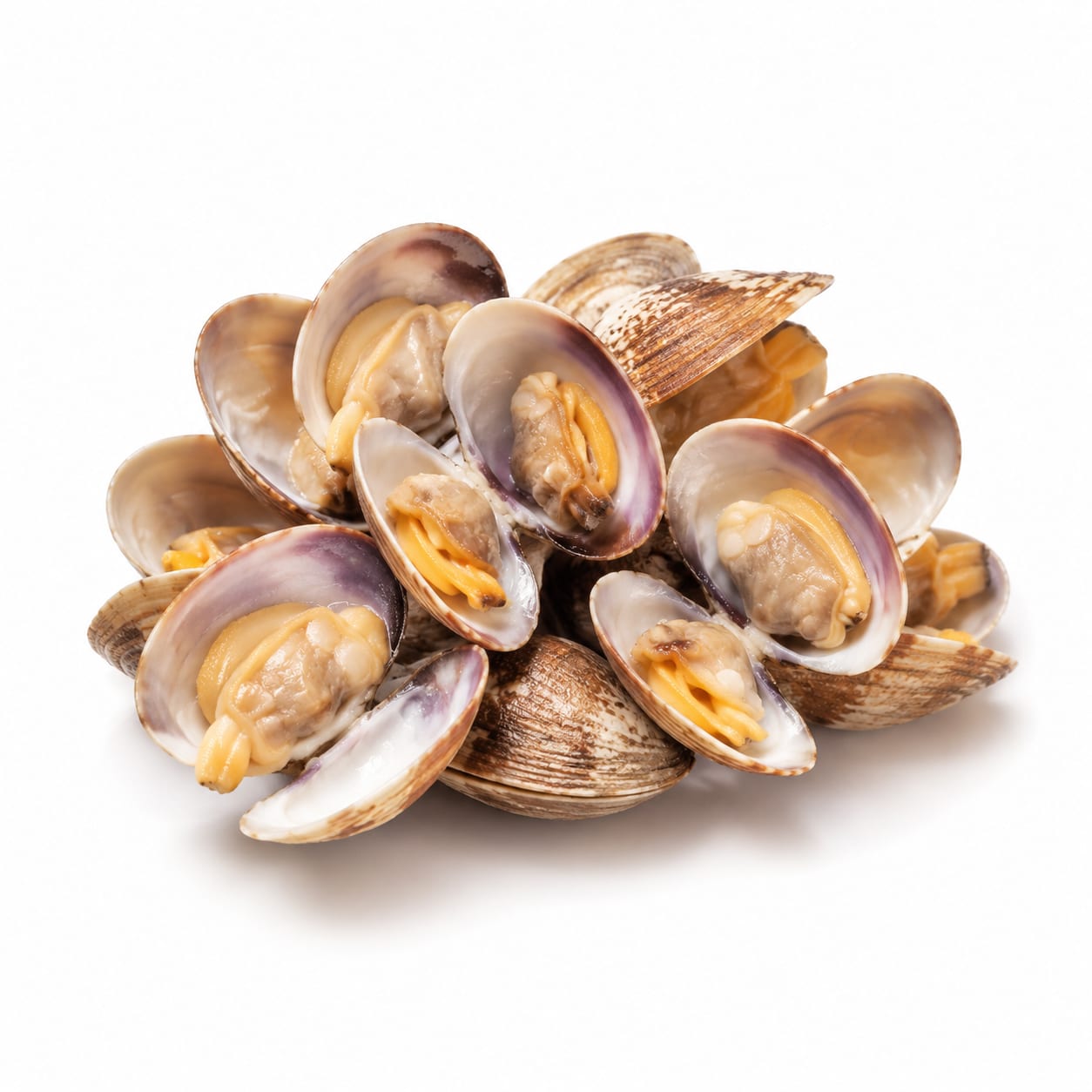
Clam
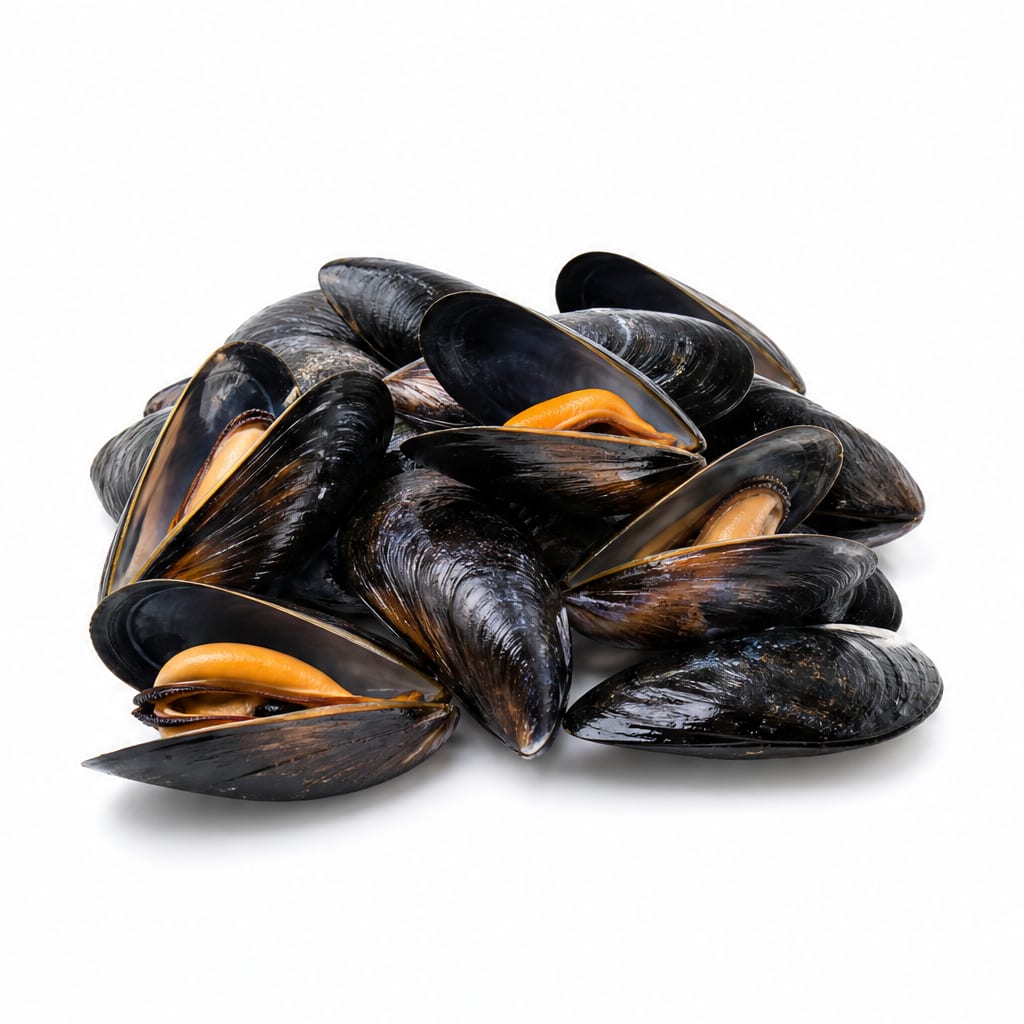
Mussels
Clams are the ultimate B12 and iron supplement from the sea, while Mussels win on omega-3s, sustainability, and usually price.
Clams score slightly higher for sheer micronutrient density, especially B12 and iron, but Mussels stay neck-and-neck due to superior omega-3s, affordability, and unmatched sustainability. The close scores reflect that both are elite seafood choices.
Maximum vitamin B12 and iron (Clams) versus better healthy fats and a smaller environmental footprint (Mussels).
At a glance
Executive summary
Overall
It depends
Healthier
It depends
More practical
Mussels
Daily use
Mussels
Key comparison lenses
micronutrient supremacy
Both are nutritional powerhouses, but Clams offer off-the-charts vitamin B12 and iron, which is the primary reason people seek them out.
sustainability and sourcing
Mussels are widely considered one of the most sustainable seafoods on the planet, often farmed with zero feed inputs, making them an eco-conscious staple.
contaminant and filter feeder risks
As bivalves, both filter large volumes of water, raising valid concerns about heavy metals, microplastics, and biotoxins that must be weighed.
omega-3 fat profile
While both are lean, Mussels provide a notably higher dose of anti-inflammatory omega-3s compared to Clams.
Best choice for
Clam
- People with diagnosed B12 deficiency or anemia
- Those needing a massive iron boost, like pregnant women
- Low-carb dieters looking for dense micronutrition
Mussels
- Eco-conscious eaters prioritizing sustainable seafood
- People wanting more omega-3s for heart and brain health
- Budget-friendly meal prep for seafood stews and pastas
Least suitable for
Clam
- People with hemochromatosis (iron overload)
- Those on a tight grocery budget
- Eaters highly concerned with microplastic exposure from wild harvesting
Mussels
- Those who need a massive single-serving B12 boost
- People with severe shellfish allergies
- Diners who dislike stronger ocean flavors
Deep comparison
Dimension by dimension
Each lens scores both foods and breaks down who each option suits.
- Dimension 1 · Priority 95Clam
Vitamin B12 & Iron Density
Clam · 99Mussels · 75Clams deliver some of the highest B12 and iron levels found in any food, far surpassing Mussels.
Tradeoff
You get an unmatched micronutrient punch from Clams, but Mussels still provide more than enough B12 and iron for daily needs.
Why it matters
B12 and iron are critical for energy and preventing anemia. Clams act almost like a natural supplement here.
Real-world impact
Eating Clams can reverse a B12 slump and fight fatigue noticeably faster than almost any other food.
Clam
- Combating chronic fatigue and anemia
- Pregnant women needing highly absorbable iron
- Older adults with impaired B12 absorption
Better for
- People with hemochromatosis who must limit iron
Worse for
Mussels
- Maintaining adequate B12 without overdoing iron
Better for
- Treating a severe, symptomatic B12 deficiency quickly
Worse for
- Dimension 2 · Priority 85Mussels
Omega-3 & Healthy Fats
Clam · 70Mussels · 90Mussels contain significantly more EPA and DHA omega-3 fatty acids than Clams.
Tradeoff
You sacrifice some anti-inflammatory fats when choosing Clams, even though both remain very lean proteins.
Why it matters
Omega-3s are vital for heart health, brain function, and taming systemic inflammation.
Real-world impact
Regularly eating Mussels can more effectively lower triglycerides and support joint comfort.
Clam
- Very low-fat diets where minimal fat is desired
Better for
- Relying on them as a primary omega-3 source
Worse for
Mussels
- Cardiovascular protection
- Reducing joint stiffness and inflammation
- Supporting brain health and mood stability
Better for
- Dimension 3 · Priority 90Mussels
Sustainability & Environmental Impact
Clam · 75Mussels · 98Farmed Mussels are among the most sustainable proteins on Earth, requiring zero feed and actively cleaning the water.
Tradeoff
Choosing Clams often means a slightly higher carbon footprint and more disruptive harvesting methods.
Why it matters
Seafood choices have an outsized impact on ocean ecosystems compared to land-based proteins.
Real-world impact
Eating Mussels is a tangible way to enjoy seafood without the eco-guilt tied to overfishing or habitat destruction.
Clam
- Wild-harvest traditions and local coastal foraging
Better for
- Concerns about dredging and seafloor disruption
Worse for
Mussels
- Reducing your carbon footprint
- Supporting restorative aquaculture
- Affordable, eco-friendly weekly meal planning
Better for
- Dimension 4 · Priority 80It depends
Contaminant & Toxin Risk
Clam · 78Mussels · 80Both are filter feeders that can accumulate biotoxins and heavy metals, but farmed Mussels often have stricter oversight.
Tradeoff
Wild Clams might offer a more natural diet but carry unpredictable toxin risks, while farmed Mussels are closely monitored but can still harbor microplastics.
Why it matters
Filter feeders clean the water, but they also trap whatever is in it—including the bad stuff.
Real-world impact
Sourcing from trusted, clean waters is far more important than choosing between the two when it comes to safety.
Clam
- Higher risk of hepatitis A from raw consumption
- Variable heavy metal exposure in wild harvests
Worse for
Mussels
- Consistent monitoring from regulated aquaculture
Better for
- Potential microplastic accumulation in near-shore farms
Worse for
Timeline
Health impact over time
Short-term
Hours to days
Clam
- Rapid energy boost from high B12 and iron
- Highly satisfying lean protein that stabilizes blood sugar
Mussels
- Sustained energy with a slightly better fat profile for satiety
- Light but filling, making it great for a non-sluggish dinner
Long-term
Months to years
Clam
- Excellent for preventing anemia and cognitive decline
- Supports healthy pregnancy outcomes due to folate and iron
Mussels
- Strong cardiovascular protection from consistent omega-3 intake
- Lower systemic inflammation and supported brain aging
Risk profile
Safety & processing
Whether steamed, raw, or cooked into a stew, both Clams and Mussels are whole, single-ingredient foods with virtually no additives in their fresh form.
Clam
Paralytic Shellfish Poisoning (PSP)
highWild Clams can ingest toxic algae; always verify local shellfish safety advisories before harvesting.
Hepatitis A and Norovirus
mediumEating raw Clams carries a viral contamination risk that cooking destroys.
Heavy Metals
lowClams generally show low mercury levels, but cadmium and lead can vary by water quality.
Mussels
Biotoxin Accumulation
mediumLike Clams, Mussels can accumulate red tide toxins, though farmed varieties are heavily tested and usually safe.
Microplastics
mediumAs filter feeders in coastal areas, Mussels can retain microplastics, which is an emerging health concern.
Allergic Reactions
highShellfish allergies are common and can be severe; Mussels are a classic trigger.
Who wins for whom
Audience fit
Same foods, different winners depending on your goal.
children
MusselsMussels are easier to chew and offer brain-building omega-3s, plus they are typically farmed under stricter safety monitoring.
daily consumption
MusselsMussels are more sustainable, affordable, and offer a balanced nutrient profile better suited for frequent, long-term rotation in your diet.
diabetes
It dependsBoth have zero carbs and will not spike blood sugar. The high protein and moderate fat in both keep glucose levels perfectly stable.
elderly
ClamThe exceptional B12 and heme-iron in Clams directly combats the absorption issues and anemia common in older adults.
muscle gain
ClamClams provide slightly more protein per calorie and a massive B12 boost, which supports nerve function and muscle contraction.
weight loss
It dependsBoth are incredibly low in calories and high in protein. Mussels might edge out slightly due to higher omega-3s, which help regulate metabolism, but the difference is negligible.
Your move
Decision guide
Choose Clam
- You are specifically trying to boost B12 or iron levels
- You want the most micronutrient-dense seafood per bite
- You are making a rich clam chowder or linguine alle vongole
Choose Mussels
- You want the most eco-friendly seafood available
- You are eating for heart health and omega-3 intake
- You are cooking for a crowd on a budget (moules marinières)
Either works if
- You just need a lean, zero-carb protein source
- You are making a seafood stew or paella where both work beautifully
- You crave a whole-food mineral boost without supplements
Avoid both if
- You have a diagnosed shellfish allergy
- You are sourcing from unverified or polluted waters
- You are pregnant and avoiding raw shellfish entirely (cooked is fine, but raw is a no-go)
Final recommendation
Let your goals decide. Eat Clams when you need a powerful B12 and iron reset, but make Mussels your everyday sustainable seafood staple for heart health and peace of mind.
Practical
Consumer tips
- 1
Always buy from reputable suppliers; cheap bivalves from unknown waters are never worth the risk.
- 2
If buying wild, check local health advisories for red tide and water quality before consuming.
- 3
Cook both thoroughly to eliminate viral and bacterial risks—discard any shells that don't open during cooking.
- 4
Pair both with a vitamin C source like lemon or tomatoes to dramatically boost iron absorption.
- 5
Frozen Mussels and Clams are often flash-frozen at peak freshness and are just as nutritious as fresh, sometimes safer.