
Leafy Green Vegetable
Choy Sum
Choy sum is a nutrient-dense Asian leafy green known for its tender stems, edible yellow flowers, and high bioavailable calcium content.
Choy sum is a tender leafy green vegetable commonly used in Chinese cuisine, characterized by its crisp green stems and delicate yellow flowers. It has a mild, slightly sweet and mustard-like flavor that pairs well with garlic and oyster sauce.
high-volume low-calorie leafy green
Typical serving · 85g
Common varieties · standard green choy sum, shanghai choy sum, dwarf choy sum, flowering choy sum
Overall context score across nutrition, safety, and diet fit
At a glance
Quick facts
Simple indicators based on nutrition, processing, and diet fit.
The story
What makes it unique
Choy sum is a fast-digesting, low-calorie leafy green with a high water and fiber content that promotes early satiety. Its macronutrient profile is dominated by complex carbohydrates with negligible fat or protein. As a minimally processed whole food, it retains its full phytonutrient density and intact cellular structure, which slows glucose absorption.
Varieties: standard green choy sum · shanghai choy sum · dwarf choy sum · flowering choy sum
Per 100g
Nutrition breakdown
Macro balance and key metrics at a glance.
Energy
Density 0.20 kcal/g
Protein
Carbs
Fat
Fiber
Sugar
1.2 g
Sodium
40 mg
Potassium
250 mg
Glycemic index
15
Glycemic load
1
Water content
93%
Standout compounds
Nutrient highlights
Vitamin K
highEssential for blood clotting and bone metabolism
Calcium
highSupports bone density and muscle function with high bioavailability
Vitamin C
moderateBoosts immune function and aids in collagen synthesis
Folate
moderateCrucial for cell division and DNA formation
Fiber
moderatePromotes digestive regularity and feeds gut microbiota
Wellness map
Health scores & processing
NOVA processing scale
minimally processed · Whole food
Fresh choy sum is a whole, unprocessed agricultural product requiring only washing and cutting before consumption.
Diet compatibility
- Weight loss
- Muscle gain
- Diabetes
- Gut health
- Low carb
- High protein
- Heart health
Relative standing
Food rankings
Qualitative ranks compared to similar whole foods.
- Satietygood
- Blood sugarexcellent
- Nutrient densityexcellent
- Fitness fuelmoderate
- Processing qualityexcellent
Eat with confidence
Food safety profile
Choy sum is generally safe but requires thorough washing. Conventional growing practices for leafy greens often involve pesticide use, and the crinkled leaves can trap soil and microbes.
Evidence confidence 85%
- Pesticidesmoderate
- Antibioticslow
- Heavy metalslow
- Contaminationmoderate
Watch for
- pesticide residues
- soil bacteria
- irrigation water pathogens
Safer choices
Organic choy sum reduces pesticide exposure risk significantly.
Prep tips
Separate the stems and leaves, soak in cold water for 5 minutes, then rinse thoroughly under running water to remove trapped soil and potential residues.
Leafy greens frequently appear on environmental working group watchlists for pesticide residues due to growing practices and leaf surface area.
Deep dive
Health analysis
How this food may fit different goals and preparation choices.
Weight loss
Extremely low energy density allows large portion sizes with minimal calories, promoting physical fullness without caloric surplus.
Blood sugar
Negligible glycemic load and high fiber content prevent blood sugar spikes, making it ideal for glucose management.
Fitness & energy
Provides micronutrient support for metabolic functions but lacks the carbohydrates and protein needed for direct workout fuel or muscle repair.
Gut health
Dietary fiber supports healthy bowel movements and feeds beneficial gut bacteria, while bitter compounds may stimulate digestive enzyme production.
Processing quality
Whole food in its natural state with no added sugars, sodium, or artificial preservatives.
Food safety
Primary concerns are pesticide residues and soil-borne bacteria, both mitigated by choosing organic and washing thoroughly before cooking.
Common mistakes
Overcooking until mushy destroys heat-sensitive vitamins like Vitamin C and folate, while skipping the washing step leaves gritty soil on the leaves.
Best preparation
Quick blanching, stir-frying, or steaming preserves texture, flavor, and water-soluble vitamins while ensuring food safety.
Practical guide
Best use cases
When and how this food fits real eating patterns.
Low-carb stir-fry base
Replaces higher carb noodles or rice to add bulk, texture, and nutrients to Asian-inspired dishes without the carbohydrate load.
High-volume diet meals
Adds massive physical bulk to meals for very few calories, helping to stretch portions and increase satiety during calorie deficits.
Dairy-free calcium source
Provides highly absorbable calcium for individuals who are lactose intolerant or avoiding dairy products.
Balance sheet
Pros & cons
Upsides
- Very low in calories and net carbs
- Highly bioavailable calcium source
- Rich in Vitamin K for bone health
- Quick cooking time preserves nutrients
- Entire plant is edible reducing food waste
Trade-offs
- Highly perishable and wilts quickly in the fridge
- Low in protein and dietary fat requiring meal pairing
- Can harbor pesticide residue in leaf folds
- Tougher stems require longer cooking than leaves
Fit check
Who is it for?
Great match
- high-volume low-calorie eating
- dairy-free bone health support
- ketogenic and low-carb diets
- blood sugar management
Consider alternatives
- primary protein source
- long-term raw storage
- zero-prep meals requiring no washing
Side by side
How it compares
Open the full head-to-head analysis for nutrition, safety, and practical tradeoffs.
This food
Choy Sum
VS95% alike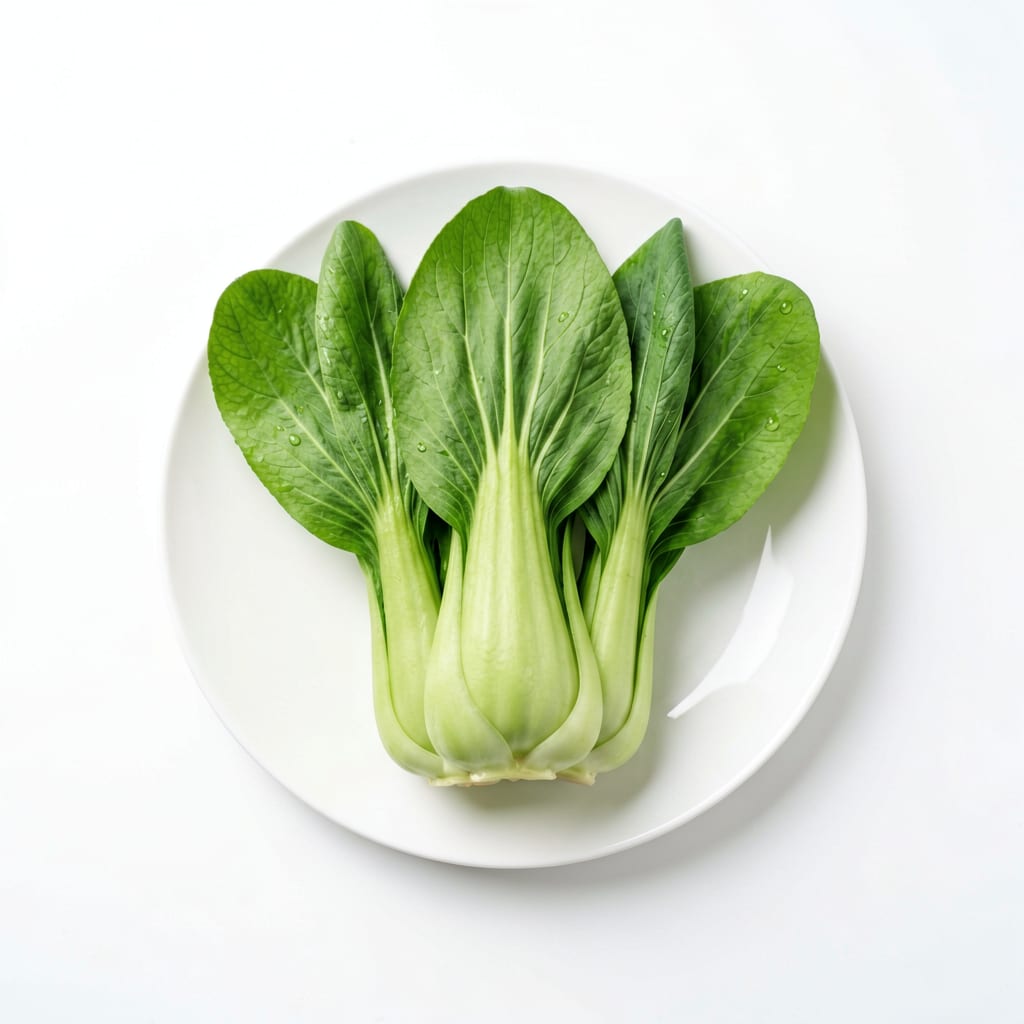
Compare with
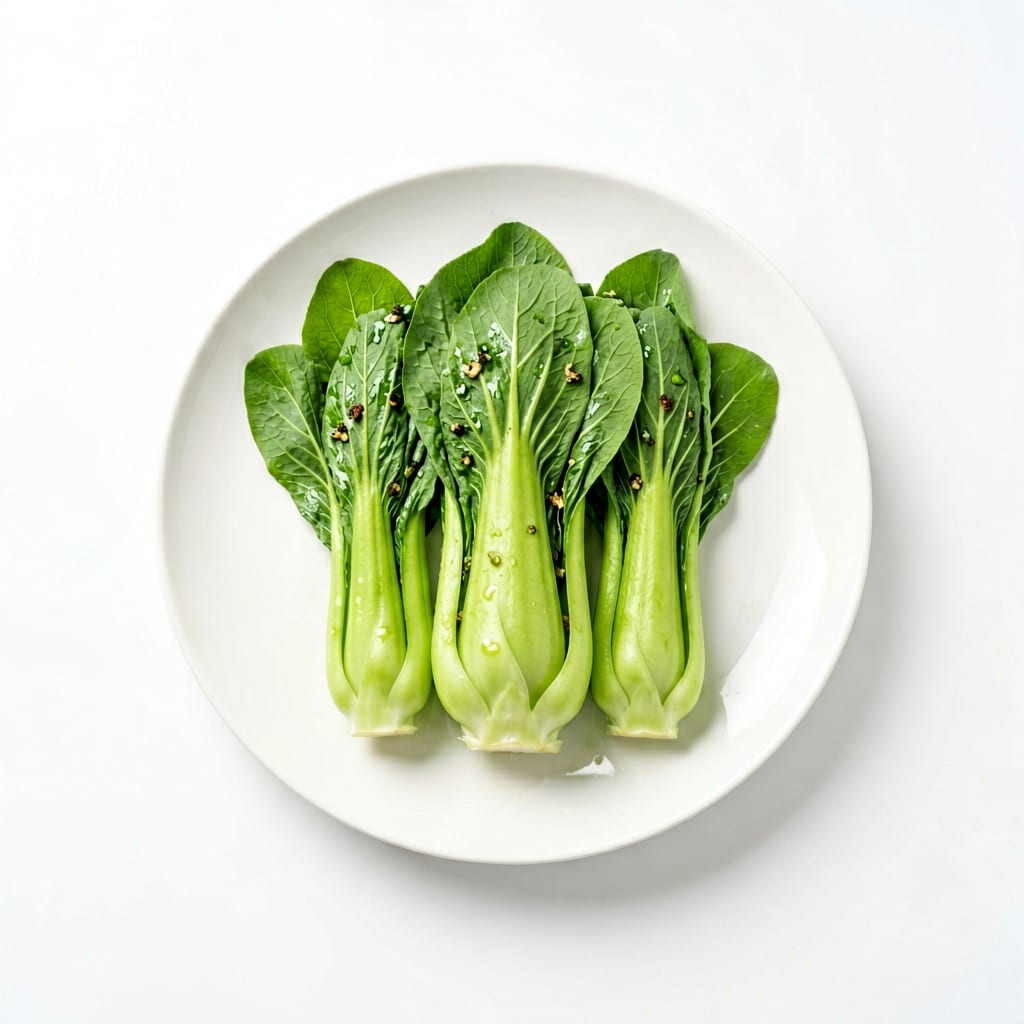
Bok Choy
Bok choy has thicker white stems and darker leaves, while choy sum has slender green stems and edible flowers. Choy sum offers slightly more calcium.
Choy sum provides slightly more calcium and edible flowers, while bok choy offers crunchier stems and a milder flavor, but both are excellent low-calorie greens.
This food
Choy Sum
VS90% alike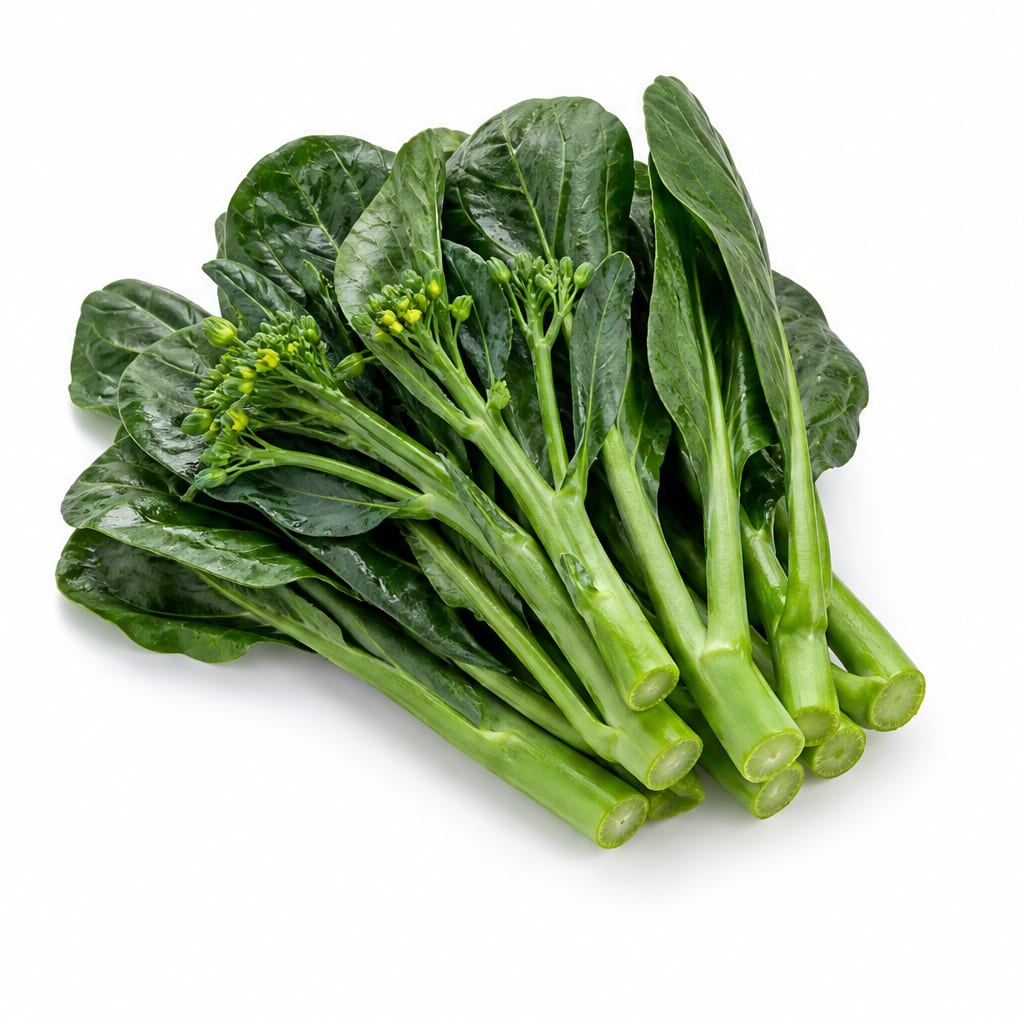
Compare with
Gai Lan
Gai lan (Chinese broccoli) has thick stems and large flat leaves with a bitter, earthy flavor. Choy sum is more tender and mildly sweet.
Choy sum is more tender and lower in calories, while gai lan offers a bolder bitter flavor and thicker stems requiring longer cooking.
This food
Choy Sum
VS85% alike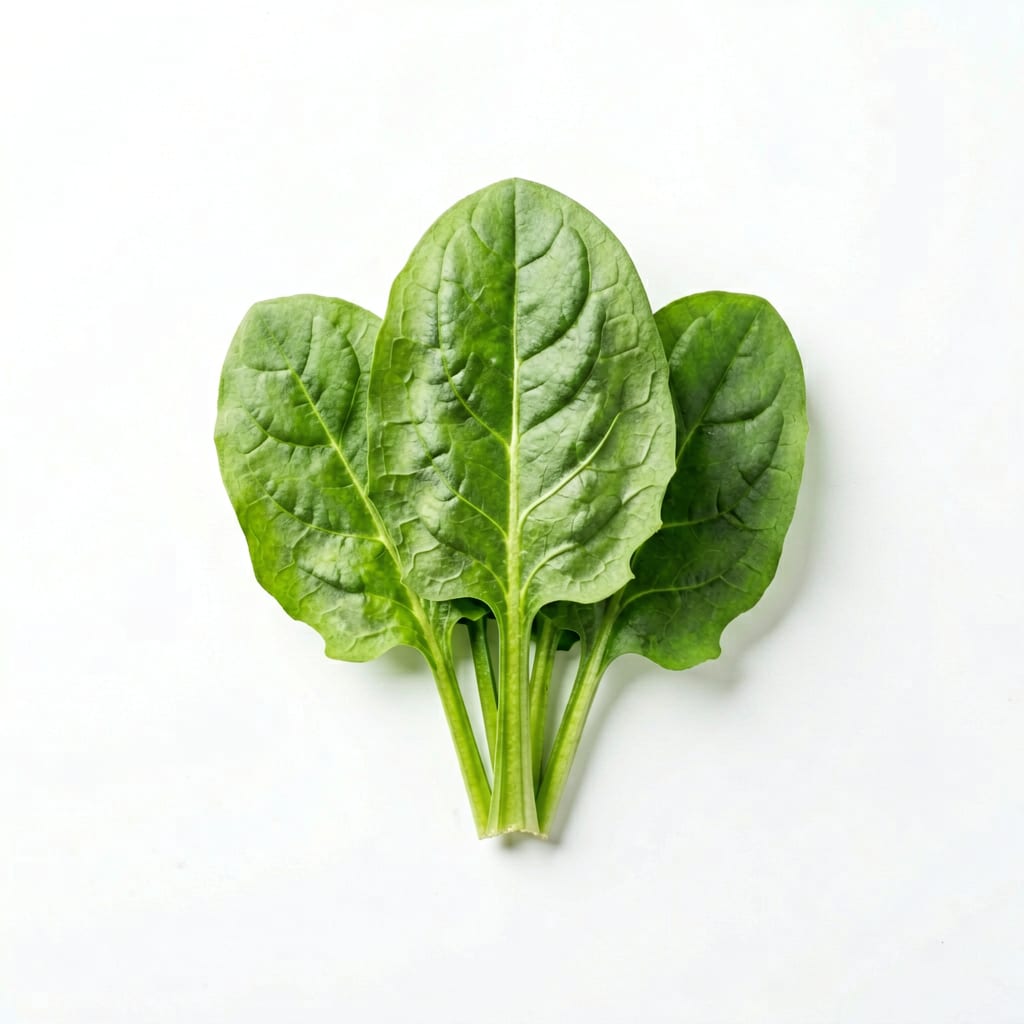
Compare with
Spinach
Spinach is higher in iron and folate but contains oxalates that block calcium absorption. Choy sum provides calcium that the body actually absorbs.
Spinach is higher in iron, but choy sum is a far better calcium source because it lacks the oxalates that block mineral absorption.
This food
Choy Sum
VS80% alike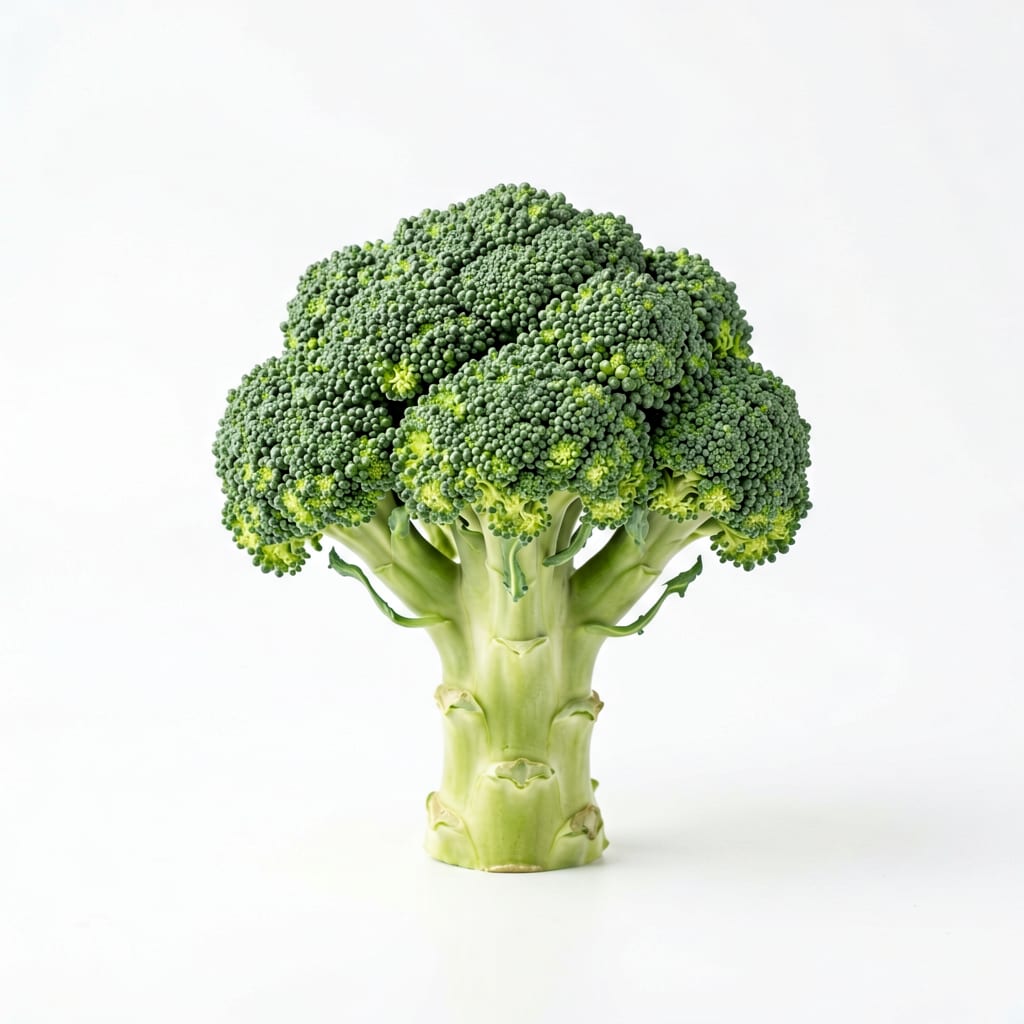
Compare with
Broccoli
Broccoli has larger florets and thicker stalks, providing more Vitamin C and fiber per calorie. Choy sum cooks faster and has a more delicate texture.
Broccoli provides more fiber and Vitamin C for satiety and recovery, while choy sum is lighter, faster-cooking, and better for high-volume eating.
This food
Choy Sum
VS75% alike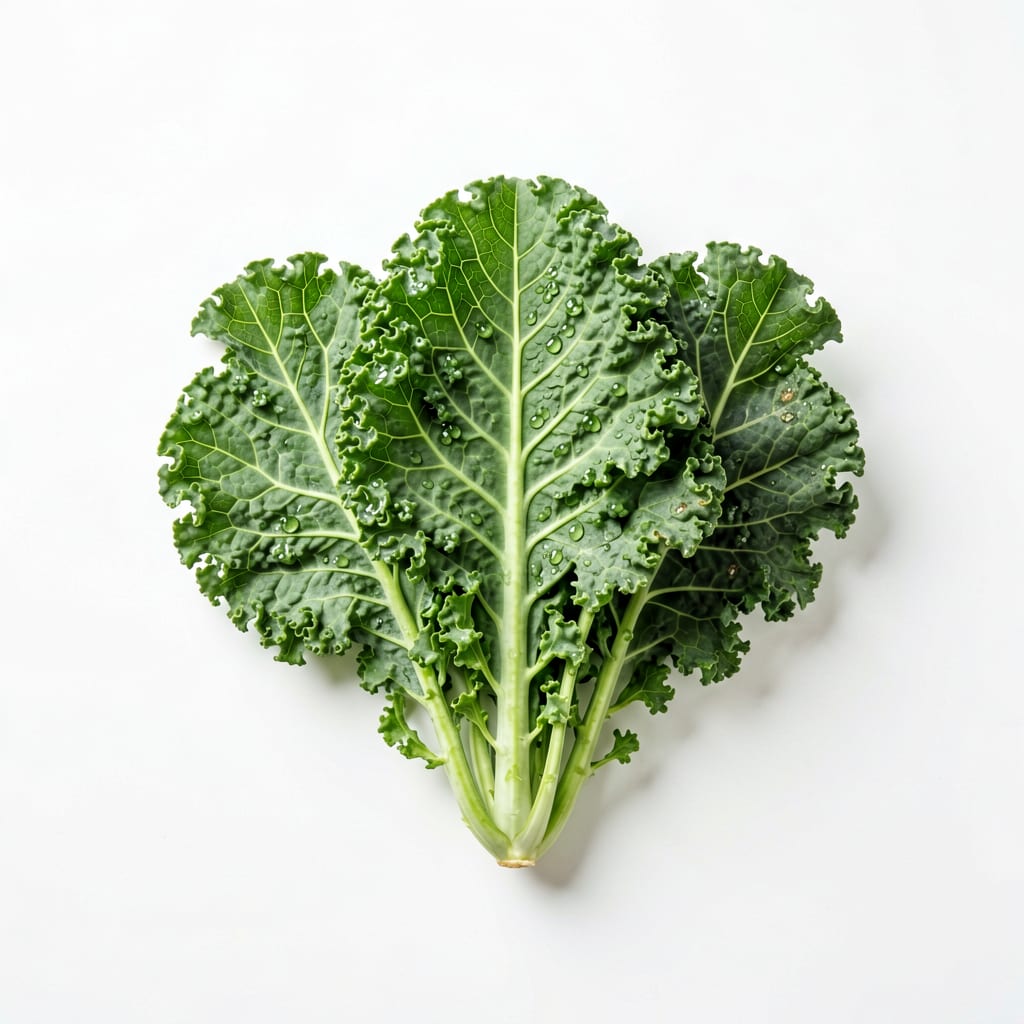
Compare with
Kale
Kale is significantly denser in vitamins K, A, and C, but much tougher to eat raw. Choy sum is more tender and quicker to cook.
Kale packs more vitamins and fiber per gram, but choy sum is far easier to chew, digest, and cook quickly for a light meal.
This food
Choy Sum
VS70% alike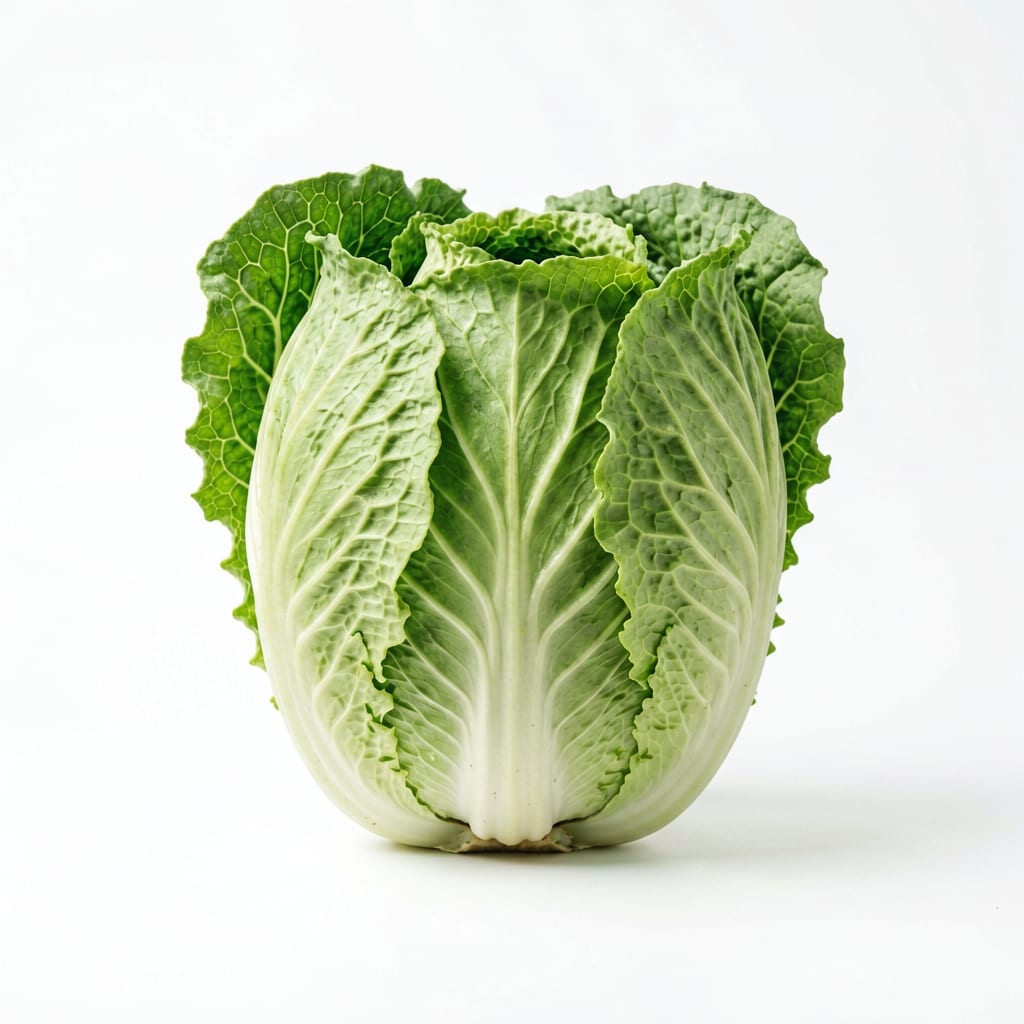
Compare with
Napa Cabbage
Napa cabbage is mostly water with a very mild flavor and crunch, while choy sum is more nutrient-dense and flavorful.
Napa cabbage is slightly lower in calories and great for crunch, but choy sum delivers more vitamins, minerals, and flavor per serving.
This food
Choy Sum
VS65% alike
Compare with
Watercress
Watercress is the most nutrient-dense vegetable on the CDC index, beating choy sum in vitamins, but choy sum is more filling and versatile in hot dishes.
Watercress is a vitamin K and C powerhouse, while choy sum provides more physical bulk and a milder flavor for cooked meals.
This food
Choy Sum
VS60% alike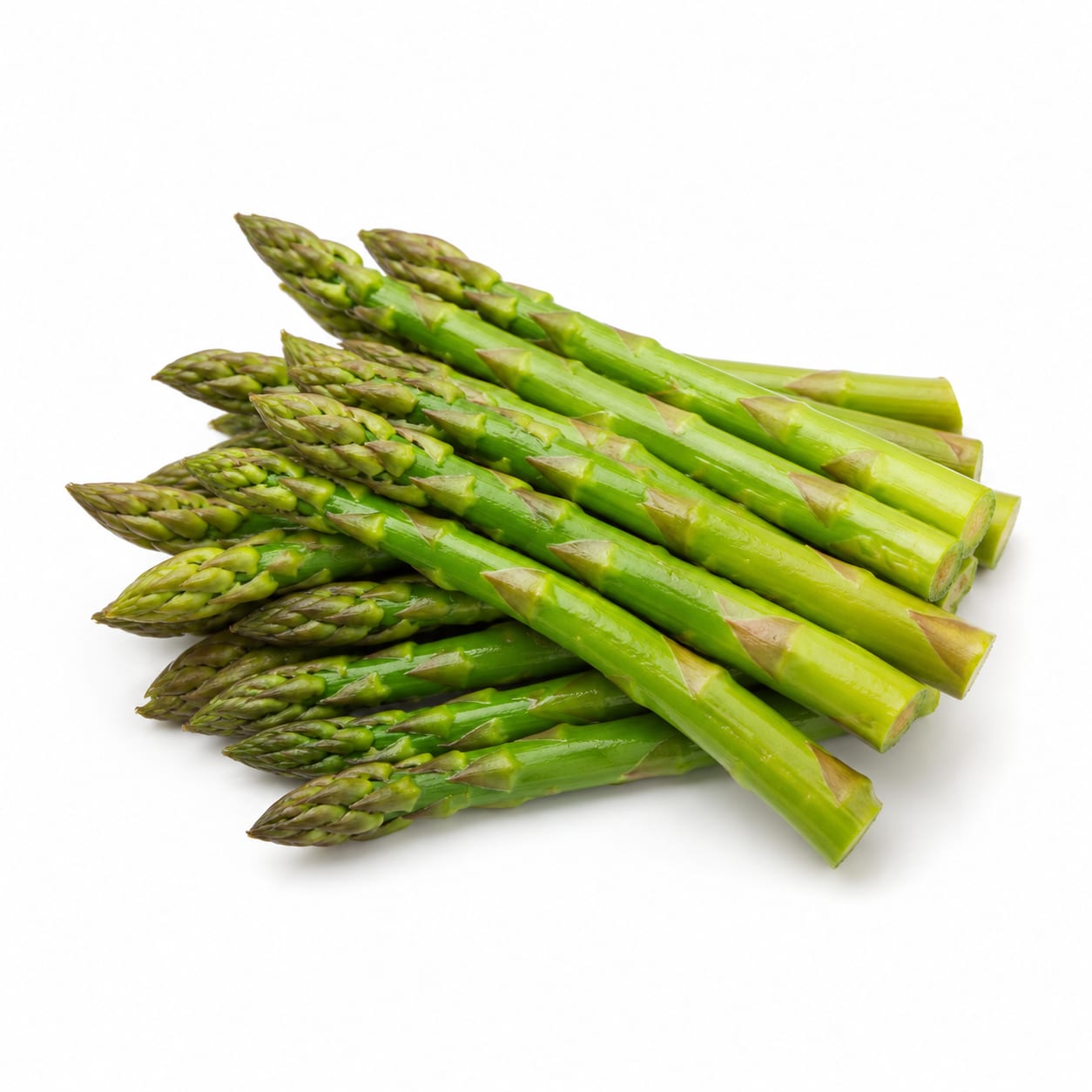
Compare with
Asparagus
Asparagus offers more prebiotic fiber and folate, but choy sum is significantly lower in calories and carbohydrates.
Asparagus provides more fiber and prebiotics for gut health, while choy sum is much lower in calories and carbs for weight loss.
This food
Choy Sum
VS55% alike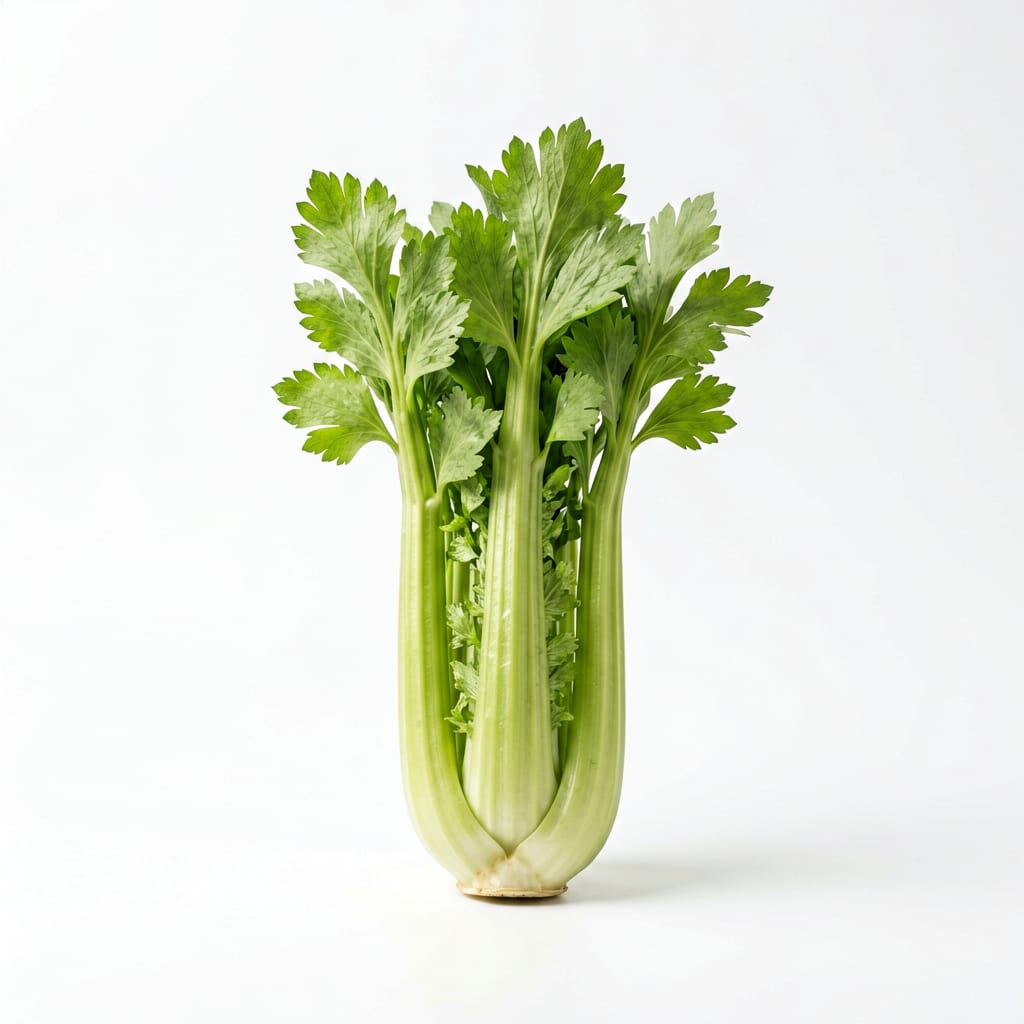
Compare with
Celery
Celery is crunchier and often eaten raw with dips, while choy sum is almost always cooked and provides far more vitamins and minerals.
Celery is lower in calories and good for raw snacking, but choy sum is far superior in calcium, vitamins, and overall nutrient density.
This food
Choy Sum
VS50% alike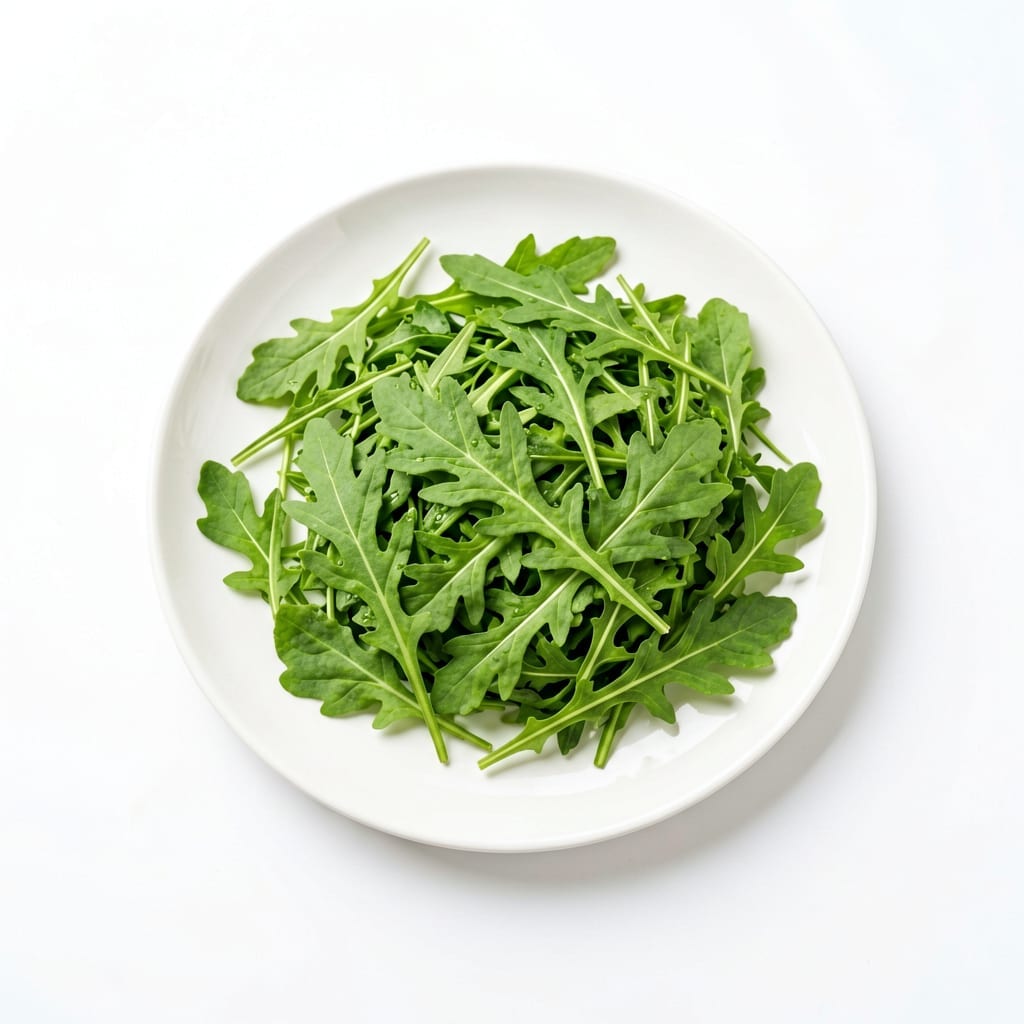
Compare with
Arugula
Arugula is typically eaten raw in salads and is lower in calories, while choy sum is cooked and provides more calcium and bulk.
Arugula is better for raw salads and lower in calories, while choy sum provides more calcium, bulk, and is better suited for hot cooking.
Common questions
FAQ
Answers aligned with how people search for this food.
Is choy sum good for weight loss?
Yes, choy sum is excellent for weight loss. It provides only 20 calories per 100g and high water content, allowing you to eat large volumes that fill you up without excess calories.
How many carbs are in choy sum?
Choy sum contains about 3.5g of total carbs per 100g, with 1.6g of that coming from fiber. This results in only 1.9g of net carbs, making it very low-carb friendly.
Can diabetics eat choy sum?
Yes, choy sum is highly recommended for diabetics. It has a glycemic index of 15 and a glycemic load of 1, meaning it will not cause blood sugar spikes.
What is the difference between choy sum and bok choy?
While both are Chinese greens, choy sum has slender green stems and edible yellow flowers, whereas bok choy has thick, crisp white stems and dark green leaves without flowers. Choy sum also has a slightly more bitter, mustard-like flavor.
Do you eat the stems of choy sum?
Yes, the entire plant is edible, including the stems, leaves, and flowers. The stems provide a satisfying crunch, but they take slightly longer to cook than the leaves.
Is choy sum high in calcium?
Yes, choy sum is an excellent source of calcium. Unlike spinach, it has low oxalate levels, meaning your body can absorb its calcium very efficiently.
How do you reduce pesticides on choy sum?
To reduce pesticides, soak the separated leaves and stems in a bowl of cold water with a splash of vinegar for 5-10 minutes, then rinse thoroughly under running water. Buying organic is the most effective method.
Is choy sum a cruciferous vegetable?
Yes, choy sum belongs to the Brassica family, making it a cruciferous vegetable like broccoli and kale. It contains glucosinolates, which are compounds studied for their cellular health benefits.
Transparency
Data confidence
Estimated confidence for nutrition data, interpretation, safety notes, and comparisons.
Nutrition data
Health analysis
Food safety
Comparisons