
Nutrition comparison
Choy Sum vs Kale: Which Leafy Green Is Better for You?
Compare Choy Sum and Kale on nutrition, digestibility, calcium absorption, and cooking convenience. Find out which green fits your lifestyle better.
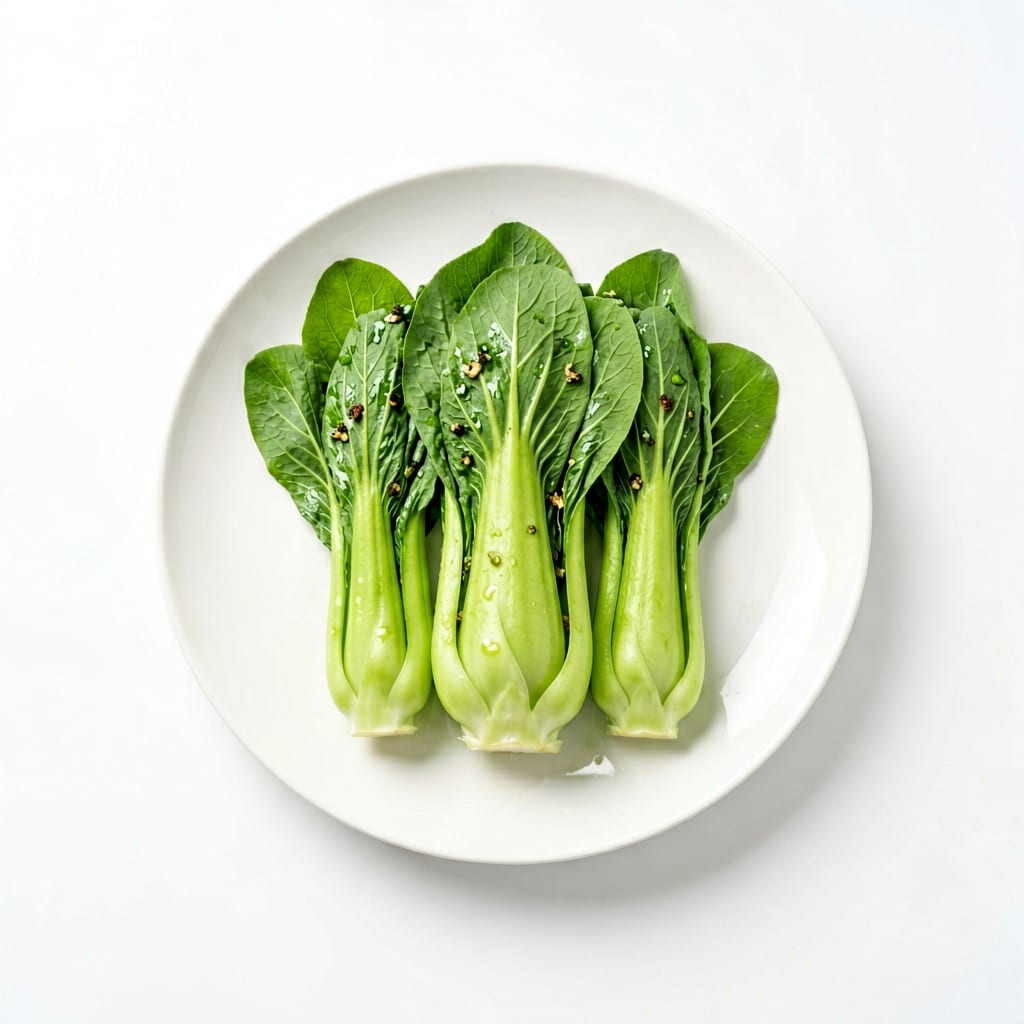
Choy Sum
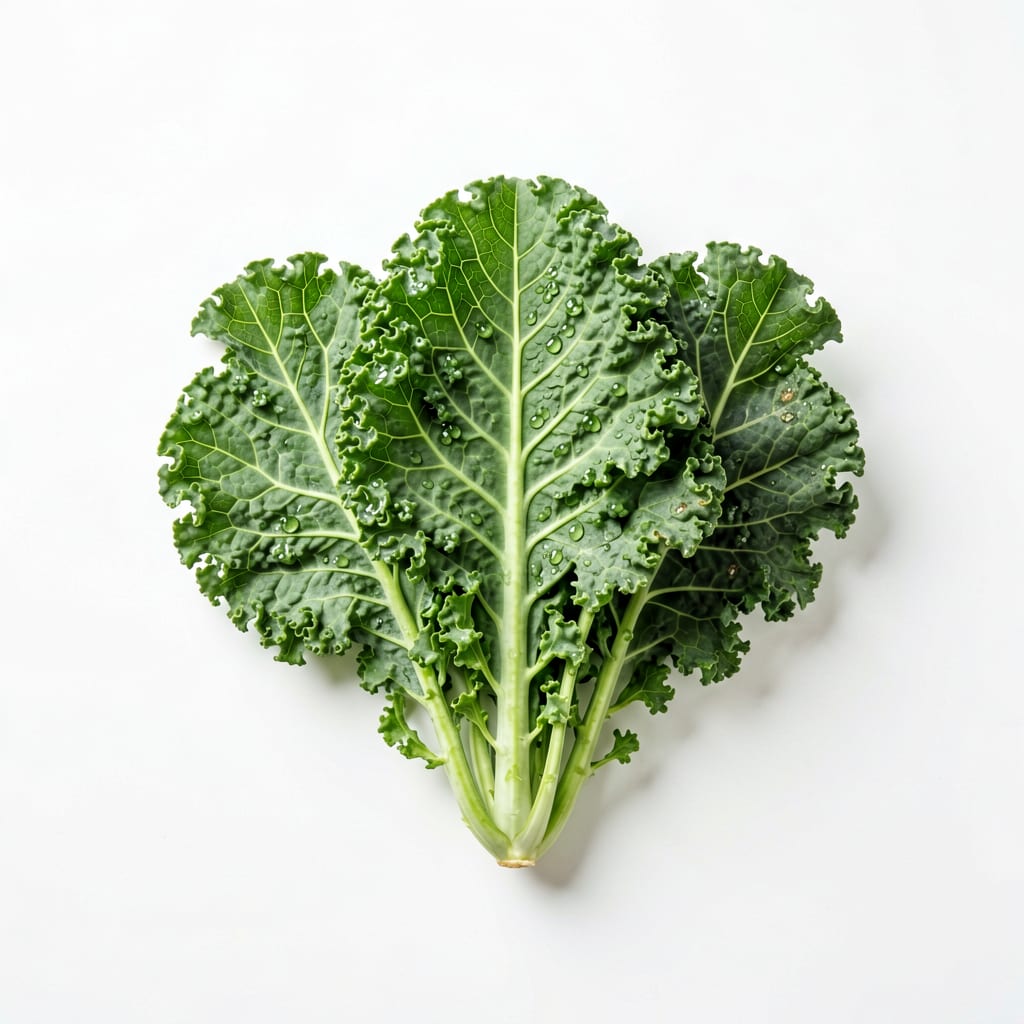
Kale
Kale wins on raw nutrient density and antioxidants, but Choy Sum wins on digestibility, calcium absorption, and cooking ease. Your stomach and cooking habits should decide.
Kale scores slightly higher due to superior nutrient density and antioxidant content, but the gap narrows significantly when accounting for digestibility and practical daily use. Choy Sum is the smarter everyday green for most people.
Maximum nutrition per calorie versus comfort and practicality — Kale packs more but Choy Sum is easier to live with daily.
At a glance
Executive summary
Overall
It depends
Healthier
It depends
More practical
Choy Sum
Daily use
Choy Sum
Key comparison lenses
nutrient density comparison
Both are nutrient powerhouses but with different vitamin and mineral profiles that matter for daily vegetable choices
digestive tolerance
Kale is notorious for bloating and digestive discomfort while Choy Sum is gentle on the stomach, a major real-world concern
cooking convenience and versatility
Choy Sum cooks in minutes while Kale requires more prep and longer cooking, affecting daily practicality
calcium bioavailability
Choy Sum has lower oxalate levels meaning its calcium is actually absorbable, unlike Kale's high-oxalate calcium
antioxidant diversity
Kale is famous for antioxidants but Choy Sum brings different phytonutrients common in cruciferous Asian greens
Best choice for
Choy Sum
- People with sensitive digestion or IBS
- Anyone wanting quick-cooking weeknight vegetables
- Those prioritizing calcium absorption
- Home cooks who want mild flavor that pairs with anything
- People who get bloated from Kale
Kale
- Nutrient maximalists chasing the highest vitamin K and antioxidant intake
- Smoothie and raw salad enthusiasts
- Anyone meal-prepping for the week
- People who enjoy bitter, robust greens
- Those focused on eye health via lutein and zeaxanthin
Least suitable for
Choy Sum
- People seeking very high fiber intake per serving
- Raw food dieters who avoid cooking vegetables
- Those wanting maximum vitamin K per calorie
Kale
- People prone to bloating or gas from cruciferous vegetables
- Anyone with thyroid concerns who eats large quantities raw
- Those who dislike bitter flavors
- Busy cooks wanting a 3-minute side dish
Deep comparison
Dimension by dimension
Each lens scores both foods and breaks down who each option suits.
- Dimension 1 · Priority 92Kale
nutrient_density
Choy Sum · 75Kale · 93Kale is one of the most nutrient-dense foods on the planet per calorie, delivering massive amounts of vitamins K, A, and C. Choy Sum is nutritious but less concentrated.
Tradeoff
Kale gives you more vitamins per bite, but Choy Sum's nutrients may be better absorbed due to lower oxalate interference.
Why it matters
If you eat small portions or skip vegetables often, Kale maximizes what you get from each serving.
Real-world impact
A single cup of raw Kale covers over 100% of daily vitamin K and most of your vitamin A. Choy Sum covers less but still delivers solid nutrition.
Choy Sum
- Calcium absorption due to low oxalate content
- Folate intake per serving
- Gentler nutrient delivery without digestive blocking
Better for
- Lower total vitamin K per serving
- Less fiber per calorie
Worse for
Kale
- Vitamin K concentration
- Vitamin A and lutein content
- Overall vitamin and mineral totals per calorie
Better for
- Oxalates reduce calcium and iron absorption
- High vitamin K can interfere with blood thinners
Worse for
- Dimension 2 · Priority 88Choy Sum
digestive_comfort
Choy Sum · 88Kale · 55Choy Sum is tender and easy to digest. Kale is fibrous and commonly causes bloating, especially raw.
Tradeoff
Kale's fiber is great for gut health long-term, but it punishes sensitive stomachs in the short term.
Why it matters
If a vegetable makes you uncomfortable, you will stop eating it. Digestibility determines long-term adherence.
Real-world impact
Many people report gas and bloating after Kale salads. Choy Sum stir-fries rarely cause the same complaints.
Choy Sum
- Sensitive digestion and IBS-prone individuals
- Quick comfortable meals without after-effects
- Children and elderly who need gentle foods
Better for
- Less prebiotic fiber to feed beneficial gut bacteria
Worse for
Kale
- Building gut microbiome diversity through resistant fiber
- Promoting regular bowel movements with roughage
Better for
- Raw Kale causes significant bloating in many people
- Requires cooking or massaging to reduce digestive irritation
- Tough fibrous stems can be hard to break down
Worse for
- Dimension 3 · Priority 85Choy Sum
cooking_convenience
Choy Sum · 90Kale · 60Choy Sum cooks in 2-3 minutes with minimal prep. Kale needs de-stemming, chopping, and longer cooking to become palatable.
Tradeoff
Choy Sum saves time but offers less versatility in raw preparations. Kale can be eaten raw, baked, or slow-cooked but demands more effort.
Why it matters
The vegetable you can cook in 3 minutes on a Tuesday night beats the one that sits in your fridge because prep feels like work.
Real-world impact
Choy Sum goes from fridge to plate in under 5 minutes. Kale salads need massaging, Kale chips need baking, and sautés need 10+ minutes.
Choy Sum
- Busy weeknight dinners
- Minimal cleanup and prep
- Stir-fry and soup integration
Better for
- Limited raw preparation options
- Wilts quickly if overcooked
Worse for
Kale
- Raw salad and smoothie applications
- Meal prep that benefits from sturdy leaves
- Kale chip snacks
Better for
- Tough stems must be removed
- Bitterness requires technique to manage
- Longer cooking times for tender results
Worse for
- Dimension 4 · Priority 80Choy Sum
calcium_and_mineral_absorption
Choy Sum · 85Kale · 62Choy Sum has lower oxalate levels, so your body actually absorbs the calcium it provides. Kale's calcium is largely blocked by oxalates.
Tradeoff
Kale lists more calcium on paper, but Choy Sum delivers more usable calcium to your body.
Why it matters
Dairy-free diets depend on greens for calcium. Absorption matters more than label numbers.
Real-world impact
Eating Choy Sum for calcium is like drinking water from an open glass. Kale for calcium is like drinking through a clogged straw.
Choy Sum
- Bioavailable calcium for bone health
- Better iron absorption without oxalate interference
- More reliable mineral delivery per serving
Better for
- Lower total calcium listed per serving
Worse for
Kale
- Higher total mineral content on nutrition labels
- More manganese per serving
Better for
- High oxalates bind calcium and reduce absorption
- Oxalates may contribute to kidney stone risk in susceptible people
Worse for
- Dimension 5 · Priority 75Kale
antioxidant_and_phytonutrient_profile
Choy Sum · 68Kale · 90Kale is loaded with lutein, zeaxanthin, quercetin, and kaempferol. Choy Sum has beneficial glucosinolates but less antioxidant diversity.
Tradeoff
Kale offers broader antioxidant protection, especially for eyes and inflammation. Choy Sum still provides cancer-fighting compounds but with less variety.
Why it matters
Antioxidant diversity supports long-term disease prevention and healthy aging.
Real-world impact
Regular Kale consumption is linked to lower risk of eye diseases and chronic inflammation. Choy Sum supports detoxification pathways but with less research backing.
Choy Sum
- Glucosinolates that support liver detoxification
- Unique Asian cruciferous phytonutrients less studied but potentially valuable
Better for
- Less studied antioxidant profile
- Fewer carotenoids per serving
Worse for
Kale
- Lutein and zeaxanthin for eye health
- Quercetin for anti-inflammatory benefits
- Broader and more researched antioxidant profile
Better for
- Antioxidant benefits require regular consistent intake
- Some compounds are degraded by poor cooking methods
Worse for
- Dimension 6 · Priority 72Choy Sum
taste_and_culinary_appeal
Choy Sum · 82Kale · 58Choy Sum is mild, slightly sweet, and universally approachable. Kale is bitter, tough, and polarizing.
Tradeoff
Choy Sum pleases most palates easily. Kale rewards those who learn to work with its bitterness but alienates many at first taste.
Why it matters
Flavor determines whether a food becomes a habit or a chore.
Real-world impact
Most people enjoy Choy Sum on first try. Many people need multiple attempts to enjoy Kale, and some never do.
Choy Sum
- Picky eaters and children
- Mild flavor that absorbs sauces and seasonings
- Tender texture without chewing resistance
Better for
- Can feel bland without seasoning
- Less textural interest
Worse for
Kale
- Robust flavor that stands up to bold dressings
- Satisfying chew for those who enjoy heartier greens
- Bitterness adds complexity to dishes when balanced
Better for
- Bitterness is off-putting to many
- Tough texture requires technique to improve
- Needs fat, acid, or salt to become enjoyable
Worse for
Timeline
Health impact over time
Short-term
Hours to days
Choy Sum
- Quick energy from easily digestible carbohydrates
- Comfortable digestion without bloating
- Hydrating due to high water content
Kale
- Possible bloating or gas, especially if eaten raw
- Sustained fullness from high fiber content
- Blood sugar stabilization after meals
Long-term
Months to years
Choy Sum
- Consistent calcium absorption supporting bone density
- Regular gentle fiber intake maintaining gut regularity
- Sustained vegetable habit due to ease of preparation and enjoyment
Kale
- Reduced risk of age-related eye degeneration from lutein
- Strong anti-inflammatory protection from diverse antioxidants
- Potential thyroid interference if consumed raw in very large amounts over time
Risk profile
Safety & processing
Both Choy Sum and Kale are whole, minimally processed vegetables. Neither typically contains additives when purchased fresh. The main concern is pesticide residue, which affects both but is manageable with proper washing or choosing organic.
Choy Sum
Pesticide residue
mediumChoy Sum is not specifically tracked in EWG pesticide data but leafy greens generally carry residue. Washing thoroughly or choosing organic reduces exposure.
Bacterial contamination
lowCooking eliminates most bacterial risk. Choy Sum is almost always cooked before eating, making contamination less concerning than for raw greens.
Kale
Pesticide residue
highKale has appeared on the EWG Dirty Dozen list due to frequent pesticide detection, including concerning levels of DCPA classified as a possible carcinogen.
Oxalate accumulation
mediumHigh oxalate content can contribute to kidney stone formation in susceptible individuals, especially with heavy raw consumption.
Goitrogenic compounds
lowRaw Kale contains goitrogens that may interfere with thyroid function in people with existing conditions. Cooking significantly reduces this risk.
Who wins for whom
Audience fit
Same foods, different winners depending on your goal.
children
Choy SumChoy Sum's mild flavor and tender texture are far more kid-friendly. Kale's bitterness and toughness make it a hard sell to most children.
daily consumption
Choy SumChoy Sum's ease of cooking, gentle digestion, and pleasant taste make it more sustainable as a daily habit. Kale is excellent but many people burn out on it.
diabetes
KaleKale's higher fiber content slows glucose absorption more effectively. Both are excellent low-carb choices that will not spike blood sugar.
elderly
Choy SumChoy Sum is easier to chew, gentler on digestion, and provides more absorbable calcium for aging bones. Kale's toughness and bloating risk are harder on older systems.
muscle gain
It dependsNeither is a significant protein source. Both provide micronutrients that support recovery. Kale has slightly more vitamin C for collagen synthesis, Choy Sum has more bioavailable calcium for muscle contraction.
weight loss
KaleKale's higher fiber and lower calorie density keep you fuller longer, making it easier to eat less overall. Choy Sum is also low-calorie but less satiating.
Your move
Decision guide
Choose Choy Sum
- You get bloated or gassy from Kale and other tough greens
- You want a vegetable that cooks in under 5 minutes on busy nights
- You are dairy-free and need reliable calcium absorption
- You prefer mild flavors that work with any cuisine
- You are feeding children or elderly family members
- You have thyroid concerns and want lower goitrogen intake
Choose Kale
- You want maximum nutrient density per calorie
- You are focused on eye health and antioxidant protection
- You enjoy making smoothies, raw salads, or kale chips
- You have no digestive issues with cruciferous vegetables
- You meal-prep and want sturdy greens that last all week
- You are comfortable with longer prep and cooking times
Either works if
- You simply want more leafy greens in your diet regardless of type
- You rotate vegetables for microbiome diversity
- You cook both into soups and stews where differences fade
- You are generally healthy without specific digestive or thyroid concerns
Avoid both if
- You are on blood thinners like warfarin without medical guidance on vitamin K intake
- You have severe oxalate-related kidney stone issues and need to limit all high-oxalate greens
Final recommendation
Eat both, but let Choy Sum be your daily driver and Kale your nutrient booster. Choy Sum is the green you will actually cook on tired evenings. Kale is the one you prep on weekends for smoothies and salads. If you must pick one, Choy Sum wins for sustainability — the best vegetable is the one you keep eating.
Practical
Consumer tips
- 1
Wash Kale thoroughly and consider organic due to its frequent appearance on pesticide watch lists
- 2
Massage raw Kale with olive oil and lemon for 2 minutes to break down toughness and reduce bitterness
- 3
Cook Choy Sum by blanching for 90 seconds then drizzling with oyster sauce for a restaurant-quality side
- 4
Rotate between both greens weekly to get the broadest nutrient and phytonutrient coverage
- 5
If Kale causes bloating, try cooking it instead of eating raw — heat breaks down the toughest fibers
- 6
Choy Sum stems cook at a different rate than leaves — add stems to the pan 30 seconds before the leaves
- 7
Freeze Kale for smoothies — frozen Kale blends smoother and the cold masks bitterness
- 8
Choy Sum is best used within 2-3 days of purchase as it wilts faster than sturdy Kale