
Nutrition comparison
Choy Sum vs Gai Lan: Which Chinese Green Is Better for You?
Compare Choy Sum and Gai Lan nutrition, taste, cooking time, and health benefits. Find out which Chinese green fits your diet, digestion, and cooking style best.
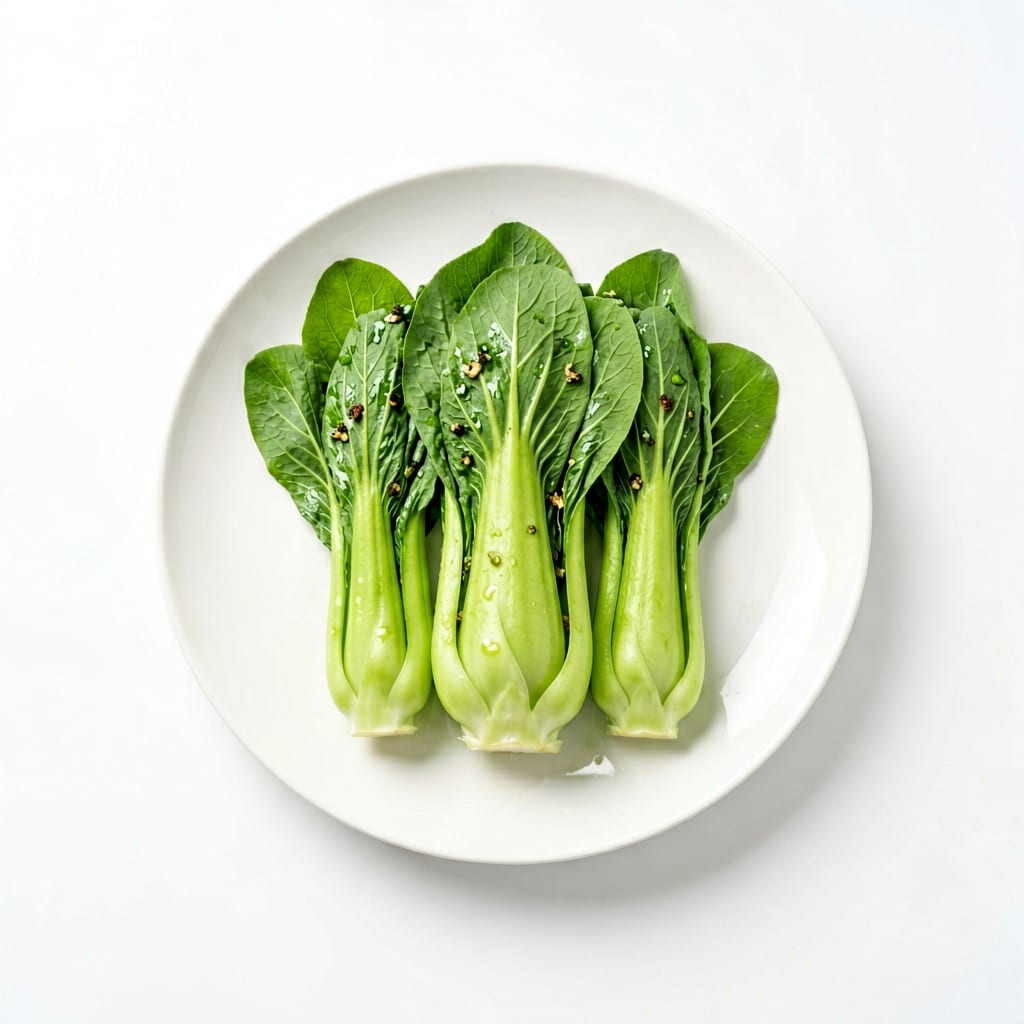
Choy Sum
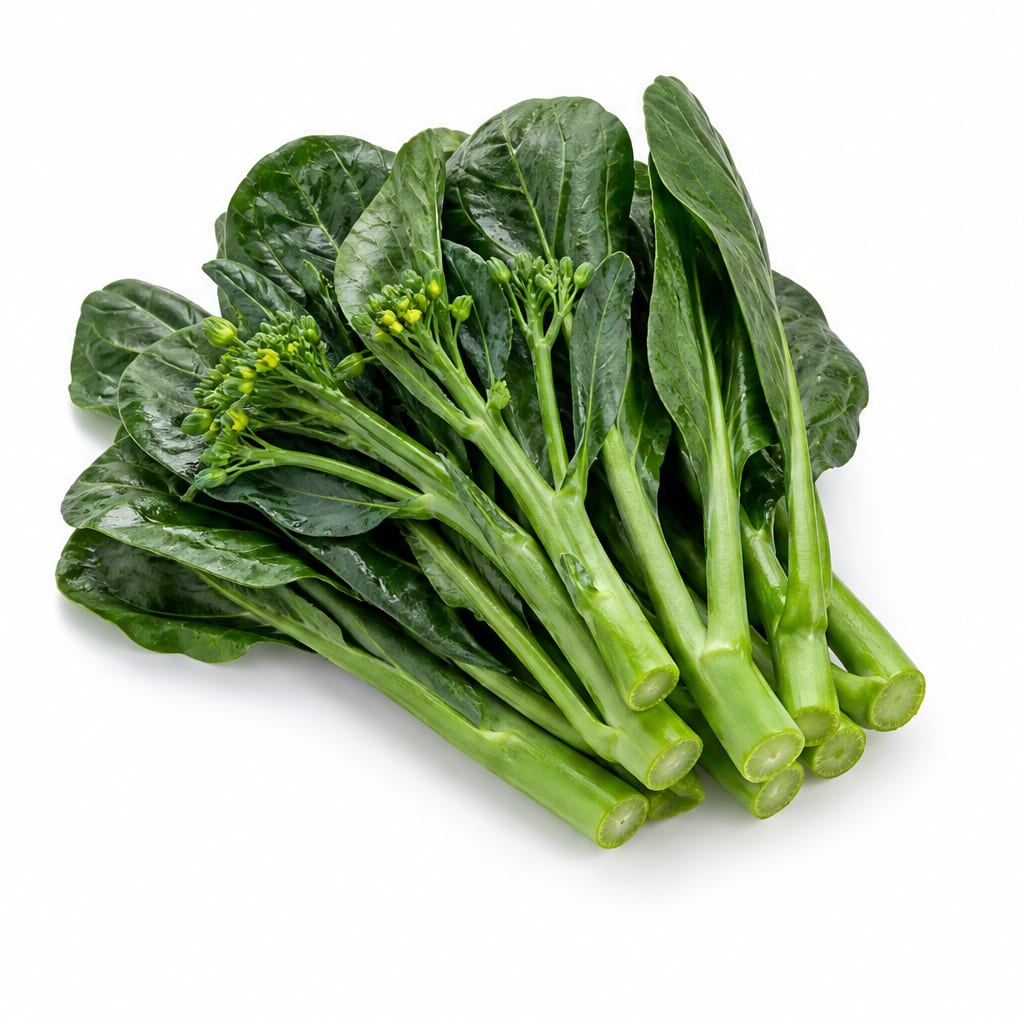
Gai Lan
Gai Lan wins on raw nutrition, but Choy Sum wins on everyday ease and lightness. Pick based on what your body and cooking style need most.
Gai Lan scores higher due to superior mineral content, fiber, and antioxidant density. Choy Sum stays competitive through digestibility, speed, and approachability. The gap reflects nutrition more than overall quality.
Gai Lan delivers more calcium, vitamin K, and fiber per serving, while Choy Sum offers a milder flavor, faster cooking time, and gentler digestion.
At a glance
Executive summary
Overall
It depends
Healthier
Gai Lan
More practical
Choy Sum
Daily use
It depends
Key comparison lenses
nutrient density comparison
Both are cruciferous greens but Gai Lan packs significantly more vitamins and minerals per bite due to its darker leaves and thicker stems
digestive tolerance and lightness
Choy Sum is noticeably gentler on the stomach and feels lighter in meals, which matters for everyday eating comfort
bone health and mineral support
Gai Lan delivers substantially more calcium and vitamin K, making it more relevant for people concerned about bone density
cooking versatility and convenience
Choy Sum cooks faster and pairs more easily with delicate flavors, while Gai Lan requires more prep and stands up to bolder sauces
antioxidant and cancer fighting potential
Both contain glucosinolates but Gai Lan's darker pigmentation signals higher antioxidant concentration
Best choice for
Choy Sum
- People with sensitive digestion who find fibrous greens uncomfortable
- Home cooks wanting a quick 2-minute side dish on busy weeknights
- Families with picky eaters who dislike bitter flavors
- Anyone seeking a lighter vegetable that won't dominate the plate
Gai Lan
- Adults over 40 focused on bone density and calcium intake
- Athletes and active people needing more magnesium and iron
- Anyone eating low-calcium diets who needs a natural mineral boost
- Fans of robust flavors who enjoy bitter greens with savory sauces
Least suitable for
Choy Sum
- People who need maximum nutrient density per calorie consumed
- Those looking to significantly boost calcium or iron intake from greens alone
Gai Lan
- People with IBS or sensitive stomachs who struggle with high-fiber cruciferous vegetables
- Impatient cooks who want vegetables done in under 3 minutes
Deep comparison
Dimension by dimension
Each lens scores both foods and breaks down who each option suits.
- Dimension 1 · Priority 92Gai Lan
nutrient_density
Choy Sum · 68Gai Lan · 89Gai Lan delivers noticeably more calcium, vitamin K, vitamin A, and iron per serving than Choy Sum.
Tradeoff
You get more nutrition per bite with Gai Lan, but its tougher texture requires longer cooking which can reduce some heat-sensitive vitamins like vitamin C.
Why it matters
If you eat greens partly to fill nutritional gaps, Gai Lan does more heavy lifting in a single serving.
Real-world impact
One serving of Gai Lan covers roughly 20% of your daily calcium needs versus about 10% from Choy Sum. That difference adds up over weeks.
Choy Sum
- Retaining more vitamin C since it cooks faster
Better for
- Lower mineral contribution per serving
Worse for
Gai Lan
- Boosting calcium and vitamin K intake significantly
- Getting more iron from a plant source
- Maximizing antioxidant intake from darker leaves
Better for
- Longer cooking slightly degrades heat-sensitive nutrients
Worse for
- Dimension 2 · Priority 82Gai Lan
fiber_and_satiety
Choy Sum · 65Gai Lan · 84Gai Lan's thick stems and robust leaves provide substantially more fiber, making it more filling.
Tradeoff
More fiber means better fullness and blood sugar control, but it can also mean bloating if your gut isn't used to it.
Why it matters
Fiber is the nutrient most people consistently under-eat. Choosing Gai Lan helps close that gap more effectively.
Real-world impact
A plate of Gai Lan with rice keeps you satisfied longer than the same plate with Choy Sum, reducing the urge to snack afterward.
Choy Sum
- Easier on sensitive stomachs that struggle with high-fiber meals
- Less likely to cause gas or bloating at larger portions
Better for
- Less satiety contribution per serving
Worse for
Gai Lan
- Staying full longer between meals
- Supporting more regular digestion when eaten consistently
- Stabilizing blood sugar when paired with carb-heavy dishes
Better for
- Can cause discomfort if you suddenly eat large amounts without adjusting
Worse for
- Dimension 3 · Priority 85Choy Sum
digestibility_and_comfort
Choy Sum · 88Gai Lan · 62Choy Sum's tender stems and delicate leaves make it noticeably easier to digest and gentler on the stomach.
Tradeoff
You trade some nutritional punch for a vegetable that feels light and comfortable, even in larger portions.
Why it matters
The healthiest vegetable is one you can actually eat regularly without discomfort. For sensitive digestions, Choy Sum is the safer daily choice.
Real-world impact
After a Choy Sum stir-fry, you feel light and comfortable. After a heavy Gai Lan portion, you might feel pleasantly full or slightly bloated depending on your gut.
Choy Sum
- Evening meals when you want something light before bed
- Post-illness recovery when your digestion is still delicate
- Hot summer days when heavy food feels unappealing
Better for
- May not feel substantial enough as a standalone vegetable dish
Worse for
Gai Lan
- Active days when you need sustained energy and fullness
Better for
- Can trigger IBS symptoms in sensitive individuals
- Heavy enough to feel uncomfortable in large late-night portions
Worse for
- Dimension 4 · Priority 78Choy Sum
cooking_convenience_and_speed
Choy Sum · 86Gai Lan · 64Choy Sum cooks in about half the time of Gai Lan and requires less prep work.
Tradeoff
Speed and ease come with less structural integrity. Choy Sum can overcook and turn mushy faster if you're not paying attention.
Why it matters
On a busy Tuesday night, the vegetable that's ready in 90 seconds is the one that actually makes it onto your plate.
Real-world impact
Choy Sum goes from raw to perfectly done in under 2 minutes of stir-frying. Gai Lan stems need 4-5 minutes and often benefit from blanching first.
Choy Sum
- Quick weeknight dinners with minimal effort
- Stir-fries where you want everything done simultaneously
- Steaming as a simple side without multi-step prep
Better for
- Overcooks quickly if you get distracted
- Can turn watery if not drained well after washing
Worse for
Gai Lan
- Dishes where you want the vegetable to maintain bite and structure
- Recipes that benefit from blanching then stir-frying for layered texture
Better for
- Requires more attention and technique to cook well
- Stems and leaves cook at different rates, needing separate timing
Worse for
- Dimension 5 · Priority 76It depends
flavor_and_culinary_pairing
Choy Sum · 78Gai Lan · 80Choy Sum offers mild sweetness that pairs with everything. Gai Lan brings a satisfying bitter depth that demands bold companions.
Tradeoff
Mildness is versatile but can disappear in heavily seasoned dishes. Bitterness is distinctive but limits pairing options.
Why it matters
Flavor determines whether you actually look forward to eating your greens or just tolerate them.
Real-world impact
Choy Sum works in a delicate soup without overpowering broth. Gai Lan needs oyster sauce or garlic to truly shine but becomes unforgettable when paired right.
Choy Sum
- Light soups and clear broths
- Steamed fish dishes where the vegetable should stay in the background
- Meals with subtle flavors you don't want to mask
Better for
- Can taste bland without proper seasoning
- Gets lost next to strongly flavored mains
Worse for
Gai Lan
- Classic Cantonese preparations with oyster sauce
- Hearty braised meat dishes that benefit from a bitter counterpoint
- Any plate where the vegetable should be a co-star, not a sidekick
Better for
- Overpowers delicate dishes
- Bitterness puts off people unfamiliar with Chinese greens
Worse for
- Dimension 6 · Priority 75Gai Lan
antioxidant_and_anti_inflammatory_potential
Choy Sum · 70Gai Lan · 85Gai Lan's darker green leaves signal higher concentrations of beta-carotene, lutein, and glucosinolates.
Tradeoff
Both vegetables are anti-inflammatory compared to most foods. The difference matters most if you're specifically eating greens for disease prevention.
Why it matters
Chronic inflammation drives most age-related diseases. Small differences in antioxidant intake compound meaningfully over years.
Real-world impact
Regularly choosing Gai Lan over Choy Sum is like choosing a slightly higher SPF sunscreen. Both protect you, but one blocks a bit more damage.
Choy Sum
- Still provides solid glucosinolate content for detoxification support
Better for
- Lower concentration of protective pigments and phytonutrients
Worse for
Gai Lan
- More lutein for eye health as you age
- Higher beta-carotene for immune support
- Stronger overall cellular defense against oxidative stress
Better for
- Marginal advantage that only matters with consistent long-term consumption
Worse for
Timeline
Health impact over time
Short-term
Hours to days
Choy Sum
- Light comfortable fullness without heaviness after meals
- Quick energy from easily digestible carbohydrates
- Minimal bloating even in generous portions
Gai Lan
- More sustained fullness that reduces between-meal snacking
- Slight digestive adjustment period if you're not used to high-fiber greens
- Satisfying mouthfeel from the substantial stems and leaves
Long-term
Months to years
Choy Sum
- Consistent gentle fiber intake supports regular digestion without strain
- Moderate calcium and vitamin K contribution to bone maintenance
- Easy daily habit to maintain since it's pleasant to eat regularly
Gai Lan
- Meaningful calcium and vitamin K intake that supports bone density over decades
- Higher antioxidant load may reduce cellular aging markers
- Substantial fiber habit that transforms gut health and microbiome diversity
Risk profile
Safety & processing
Both Choy Sum and Gai Lan are whole vegetables sold fresh with no processing. Any additive concerns come from restaurant preparations, not the vegetables themselves.
Choy Sum
pesticide_residue
mediumLeafy greens in the brassica family can retain pesticide residue on their surfaces. Washing thoroughly and choosing organic when available reduces exposure.
bacterial_contamination
lowGrown close to the ground and often irrigated, so proper washing is important. Less risky than sprouts but more risky than peeled vegetables.
Gai Lan
pesticide_residue
mediumSimilar to Choy Sum, the broad leaves can hold residue. The thicker leaves may actually retain slightly more surface residue than Choy Sum's smoother stems.
bacterial_contamination
lowStandard produce washing practices are sufficient. The thicker structure makes it slightly less vulnerable to internal contamination compared to more delicate greens.
Who wins for whom
Audience fit
Same foods, different winners depending on your goal.
children
Choy SumChoy Sum's milder flavor and softer texture are more kid-friendly. The slight sweetness appeals more to young palates than Gai Lan's bitterness.
daily consumption
It dependsChoy Sum is easier to eat daily without digestive fatigue. Gai Lan provides more cumulative nutritional benefit. The best daily choice depends on your digestion and priorities.
diabetes
Gai LanHigher fiber slows glucose absorption more effectively. Both are excellent choices, but Gai Lan's fiber advantage provides marginally better blood sugar stabilization.
elderly
Gai LanOlder adults benefit most from Gai Lan's superior calcium and vitamin K for bone health, assuming their digestion can handle the fiber.
muscle gain
Gai LanGai Lan provides more iron and magnesium per serving, both critical for muscle function and recovery. Neither is a protein powerhouse, but mineral support matters.
weight loss
Gai LanGai Lan's higher fiber content keeps you fuller longer, making it easier to eat less overall. Both are extremely low calorie, but satiety gives Gai Lan the edge.
Your move
Decision guide
Choose Choy Sum
- Your stomach is sensitive to high-fiber or cruciferous vegetables
- You want a quick-cooking green for busy weeknights
- You're feeding kids or people who dislike bitter flavors
- You prefer light meals that don't sit heavy
- You're new to Chinese greens and want the most approachable starting point
Choose Gai Lan
- Bone health and calcium intake are priorities for you
- You want maximum nutrition per serving from your greens
- You enjoy robust bitter flavors and hearty vegetable textures
- You're an active person who benefits from more iron and magnesium
- You regularly eat with rich sauces and want a green that can stand up to them
Either works if
- You just need a nutritious green vegetable for dinner tonight
- You're making a stir-fry and both are available at your market
- You want to rotate vegetables for microbiome diversity
Avoid both if
- You're on a strict low-oxalate diet for kidney stone prevention, as both contain moderate oxalates
- You have a known cruciferous vegetable allergy
Final recommendation
Keep both in your rotation. Use Choy Sum on lighter days and when you need speed. Use Gai Lan when you want more nutritional impact and enjoy the heartier eating experience. Alternating between them gives you the broadest nutrient coverage and keeps meals interesting.
Practical
Consumer tips
- 1
Wash both vegetables thoroughly in cold water, separating the stems to check for trapped dirt
- 2
For Gai Lan, peel the outer layer of thick stems for faster and more even cooking
- 3
Choy Sum cooks perfectly with a quick 90-second blanch or 2-minute stir-fry — any longer and it goes mushy
- 4
Gai Lan benefits from blanching stems first for 2 minutes before adding leaves to the wok
- 5
Store both unwashed in a loosely closed bag in the crisper drawer. Use within 3-4 days for best texture.
- 6
If your Gai Lan stems seem too tough, slice them thinly on a diagonal — they'll cook faster and absorb sauce better
- 7
Both vegetables freeze poorly. Buy fresh and use quickly for the best flavor and nutrition.