
Nutrition comparison
Choy Sum vs Watercress: Which Leafy Green Is Healthier?
Compare Choy Sum and Watercress nutrition, safety, taste, and cooking versatility. Watercress wins on nutrient density but Choy Sum is safer and more practical for daily use.
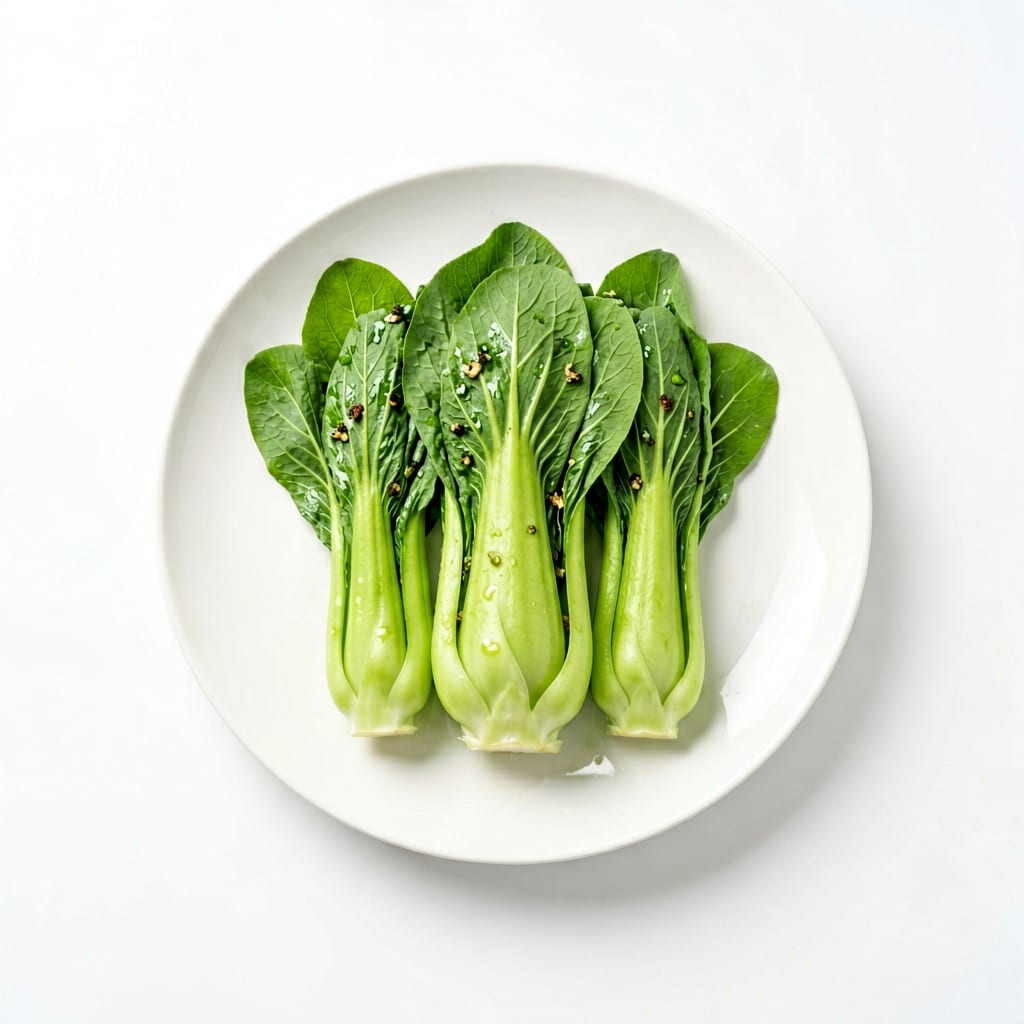
Choy Sum
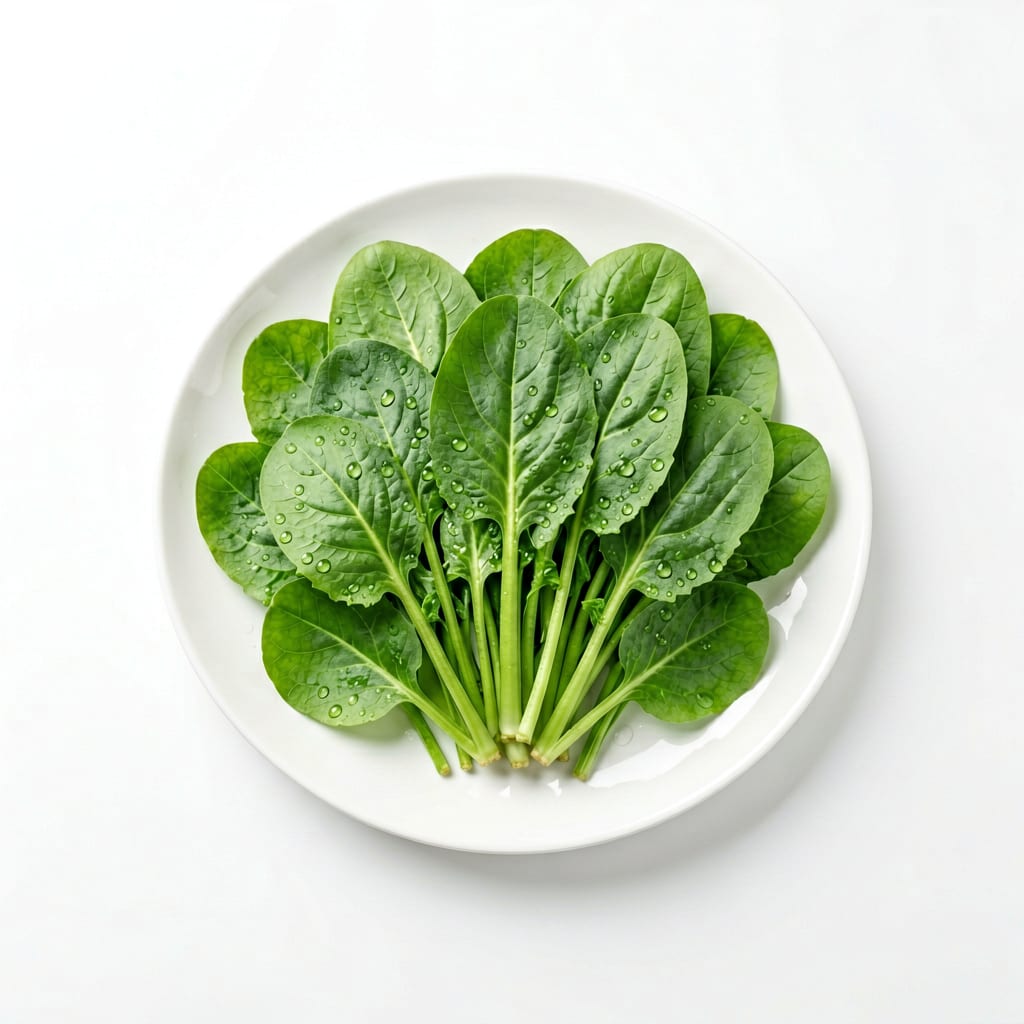
Watercress
Watercress is the nutrient powerhouse, but Choy Sum is the safer, more versatile everyday green.
Watercress scores higher for exceptional nutrient density and cancer-fighting compounds, but Choy Sum stays competitive thanks to better safety profile, culinary versatility, and calcium content. The close scores reflect that both are excellent choices with different strengths.
Maximum nutrition versus practical safety and cooking flexibility
At a glance
Executive summary
Overall
It depends
Healthier
Watercress
More practical
Choy Sum
Daily use
Choy Sum
Key comparison lenses
nutrient density comparison
Watercress ranks #1 on the CDC powerhouse vegetables list, making nutrient density the central question
cancer fighting potential
Watercress contains unique glucosinolates linked to cancer prevention, a key differentiator
culinary versatility and taste
Choy Sum offers milder flavor and more cooking flexibility, while Watercress is peppery and more niche
food safety and contamination
Watercress grows in water and carries higher parasite contamination risk, a real safety concern
mineral content for bone health
Both are calcium-rich greens but Choy Sum provides more bioavailable calcium per serving
Best choice for
Choy Sum
- People who cook stir-fries and soups regularly
- Anyone concerned about foodborne parasites
- Families wanting a mild green kids will eat
- Those seeking reliable calcium for bone health
Watercress
- Nutrition optimizers chasing maximum vitamin density
- People interested in cancer-fighting glucosinolates
- Salad lovers who enjoy peppery flavors
- Anyone wanting the highest antioxidant bang per calorie
Least suitable for
Choy Sum
- People seeking the absolute highest nutrient density per bite
- Raw salad enthusiasts wanting bold flavor
- Those specifically targeting glucosinolate intake
Watercress
- Immunocompromised individuals worried about waterborne parasites
- Picky eaters sensitive to bitter or peppery flavors
- Home cooks wanting a forgiving stir-fry green
Deep comparison
Dimension by dimension
Each lens scores both foods and breaks down who each option suits.
- Dimension 1 · Priority 95Watercress
nutrient_density
Choy Sum · 70Watercress · 97Watercress is arguably the most nutrient-dense vegetable on the planet, scoring a perfect 100/100 on the CDC powerhouse index.
Tradeoff
Choy Sum is nutritious but cannot match the sheer concentration of vitamins K, C, and A that Watercress delivers per calorie.
Why it matters
If you eat small portions or want maximum nutrition from every bite, Watercress is hard to beat.
Real-world impact
A small handful of Watercress delivers more vitamin K than most people need in a day. Choy Sum requires a larger serving to hit the same levels.
Choy Sum
- Getting steady calcium from a cooked green
- Eating larger portions without overwhelming flavor
Better for
- Situations requiring maximum nutrition in small volumes
Worse for
Watercress
- Maximizing vitamin intake from minimal calories
- Getting vitamin K for bone and blood health
Better for
- Anyone who struggles to find fresh Watercress regularly
Worse for
- Dimension 2 · Priority 88Watercress
cancer_fighting_compounds
Choy Sum · 55Watercress · 92Watercress is rich in glucosinolates like phenethyl isothiocyanate, which studies link to DNA damage protection and cancer cell suppression.
Tradeoff
Choy Sum has some beneficial compounds but lacks the concentrated glucosinolate profile that makes Watercress clinically notable.
Why it matters
For people with family history of cancer or those prioritizing long-term disease prevention, this is a meaningful difference.
Real-world impact
Regular Watercress consumption has been shown to reduce DNA damage in white blood cells within days. Choy Sum supports health broadly but without this specific evidence base.
Choy Sum
- General healthy eating without specific cancer concerns
Better for
- Anyone specifically seeking glucosinolate benefits
Worse for
Watercress
- Targeted cancer prevention eating patterns
- Reducing oxidative stress from pollution or smoking history
Better for
- People taking blood thinners who must limit vitamin K
Worse for
- Dimension 3 · Priority 82Choy Sum
culinary_versatility
Choy Sum · 88Watercress · 62Choy Sum is a forgiving cooking green that works in stir-fries, soups, steamed dishes, and even grilled. Watercress is best raw or lightly wilted.
Tradeoff
Watercress wilts quickly and turns bitter when overcooked. Choy Sum holds texture and absorbs flavors beautifully.
Why it matters
A green you actually enjoy cooking and eating matters more than one that sits in your fridge unused.
Real-world impact
Choy Sum can be tossed into a stir-fry at the last minute and taste great. Watercress needs more careful handling or it becomes a soggy, bitter mess.
Choy Sum
- Busy weeknight cooking with minimal thought
- Stir-fries, noodle soups, and hot pot
- Meal prep that involves reheating
Better for
- Raw salad applications where crunch and peppery kick are desired
Worse for
Watercress
- Elegant salads and sandwich layers
- Garnishing soups with fresh peppery bite
Better for
- Any cooking method beyond brief wilting
- Dishes where bitterness would clash with other flavors
Worse for
- Dimension 4 · Priority 78Choy Sum
food_safety
Choy Sum · 85Watercress · 58Watercress grows in flowing water and has a documented risk of carrying liver flukes and other waterborne parasites. Choy Sum is a standard field crop with typical produce risks.
Tradeoff
The aquatic growing environment that makes Watercress so nutrient-rich also creates a genuinely higher contamination risk.
Why it matters
For pregnant women, elderly individuals, or immunocompromised people, this is not a trivial concern.
Real-world impact
In parts of Southeast Asia, Watercress is a known vector for liver fluke infections. Sourcing from clean commercial farms reduces but does not eliminate this risk. Cooking Watercress thoroughly helps but diminishes its nutritional edge.
Choy Sum
- Anyone with a weakened immune system
- Pregnant women wanting to avoid unnecessary food risks
- Eating raw or lightly cooked greens frequently
Better for
- No significant safety downside beyond standard produce washing
Worse for
Watercress
- Situations where you can verify clean sourcing and cook thoroughly
Better for
- Raw consumption if source quality is unknown
- Regions where waterborne parasites are common
Worse for
- Dimension 5 · Priority 72Choy Sum
mineral_content_and_bone_health
Choy Sum · 84Watercress · 73Choy Sum provides more calcium per serving and is often cooked with bones in soups, amplifying mineral intake. Watercress has good calcium but less per typical portion.
Tradeoff
Watercress wins on vitamin K which also supports bone health, but Choy Sum delivers more direct calcium.
Why it matters
For people avoiding dairy, getting calcium from greens is crucial and Choy Sum is one of the better vegetable sources.
Real-world impact
A cup of cooked Choy Sum provides roughly 20% of daily calcium needs. Watercress contributes vitamin K for calcium absorption but less calcium itself.
Choy Sum
- Dairy-free individuals needing plant calcium
- Older adults focused on osteoporosis prevention
Better for
- Situations where vitamin K intake is already sufficient
Worse for
Watercress
- Vitamin K optimization to help calcium actually reach bones
Better for
- Those who need direct calcium from food sources
Worse for
- Dimension 6 · Priority 70It depends
taste_and_eating_enjoyment
Choy Sum · 78Watercress · 75Choy Sum is mild, slightly sweet, and universally approachable. Watercress is peppery, bold, and polarizing.
Tradeoff
Mildness means Choy Sum pairs with everything but excites no one. Watercress adds personality but limits pairing options.
Why it matters
The healthiest green is the one you actually eat consistently. Flavor preference is deeply personal.
Real-world impact
Kids and picky eaters generally accept Choy Sum without complaint. Watercress can be an acquired taste that some people never acquire.
Choy Sum
- Family meals with diverse taste preferences
- Flavor-neutral base for seasoned dishes
Better for
- Dishes where the green should contribute distinct flavor
Worse for
Watercress
- Food enthusiasts who enjoy bold, complex flavors
- Adding peppery kick to otherwise bland meals
Better for
- Sensitive palates and children who reject bitterness
Worse for
Timeline
Health impact over time
Short-term
Hours to days
Choy Sum
- Provides steady energy without digestive discomfort
- Mild flavor makes it easy to eat larger portions for fullness
- Contributes to hydration from high water content
Watercress
- High vitamin C aids iron absorption from other foods in the same meal
- Peppery compounds may slightly boost metabolism temporarily
- Can cause mild stomach upset in sensitive individuals when eaten raw in large amounts
Long-term
Months to years
Choy Sum
- Consistent calcium intake supports bone density over decades
- Regular consumption contributes to cardiovascular health through potassium and fiber
- Low oxalate compared to some greens means better mineral absorption long-term
Watercress
- Glucosinolate compounds may reduce cancer risk with regular consumption over years
- Exceptional vitamin K intake supports both bone strength and cardiovascular health
- Antioxidant load may slow visible skin aging and cellular damage
Risk profile
Safety & processing
Both Choy Sum and Watercress are whole, minimally processed vegetables typically sold fresh. Neither carries meaningful additive concerns unless purchased pre-washed in bags with preservative washes.
Choy Sum
Pesticide residue
mediumLeafy greens commonly retain pesticide residue. Washing thoroughly or choosing organic reduces this risk significantly.
Standard produce contamination
lowLike all raw produce, Choy Sum can carry bacteria from handling. Cooking eliminates this concern.
Watercress
Liver fluke parasites
highWatercress grown in contaminated water can carry Fasciola liver flukes. This is a documented risk in Southeast Asia and some farming regions. Cooking destroys parasites but raw consumption is risky if source is unknown.
Waterborne bacterial contamination
mediumAquatic growing conditions mean higher exposure to waterborne bacteria like E. coli and Salmonella compared to field-grown greens.
Pesticide residue in water sources
mediumAgricultural runoff into water sources can concentrate pesticides in Watercress more than in soil-grown vegetables.
Who wins for whom
Audience fit
Same foods, different winners depending on your goal.
children
Choy SumChoy Sum has a milder, sweeter taste that children accept more readily, plus lower food safety concerns for developing immune systems.
daily consumption
Choy SumChoy Sum is safer, more versatile, and easier to incorporate into daily cooking without special handling or sourcing concerns.
diabetes
WatercressWatercress has slightly lower carbohydrates and more fiber per calorie, with stronger anti-inflammatory compounds that support insulin sensitivity.
elderly
It dependsChoy Sum provides more calcium for bone health and is safer for compromised immune systems. Watercress provides more vitamin K but requires careful sourcing for elderly consumers.
muscle gain
It dependsNeither is a protein source. Choy Sum pairs better with protein in stir-fry meals, but Watercress adds more vitamin C to support iron absorption from meat.
weight loss
WatercressWatercress provides maximum nutrition per calorie, making it ideal for calorie-restricted diets where nutrient density matters most.
Your move
Decision guide
Choose Choy Sum
- You cook Asian-style meals regularly and want a reliable stir-fry green
- Food safety is a priority, especially for vulnerable family members
- You want a mild green that pairs with any cuisine or flavor profile
- You need consistent calcium from a non-dairy source
- Your kids or partner reject bitter or peppery vegetables
Choose Watercress
- You want the most nutrient-dense green possible per calorie
- Cancer prevention and antioxidant intake are top priorities
- You enjoy peppery, bold flavors in salads and sandwiches
- You can source from trusted clean farms and wash thoroughly
- You eat a lot of raw greens and want variety beyond standard lettuce
Either works if
- You simply want more leafy greens in your diet regardless of type
- You rotate vegetables weekly for diverse micronutrient intake
- Both are available fresh and affordable at your local market
Avoid both if
- You take blood thinners like warfarin and must strictly limit vitamin K intake
- You have a known cruciferous vegetable allergy
Final recommendation
Keep both in rotation. Use Watercress raw in salads and sandwiches for maximum nutrient impact, and cook Choy Sum for warm meals where safety and versatility matter more. If you must pick one for daily use, Choy Sum is the more practical and safer choice. If you are optimizing purely for nutrition and can source clean Watercress, it is the superior health food.
Practical
Consumer tips
- 1
Buy Watercress from reputable farms with tested water sources, especially if eating raw
- 2
Cook Watercress thoroughly if you have any immune concerns, even though some vitamin C is lost
- 3
Wash Choy Sum by soaking in cold water for five minutes to remove grit and pesticide residue
- 4
Add Choy Sum stems first when stir-frying, then leaves, for even cooking
- 5
Store both greens in damp paper towels inside sealed bags in the crisper drawer
- 6
Use Watercress within two days of purchase as it wilts faster than almost any other green
- 7
Choy Sum freezes reasonably well after blanching if you buy in bulk
- 8
If Watercress tastes unusually bitter or smells off, discard it immediately as this may indicate poor water quality