
Nutrition comparison
Choy Sum vs Napa Cabbage: Nutrition, Taste, and Best Uses
Compare Choy Sum and Napa Cabbage to find out which leafy green is better for your recipe, nutrition goals, and digestive health.
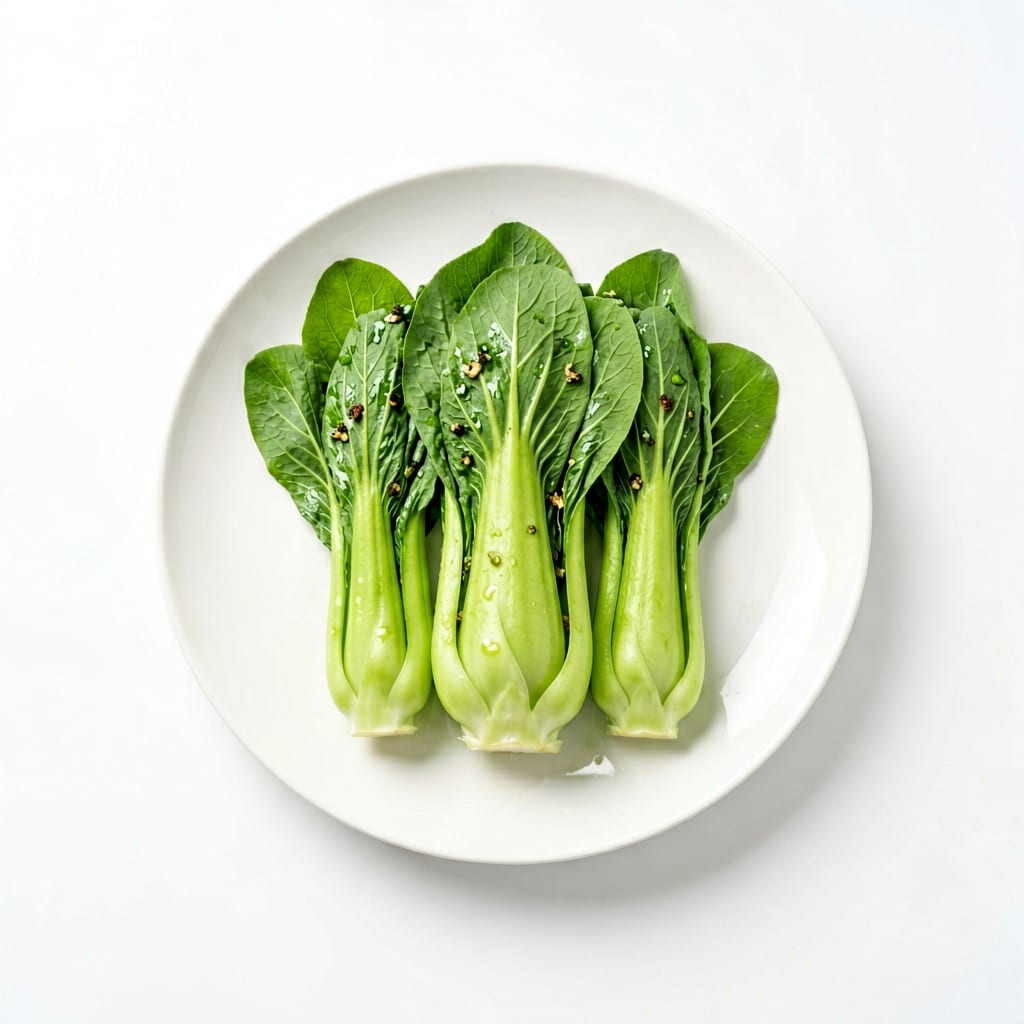
Choy Sum
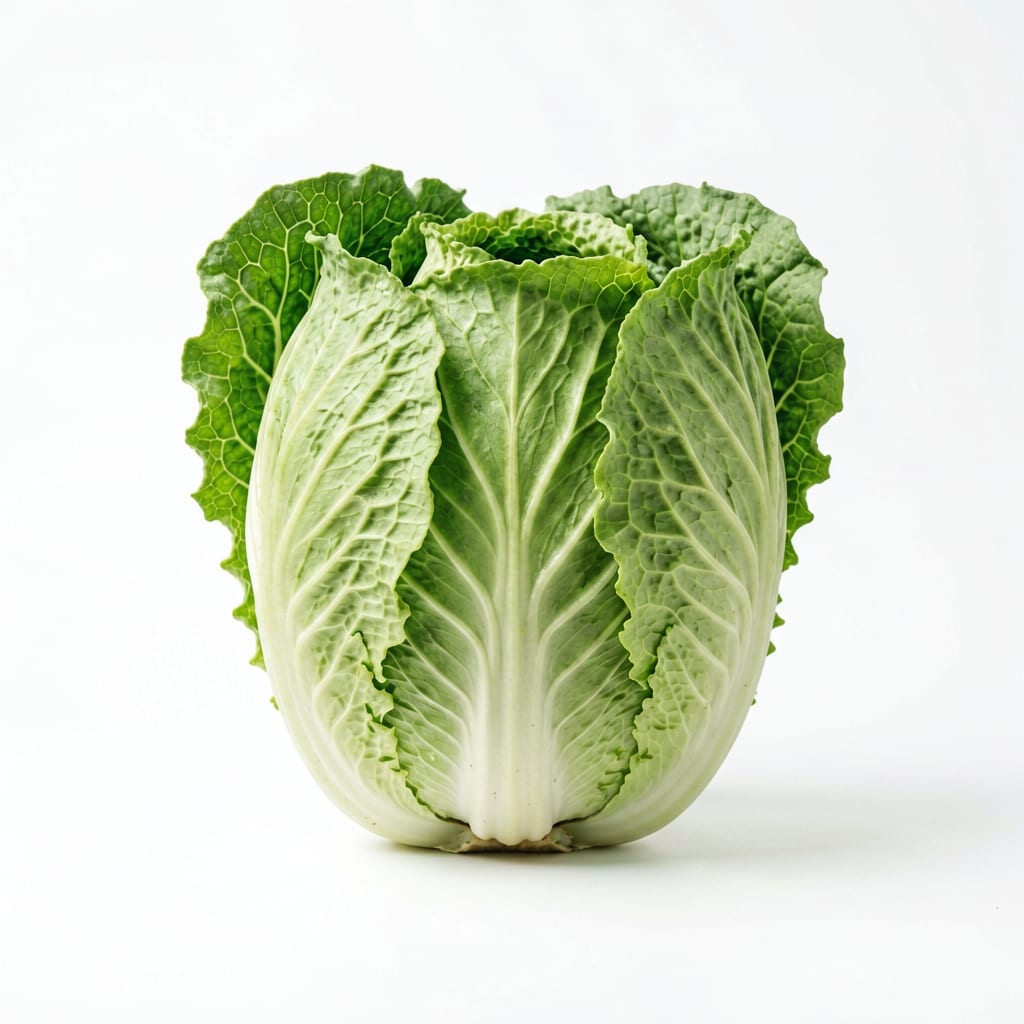
Napa Cabbage
Choy Sum packs more vitamins and minerals per bite, while Napa Cabbage offers superior hydration, digestive gentleness, and culinary flexibility.
Choy Sum edges ahead nutritionally, but Napa Cabbage's extreme versatility and hydration keep it nearly tied for everyday practicality.
Dense nutrition and robust flavor versus mild versatility and high water content.
At a glance
Executive summary
Overall
It depends
Healthier
Choy Sum
More practical
Napa Cabbage
Daily use
It depends
Key comparison lenses
Nutrient density and mineral comparison
Choy Sum is significantly richer in iron, calcium, and folate, making mineral content a key differentiator.
Culinary versatility and cooking methods
Napa Cabbage can be eaten raw, fermented, or cooked, while Choy Sum is best suited for quick cooking methods like stir-frying.
Digestive gentleness and hydration
Napa Cabbage is extremely hydrating and gentle on the gut, whereas Choy Sum provides more fibrous bulk.
Best choice for
Choy Sum
- Boosting iron and calcium intake
- Quick stir-fries and Asian-inspired dishes
- Adding robust leafy green flavor
Napa Cabbage
- Gentle digestion and hydration
- Fermenting at home like kimchi
- Raw salads and slaws
Least suitable for
Choy Sum
- Raw salads due to tough stems
- People avoiding slightly bitter greens
Napa Cabbage
- Those needing dense caloric or iron intake
- Dishes requiring a strong green flavor
Deep comparison
Dimension by dimension
Each lens scores both foods and breaks down who each option suits.
- Dimension 1 · Priority 90Choy Sum
Nutrient Density
Choy Sum · 88Napa Cabbage · 68Choy Sum delivers significantly more iron, calcium, and folate per serving compared to Napa Cabbage.
Tradeoff
You get more minerals with Choy Sum, but you have to consume a larger volume of Napa Cabbage to get similar totals.
Why it matters
If you rely on greens for blood-building iron or bone-supporting calcium, Choy Sum is far more efficient.
Real-world impact
Eating Choy Sum a few times a week makes a noticeable dent in your daily mineral needs, whereas Napa Cabbage is mostly providing water and bulk.
Choy Sum
- Preventing iron deficiency
- Supporting pregnancy with folate
Better for
- Those who need very low potassium diets
Worse for
Napa Cabbage
- Keeping calories extremely low while filling up
Better for
- Recovering from anemia or needing dense minerals
Worse for
- Dimension 2 · Priority 80Napa Cabbage
Digestive Comfort & Hydration
Choy Sum · 70Napa Cabbage · 90Napa Cabbage is incredibly hydrating and soft, making it one of the easiest vegetables to digest.
Tradeoff
Choy Sum offers more fibrous stems which are great for fullness but can be tougher on sensitive stomachs.
Why it matters
When your stomach is upset or you need gentle nourishment, Napa Cabbage is soothing in ways that fibrous greens are not.
Real-world impact
Napa Cabbage in a simple broth feels comforting and easy, while a large portion of Choy Sum might feel heavy or cause slight bloating if you aren't used to the fiber.
Choy Sum
- Adding satisfying fiber to keep you full longer
Better for
- People with severe IBS who struggle with fibrous stems
Worse for
Napa Cabbage
- Soothing an upset stomach
- Staying hydrated in hot weather
Better for
- Those needing a filling, substantial vegetable base
Worse for
- Dimension 3 · Priority 85Napa Cabbage
Culinary Versatility
Choy Sum · 60Napa Cabbage · 92Napa Cabbage can be eaten raw, fermented, or cooked, while Choy Sum is limited to quick-cooking methods.
Tradeoff
Choy Sum brings a distinct, slightly bitter mustard flavor that stands out, but Napa Cabbage adapts to almost any flavor profile.
Why it matters
If you want a vegetable that can meal-prep across salads, soups, and ferments, Napa Cabbage is far more practical.
Real-world impact
You can use Napa Cabbage for a raw lunch slaw, kimchi for the week, and a hot pot dinner. Choy Sum is really only ideal for that dinner stir-fry.
Choy Sum
- Authentic Asian stir-fries
- Simple garlic-sautéed side dishes
Better for
- Dishes requiring a mild, sweet vegetable base
Worse for
Napa Cabbage
- Raw salads and slaws
- Fermented foods like kimchi
- Long-simmering soups and hot pots
Better for
- Recipes needing a strong, bitter green flavor profile
Worse for
Timeline
Health impact over time
Short-term
Hours to days
Choy Sum
- Quick boost of vitamin C and iron
- Satisfying crunch when stir-fried
Napa Cabbage
- Immediate hydration from high water content
- Very gentle on the stomach if feeling unwell
Long-term
Months to years
Choy Sum
- Supports bone health with high calcium and vitamin K
- Helps maintain healthy blood iron levels
Napa Cabbage
- Promotes regular digestion with soft fiber
- Supports gut health especially when fermented
Risk profile
Safety & processing
Both Choy Sum and Napa Cabbage are whole, natural vegetables with no artificial additives when purchased fresh.
Choy Sum
Pesticide residue
mediumLeafy greens often retain pesticides in their folds; wash Choy Sum thoroughly under running water.
Napa Cabbage
Pesticide residue and trapped dirt
mediumThe tight leaves of Napa Cabbage can trap dirt and pesticides; remove outer layers and wash inner leaves well.
Who wins for whom
Audience fit
Same foods, different winners depending on your goal.
children
Napa CabbageNapa Cabbage is milder, sweeter, and has a softer texture that kids are more likely to accept.
daily consumption
It dependsRotate both: Choy Sum for mineral density, Napa Cabbage for hydration and gut-soothing fiber.
diabetes
It dependsBoth are non-starchy, low-carb vegetables that have minimal impact on blood sugar and are excellent choices.
elderly
Napa CabbageThe soft, hydrated texture of cooked Napa Cabbage is much easier to chew and digest for aging digestive systems.
muscle gain
Choy SumChoy Sum offers more iron to support oxygen transport to muscles during intense training.
weight loss
Napa CabbageNapa Cabbage provides massive volume and crunch for very few calories, making it easier to create large, satisfying meals.
Your move
Decision guide
Choose Choy Sum
- You need more iron, calcium, and folate in your diet
- You love robust, slightly bitter green flavors
- You are making a quick garlic stir-fry
Choose Napa Cabbage
- You want a mild, sweet crunch for raw salads
- You need a gentle food for an upset stomach
- You want to make kimchi or slow-cooked soups
Either works if
- You just need a low-calorie vegetable side dish
- You are making a vegetable-heavy stew
Avoid both if
- You are looking for a protein-rich main dish
Final recommendation
Keep both in your rotation. Use Choy Sum when you need a nutrient-dense side dish with bold flavor, and rely on Napa Cabbage when you need bulk, hydration, or culinary versatility.
Practical
Consumer tips
- 1
Wash both vegetables thoroughly to remove hidden dirt and pesticide residue from the inner leaves.
- 2
Blanch Choy Sum before stir-frying to ensure the thick stems soften without overcooking the tender leaves.
- 3
Salt Napa Cabbage and let it sit to draw out excess water before making kimchi or slaws, which keeps your final dish from getting watery.