
Nutrition comparison
Choy Sum vs Celery: Which Vegetable Is Actually Better for You?
Choy Sum delivers dramatically more nutrition per calorie than Celery, but Celery wins on raw convenience. Compare nutrient density, pesticide risk, satiety, and real-world practicality to find which fits your diet better.
Overall winner · Choy Sum
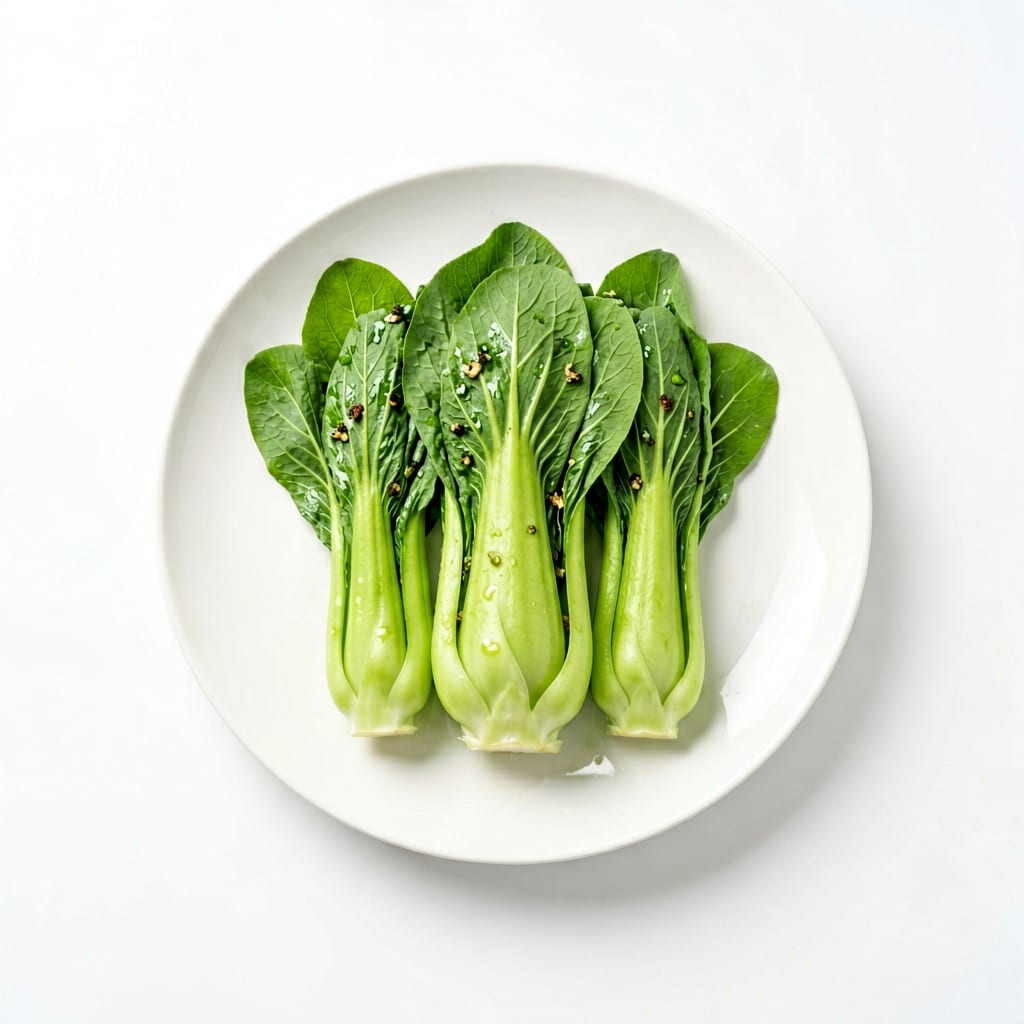
Choy Sum
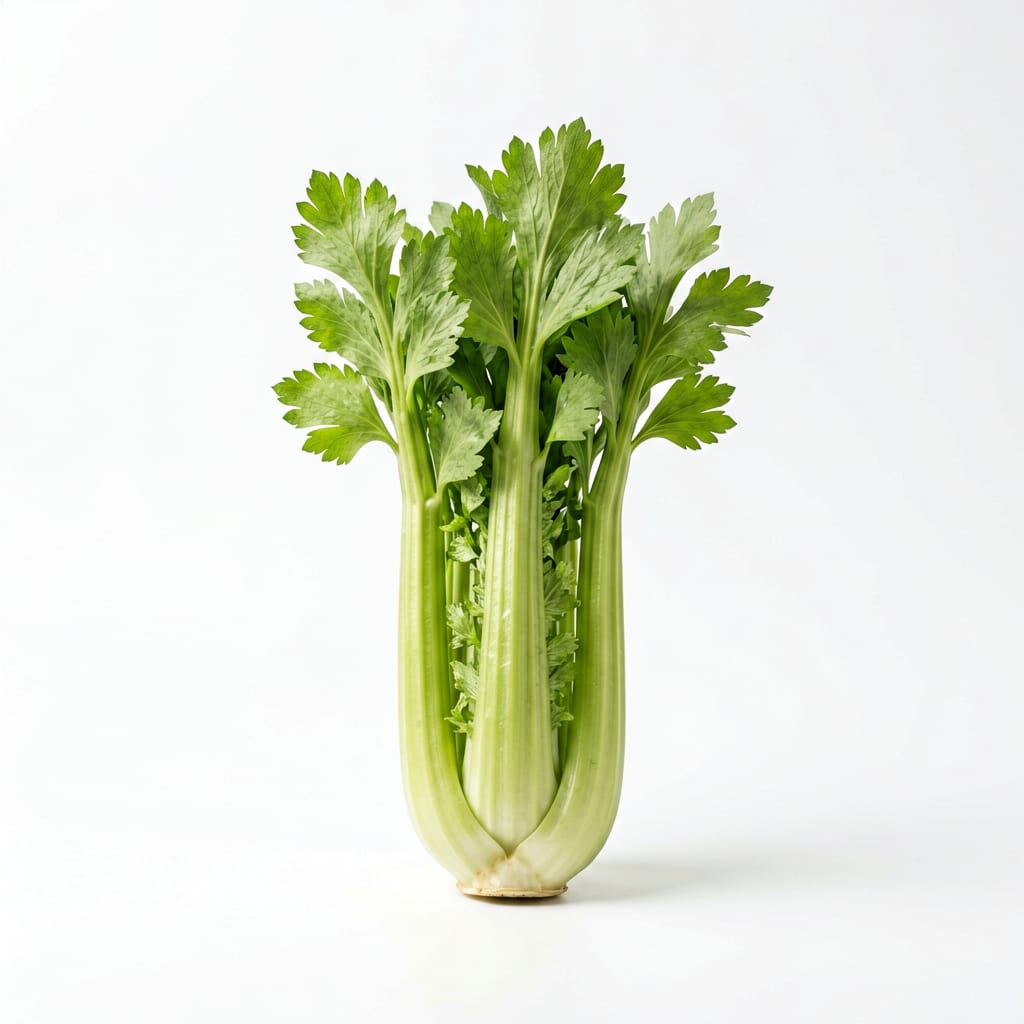
Celery
Choy Sum delivers far more nutrition per calorie than Celery, making it the stronger choice for health-focused eaters, though Celery wins on raw convenience and snacking practicality.
Choy Sum scores notably higher due to its superior nutrient density, mineral content, and satiety value. Celery remains useful but is nutritionally shallow compared to most leafy greens, functioning better as a low-calorie filler than a meaningful nutrient source.
Choy Sum offers dramatically more vitamins, minerals, and antioxidants but requires cooking, while Celery is ready-to-eat raw but nutritionally thin.
At a glance
Executive summary
Overall
Choy Sum
Healthier
Choy Sum
More practical
Celery
Daily use
Choy Sum
Key comparison lenses
nutrient density per calorie
Both are very low-calorie vegetables, so the real question is which delivers more nutrition per bite
weight loss snacking
Users comparing these are likely looking for low-calorie fillers or snack options
cooking versatility
Choy Sum is primarily a cooked vegetable while Celery is often raw, creating different use cases
pesticide and contamination concerns
Celery consistently appears on the Dirty Dozen list; Choy Sum has its own contamination profile
mineral intake bone health
Choy Sum is notably rich in calcium and iron, while Celery is relatively mineral-poor
Best choice for
Choy Sum
- People wanting maximum nutrition from vegetables
- Anyone needing more calcium without dairy
- Those cooking Asian-style meals regularly
- People with iron deficiency concerns
- Anyone seeking more filling vegetable sides
Celery
- Raw snackers who want crunch without calories
- People who need portable, no-prep vegetables
- Those managing blood pressure through potassium intake
- Anyone wanting a low-effort diet filler
- People who dislike cooking
Least suitable for
Choy Sum
- People with no access to Asian grocery stores
- Anyone needing a grab-and-go raw snack
- Those who only want familiar Western vegetables
- People with brassica sensitivity or thyroid concerns
Celery
- Anyone looking for meaningful nutrient intake from vegetables
- People needing iron or calcium from food sources
- Those wanting a satisfying cooked side dish
- People avoiding high-pesticide conventional produce
Deep comparison
Dimension by dimension
Each lens scores both foods and breaks down who each option suits.
- Dimension 1 · Priority 95Choy Sum
Nutrient Density
Choy Sum · 88Celery · 35Choy Sum is dramatically more nutrient-dense, offering far more vitamins A, C, K, folate, calcium, and iron per serving than Celery.
Tradeoff
You get significantly more health value per calorie from Choy Sum, but Celery requires zero preparation to eat.
Why it matters
If you are eating vegetables primarily for health benefits, Choy Sum delivers multiples of what Celery offers in most micronutrients.
Real-world impact
A serving of Choy Sum with dinner actually moves the needle on your daily vitamin and mineral intake. A serving of Celery barely registers nutritionally.
Choy Sum
- Meeting daily vitamin needs efficiently
- Boosting iron intake naturally
- Getting calcium without dairy
- Supporting immune function with vitamin C
Better for
- Cannot be eaten raw easily
Worse for
Celery
- Hydration from high water content
- Very low calorie volume eating
Better for
- Poor source of most vitamins and minerals
- Does not meaningfully contribute to daily nutrient goals
Worse for
- Dimension 2 · Priority 85Choy Sum
Satiety and Fullness
Choy Sum · 72Celery · 48Choy Sum is more filling due to its higher fiber and protein content, while Celery's high water content provides temporary volume but little lasting satisfaction.
Tradeoff
Celery fills your stomach quickly with water weight but leaves you hungry again fast. Choy Sum provides more sustained fullness.
Why it matters
For weight management, vegetables that keep you full longer help prevent overeating later.
Real-world impact
Eating Choy Sum with a meal keeps you satisfied for hours. Snacking on Celery alone often leads to hunger returning within 30 minutes.
Choy Sum
- Staying full between meals
- Reducing overall calorie intake through genuine satiety
- Adding substance to light meals
Better for
- Takes time to prepare and cook
Worse for
Celery
- Quick stomach stretching sensation
- Very low calorie volume when you just want to chew something
Better for
- Hunger returns quickly after eating
- Easy to overeat other foods after because satiety is short-lived
Worse for
- Dimension 3 · Priority 82Celery
Convenience and Practicality
Choy Sum · 40Celery · 85Celery is ready to eat raw, stores well, and requires no cooking. Choy Sum needs washing, trimming, and cooking before consumption.
Tradeoff
Celery wins on grab-and-go convenience, while Choy Sum requires active preparation but delivers more reward for the effort.
Why it matters
The vegetable you actually eat always beats the one that sits in your fridge. Convenience drives real-world dietary choices.
Real-world impact
You can snack on Celery at your desk, in the car, or while cooking. Choy Sum requires at least 5-10 minutes of cooking and a stove.
Choy Sum
- Adding to stir-fries and soups easily
- Batch cooking for meal prep
Better for
- Cannot be eaten on the go
- Requires cooking equipment and time
- Shorter fridge shelf life
Worse for
Celery
- Zero-prep raw snacking
- Portable lunch additions
- Quick crudité for dips
- No cooking equipment needed
Better for
- Limited to raw or cooked-in-soup applications
- Bland flavor needs pairing with other foods
Worse for
- Dimension 4 · Priority 80Choy Sum
Antioxidant and Anti-inflammatory Value
Choy Sum · 82Celery · 42Choy Sum contains glucosinolates and carotenoids with documented anti-cancer and anti-inflammatory properties. Celery offers some flavonoids but at much lower concentrations.
Tradeoff
Choy Sum provides brassica-family compounds linked to cancer prevention. Celery's antioxidants are modest by comparison.
Why it matters
Long-term disease prevention comes from consistently eating foods with high antioxidant and anti-inflammatory compounds.
Real-world impact
Regularly eating Choy Sum contributes to your body's cellular defense systems in a meaningful way. Celery's contribution is minor.
Choy Sum
- Glucosinolate intake for cancer risk reduction
- Carotenoids for eye and skin health
- Vitamin K for cardiovascular protection
Better for
- Glucosinolates may affect thyroid in large amounts if iodine is low
Worse for
Celery
- Apigenin flavonoid content
- Modest polyphenol contribution
Better for
- Low total antioxidant capacity compared to most green vegetables
- Minimal anti-inflammatory impact
Worse for
- Dimension 5 · Priority 75Choy Sum
Pesticide and Contamination Risk
Choy Sum · 60Celery · 38Conventional Celery consistently ranks on the Environmental Working Group's Dirty Dozen list for pesticide residues. Choy Sum has moderate risk depending on sourcing.
Tradeoff
Celery's convenience comes with higher pesticide exposure risk unless you buy organic. Choy Sum from Asian markets may have variable quality standards.
Why it matters
Chronic low-level pesticide exposure affects hormonal and neurological health over time.
Real-world impact
If you eat Celery frequently, choosing organic matters more than with most vegetables. Choy Sum sourced from reputable suppliers carries less documented risk.
Choy Sum
- Lower documented pesticide residue levels
- Not on any major high-risk produce lists
Better for
- Import sourcing may have variable safety standards
- Harder to find certified organic in some areas
Worse for
Celery
- Widely available in organic options
- Easy to wash thoroughly due to smooth surface
Better for
- Consistently high pesticide residue testing
- Ranked on Dirty Dozen list repeatedly
- Porous ribs can trap spray residues
Worse for
- Dimension 6 · Priority 68It depends
Digestive Tolerance
Choy Sum · 65Celery · 65Both are generally well-tolerated, but Choy Sum's brassica-family fibers can cause gas in sensitive people, while Celery's stringy texture can bother those with digestive issues.
Tradeoff
Choy Sum may cause bloating in brassica-sensitive people. Celery's tough fibers can be hard to break down for those with compromised digestion.
Why it matters
The healthiest vegetable only works if your body can comfortably process it.
Real-world impact
If you get gassy from broccoli or cabbage, Choy Sum may cause similar issues. If you have IBS or slow digestion, Celery's strings might irritate your gut.
Choy Sum
- Soft texture when cooked is easier on the digestive tract
- Fiber becomes more gentle after cooking
Better for
- Brassica family can cause gas and bloating
- May aggravate IBS in sensitive individuals
Worse for
Celery
- High water content supports hydration and motility
- Mild flavor is non-irritating for most stomachs
Better for
- Stringy fibers difficult for compromised digestion
- Can cause stomach discomfort if not chewed thoroughly
Worse for
Timeline
Health impact over time
Short-term
Hours to days
Choy Sum
- Provides noticeable satiety when eaten with meals
- Supports hydration through high water content
- Can cause mild bloating if you are unused to brassica vegetables
- Contributes to daily vitamin C needs quickly
Celery
- Provides quick stomach fullness from water volume
- Very low calorie intake supports immediate calorie deficit goals
- Can cause hunger rebound within 30-60 minutes if eaten alone
- Minimal immediate nutritional impact
Long-term
Months to years
Choy Sum
- Consistent intake supports bone density through calcium and vitamin K
- Glucosinolates may reduce cancer risk with regular consumption
- Iron and folate support healthy blood over time
- Contributes meaningfully to meeting daily vegetable nutrition targets
Celery
- Helps maintain low calorie intake patterns for weight management
- Potassium supports blood pressure regulation over time
- Minimal contribution to long-term nutrient status
- High pesticide exposure risk if conventionally grown and eaten frequently
Risk profile
Safety & processing
Both Choy Sum and Celery are whole, unprocessed vegetables typically sold fresh. Neither carries meaningful additive concerns in their natural state. The main difference is that Celery sometimes appears pre-cut in packages with mild preservatives, while Choy Sum is almost always sold as whole bunches.
Choy Sum
Import contamination
mediumChoy Sum is often imported from Asian countries with variable agricultural safety standards. Washing thoroughly and sourcing from reputable suppliers reduces this risk.
Brassica thyroid interference
lowGlucosinolates can interfere with thyroid function in very large amounts, particularly if iodine intake is low. This is rarely a practical concern at normal consumption levels.
Celery
Pesticide residues
highCelery consistently tests high for multiple pesticide residues and appears regularly on the EWG Dirty Dozen list. Organic options significantly reduce this risk.
Bacterial contamination in pre-cut packages
mediumPre-cut Celery sticks have been linked to listeria outbreaks. Whole stalks are safer when washed properly.
Allergic cross-reactivity
lowCelery allergy is one of the more common vegetable allergies, particularly in Europe, and can cause reactions in birch pollen-allergic individuals.
Who wins for whom
Audience fit
Same foods, different winners depending on your goal.
children
CeleryCelery sticks with peanut butter or hummus are a kid-friendly snack that children actually enjoy eating. Choy Sum's slightly bitter flavor and need for cooking make it less appealing to most children.
daily consumption
Choy SumChoy Sum provides substantially more daily nutritional value and can be rotated into various cooked meals. Celery is safe daily but contributes minimally to nutritional goals.
diabetes
Choy SumChoy Sum has more fiber and nutrients per serving with minimal impact on blood sugar. Its higher nutrient density supports metabolic health more effectively than Celery's mostly-water composition.
elderly
Choy SumChoy Sum's high calcium and vitamin K content supports bone health, and its soft cooked texture is easier to chew for those with dental concerns. Celery's stringy texture can be challenging for aging teeth and jaws.
muscle gain
Choy SumChoy Sum provides more iron, calcium, and vitamin K which support muscle function and recovery. Neither is a protein source, but Choy Sum offers better micronutrient support for training.
weight loss
It dependsCelery is lower calorie per volume for raw snacking, but Choy Sum provides more satiety per calorie, making it better for preventing overeating at meals. Choose based on whether you need a snack filler or a satisfying side dish.
Your move
Decision guide
Choose Choy Sum
- You want maximum nutrition from your vegetable intake
- You cook regularly and enjoy Asian-inspired dishes
- You need more calcium, iron, or folate in your diet
- You find raw vegetables unsatisfying and prefer cooked sides
- You are concerned about pesticide residues and want a safer option
Choose Celery
- You need a zero-prep raw snack for work or school
- You want very low calorie crunch for dipping
- You rarely cook and need vegetables that require no preparation
- You are adding bulk to soups or stews where nutrition comes from other ingredients
- You want a vehicle for healthy dips like hummus or nut butter
Either works if
- You simply need more vegetables in your diet regardless of type
- You are building a varied vegetable rotation throughout the week
- Both fit different meals in your weekly plan
Avoid both if
- You need a substantial protein or calorie source
- You are looking for a single vegetable to meet all nutritional needs
- You have severe digestive issues that make any fibrous vegetable difficult
Final recommendation
Keep both in your rotation but prioritize Choy Sum when nutrition matters most. Use Celery as a convenient snack tool, not as a nutritional cornerstone. If you only have room for one, Choy Sum gives you far more health value per serving. If you eat Celery frequently, spend the extra money on organic to avoid pesticide exposure.
Practical
Consumer tips
- 1
If buying Celery, choose organic whenever possible due to high pesticide residues on conventional bunches
- 2
Wash Choy Sum thoroughly, especially between stems where soil and grit collect
- 3
Store Choy Sum in a plastic bag in the crisper and use within 3-4 days for best quality
- 4
Celery wrapped in aluminum foil stays crisp longer in the fridge than in plastic bags
- 5
If new to Choy Sum, try a simple garlic stir-fry with oyster sauce as an easy entry recipe
- 6
Blanch Choy Sum briefly before stir-frying to reduce bitterness and improve texture
- 7
Pair Celery with protein-rich dips like hummus or nut butter to make it a more satisfying snack
- 8
If you have thyroid concerns, cook Choy Sum thoroughly and ensure adequate iodine intake