
Nutrition comparison
Choy Sum vs Spinach: Which Leafy Green is Healthier?
Compare Choy Sum vs Spinach. Discover which green offers better calcium absorption, lower oxalates, and the best nutritional benefits for your diet.
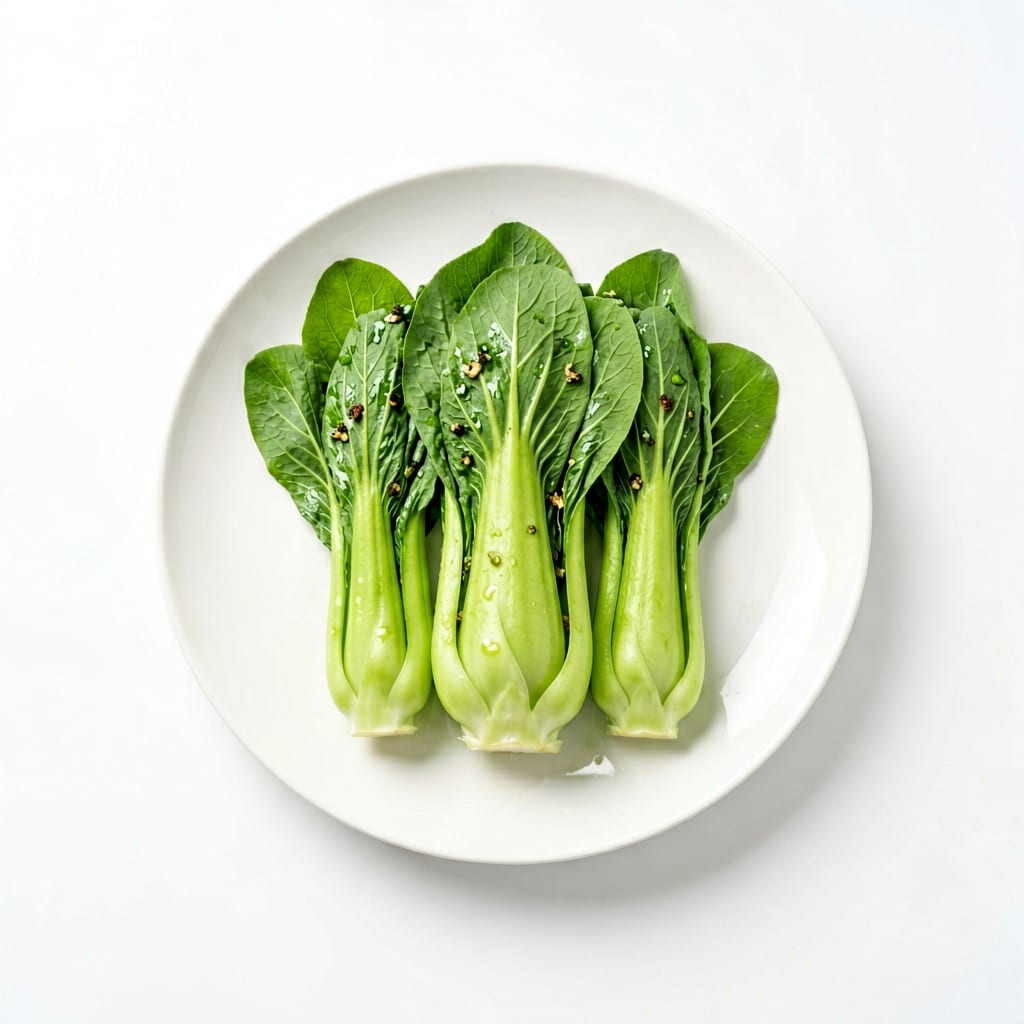
Choy Sum
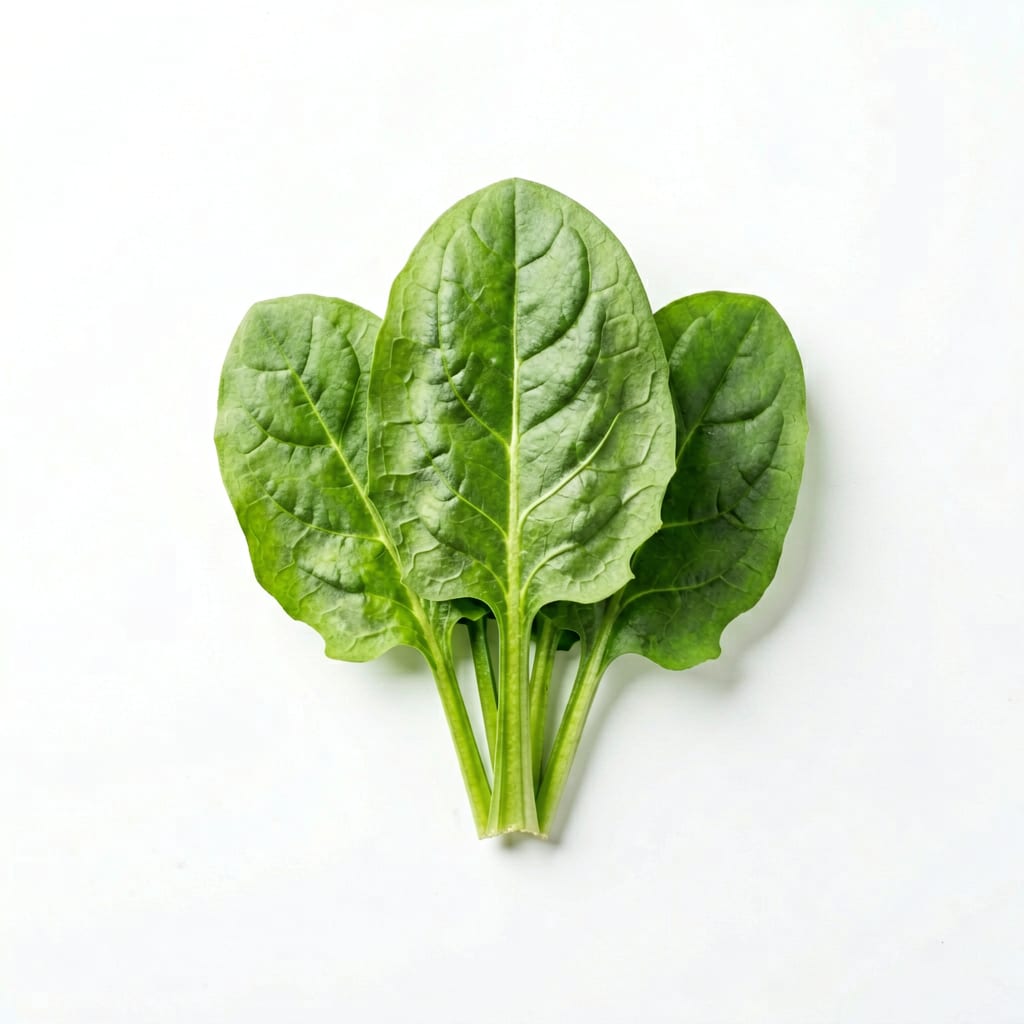
Spinach
Spinach packs more raw vitamins, but Choy Sum delivers far more usable calcium and is safer for your kidneys due to its low oxalate content.
Choy Sum edges out Spinach due to superior calcium bioavailability and lower kidney stone risk, though Spinach offers higher folate and iron volume.
Total vitamin density versus actual mineral absorption and kidney safety.
At a glance
Executive summary
Overall
It depends
Healthier
Choy Sum
More practical
Spinach
Daily use
Choy Sum
Key comparison lenses
Nutrient Bioavailability and Oxalate Impact
Spinach is notoriously high in oxalates which block calcium and iron absorption, while Choy Sum offers highly bioavailable calcium.
Kidney Stone Risk
High oxalate consumption from Spinach is a major contributor to kidney stones, making Choy Sum a safer alternative for daily use.
Vitamin Density
Spinach contains higher overall amounts of folate and vitamin K, which are crucial for blood and cellular health.
Culinary Versatility
Spinach is a staple in salads and smoothies, whereas Choy Sum is primarily a cooked vegetable with a unique crunchy texture.
Best choice for
Choy Sum
- Preventing kidney stones
- Boosting calcium absorption for bone health
- Stir-fries and Asian-inspired meals
Spinach
- Boosting folate intake for pregnancy
- Adding bulk to smoothies and salads
- Quick-cooking meal prep
Least suitable for
Choy Sum
- Raw salad applications
- Those strictly avoiding cruciferous vegetables for thyroid issues
Spinach
- People prone to kidney stones
- Those relying on it as a primary calcium source
Deep comparison
Dimension by dimension
Each lens scores both foods and breaks down who each option suits.
- Dimension 1 · Priority 95Choy Sum
Nutrient Absorption & Bioavailability
Choy Sum · 90Spinach · 45Choy Sum gives you far more usable calcium and iron because it lacks the oxalates that block absorption in Spinach.
Tradeoff
Spinach has higher total iron and calcium on paper, but your body can barely use them.
Why it matters
Eating a nutrient is not the same as absorbing it; high oxalates make Spinach's calcium virtually useless for your bones.
Real-world impact
Relying on Spinach for bone health will not work well; Choy Sum actually delivers the calcium your body needs.
Choy Sum
- Calcium absorption
- Iron uptake
- Kidney health
Better for
- Raw salad applications
Worse for
Spinach
- Total folate intake
- Raw nutrient volume
Better for
- Kidney stone risk
- Calcium bioavailability
Worse for
- Dimension 2 · Priority 85Spinach
Vitamin Density & Micronutrients
Choy Sum · 75Spinach · 92Spinach is a folate and vitamin K powerhouse, offering higher overall vitamin levels than Choy Sum.
Tradeoff
You get more total vitamins with Spinach, but the oxalate binders mean you absorb less of the minerals.
Why it matters
Folate is critical for cell repair and pregnancy, making Spinach a top-tier source for these specific needs.
Real-world impact
Adding Spinach to your diet significantly boosts your folate intake, which is great for energy and prenatal health.
Choy Sum
- Vitamin C content
Better for
- Lower folate content
Worse for
Spinach
- Folate levels
- Vitamin K volume
- Overall vitamin richness
Better for
- Mineral absorption blockers
Worse for
- Dimension 3 · Priority 80Choy Sum
Kidney & Digestive Safety
Choy Sum · 95Spinach · 55Choy Sum is much safer for your kidneys since it is low in oxalates, unlike Spinach which is a major oxalate contributor.
Tradeoff
Spinach's health halo hides a real risk for kidney stone sufferers, while Choy Sum is a worry-free everyday green.
Why it matters
Oxalates can crystalize in the kidneys, causing painful stones over time if consumed in high amounts.
Real-world impact
If you have ever had a kidney stone, eating Spinach daily is risky; Choy Sum is a safer alternative.
Choy Sum
- Kidney stone prevention
- Gut comfort
- Low oxalate diet compliance
Better for
- Mild FODMAP issues for some if eaten raw
Worse for
Spinach
- Bowel regularity from high fiber when cooked down
Better for
- High oxalate load
- Kidney stone trigger
Worse for
- Dimension 4 · Priority 70Spinach
Culinary Versatility & Convenience
Choy Sum · 65Spinach · 90Spinach is easier to find and works in everything from smoothies to salads, while Choy Sum shines mainly in cooked dishes.
Tradeoff
Choy Sum's crunchy stems require cooking, whereas baby Spinach can be eaten straight from the bag.
Why it matters
Convenience often dictates what you actually eat; Spinach is undeniably more adaptable in Western kitchens.
Real-world impact
Throwing a handful of Spinach into a smoothie is effortless; Choy Sum requires chopping and stir-frying.
Choy Sum
- Stir-fry texture
- Hearty crunch
Better for
- Not great raw
- Harder to find in regular grocery stores
Worse for
Spinach
- Smoothie blending
- Salad bases
- Quick wilting into eggs
Better for
- Disappears to almost nothing when cooked
Worse for
Timeline
Health impact over time
Short-term
Hours to days
Choy Sum
- Provides a satisfying crunch when cooked
- Gentle on the digestive tract
Spinach
- Fills you up quickly due to physical volume
- Can leave a gritty or chalky feeling on teeth from oxalates
Long-term
Months to years
Choy Sum
- Supports strong bones with highly absorbable calcium
- Keeps kidneys clear of oxalate stones
Spinach
- Excellent for heart and blood health via high folate
- May contribute to kidney stones in susceptible individuals
Risk profile
Safety & processing
Both Choy Sum and Spinach are whole, minimally processed vegetables that you typically buy fresh or frozen without additives.
Choy Sum
Pesticide residue
mediumLeafy greens often carry pesticides; washing thoroughly is essential.
Goitrogens
lowRaw cruciferous vegetables like Choy Sum can interfere with thyroid function, but cooking completely neutralizes this risk.
Spinach
Oxalate accumulation / Kidney stones
highSpinach is extremely high in oxalates, which bind to calcium and can form painful kidney stones over time.
Pesticide residue
highSpinach consistently ranks on the EWG's Dirty Dozen list for high pesticide residue; buying organic is recommended.
Who wins for whom
Audience fit
Same foods, different winners depending on your goal.
children
Choy SumChoy Sum provides bioavailable calcium for growing bones without the kidney stone risk associated with high oxalate intake.
daily consumption
Choy SumDaily Spinach consumption can lead to oxalate buildup, whereas Choy Sum is safer to eat every single day.
diabetes
It dependsBoth have minimal impact on blood sugar and offer fiber that helps stabilize glucose levels.
elderly
Choy SumOlder adults need absorbable calcium for bone density and are more susceptible to kidney stones, making Choy Sum the safer choice.
muscle gain
SpinachSpinach provides slightly more iron, which is crucial for oxygen transport during exercise, even though absorption is low.
weight loss
It dependsBoth are incredibly low in calories and high in volume when cooked, making them equally great for weight loss.
Your move
Decision guide
Choose Choy Sum
- You have a history of kidney stones or want to prevent them
- You want a vegetable where the calcium actually absorbs into your bones
- You are making a stir-fry or Asian-inspired soup
Choose Spinach
- You are pregnant or trying to conceive and need extra folate
- You want a leafy green that blends seamlessly into smoothies or salads
- You have no oxalate sensitivity and want maximum vitamin density
Either works if
- You just need to eat more green vegetables in general
- You are cooking a dish where the greens will be wilted down anyway
Avoid both if
- You are taking blood thinners like Warfarin and need strict vitamin K control
Final recommendation
Use Spinach for raw dishes and folate boosts, but rely on Choy Sum for daily cooked greens to maximize calcium absorption and protect your kidneys.
Practical
Consumer tips
- 1
Boiling Spinach and discarding the water can reduce its oxalate content by up to 87%, making it safer for your kidneys.
- 2
Pair Spinach with a vitamin C source like lemon juice to boost iron absorption.
- 3
When cooking Choy Sum, add the chopped stems to the pan first, then add the leaves a minute later so everything cooks evenly.
- 4
Buy organic Spinach when possible, as it frequently tests high for pesticide residue.