
Nutrition comparison
Choy Sum vs Asparagus: Which Green Vegetable Is Healthier?
Discover the nutritional differences between Choy Sum and Asparagus. Compare calcium, folate, gut health benefits, and cooking convenience to find your best choice.
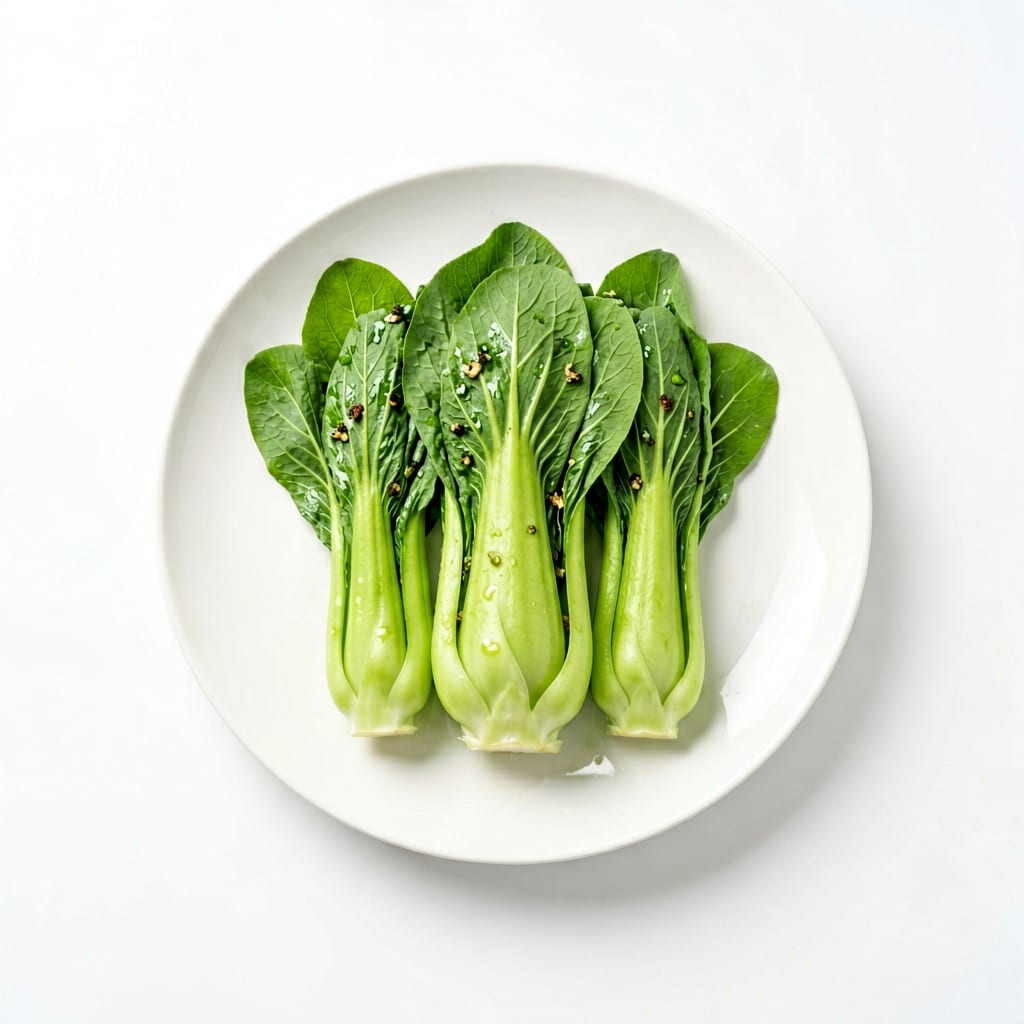
Choy Sum
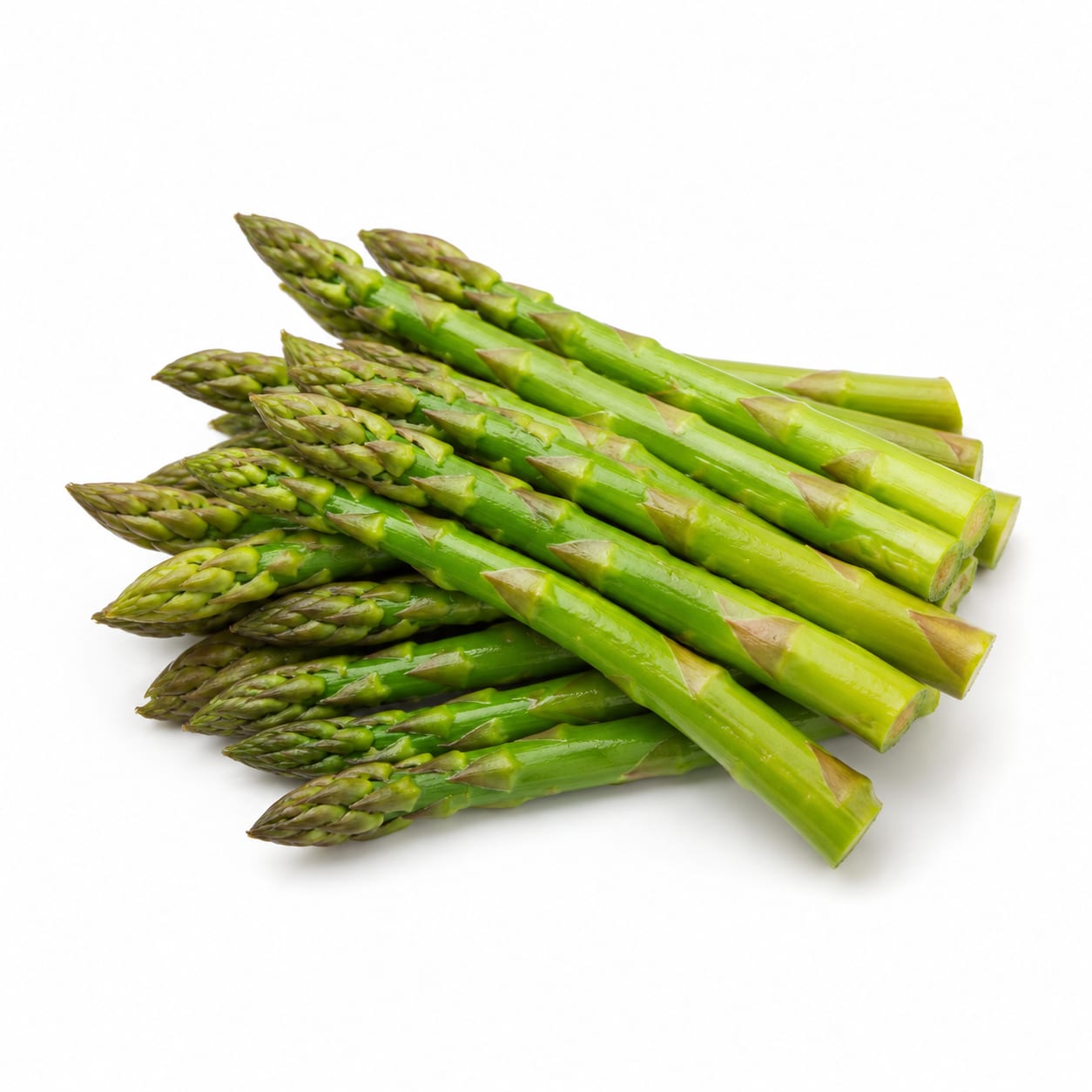
Asparagus
Choy Sum wins for calcium and quick cooking, while asparagus excels in gut-friendly fiber and folate.
Asparagus slightly edges out due to its unique prebiotic fiber and lower pesticide concerns, but both are top-tier vegetables with distinct nutritional strengths.
Bone-supporting calcium and iron in Choy Sum versus digestive prebiotics and folate in asparagus.
At a glance
Executive summary
Overall
It depends
Healthier
It depends
More practical
Choy Sum
Daily use
It depends
Key comparison lenses
micronutrient profile comparison
Choy Sum is a calcium and iron powerhouse, while asparagus dominates in folate and vitamin K.
digestive health benefits
Asparagus offers unique prebiotic fiber (inulin), whereas Choy Sum provides standard bulk fiber.
culinary convenience
Choy Sum cooks in under 3 minutes for stir-fries; asparagus requires trimming and longer roasting or steaming.
pesticide and contamination risk
Leafy greens like Choy Sum often retain more pesticides, while asparagus consistently ranks on the Clean Fifteen list.
Best choice for
Choy Sum
- Bone health support
- Quick weeknight stir-fries
- Iron needs for vegetarians
Asparagus
- Pregnancy and fertility support
- Gut microbiome health
- Low-pesticide diets
Least suitable for
Choy Sum
- People avoiding high-oxalate greens
- Those seeking a raw salad base
Asparagus
- People on a strict low-FODMAP diet
- Those wanting a quick 2-minute side dish
Deep comparison
Dimension by dimension
Each lens scores both foods and breaks down who each option suits.
- Dimension 1 · Priority 90It depends
micronutrient_density
Choy Sum · 85Asparagus · 88Choy Sum delivers exceptional calcium and iron, while asparagus provides superior folate and vitamin K.
Tradeoff
Choy Sum is better for bones and blood; asparagus is better for cell repair and pregnancy.
Why it matters
Your specific life stage and dietary gaps determine which green serves you better.
Real-world impact
Eating Choy Sum regularly helps meet calcium needs without dairy, while asparagus is a natural prenatal powerhouse.
Choy Sum
- Bone density maintenance
- Vegetarians needing iron
Better for
- Those needing high folate
Worse for
Asparagus
- Prenatal nutrition
- Blood clotting and wound healing
Better for
- Dairy-free individuals needing calcium
Worse for
- Dimension 2 · Priority 85Asparagus
digestive_health_and_gut_support
Choy Sum · 75Asparagus · 90Asparagus contains inulin, a powerful prebiotic that feeds good gut bacteria, giving it a distinct edge.
Tradeoff
Choy Sum offers gentle bulk fiber, but asparagus actively cultivates a healthier gut microbiome.
Why it matters
A thriving microbiome affects everything from immunity to mood, making prebiotics highly valuable.
Real-world impact
Regular asparagus consumption can reduce bloating and improve digestion over time, while Choy Sum keeps things moving smoothly.
Choy Sum
- Mild digestion needs
- Those sensitive to prebiotics
Better for
- Targeted microbiome support
Worse for
Asparagus
- Rebuilding gut flora after illness
- Reducing chronic bloating
Better for
- Strict low-FODMAP diets for IBS
Worse for
- Dimension 3 · Priority 75Choy Sum
culinary_convenience_and_prep_speed
Choy Sum · 90Asparagus · 75Choy Sum cooks in under 3 minutes and requires minimal prep, making it ideal for fast meals.
Tradeoff
Choy Sum gets dinner on the table faster, but asparagus offers a more robust, standalone side dish.
Why it matters
When you are hungry after a long day, prep time often dictates whether you eat vegetables or not.
Real-world impact
Choy Sum is a lifesaver for quick stir-fries, while asparagus requires trimming and longer roasting.
Choy Sum
- Rushed weeknight dinners
- Stir-fry and noodle dishes
Better for
- Raw salad applications
Worse for
Asparagus
- Elegant dinner parties
- Roasted vegetable medleys
Better for
- Meals with less than 15 minutes to spare
Worse for
- Dimension 4 · Priority 70Asparagus
pesticide_and_contamination_risk
Choy Sum · 70Asparagus · 90Asparagus consistently ranks on the Clean Fifteen, while leafy greens like Choy Sum often retain more pesticides.
Tradeoff
Asparagus is safer to buy conventional, but Choy Sum ideally should be organic to minimize exposure.
Why it matters
Pesticide load affects long-term hormonal and neurological health, especially if eaten daily.
Real-world impact
Buying conventional asparagus saves money without compromising safety, whereas Choy Sum might warrant the organic premium.
Choy Sum
- Budget organic buyers who wash thoroughly
Better for
- Those strictly avoiding all pesticide residue
Worse for
Asparagus
- Budget-conscious shoppers buying conventional
Better for
Timeline
Health impact over time
Short-term
Hours to days
Choy Sum
- Provides a light, energizing base for meals without feeling heavy
- Quickly satisfies vegetable cravings with minimal preparation
Asparagus
- Acts as a natural diuretic, reducing water retention and bloating
- May cause a noticeable sulfur odor in urine due to asparagusic acid breakdown
Long-term
Months to years
Choy Sum
- Supports bone density and blood health through consistent calcium and iron intake
- Maintains steady digestion due to reliable fiber content
Asparagus
- Nurtures a healthy gut microbiome, which boosts overall immunity
- Reduces birth defect risks and supports cellular repair via high folate intake
Risk profile
Safety & processing
Both Choy Sum and asparagus are whole, natural vegetables typically sold fresh without any additives or preservatives.
Choy Sum
Pesticide residue
mediumLeafy greens have more surface area and are often sprayed heavily; washing thoroughly or choosing organic is advised.
Oxalate content
lowContains moderate oxalates, which could be an issue for those prone to calcium kidney stones if consumed in extreme excess.
Asparagus
FODMAP sensitivity
mediumThe inulin in asparagus can trigger IBS symptoms like gas and cramping in highly sensitive individuals.
Urine odor
lowHarmless but noticeable sulfur smell in urine after consumption due to asparagusic acid.
Who wins for whom
Audience fit
Same foods, different winners depending on your goal.
children
Choy SumChoy Sum is softer, milder in flavor when cooked, and easier for young children to chew and digest.
daily consumption
It dependsRotating both is ideal to get a broad spectrum of micronutrients, from calcium to prebiotics.
diabetes
AsparagusThe inulin in asparagus specifically helps stabilize blood sugar levels by slowing digestion.
elderly
AsparagusAsparagus supports gut health and provides high folate, both of which are critical as digestion slows with age.
muscle gain
It dependsNeither is a significant protein source, though both provide the micronutrients needed to support an active metabolism.
weight loss
It dependsBoth are extremely low in calories and high in volume, making them equally excellent for filling up without overeating.
Your move
Decision guide
Choose Choy Sum
- You need a fast-cooking green for rushed weeknight meals
- You are dairy-free and need plant-based calcium and iron
- You prefer tender, mild greens that absorb stir-fry sauces well
Choose Asparagus
- You are pregnant, trying to conceive, or need more folate
- You want to improve your gut health and digestion
- You prefer buying conventional produce to save money on groceries
Either works if
- You just need more green vegetables on your plate
- You are looking for low-calorie volume to stay full longer
Avoid both if
- You need a primary protein source for your meal
- You are looking for a raw vegetable to use as a salad base
Final recommendation
Keep both in your rotation. Use Choy Sum for quick, comforting stir-fries and bone-supporting minerals, and rely on asparagus for gut-healing prebiotics and folate. Choosing based on your cooking time and specific nutrient gaps gives you the best of both worlds.
Practical
Consumer tips
- 1
Add a squeeze of lemon to Choy Sum to significantly boost your body's absorption of its iron.
- 2
Snap asparagus stems at the natural break point to easily discard the tough, woody ends.
- 3
Soak Choy Sum in a bowl of cold water with a splash of vinegar to help dislodge hidden dirt and reduce pesticide residue.
- 4
Roast asparagus with a healthy fat like olive oil to ensure you absorb its fat-soluble vitamin K.