
Nutrition comparison
Choy Sum vs Arugula: Which Leafy Green Is Better for You?
Compare Choy Sum and Arugula nutrition, minerals, convenience, and health benefits. Find out which green fits your diet — cooked mineral-rich Choy Sum or raw convenient Arugula.
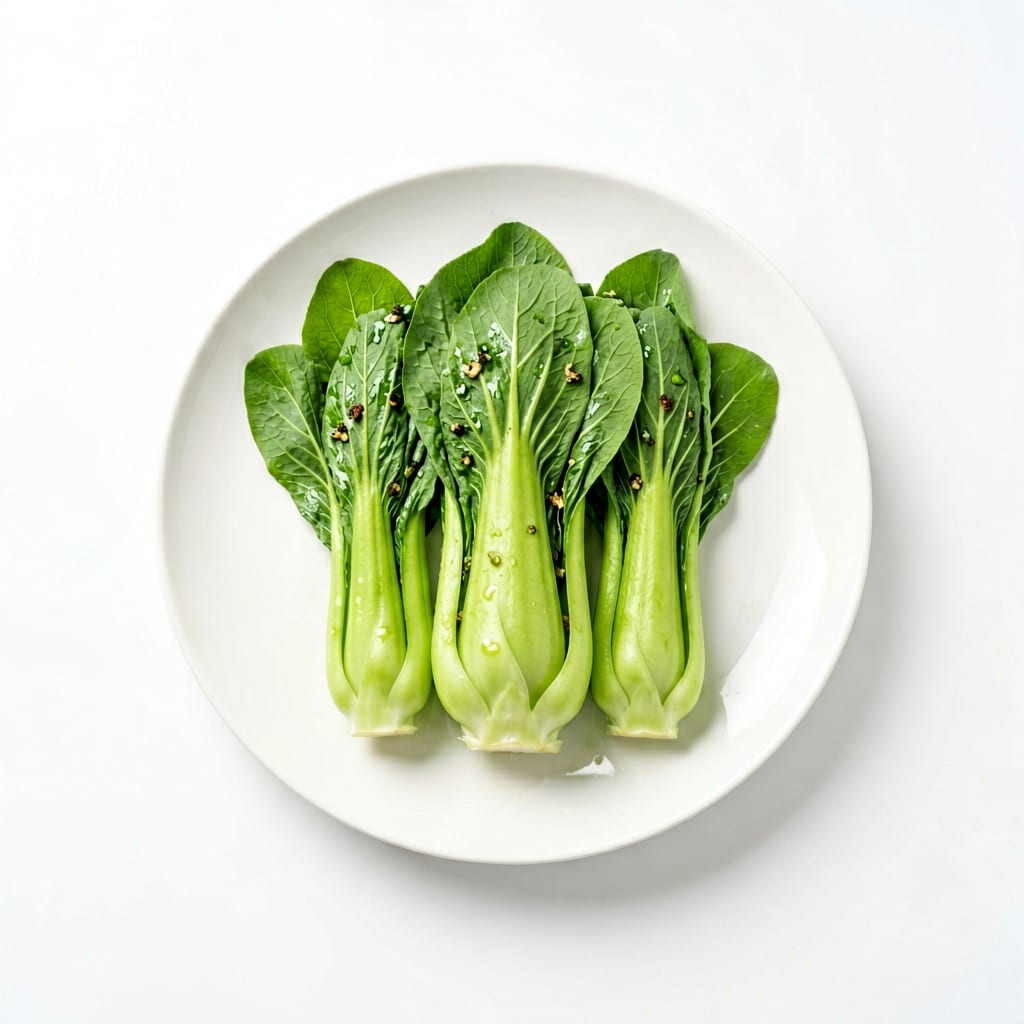
Choy Sum
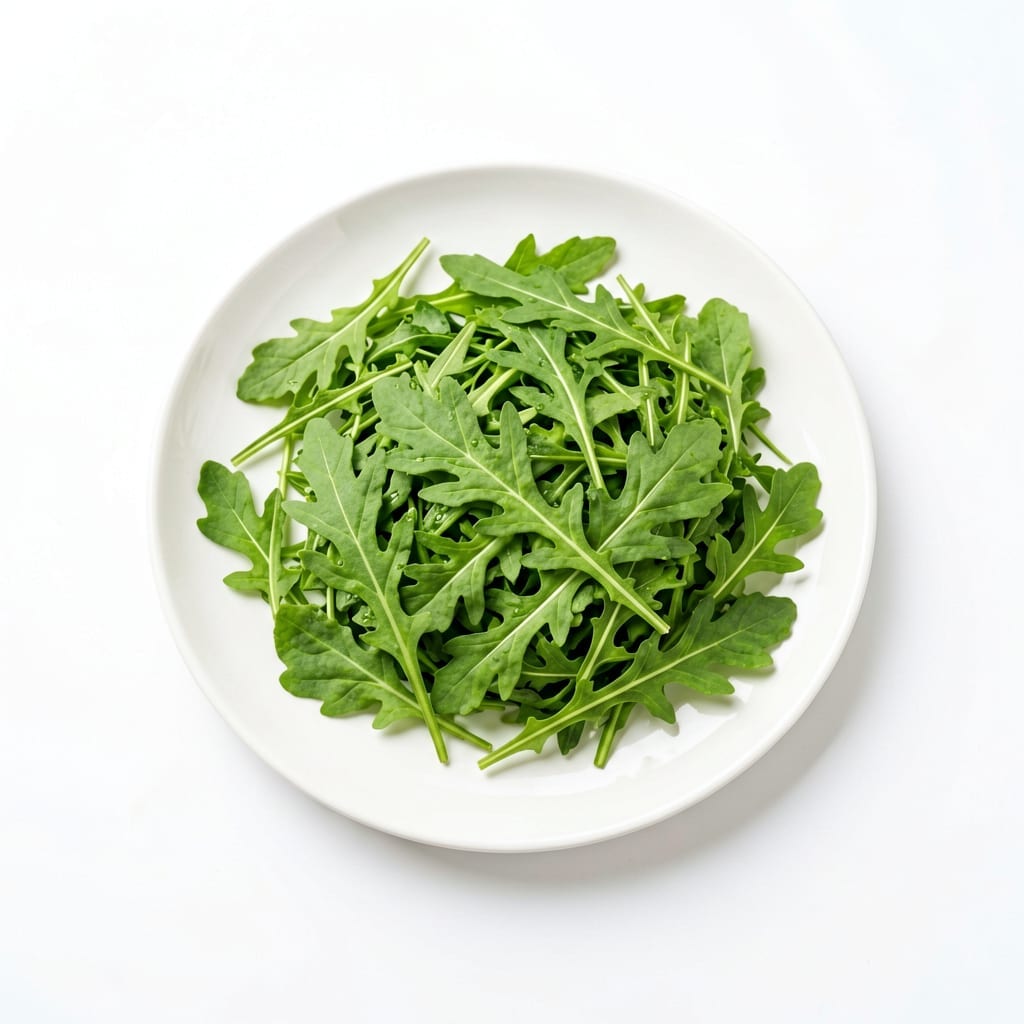
Arugula
Choy Sum wins on mineral density and satiety, while Arugula wins on convenience and raw nutrient preservation. Both are elite greens — the right pick depends on how you eat them.
Choy Sum edges ahead on mineral content and satiety but loses ground on convenience. Arugula is easier to integrate raw but delivers less bulk and fewer minerals per serving. The close scores reflect that both are genuinely excellent choices with different strengths.
Cooked comfort and mineral richness versus raw convenience and peppery freshness
At a glance
Executive summary
Overall
It depends
Healthier
It depends
More practical
Arugula
Daily use
It depends
Key comparison lenses
nutrient density comparison between Asian and Mediterranean greens
Users choosing between these leafy greens want to know which delivers more vitamins and minerals per bite
raw vs cooked vegetable preparation and nutrient retention
Arugula is almost always eaten raw while Choy Sum is typically cooked, which dramatically affects nutrient availability and convenience
mineral intake especially calcium and iron
Both greens are prized for bone-building minerals but differ significantly in how much they deliver
culinary versatility and meal integration
How easily each green fits into everyday meals determines whether people actually eat them consistently
satiety and portion satisfaction
Choy Sum has substantial stems that add bulk and fullness while arugula is light and leafy
Best choice for
Choy Sum
- People wanting more calcium and iron from vegetables
- Those who prefer cooked warm greens over raw salads
- Anyone needing a more filling vegetable side dish
- Home cooks making stir-fries or Asian-inspired meals
- People on plant-based diets seeking mineral-dense foods
Arugula
- Salad lovers who want a flavorful green without cooking
- People short on time who need ready-to-eat nutrition
- Those watching calorie intake closely
- Anyone wanting vitamin K and nitrates for cardiovascular health
- Mediterranean diet followers
Least suitable for
Choy Sum
- People who only eat raw vegetables
- Anyone needing instant no-prep greens
- Those who dislike cooked vegetable textures
Arugula
- People sensitive to bitter or peppery flavors
- Those wanting a substantial filling vegetable dish
- Anyone needing significant iron from greens
Deep comparison
Dimension by dimension
Each lens scores both foods and breaks down who each option suits.
- Dimension 1 · Priority 95Choy Sum
Mineral Density (Calcium, Iron, Potassium)
Choy Sum · 88Arugula · 68Choy Sum delivers substantially more calcium and iron per serving, making it the stronger choice for bone health and blood building.
Tradeoff
You get more minerals from Choy Sum but must cook it to access them fully, whereas Arugula's minerals are available immediately raw
Why it matters
Calcium and iron are two of the most common nutrient gaps, especially for plant-based eaters, and Choy Sum is one of the best vegetable sources
Real-world impact
A serving of cooked Choy Sum can cover roughly 15-20% of daily calcium needs versus about 6-8% from raw Arugula
Choy Sum
- Bone health and osteoporosis prevention
- Iron-deficiency anemia support
- Plant-based diets needing mineral-dense foods
Better for
- Situations where cooking reduces mineral absorption due to water leaching
Worse for
Arugula
- Quick mineral top-ups without cooking
- Lower overall mineral needs due to supplementation
Better for
- Anyone relying on greens as a primary calcium or iron source
Worse for
- Dimension 2 · Priority 90It depends
Vitamin Content and Bioavailability
Choy Sum · 80Arugula · 82Arugula retains more vitamin C and folate since it is eaten raw, while Choy Sum provides excellent vitamin A and K even after cooking.
Tradeoff
Cooking Choy Sum destroys some vitamin C but actually improves vitamin A availability, while raw Arugula preserves heat-sensitive vitamins but offers less total vitamin A
Why it matters
Vitamin C and folate are easily destroyed by heat, giving raw greens a natural advantage in these specific nutrients
Real-world impact
Eating Arugula raw means you get nearly all its vitamin C, while boiling Choy Sum can cut vitamin C by 40-50%
Choy Sum
- Vitamin A intake through cooked beta-carotene
- Vitamin K from a warm comforting dish
Better for
- Vitamin C loss during cooking unless lightly steamed
Worse for
Arugula
- Maximum vitamin C preservation
- Folate retention for pregnancy nutrition
Better for
- Lower total vitamin A compared to cooked Choy Sum
Worse for
- Dimension 3 · Priority 85Arugula
Convenience and Ease of Use
Choy Sum · 55Arugula · 90Arugula is ready to eat straight from the bag — wash and toss. Choy Sum requires trimming, washing, and cooking before it is palatable.
Tradeoff
Choy Sum rewards the extra effort with a more satisfying cooked dish, but Arugula fits into meals in seconds
Why it matters
The easier a vegetable is to prepare, the more likely you are to eat it regularly, which matters more than marginal nutrient differences
Real-world impact
Arugula can turn a plain sandwich into a meal in 10 seconds; Choy Sum requires at least 10-15 minutes of prep and cooking
Choy Sum
- Planned meals where cooking is already happening
- Batch cooking for the week
Better for
- Spontaneous meals with no cooking time
- Work lunches without kitchen access
Worse for
Arugula
- Busy weeknights with no time to cook
- Quick lunches and sandwich assembly
- Last-minute salad assembly
Better for
- Hearty warming meals on cold days
Worse for
- Dimension 4 · Priority 80Choy Sum
Satiety and Fullness
Choy Sum · 82Arugula · 58Choy Sum's thick stems and cooked texture make it genuinely filling, while Arugula is light and airy — almost disappearing in a salad.
Tradeoff
Choy Sum feels like a real vegetable side dish; Arugula feels like a garnish that happens to be nutritious
Why it matters
Vegetables that actually fill you up are easier to eat in meaningful quantities, which compounds their health benefits over time
Real-world impact
A plate of stir-fried Choy Sum can be a satisfying side on its own; a bowl of raw Arugula leaves you reaching for something else within an hour
Choy Sum
- Weight management through volume eating
- Replacing heavier side dishes with a filling vegetable
Better for
- Small portions or light snacking
Worse for
Arugula
- Light meals where you do not want to feel full
- Appetizer courses before a rich main
Better for
- Anyone trying to increase vegetable volume for fullness
Worse for
- Dimension 5 · Priority 78It depends
Antioxidant and Phytonutrient Profile
Choy Sum · 79Arugula · 81Both belong to the brassica family and contain cancer-fighting glucosinolates, but Arugula has notably more dietary nitrates for blood pressure support.
Tradeoff
Arugula's nitrates support cardiovascular health directly, while Choy Sum's broader glucosinolate profile offers more diverse cellular protection
Why it matters
Dietary nitrates from Arugula can measurably lower blood pressure within hours of consumption, which is a rare acute benefit from a vegetable
Real-world impact
A large Arugula salad may help lower blood pressure readings the same day, while Choy Sum's benefits accumulate more gradually over weeks
Choy Sum
- Long-term cellular defense through diverse glucosinolates
- Consistent cooked vegetable intake for chronic disease reduction
Better for
- Boiling can leach some water-soluble antioxidants into cooking water
Worse for
Arugula
- Acute blood pressure management through dietary nitrates
- Athletic performance and blood flow support
Better for
- Nitrates can be a concern for people on nitrate-sensitive medications
Worse for
- Dimension 6 · Priority 75It depends
Flavor Versatility and Meal Integration
Choy Sum · 76Arugula · 78Arugula's peppery bite works as both a flavor enhancer and a base green, while Choy Sum's mild sweetness fits seamlessly into savory cooked dishes.
Tradeoff
Arugula can overpower delicate dishes with its bitterness, while Choy Sum needs complementary seasonings to shine
Why it matters
A green you enjoy eating consistently beats a technically superior one you avoid because it does not taste good in your usual meals
Real-world impact
Arugula can replace lettuce in almost any sandwich or wrap for an instant upgrade; Choy Sum transforms a plain noodle soup into a complete meal
Choy Sum
- Stir-fries and noodle dishes
- Soups and hot pot
- Asian-inspired meal prep
Better for
- Cold dishes and raw preparations
Worse for
Arugula
- Sandwiches and wraps
- Pizza toppings and pasta tosses
- Salad bases with personality
Better for
- Mild-flavored dishes where pepperiness dominates
Worse for
- Dimension 7 · Priority 70Choy Sum
Digestive Tolerance
Choy Sum · 80Arugula · 68Cooked Choy Sum is gentler on the digestive system because cooking breaks down tough fibers, while raw Arugula can cause bloating in sensitive people.
Tradeoff
Choy Sum's cooked softness is easier on the gut, but Arugula's raw fiber feeds beneficial gut bacteria more effectively when tolerated
Why it matters
People with IBS or sensitive digestion often struggle with raw greens, making cooked vegetables a safer everyday choice
Real-world impact
If raw salads leave you bloated, Choy Sum will likely feel much more comfortable after eating
Choy Sum
- Sensitive digestion and IBS
- Easier post-meal comfort
- Elderly individuals with reduced digestive capacity
Better for
- Situations where raw fiber is specifically desired for gut bacteria
Worse for
Arugula
- Healthy guts that benefit from raw prebiotic fiber
- Microbiome diversity support
Better for
- Anyone prone to gas and bloating from raw cruciferous vegetables
Worse for
Timeline
Health impact over time
Short-term
Hours to days
Choy Sum
- Warm cooked vegetable provides immediate comfort and satiety
- Minerals from cooked greens are quickly available for absorption
- Gentle on digestion with minimal bloating risk
Arugula
- Dietary nitrates may lower blood pressure within hours
- Vitamin C is immediately available from the raw leaves
- Peppery flavor can stimulate appetite and digestion
Long-term
Months to years
Choy Sum
- Consistent calcium and iron intake supports bone density and blood health over decades
- Glucosinolate consumption correlates with reduced cancer risk in populations eating brassica vegetables regularly
- Cooked vegetable habit is sustainable for people who dislike raw salads
Arugula
- Regular nitrate intake from raw greens supports cardiovascular health long-term
- Vitamin K accumulation strengthens bones and supports proper blood clotting
- Raw vegetable habit preserves heat-sensitive antioxidants that degrade with cooking
Risk profile
Safety & processing
Both Choy Sum and Arugula are whole vegetables sold fresh with no additives. Pre-washed Arugula in plastic tubs may have slightly more handling, but neither food raises processing concerns.
Choy Sum
Pesticide residue on leafy stems
mediumChoy Sum's leafy structure holds pesticide residue well. Washing thoroughly and buying organic reduces this significantly.
Bacterial contamination from irrigation water
lowCooking eliminates most bacterial risk, giving Choy Sum a safety advantage over raw greens.
Arugula
Pesticide residue on tender leaves
mediumArugula's tender leaves absorb and retain pesticides. Pre-washed packaging does not fully remove residues. Organic is preferable.
Foodborne illness from raw consumption
mediumSince Arugula is eaten raw, any E. coli or Salmonella contamination from farming or handling poses a direct risk. Multiple salad recalls have involved arugula.
High nitrate levels for sensitive individuals
lowArugula is naturally high in dietary nitrates, which is beneficial for most people but may concern those on nitrate-sensitive medications or infants.
Who wins for whom
Audience fit
Same foods, different winners depending on your goal.
children
Choy SumMild sweet Choy Sum is easier for kids to accept than peppery bitter Arugula. Cooked soft textures are also more kid-friendly than raw leaves.
daily consumption
It dependsIf you cook daily, Choy Sum is the more nutrient-dense and satisfying choice. If you prefer no-cook meals, Arugula is far more practical and you will actually eat it consistently.
diabetes
Choy SumChoy Sum's cooked fiber and bulk help stabilize blood sugar after meals more effectively. Both are excellent very-low-carb choices, but Choy Sum provides more sustained fullness that reduces snacking.
elderly
Choy SumCooked Choy Sum is easier to chew and digest, and its higher calcium content directly addresses the bone density concerns that increase with age.
muscle gain
It dependsNeither green is a protein source. Choy Sum offers slightly more iron for oxygen delivery to muscles, while Arugula's nitrates may improve exercise performance. Both need to be paired with protein foods.
weight loss
Choy SumChoy Sum's cooked bulk fills you up more per calorie, making it easier to eat large satisfying portions without overeating. Arugula is also very low calorie but less satiating.
Your move
Decision guide
Choose Choy Sum
- You enjoy cooking and want a mineral-rich vegetable side
- You need more calcium and iron from plant sources
- You find raw salads unsatisfying or bloating
- You regularly make stir-fries, soups, or Asian dishes
- You have sensitive digestion that prefers cooked vegetables
Choose Arugula
- You eat salads daily and want more flavor than lettuce provides
- You have minimal time for vegetable preparation
- You want cardiovascular benefits from dietary nitrates
- You prefer raw foods and their intact vitamin C and folate
- You make sandwiches, wraps, or pizzas that benefit from a peppery green
Either works if
- You simply want more leafy greens in your diet regardless of type
- You are meeting your mineral needs through other foods already
- You enjoy both raw and cooked vegetables equally
Avoid both if
- You are on blood-thinning medication and need consistent vitamin K intake — both are very high in vitamin K and can interfere with warfarin
- You have a known cruciferous vegetable allergy
Final recommendation
Keep both in rotation. Use Arugula for quick raw meals and Choy Sum for cooked dinners. If you must pick one, choose Choy Sum for higher mineral density and better satiety, or Arugula if convenience determines whether you actually eat greens at all. The best green is the one you will eat consistently.
Practical
Consumer tips
- 1
Lightly steam Choy Sum instead of boiling to preserve water-soluble vitamins while still softening fibers
- 2
Buy organic Arugula when possible — its tender leaves retain pesticide residues more than many other greens
- 3
Massage Arugula with olive oil for 30 seconds to soften its toughness and mellow the pepperiness
- 4
Chop Choy Sum stems separately from leaves — stems need 2-3 minutes more cooking time
- 5
Add Arugula to a smoothie for a nutrient boost — its pepperiness is barely noticeable when blended with fruit
- 6
If Arugula tastes too bitter, try baby Arugula which is milder, or mix it 50/50 with a mild green like spinach
- 7
Store Choy Sum wrapped in damp paper towel in the fridge — it wilts faster than Arugula if left dry