
Nutrition comparison
Choy Sum vs Bok Choy: Which Asian Green Is Better for You?
Compare Choy Sum and Bok Choy nutrition, taste, cooking uses, and health benefits. Find out which leafy green fits your diet, kitchen, and grocery access best.
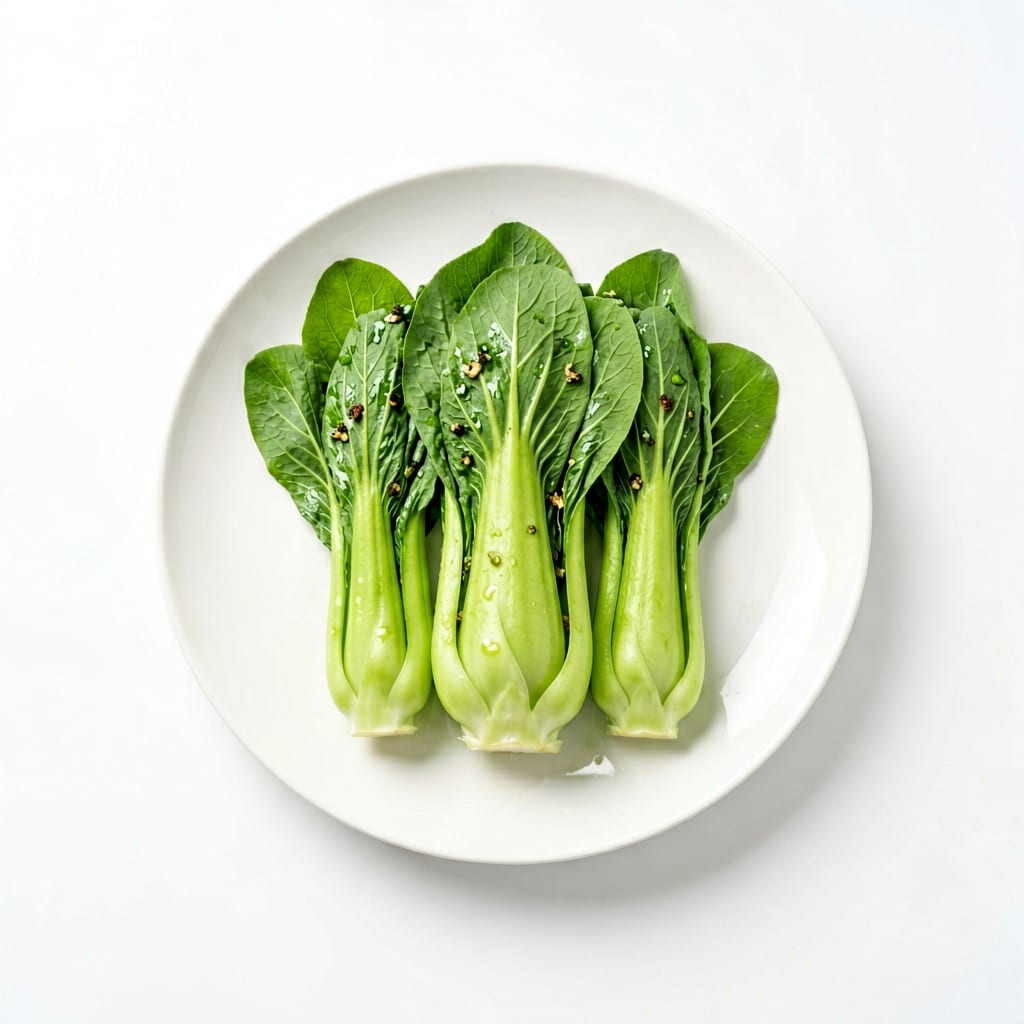
Choy Sum
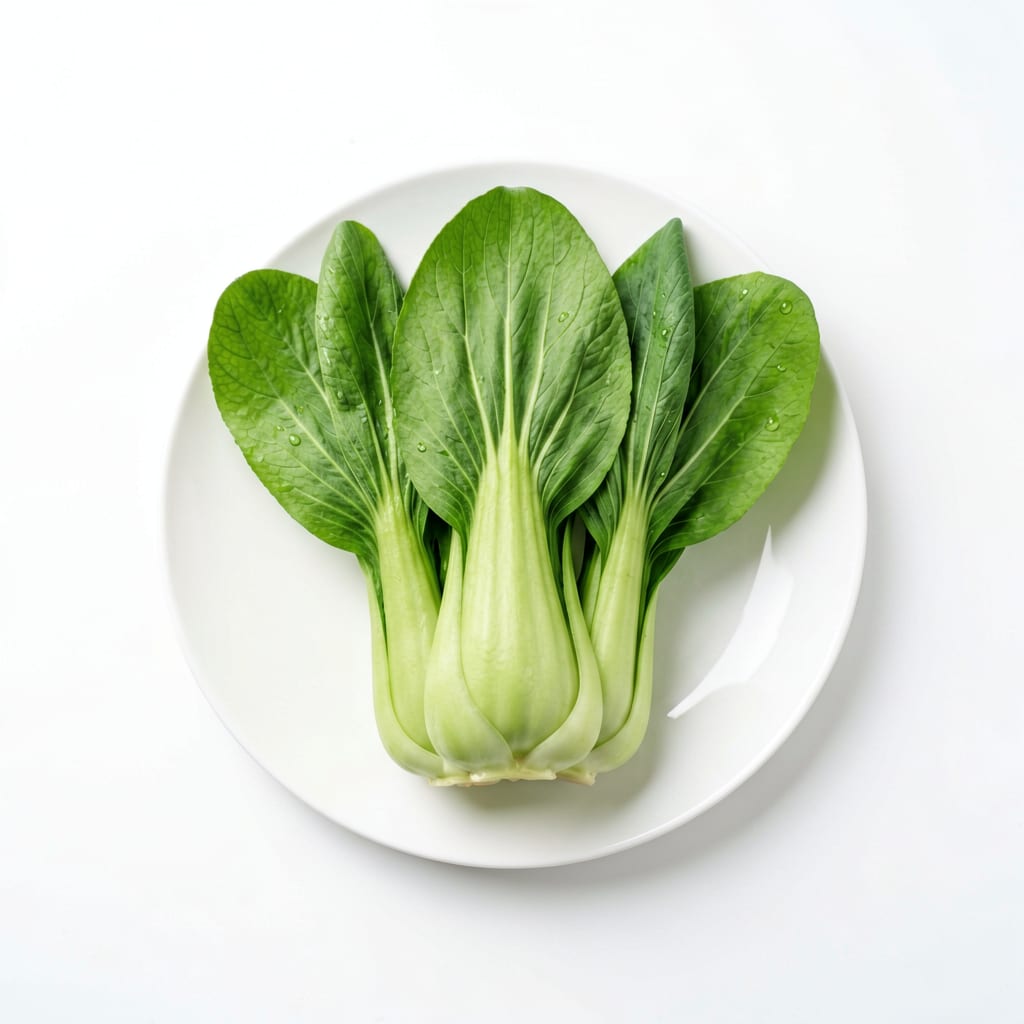
Bok Choy
Bok Choy wins on availability and vitamin A, while Choy Sum offers more folate and a tender-crisp bite that shines in simpler preparations.
Bok Choy edges ahead mainly due to wider availability, higher vitamin A, and longer shelf life. Choy Sum is nutritionally competitive and culinarily distinct but harder to find and slightly less versatile for everyday Western cooking.
Choy Sum delivers more folate and a delicate stem-to-leaf ratio, but Bok Choy is easier to find and packs significantly more vitamin A.
At a glance
Executive summary
Overall
It depends
Healthier
It depends
More practical
Bok Choy
Daily use
Bok Choy
Key comparison lenses
nutritional density comparison
Both are nutrient-dense Asian greens but differ meaningfully in vitamin and mineral profiles
cooking versatility and texture
Texture differences significantly affect how each green is used in meals
calcium and bone health
Both are notable plant-based calcium sources but with different absorption profiles
accessibility and availability
Bok Choy is far more available in Western grocery stores, affecting practical choice
quick weeknight cooking
Both cook fast but differ in prep time and cooking method suitability
Best choice for
Choy Sum
- Pregnant women needing folate
- Quick blanching or light stir-fries
- Those wanting tender stems without stringy texture
- Traditional Cantonese dishes
Bok Choy
- People seeking vitamin A for eye and immune health
- Shoppers at regular grocery stores
- Meal preppers wanting longer fridge life
- Families wanting a milder, kid-friendlier flavor
Least suitable for
Choy Sum
- Rural or small-town shoppers with limited Asian grocery access
- Those wanting long raw storage in the fridge
- Dishes requiring a pronounced crunch
Bok Choy
- Recipes specifically calling for flowering stems
- Those wanting maximum folate per serving
- Dishes where a slightly sweeter, more delicate flavor is essential
Deep comparison
Dimension by dimension
Each lens scores both foods and breaks down who each option suits.
- Dimension 1 · Priority 93Bok Choy
vitamin_and_mineral_density
Choy Sum · 74Bok Choy · 85Bok Choy delivers substantially more vitamin A and vitamin K, while Choy Sum offers more folate and slightly more iron.
Tradeoff
You gain eye and immune support with Bok Choy but lose some folate and iron that Choy Sum provides.
Why it matters
Vitamin A is one of the most common deficiencies worldwide, and Bok Choy is an excellent plant source. Folate is critical during pregnancy, giving Choy Sum a specific niche.
Real-world impact
Eating Bok Choy regularly can meaningfully improve vitamin A intake without supplements. Choy Sum is the better choice if you are pregnant or trying to conceive.
Choy Sum
- Folate needs during pregnancy
- Iron supplementation from whole foods
Better for
- Those relying on it as a primary vitamin A source
Worse for
Bok Choy
- Vitamin A for eye health
- Vitamin K for bone and blood health
- Overall micronutrient breadth
Better for
- Pregnant women prioritizing folate above all else
Worse for
- Dimension 2 · Priority 87Bok Choy
texture_and_cooking_versatility
Choy Sum · 72Bok Choy · 82Bok Choy's crunchy white stems and tender leaves work in more dishes. Choy Sum has uniformly tender stems that excel in quick-cook methods but offer less textural contrast.
Tradeoff
Choy Sum cooks more evenly and faster, but Bok Choy provides a satisfying crunch that holds up in soups and braises.
Why it matters
Texture variety makes meals more satisfying. Bok Choy's dual texture means one vegetable gives you both crunch and softness.
Real-world impact
Bok Choy halves charred in a pan give you restaurant-quality presentation. Choy Sum is faster to prep but less visually dramatic.
Choy Sum
- Quick weeknight blanching
- Dishes where uniform tenderness is preferred
- Simple garlic stir-fries
Better for
- Dishes requiring a pronounced crunchy stem
Worse for
Bok Choy
- Soups and braises needing stem structure
- Grilled or charred vegetable preparations
- Raw or lightly pickled applications
Better for
- Recipes where fast even cooking is priority
Worse for
- Dimension 3 · Priority 85Bok Choy
availability_and_convenience
Choy Sum · 55Bok Choy · 90Bok Choy is stocked in nearly every major grocery chain. Choy Sum usually requires an Asian market or specialty store.
Tradeoff
Choy Sum rewards the extra effort with a more delicate flavor, but most people can grab Bok Choy any day of the week.
Why it matters
The healthiest vegetable is the one you actually buy and eat. Availability often determines what ends up on your plate.
Real-world impact
If you meal prep on Sundays and shop at a standard grocery store, Bok Choy fits your life. Choy Sum requires a separate trip or online order.
Choy Sum
- Those living near Asian grocery stores
- Cooks seeking authentic Cantonese ingredients
Better for
- Anyone without nearby Asian markets
Worse for
Bok Choy
- Suburban shoppers with standard grocery access
- People who want healthy greens without specialty shopping
- Consistent weekly meal planners
Better for
- Those specifically seeking traditional flowering cabbage dishes
Worse for
- Dimension 4 · Priority 72Bok Choy
shelf_life_and_storage
Choy Sum · 62Bok Choy · 78Bok Choy's thicker stems retain moisture longer, giving it a few extra days in the fridge. Choy Sum wilts faster due to its more delicate structure.
Tradeoff
Choy Sum's tenderness means faster cooking but faster spoilage. Bok Choy stays crisp longer but needs slightly more cooking time.
Why it matters
Food waste is expensive and demoralizing. A green that lasts 5-7 days instead of 3-4 reduces waste and saves money.
Real-world impact
Buy Choy Sum when you plan to cook it within 2 days. Bok Choy can wait until Thursday if you shop on Monday.
Choy Sum
- Same-day or next-day cooking plans
Better for
- People who shop once a week and cook intermittently
Worse for
Bok Choy
- Meal prepping for the week
- Buying in bulk at farmers markets
- Busy households with unpredictable cooking schedules
Better for
- Those who prefer to eat greens at peak delicacy
Worse for
- Dimension 5 · Priority 78It depends
flavor_and_palatability
Choy Sum · 80Bok Choy · 76Choy Sum has a sweeter, more delicate flavor with slight mustard notes. Bok Choy is milder and slightly peppery, more approachable for picky eaters.
Tradeoff
Choy Sum offers more flavor complexity for experienced palates. Bok Choy's mildness makes it a safer gateway green for kids and vegetable skeptics.
Why it matters
Flavor determines whether a healthy food becomes a habit or a one-time experiment.
Real-world impact
Kids usually accept Bok Choy more easily in soups. Adults who find most greens boring may prefer Choy Sum's subtle sweetness.
Choy Sum
- Adventurous eaters wanting nuanced flavor
- Simple preparations where the vegetable is the star
Better for
- Very picky eaters sensitive to mustard notes
Worse for
Bok Choy
- Family meals with children
- Dishes with strong sauces where the green plays a supporting role
- People who find bitter or mustardy greens off-putting
Better for
- Dishes where the green should contribute distinct flavor
Worse for
- Dimension 6 · Priority 82Bok Choy
calcium_bioavailability
Choy Sum · 73Bok Choy · 84Both are excellent plant calcium sources, but Bok Choy has slightly more calcium per serving and its low oxalate content means your body absorbs more of it.
Tradeoff
Choy Sum still provides meaningful calcium, but Bok Choy is one of the best-absorbed plant calcium sources available.
Why it matters
Many people assume spinach is high in calcium, but its oxalates block absorption. Bok Choy gives you calcium your body actually uses.
Real-world impact
For dairy-free eaters, Bok Choy is one of the most efficient ways to get usable calcium from vegetables.
Choy Sum
- Contributing to overall calcium intake alongside other sources
Better for
- Those relying on a single vegetable for most of their calcium
Worse for
Bok Choy
- Dairy-free or vegan diets needing efficient calcium
- Older adults concerned about bone density
- Post-menopausal women seeking absorbable calcium
Better for
- Not applicable — Bok Choy excels here
Worse for
Timeline
Health impact over time
Short-term
Hours to days
Choy Sum
- Quick fiber boost supporting digestion within hours
- Light hydration from high water content
- Mild satiety from fiber without feeling heavy
Bok Choy
- Immediate vitamin A contribution toward daily needs
- Crunchy texture promotes slower eating and better satiety signals
- Gentle on the stomach, unlikely to cause bloating
Long-term
Months to years
Choy Sum
- Consistent folate intake supports cell repair and healthy pregnancy
- Iron contribution helps maintain energy over months
- Antioxidant compounds from the brassica family support cellular health
Bok Choy
- Sustained vitamin A intake protects vision and immune resilience
- Highly bioavailable calcium supports bone density long-term
- Regular cruciferous vegetable consumption linked to reduced chronic disease risk
Risk profile
Safety & processing
Both Choy Sum and Bok Choy are whole, minimally processed vegetables typically sold fresh and unmodified. Neither carries meaningful additive concerns.
Choy Sum
Pesticide residue
mediumLeafy greens in the brassica family can retain pesticide residue on leaves. Washing thoroughly reduces exposure. Organic options are preferable when available.
Rapid spoilage and bacterial growth
lowChoy Sum's delicate structure wilts quickly, and damaged leaves can harbor bacteria. Use within 2-3 days and inspect for slime or yellowing.
Bok Choy
Pesticide residue
mediumSimilar to Choy Sum, Bok Choy can carry pesticide residue on its leaves. The crevices between stems and leaves require careful washing.
Contamination in stem crevices
lowThe base where stems meet can trap soil and bacteria. Trim the base and separate stems for thorough cleaning before cooking.
Who wins for whom
Audience fit
Same foods, different winners depending on your goal.
children
Bok ChoyBok Choy's milder flavor and fun crunchy stems are more kid-friendly. The leaves soften nicely in soup, making it easy to sneak into meals.
daily consumption
Bok ChoyBok Choy's availability, shelf life, and mild flavor make it more practical for daily use. Consistency beats perfection in long-term health habits.
diabetes
It dependsBoth have negligible impact on blood sugar. Bok Choy's slightly higher fiber content may offer marginally better glucose stability, but the difference is minimal.
elderly
Bok ChoyBok Choy's superior calcium bioavailability supports bone health in aging adults. Its softer cooked leaves are also easy to chew for those with dental concerns.
muscle gain
Bok ChoyBok Choy provides slightly more calcium and vitamin K, which support muscle function and recovery. Neither is a protein source, so both need pairing with protein-rich foods.
weight loss
It dependsBoth are extremely low in calories and high in volume. Bok Choy's crunch may feel more satisfying, while Choy Sum's tenderness makes it easier to eat larger quantities quickly.
Your move
Decision guide
Choose Choy Sum
- You live near an Asian grocery store and want a sweeter, more delicate green
- You are pregnant or trying to conceive and want extra folate
- You prefer quick-blanching vegetables that cook evenly in under 3 minutes
- You are cooking Cantonese-style dishes where Choy Sum is traditional
Choose Bok Choy
- You shop at a regular grocery store and want reliable access
- You want maximum vitamin A and absorbable calcium from your greens
- You are meal prepping and need vegetables that last 5+ days
- You are cooking for kids or picky eaters who prefer milder flavors
- You want a green that works equally well raw, grilled, stir-fried, or in soup
Either works if
- You simply want more leafy greens in your diet and both are available
- You are making a stir-fry and either would work fine
- You are already eating a varied diet and the nutritional differences are minor
Avoid both if
- You have a known cruciferous vegetable allergy or sensitivity
- You are on warfarin and need strictly controlled vitamin K intake without medical guidance
Final recommendation
For most people, Bok Choy is the more practical daily choice due to availability, shelf life, and calcium bioavailability. But if you have access to Choy Sum, it is absolutely worth incorporating for its folate, sweeter flavor, and faster cooking time. The best approach is rotating both when possible — variety always beats picking a single winner.
Practical
Consumer tips
- 1
Wash both greens thoroughly by separating the stems and soaking in cold water for 2-3 minutes to dislodge grit
- 2
Store both unwashed in a loosely closed bag in the crisper drawer — moisture is the enemy of shelf life
- 3
Buy Choy Sum the day before you plan to cook it for best texture
- 4
Baby Bok Choy is more tender and cooks faster than full-size — ideal for quick meals
- 5
If your Bok Choy is wilting, revive it in an ice water bath for 15 minutes before cooking
- 6
Both freeze poorly due to high water content — use fresh whenever possible
- 7
A splash of oyster sauce and garlic is the fastest way to make either green taste restaurant-quality