
Nutrition comparison
Choy Sum vs Broccoli: Which Green is Healthier?
Compare Choy Sum and Broccoli to see which vegetable wins for calcium, fiber, cooking convenience, and overall health benefits.
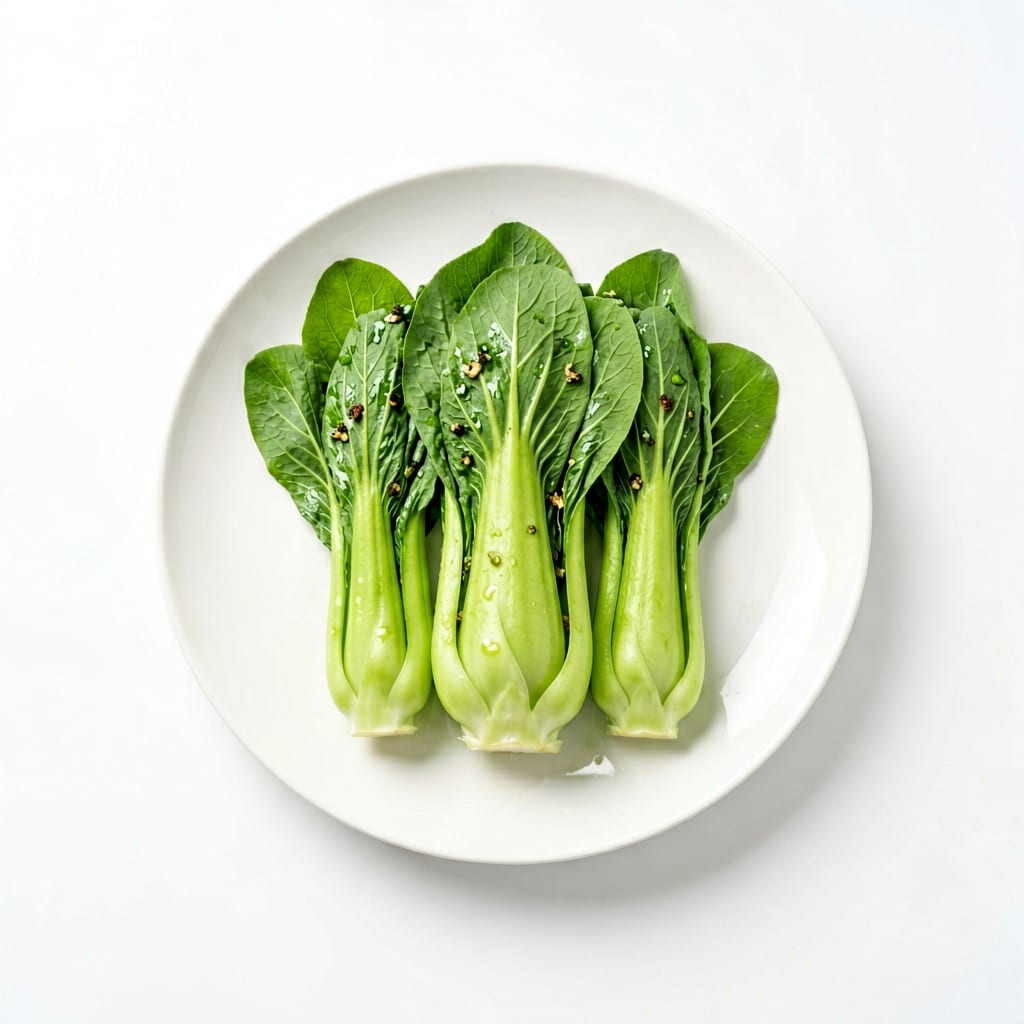
Choy Sum
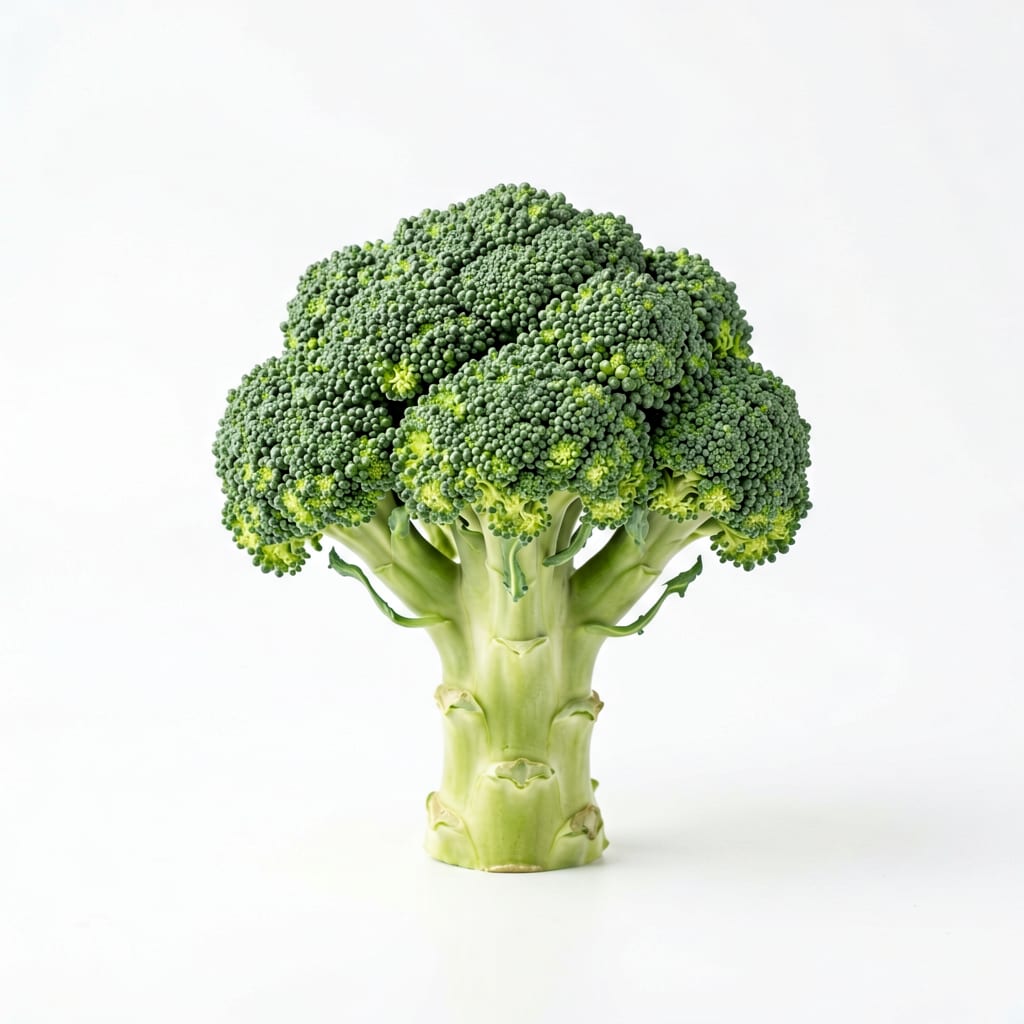
Broccoli
Broccoli offers more fiber and cancer-fighting sulforaphane, while Choy Sum delivers more calcium and cooks in a fraction of the time.
Broccoli narrowly wins due to its exceptional fiber content and unique disease-fighting compounds, but Choy Sum remains a top-tier vegetable for bone health and convenience.
Robust fiber and disease-fighting compounds in broccoli versus quicker cooking and higher calcium in Choy Sum.
At a glance
Executive summary
Overall
It depends
Healthier
It depends
More practical
Choy Sum
Daily use
Broccoli
Key comparison lenses
Nutrient profile differences
Choy Sum is a calcium powerhouse while broccoli is famous for sulforaphane and vitamin C
Culinary convenience and cooking time
Choy Sum wilts in seconds making it ideal for quick meals, whereas broccoli requires longer cooking
Digestive health and fiber content
Broccoli provides significantly more fiber which impacts satiety and gut health differently than Choy Sum
Bone health support
Choy Sum offers highly bioavailable calcium, a nutrient many diets lack
Best choice for
Choy Sum
- Quick weeknight stir-fries
- Boosting calcium without dairy
- Those who dislike tough cruciferous textures
Broccoli
- Meal prepping for the week
- Improving digestion and fullness
- Maximizing cancer-fighting compounds
Least suitable for
Choy Sum
- Those needing a high-fiber intake to stay regular
- Long-term raw snack prep since it wilts fast
Broccoli
- Quick 5-minute meals
- People sensitive to cruciferous gas and bloating
Deep comparison
Dimension by dimension
Each lens scores both foods and breaks down who each option suits.
- Dimension 1 · Priority 90It depends
Nutrient Density & Micronutrients
Choy Sum · 85Broccoli · 88Broccoli edges ahead with higher vitamin C and unique compounds like sulforaphane, but Choy Sum packs significantly more calcium and folate per calorie.
Tradeoff
Broccoli gives you more immune and cellular defense, while Choy Sum is superior for bone-building minerals.
Why it matters
Calcium is often lacking in dairy-free diets, making Choy Sum a top-tier source, whereas broccoli's sulforaphane is rare and highly protective.
Real-world impact
Eating broccoli regularly supports long-term cellular health, while adding Choy Sum helps keep bones strong without supplements.
Choy Sum
- Plant-based eaters needing calcium
- Pregnant women seeking folate
Better for
- Those relying on a single veggie for vitamin C
Worse for
Broccoli
- Immune system support during cold season
- Long-term cellular defense
Better for
- Those avoiding roughage after surgery
Worse for
- Dimension 2 · Priority 85Broccoli
Digestive Health & Satiety
Choy Sum · 70Broccoli · 90Broccoli is much higher in fiber, making it far more filling and better for gut regularity.
Tradeoff
Broccoli's fiber keeps you full longer but can cause gas, whereas Choy Sum is gentler on the stomach but less satiating.
Why it matters
Fiber is crucial for blood sugar control and keeping hunger at bay between meals.
Real-world impact
A broccoli side dish will keep you satisfied for hours; Choy Sum digests quickly, leaving you hungry sooner.
Choy Sum
- People with sensitive stomachs or IBS
- Those who prefer light meals
Better for
- Those struggling with constipation
Worse for
Broccoli
- Weight management through fullness
- Gut microbiome health
Better for
- Those prone to bloating from cruciferous veggies
Worse for
- Dimension 3 · Priority 80Choy Sum
Culinary Convenience & Versatility
Choy Sum · 90Broccoli · 75Choy Sum cooks in under 3 minutes and absorbs flavors beautifully, while broccoli requires longer cooking and careful prep to avoid mushiness.
Tradeoff
Choy Sum saves time and stays crisp-tender easily, but broccoli offers more texture variety like raw dipping or roasting.
Why it matters
When you are exhausted after work, a vegetable that cooks in minutes is far more likely to actually get eaten.
Real-world impact
Choy Sum is perfect for throwing into a last-minute noodle soup; broccoli needs at least 15 minutes of roasting or steaming.
Choy Sum
- Rapid weeknight cooking
- Stir-fry and soup integration
Better for
- Craving a crunchy raw snack
Worse for
Broccoli
- Raw snacking with hummus
- Meal prep that holds up for days
Better for
- Making a 10-minute dinner
Worse for
- Dimension 4 · Priority 75Choy Sum
Bone Health Support
Choy Sum · 92Broccoli · 80Choy Sum is an exceptional source of calcium, providing far more per serving than broccoli.
Tradeoff
Choy Sum directly fuels bone density with calcium, while broccoli supports bones indirectly with vitamin K.
Why it matters
Plant-based eaters often struggle to get enough calcium, making Choy Sum a strategic choice.
Real-world impact
A serving of Choy Sum covers a significant chunk of your daily calcium needs, acting almost like a green supplement.
Choy Sum
- Aging adults preventing osteoporosis
- Dairy-free diets
Better for
- Those who do not consume vitamin D for calcium absorption
Worse for
Broccoli
- Supporting calcium absorption via vitamin K
Better for
- Those needing a primary calcium source from greens
Worse for
Timeline
Health impact over time
Short-term
Hours to days
Choy Sum
- Quick energy from easily digestible carbs
- Light feeling after eating
- Rapid prep encourages cooking fresh veggies
Broccoli
- Increased fullness after meals
- Potential for gas or bloating if not cooked well
- Steadier blood sugar due to high fiber
Long-term
Months to years
Choy Sum
- Stronger bones from high calcium intake
- Better hydration due to high water content
- Consistent intake of folate for cellular repair
Broccoli
- Reduced cancer risk from sulforaphane
- Improved gut microbiome from high fiber
- Better weight management from sustained satiety
Risk profile
Safety & processing
Both Choy Sum and broccoli are whole, natural vegetables typically sold fresh or frozen without additives.
Choy Sum
Pesticide residue
mediumLeafy greens often retain pesticides on their surface; washing thoroughly is essential.
Bacterial contamination
lowAs a leafy green, Choy Sum can harbor bacteria from irrigation water, but cooking eliminates this risk.
Broccoli
Pesticide residue
mediumBroccoli florets can trap pesticides in their tight heads; soaking before cooking helps.
Digestive discomfort
lowHigh fiber and raffinose can cause uncomfortable gas for some people if eaten in large quantities.
Who wins for whom
Audience fit
Same foods, different winners depending on your goal.
children
It dependsChoy Sum's tender texture and mild flavor are easier for kids to chew, but broccoli trees are often popular if served with a dip.
daily consumption
BroccoliBroccoli's robust fiber and broad nutrient profile make it a more filling and versatile daily staple for gut health.
diabetes
BroccoliBroccoli's dense fiber slows sugar absorption more effectively, and sulforaphane may help improve insulin resistance.
elderly
Choy SumChoy Sum is easier to chew and digest, and its high calcium directly supports aging bones.
muscle gain
It dependsNeither is a primary protein source, but broccoli offers slightly more vitamin C for recovery, while Choy Sum provides calcium for muscle contraction.
weight loss
BroccoliBroccoli's high fiber content provides more satiety, making it easier to eat fewer calories overall.
Your move
Decision guide
Choose Choy Sum
- You need a fast-cooking veggie for busy weeknights
- You are dairy-free and need more calcium
- You find broccoli too fibrous or gas-causing
- You cook a lot of Asian-style dishes
Choose Broccoli
- You want to stay full longer between meals
- You are meal-prepping for the week
- You want to maximize cancer-fighting compounds
- You enjoy raw veggies with dip
Either works if
- You just need more greens in your diet
- You are looking for low-calorie nutrient boosters
- You want to support your immune system with vitamin C
Avoid both if
- You have severe digestive issues with cruciferous vegetables
- You are on a strict oxalate-restricted diet
Final recommendation
Keep both in your rotation. Use broccoli for meal prep and gut-filling sides, and turn to Choy Sum when you need a calcium boost or a vegetable that cooks in the time it takes to boil noodles.
Practical
Consumer tips
- 1
Soak broccoli florets in salt water for 10 minutes to draw out any hidden pests or pesticides before cooking.
- 2
Cook Choy Sum quickly over high heat to retain its crisp texture and bright color—overcooking makes it mushy.
- 3
Pair Choy Sum with a healthy fat like sesame oil to absorb its fat-soluble vitamins A and K.
- 4
If broccoli gives you gas, try steaming it instead of eating it raw, which breaks down the tough fibers.