
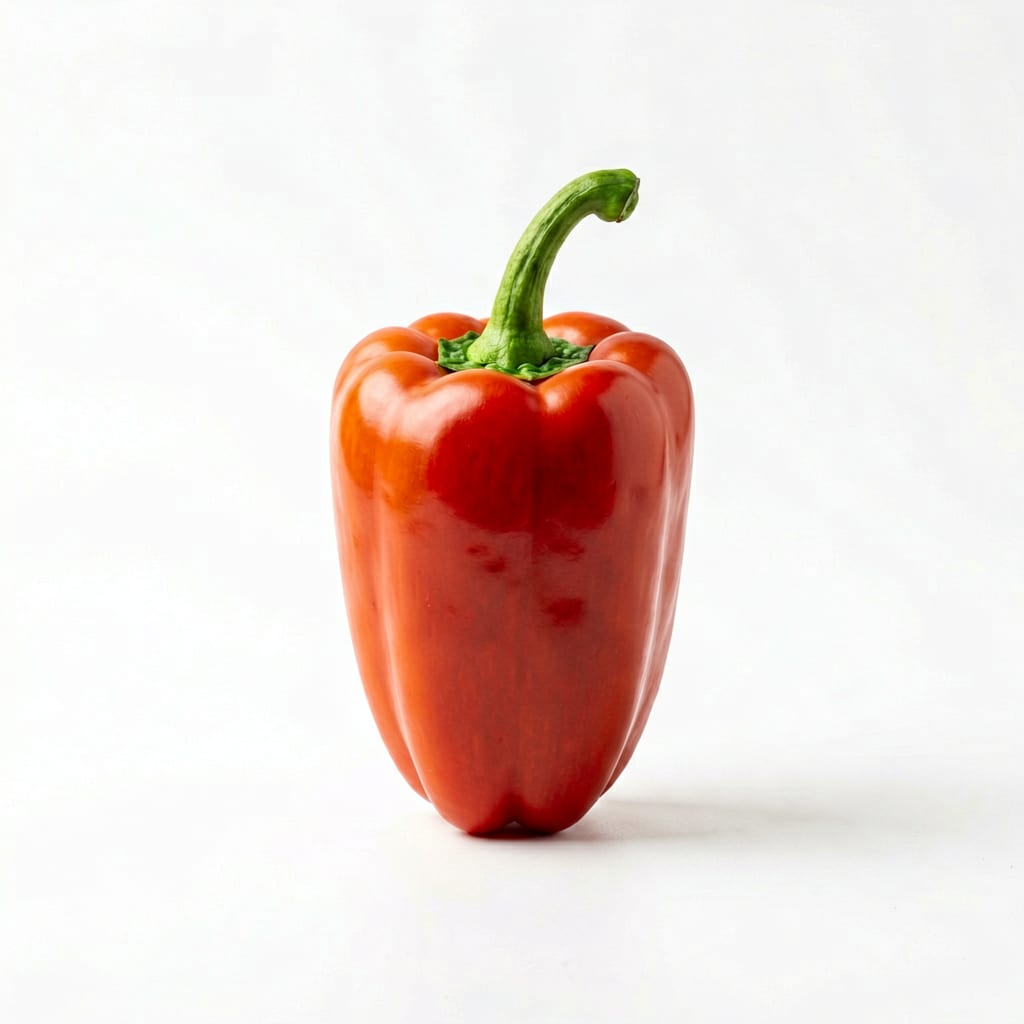
Vegetable
Chili Pepper
Chili peppers are low-calorie, spicy vegetables known for their capsaicin content, which provides heat and mild metabolic benefits.
Chili peppers are spicy fruits from the Capsicum plant family, widely used to add heat and flavor to dishes. They range in spiciness from mild to extremely hot, measured in Scoville Heat Units (SHU).
low-calorie flavor enhancer and metabolic booster
Typical serving · 45g
Common varieties · jalapeno, serrano, habanero, cayenne, thai chili +2 more
Overall context score across nutrition, safety, and diet fit
At a glance
Quick facts
Simple indicators based on nutrition, processing, and diet fit.
The story
What makes it unique
Chili peppers are low-calorie, water-dense foods with a very low glycemic index. Their digestion speed is moderate, slowed slightly by fiber. Satiety is moderate, though their intense flavor can limit overconsumption. The macronutrient profile is predominantly carbohydrate with minimal fat and protein. As a raw whole food, processing characteristics are minimal.
Varieties: jalapeno · serrano · habanero · cayenne · thai chili · poblano · anaheim
Per 100g
Nutrition breakdown
Macro balance and key metrics at a glance.
Energy
Density 0.40 kcal/g
Protein
Carbs
Fat
Fiber
Sugar
5.3 g
Sodium
9 mg
Potassium
340 mg
Glycemic index
15
Glycemic load
1
Water content
88%
Standout compounds
Nutrient highlights
Vitamin C
highSupports immune function and collagen synthesis
Capsaicin
highBoosts metabolism and provides pain relief
Vitamin A
moderateImportant for vision and immune health
Vitamin B6
moderateSupports brain health and energy metabolism
Wellness map
Health scores & processing
NOVA processing scale
minimally processed · Whole food
Raw fresh chili peppers are unprocessed whole plant foods.
Diet compatibility
- Weight loss
- Muscle gain
- Diabetes
- Gut health
- Low carb
- High protein
- Heart health
Relative standing
Food rankings
Qualitative ranks compared to similar whole foods.
- Satietymoderate
- Blood sugarexcellent
- Nutrient densitygood
- Fitness fuelmoderate
- Processing qualityexcellent
Eat with confidence
Food safety profile
Fresh chili peppers pose low microbial risk but often carry pesticide residues. Washing thoroughly is recommended. Handling can cause skin and eye irritation due to capsaicin.
Evidence confidence 85%
- Pesticidesmoderate
- Antibioticslow
- Heavy metalslow
- Contaminationlow
Watch for
- pesticide residues
Safer choices
Organic chili peppers to reduce pesticide exposure.
Prep tips
Wash under running water and rub skin gently. Wear gloves when cutting hot varieties to avoid capsaicin burns on skin or eyes.
Conventional chili peppers frequently test positive for pesticide residues due to pest pressure on the crops.
Deep dive
Health analysis
How this food may fit different goals and preparation choices.
Weight loss
Very low energy density and high flavor intensity make them ideal for adding taste to meals without adding calories. Capsaicin may also mildly suppress appetite.
Blood sugar
Extremely low glycemic index and load. Capsaicin has been shown to improve insulin sensitivity in some studies.
Fitness & energy
Not a direct energy source due to low carbohydrate content, but capsaicin can enhance fat oxidation during exercise.
Gut health
Capsaicin can modulate the gut microbiome favorably and reduce inflammation, but excessive consumption can irritate the gastrointestinal lining, especially in those with ulcers or acid reflux.
Processing quality
Whole fresh chilies are unprocessed, retaining full vitamin C and capsaicin content without additives.
Food safety
Primary concern is pesticide residue on conventional crops and chemical burns from handling capsaicin oils.
Common mistakes
Overconsumption can lead to severe stomach discomfort. Touching eyes after handling is a frequent painful error.
Best preparation
Raw for maximum vitamin C, or cooked into dishes. Roasting enhances flavor but can destroy some heat-sensitive vitamins.
Practical guide
Best use cases
When and how this food fits real eating patterns.
Low-calorie flavor enhancement
Adds intense flavor to meals without the calories of heavy sauces or oils.
Metabolic boost
Incorporating capsaicin-rich chilies into meals can slightly increase calorie burn.
Low-sodium seasoning
Provides robust flavor to dishes, reducing the need for high-sodium seasonings.
Balance sheet
Pros & cons
Upsides
- Very low in calories and carbohydrates
- Rich in vitamin C and antioxidants
- Capsaicin provides mild metabolic and appetite benefits
- Adds intense flavor without sodium or fat
- Low glycemic impact
Trade-offs
- Can cause gastrointestinal irritation or heartburn in sensitive individuals
- Capsaicin oils can cause painful skin and eye burns during prep
- Often heavily treated with pesticides when conventionally grown
- Difficult to consume in large quantities due to heat
Fit check
Who is it for?
Great match
- low-calorie dieting
- metabolic enhancement
- low-carb and keto diets
- flavoring whole foods without salt
Consider alternatives
- people with acid reflux or GERD
- individuals with active stomach ulcers
- those sensitive to spicy foods
- high-volume eating
Side by side
How it compares
Open the full head-to-head analysis for nutrition, safety, and practical tradeoffs.
This food
Chili Pepper
VS95% alike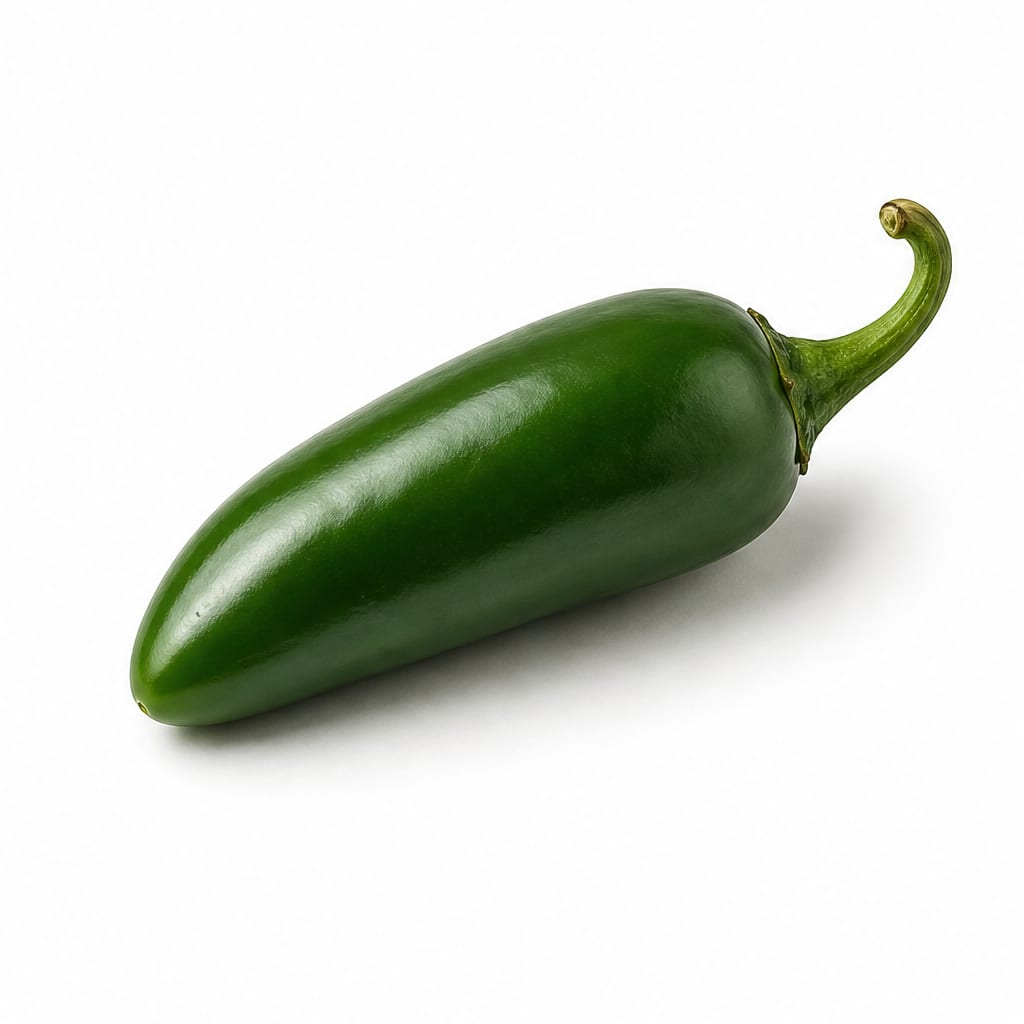
Compare with
Jalapeno
Jalapenos are simply a milder, larger variety of chili pepper with similar nutritional benefits but less intense heat.
Jalapenos offer the same metabolism-boosting benefits as hotter chilies but are easier to consume in larger amounts due to milder heat.
This food
Chili Pepper
VS80% alike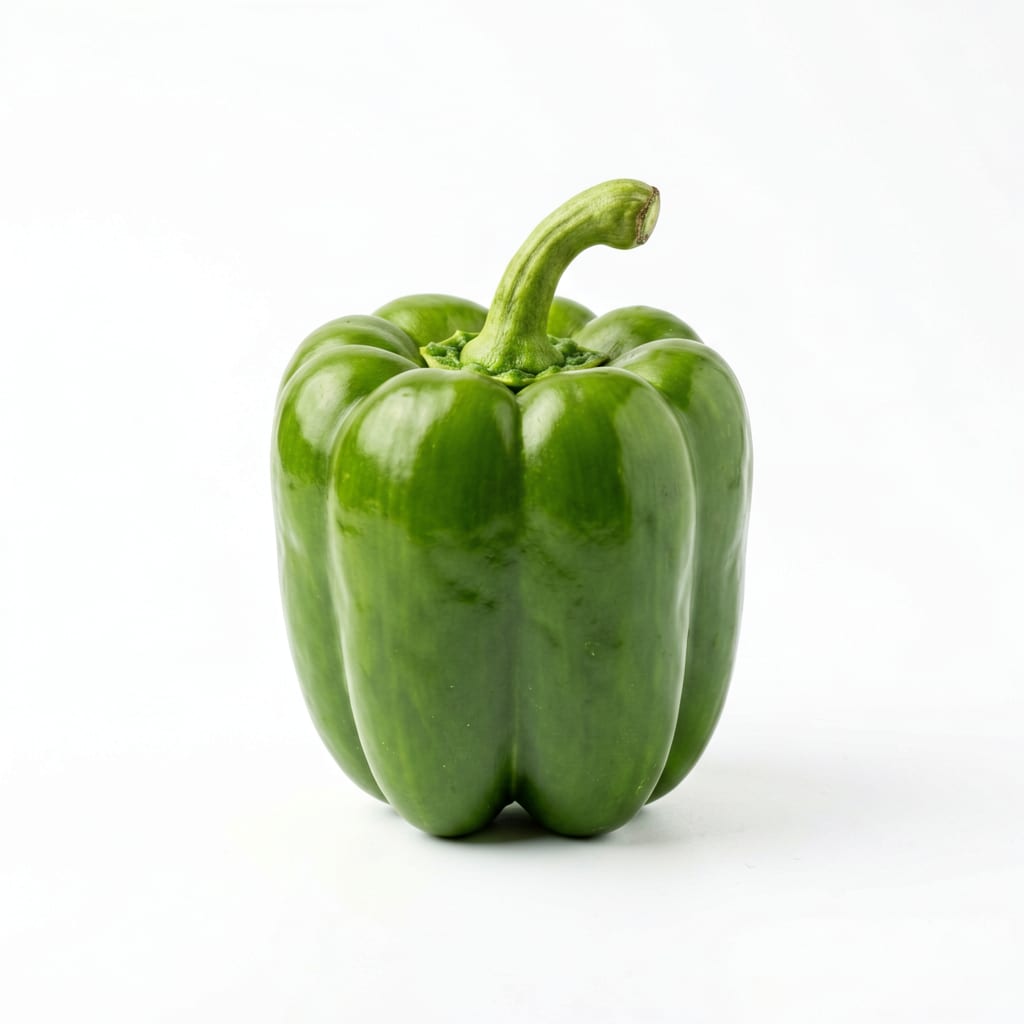
Compare with
Bell Pepper
Bell peppers are sweeter, larger, and lack capsaicin but offer much higher vitamin C per serving.
Chili peppers provide capsaicin for a metabolic boost, while bell peppers offer more volume and vitamin C without the heat.
This food
Chili Pepper
VS90% alike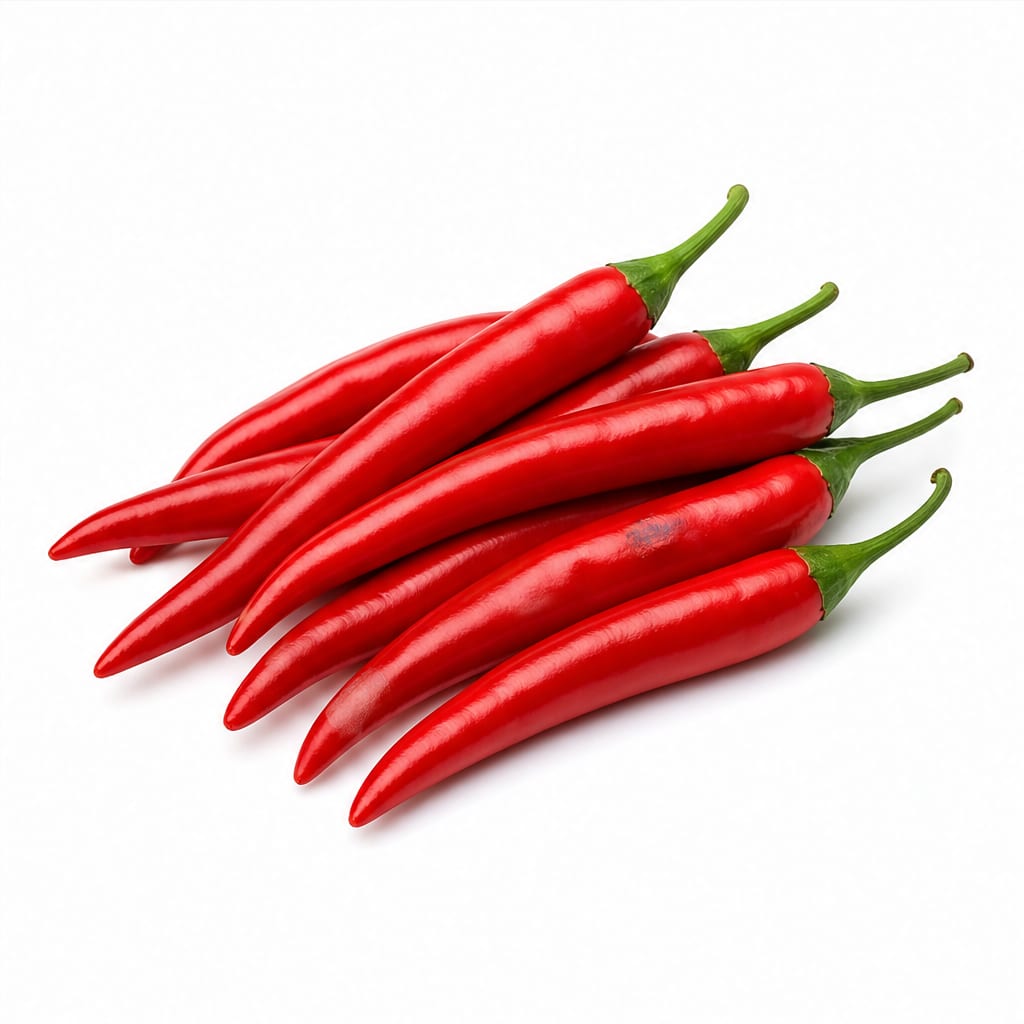
Compare with
Cayenne Pepper
Cayenne is simply a dried and ground chili pepper, offering a more concentrated dose of capsaicin per gram.
Cayenne provides a more concentrated capsaicin dose per serving, while fresh chilies offer more vitamin C and water volume.
This food
Chili Pepper
VS85% alike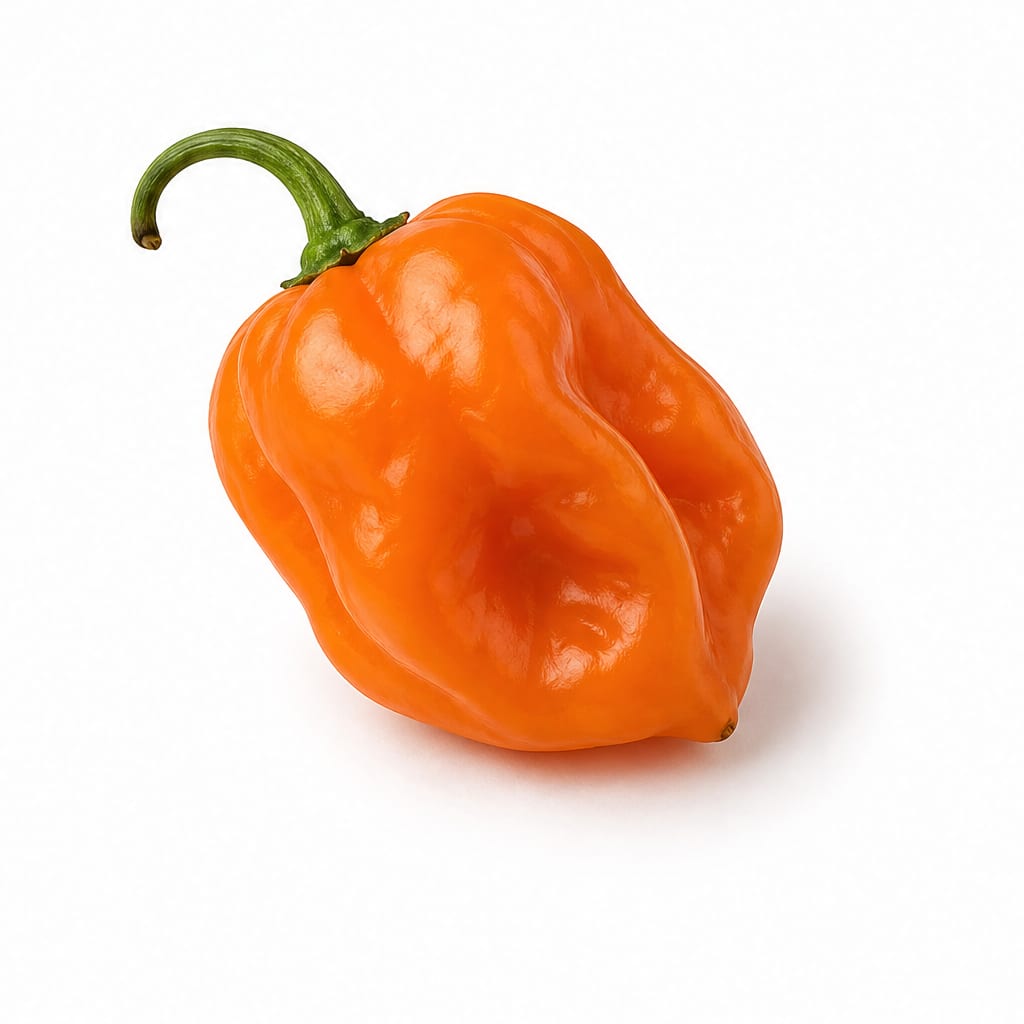
Compare with
Habanero
Habaneros are significantly hotter than typical chilies, meaning you eat less volume but get more capsaicin per gram.
Habaneros deliver a much stronger capsaicin hit for metabolism, but standard chilies are easier to incorporate into meals.
This food
Chili Pepper
VS95% alike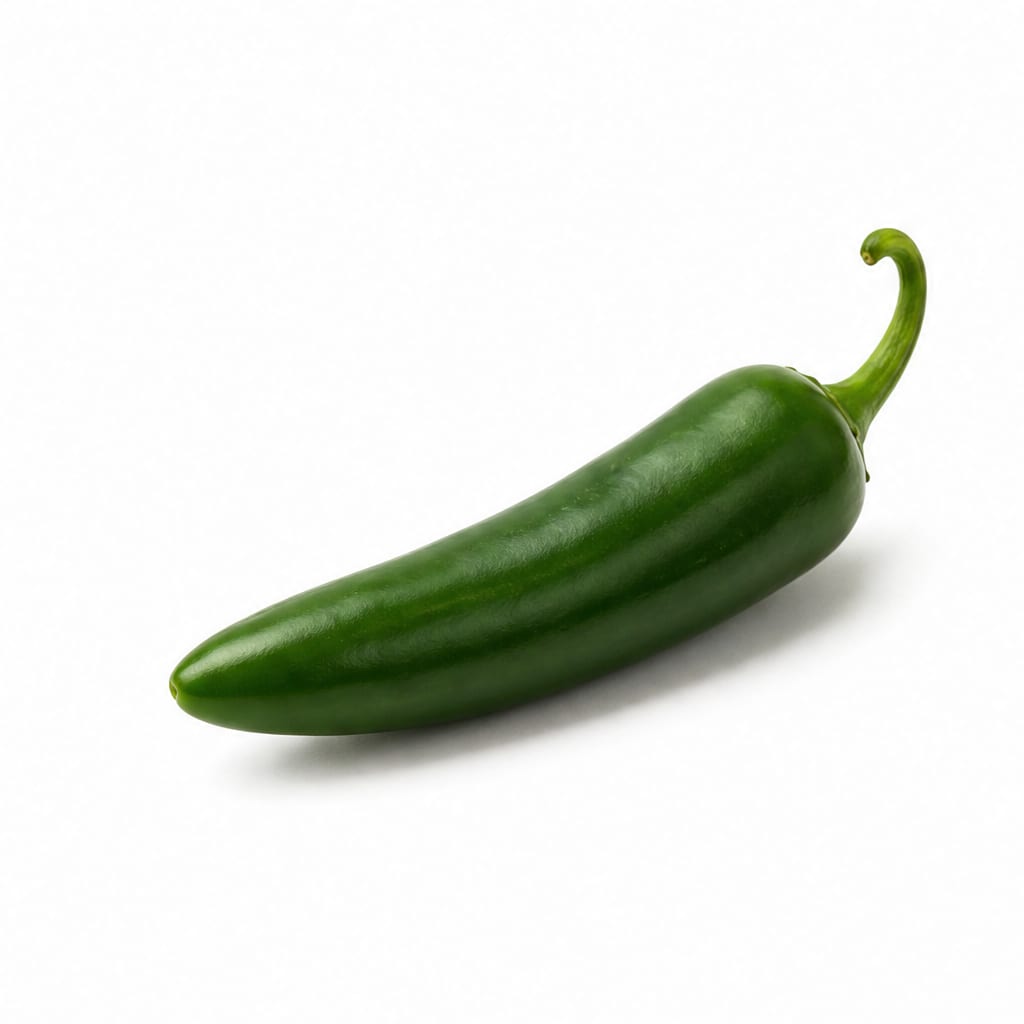
Compare with
Serrano
Serranos are similar to jalapenos but hotter and smaller, with nearly identical macronutrient profiles.
Serranos and standard chilies are nutritionally identical, with the choice coming down to preferred heat level.
This food
Chili Pepper
VS70% alike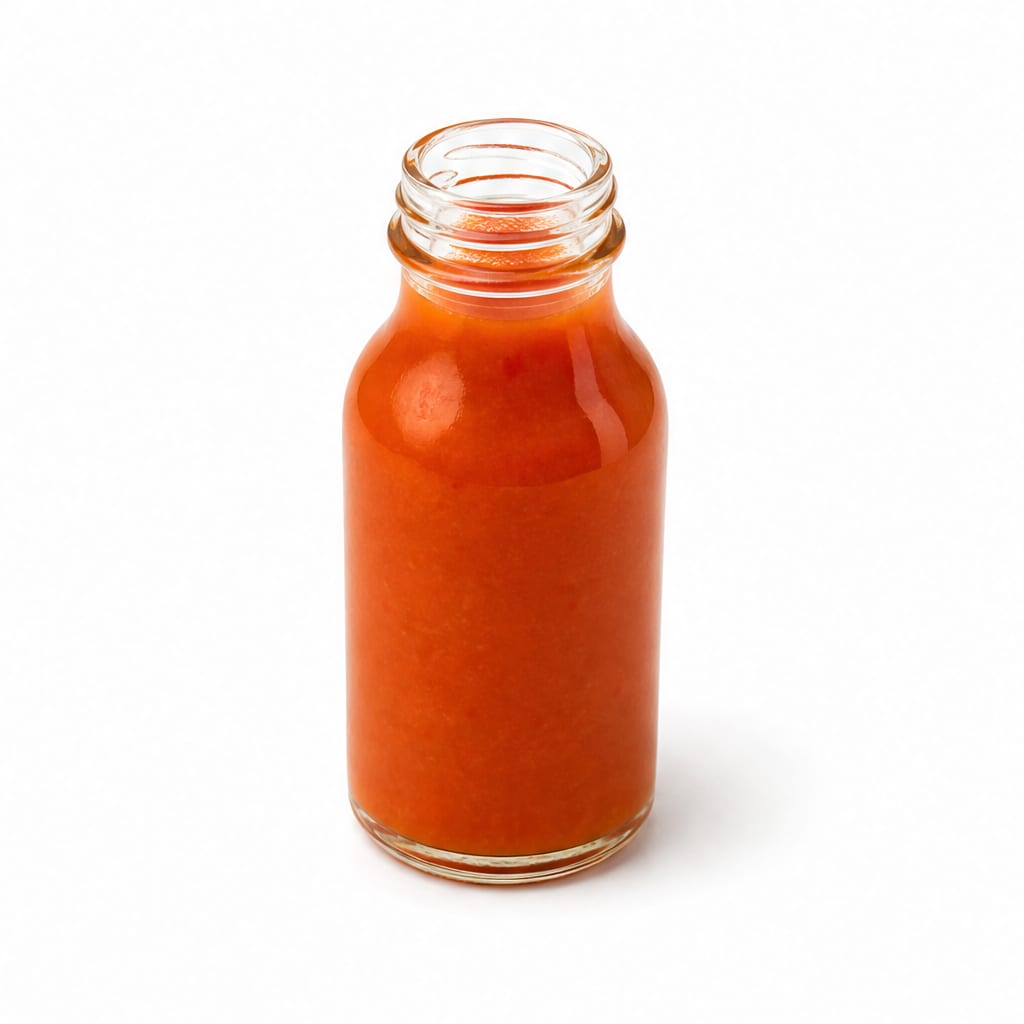
Compare with
Hot Sauce
Hot sauce is made from chilies but often adds sodium and vinegar, losing the whole food fiber and vitamins.
Fresh chili peppers provide fiber and vitamin C without the added sodium found in most hot sauces.
This food
Chili Pepper
VS50% alike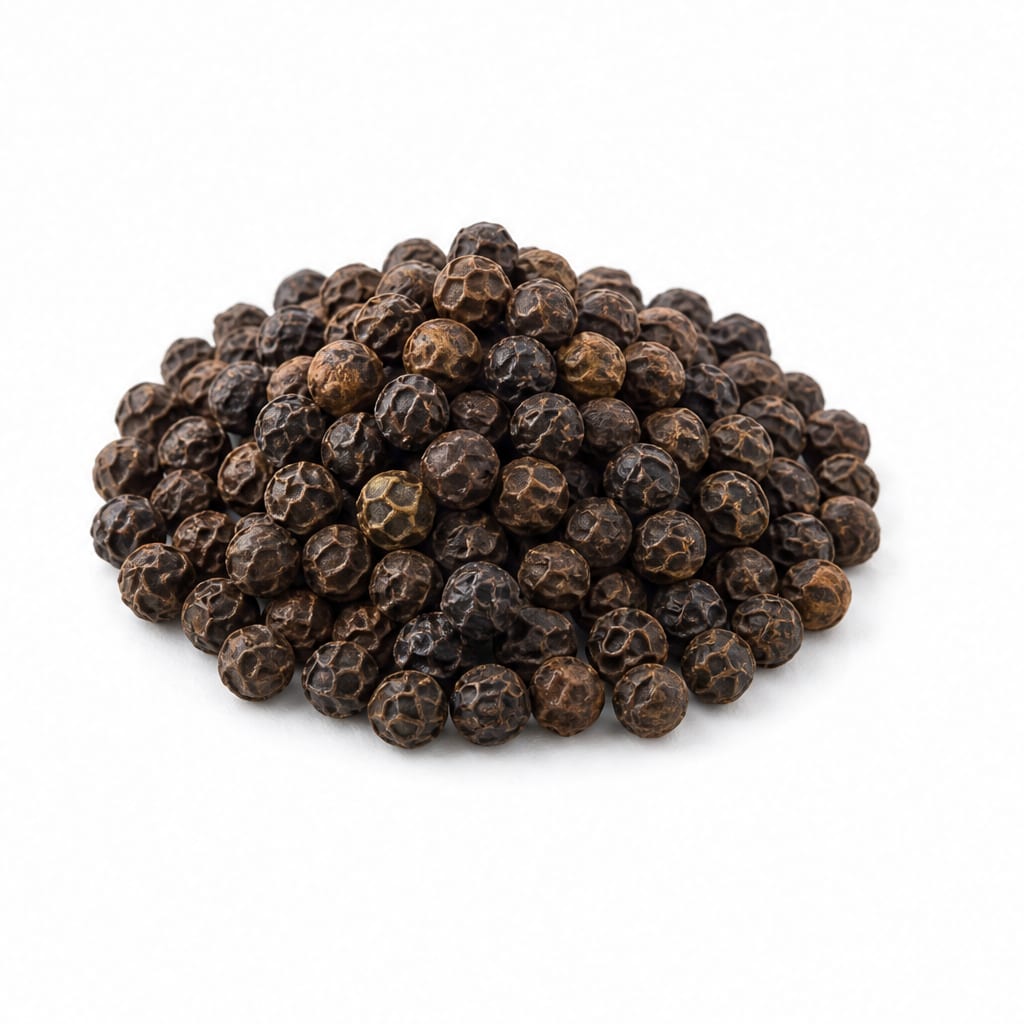
Compare with
Black Pepper
Black pepper contains piperine, not capsaicin, and is used in smaller quantities as a seasoning rather than a food.
Chili peppers offer metabolic benefits from capsaicin and can be eaten as a vegetable, whereas black pepper is just a seasoning.
This food
Chili Pepper
VS60% alike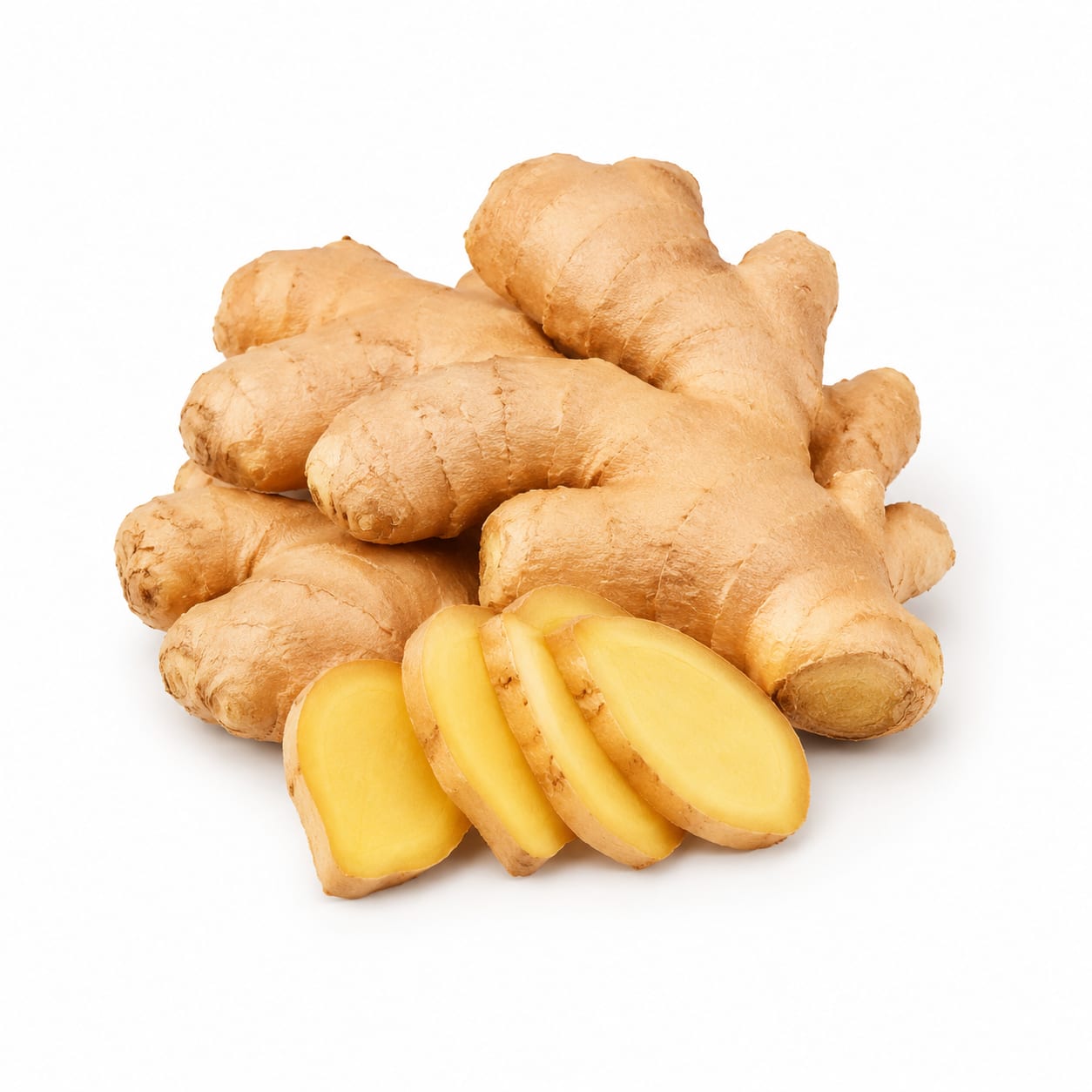
Compare with
Ginger
Ginger provides a different type of heat (gingerol) and is known for anti-nausea effects, while chilies boost metabolism.
Chili peppers are better for metabolic stimulation via capsaicin, while ginger is superior for digestive soothing.
This food
Chili Pepper
VS65% alike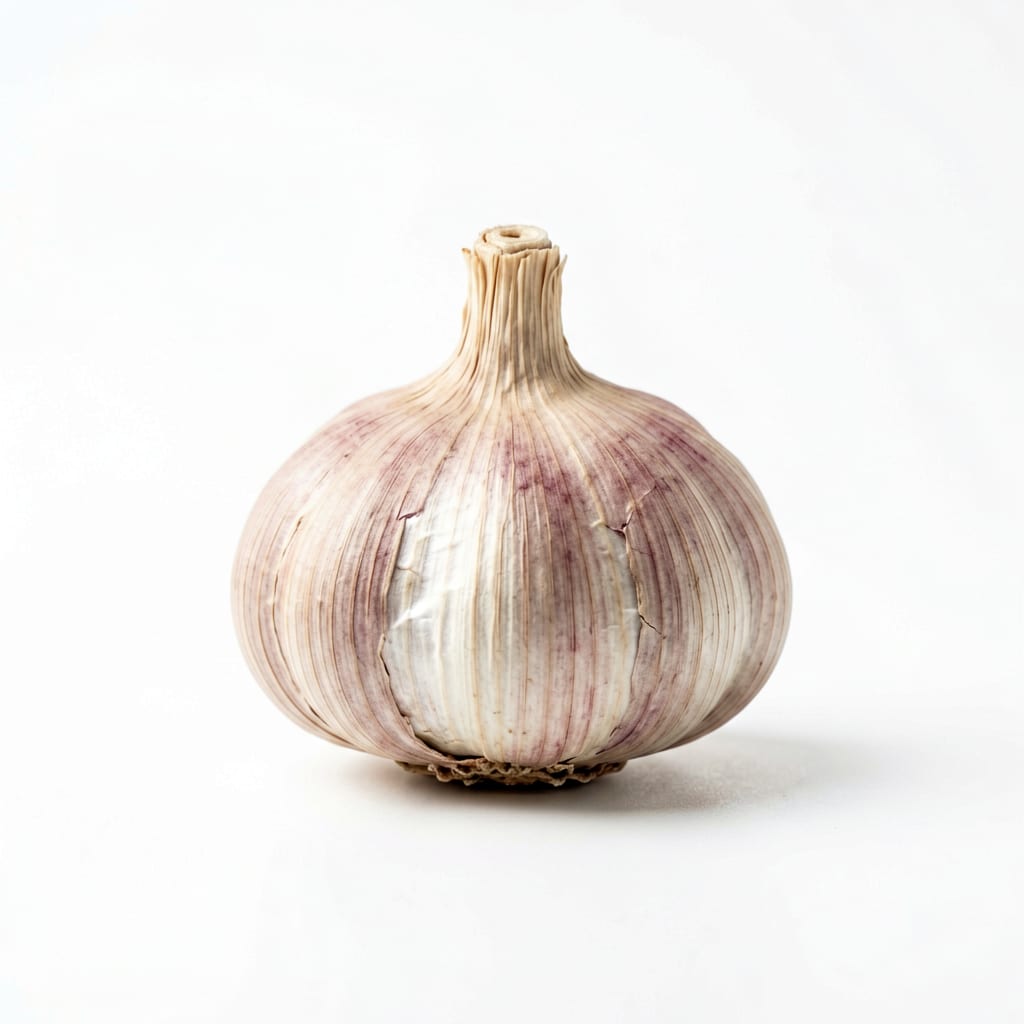
Compare with
Garlic
Garlic offers allicin for immune support, while chilies offer capsaicin for metabolism; both are low-calorie flavor enhancers.
Both are excellent low-calorie flavor boosters, but chili peppers uniquely increase metabolic rate through capsaicin.
This food
Chili Pepper
VS90% alike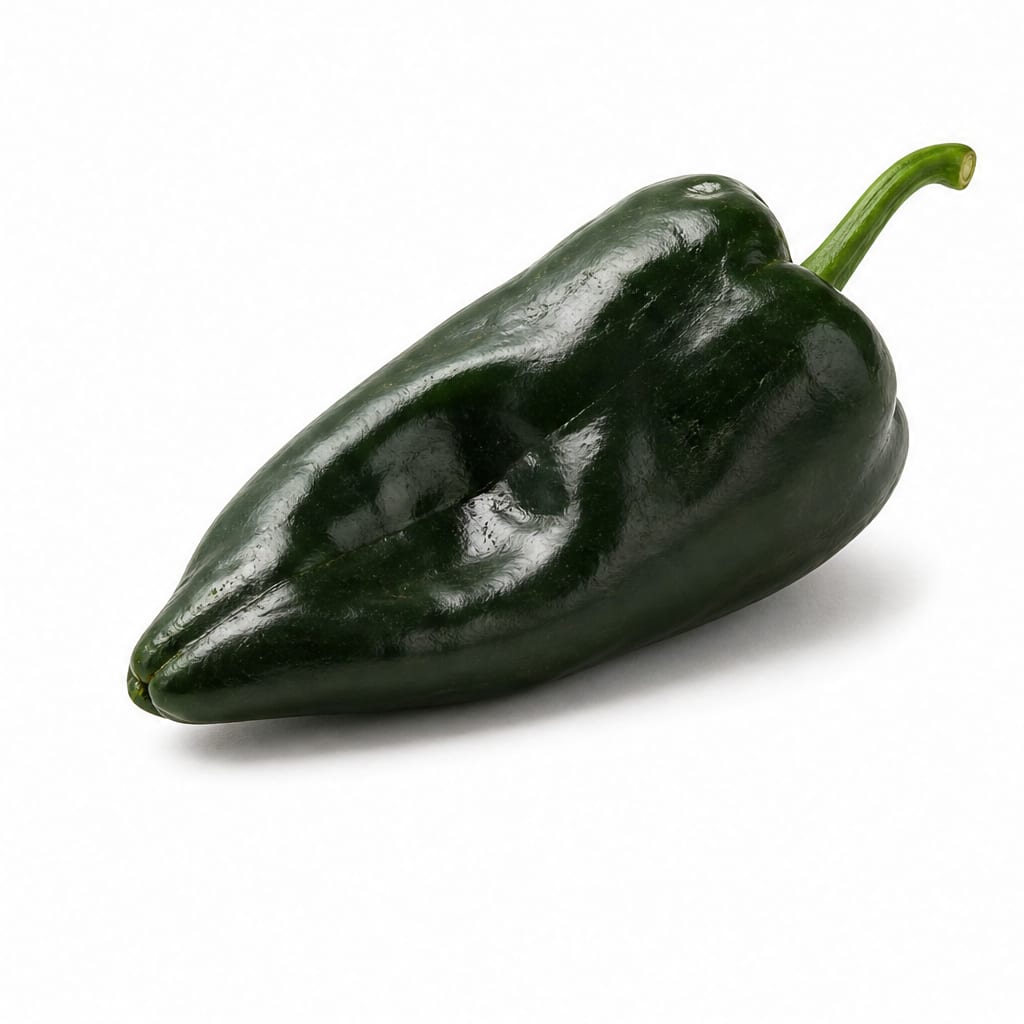
Compare with
Poblano
Poblanos are larger, milder chilies, making them better for stuffing, with slightly lower capsaicin content than standard chilies.
Poblanos offer more food volume and milder heat for stuffing, while standard chilies provide a stronger metabolic kick.
Common questions
FAQ
Answers aligned with how people search for this food.
Are chili peppers good for weight loss?
Yes, they are very low in calories and capsaicin may slightly boost metabolism and reduce appetite.
Do chili peppers boost your metabolism?
Capsaicin, the active compound in chili peppers, can cause a small, temporary increase in metabolic rate and fat burning.
Can diabetics eat chili peppers?
Yes, chili peppers have a very low glycemic index and some evidence suggests capsaicin may help improve insulin sensitivity.
Do chili peppers cause stomach ulcers?
No, this is a myth. Capsaicin might actually help protect the stomach lining, though it can irritate existing ulcers or acid reflux in some people.
Are chili peppers anti-inflammatory?
Yes, capsaicin has well-documented anti-inflammatory properties when consumed in moderate amounts.
Which chili pepper is the healthiest?
All fresh chili peppers offer similar nutritional benefits like vitamin C and capsaicin, but milder varieties like jalapenos are easier to consume in larger quantities.
How many calories are in a chili pepper?
A typical medium chili pepper contains only about 4 to 6 calories.
Can eating too many chili peppers be harmful?
Yes, excessive consumption can cause gastrointestinal distress, heartburn, and aggravate existing stomach conditions like IBS or ulcers.
Transparency
Data confidence
Estimated confidence for nutrition data, interpretation, safety notes, and comparisons.
Nutrition data
Health analysis
Food safety
Comparisons