
Nutrition comparison
Chili Pepper vs Cayenne Pepper: Nutrition, Heat, and Best Uses
Comparing Chili Pepper and Cayenne Pepper? Learn the key differences in nutrition, heat intensity, and culinary uses to decide which is right for your meal.
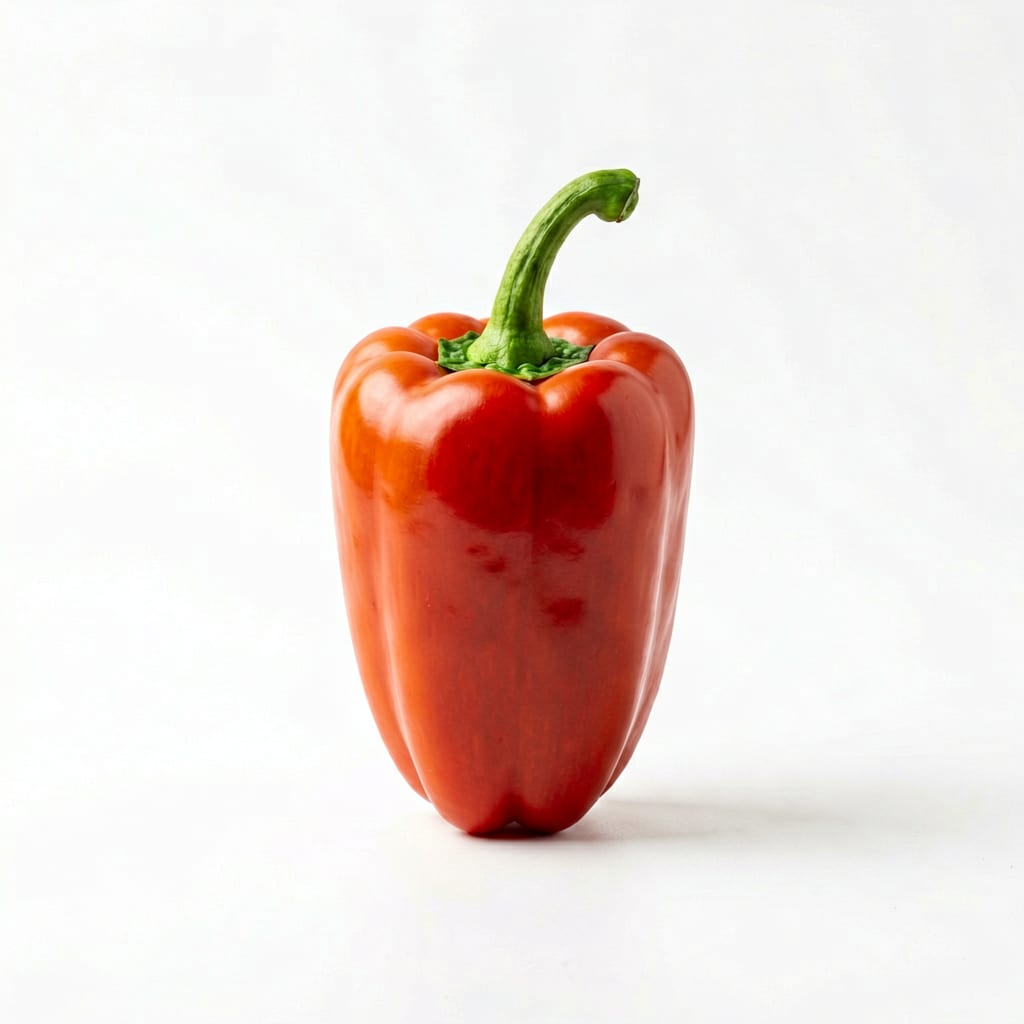
Chili Pepper
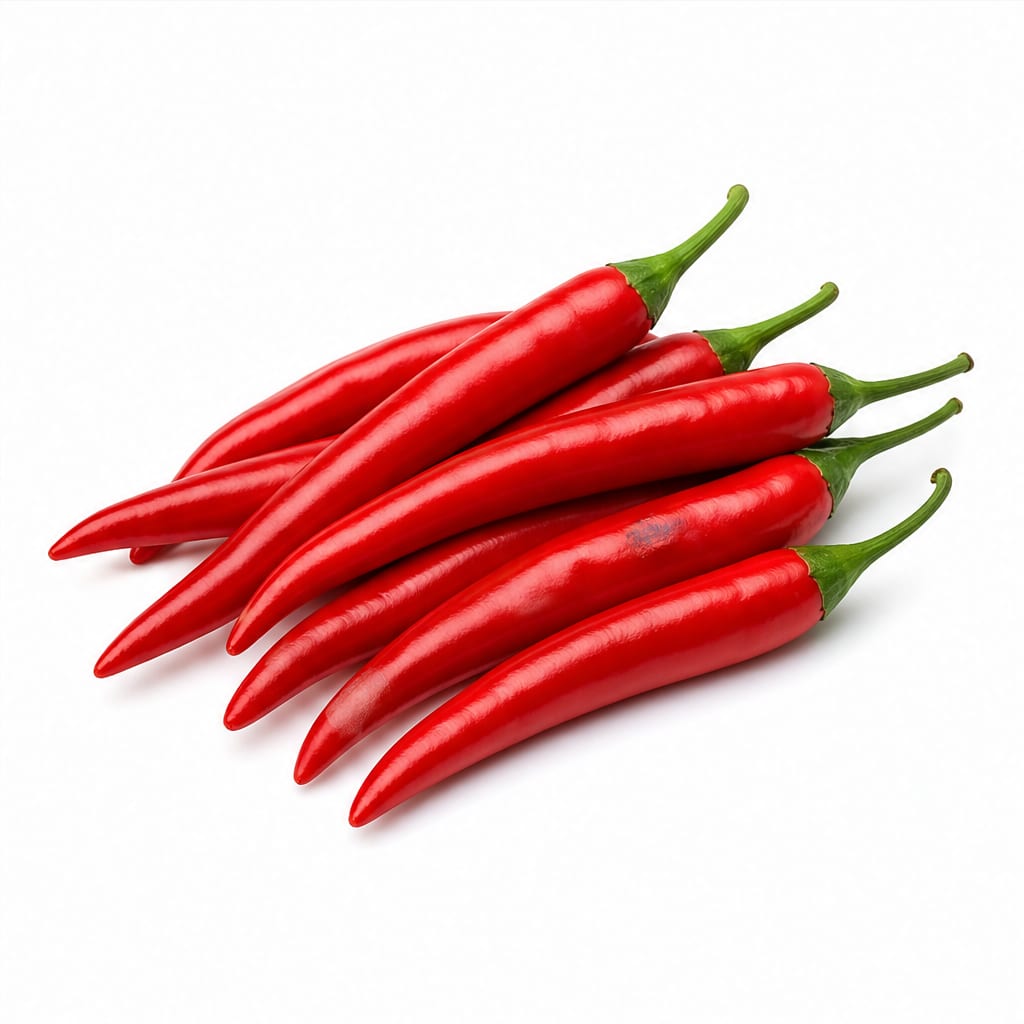
Cayenne Pepper
Chili Pepper delivers fresh crunch and Vitamin C, while Cayenne Pepper offers a shelf-stable, concentrated heat hit that is easy to sprinkle on anything.
Chili Pepper scores slightly higher for whole-food nutrition, but Cayenne Pepper is practically indispensable in the kitchen. The close scores reflect their completely different culinary roles.
Fresh whole-food nutrition versus convenient, intense spice powder.
At a glance
Executive summary
Overall
It depends
Healthier
Chili Pepper
More practical
Cayenne Pepper
Daily use
It depends
Key comparison lenses
Culinary form and usage
Chili Pepper is typically used as a fresh whole ingredient, while Cayenne Pepper is a dried, ground spice, making their kitchen roles completely different.
Heat intensity and capsaicin concentration
Cayenne Pepper delivers a much more concentrated dose of capsaicin per gram, impacting both flavor and physiological effects differently than fresh chilies.
Nutrient delivery
Fresh Chili Pepper provides water and Vitamin C, whereas Cayenne Pepper offers concentrated Vitamin A, but the tiny serving sizes of the spice change the actual nutrient intake.
Kitchen convenience and shelf life
Cayenne Pepper is a ready-to-use pantry staple, while fresh Chili Peppers require prep and spoil quickly.
Best choice for
Chili Pepper
- Adding bulk and crunch to stir-fries
- Getting a fresh Vitamin C boost
- People who want controllable, moderate heat
Cayenne Pepper
- Quick seasoning for eggs, meats, and soups
- Dry rubs for grilling
- Maximizing capsaicin intake without eating large volumes
Least suitable for
Chili Pepper
- Dry spice blends
- People who hate prep work and chopping
Cayenne Pepper
- Dishes requiring fresh texture
- People sensitive to concentrated capsaicin
Deep comparison
Dimension by dimension
Each lens scores both foods and breaks down who each option suits.
- Dimension 1 · Priority 85Chili Pepper
Nutritional Delivery
Chili Pepper · 85Cayenne Pepper · 70Chili Pepper provides meaningful amounts of Vitamin C and hydration because you eat it in larger quantities. Cayenne Pepper has concentrated Vitamin A, but you consume so little that the actual nutrient payload is tiny.
Tradeoff
You get more actual vitamins from eating a whole fresh chili, but more concentrated antioxidants per gram from the dried spice.
Why it matters
Serving size dictates real-world nutrition. A pinch of spice cannot replace the nutritional bulk of a fresh vegetable.
Real-world impact
Eating fresh chilies supports your immune system with Vitamin C, while cayenne mostly just adds flavor and heat.
Chili Pepper
- Stir-fries and salsas
- Vitamin C supplementation
- Hydration and bulk
Better for
- Long-term pantry storage
- Zero-prep cooking
Worse for
Cayenne Pepper
- Dry rubs and spice mixes
- Quick meal flavoring
- Capsaicin supplementation
Better for
- Dishes needing fresh crunch
- Sensitive stomachs
Worse for
- Dimension 2 · Priority 90Cayenne Pepper
Heat and Capsaicin Density
Chili Pepper · 65Cayenne Pepper · 95Cayenne Pepper is intensely hot per gram, making it the most efficient way to add fiery heat and capsaicin to a meal.
Tradeoff
Cayenne gives you massive heat with zero volume, but it is much easier to accidentally over-spice your food.
Why it matters
If you are using spice for metabolic benefits or intense flavor, concentration matters. If you want a milder, edible vegetable, fresh is better.
Real-world impact
A single dash of cayenne can overpower a dish, while a whole jalapeño adds manageable, flavorful heat.
Chili Pepper
- Mild, enjoyable snacking
- Layered flavor profiles
- Controllable cooking heat
Better for
- Extreme heat challenges
- Capsaicin supplement replacement
Worse for
Cayenne Pepper
- Thermogenic metabolism boosts
- Fiery hot sauces
- Small-dose heat injection
Better for
- Subtle flavor balancing
- Raw salad additions
Worse for
- Dimension 3 · Priority 80Cayenne Pepper
Convenience and Shelf Life
Chili Pepper · 55Cayenne Pepper · 95Cayenne Pepper sits ready in your pantry for years. Chili Peppers require washing, chopping, and will spoil in the fridge within a week or two.
Tradeoff
You trade the vibrant, fresh flavor of a whole pepper for the grab-and-go ease of a dried powder.
Why it matters
Convenience dictates what you actually reach for on a busy Tuesday morning.
Real-world impact
Sprinkling cayenne on your avocado toast takes two seconds; dicing a fresh chili takes prep and cleanup.
Chili Pepper
- Meal prep sessions
- Weekend cooking
- Showcase ingredient dishes
Better for
- Spontaneous quick seasoning
- Zero-waste lifestyles
Worse for
Cayenne Pepper
- Rush-hour breakfasts
- Backpacking and camping
- Emergency pantry meals
Better for
- Gourmet fresh presentations
- Farmer's market aesthetics
Worse for
- Dimension 4 · Priority 75Chili Pepper
Digestive Tolerance
Chili Pepper · 75Cayenne Pepper · 60Because Cayenne Pepper is a concentrated powder, it can easily irritate the stomach lining if overused. Fresh Chili Pepper distributes its heat more gently within its water content.
Tradeoff
The dried powder hits the digestive tract harder and faster, while the fresh pepper gives a slower, more buffered release.
Why it matters
If you have a sensitive stomach, how the heat is delivered matters just as much as how hot it is.
Real-world impact
A heavy dash of cayenne on an empty stomach can cause heartburn, whereas a cooked fresh chili is usually better tolerated.
Chili Pepper
- Easier digestion
- Buffered capsaicin release
- Sensitive stomachs
Better for
- Slow metabolic triggers
Worse for
Cayenne Pepper
- Fast-acting appetite suppression
- Quick metabolism spikes
Better for
- Acid reflux triggers
- Empty-stomach snacking
Worse for
Timeline
Health impact over time
Short-term
Hours to days
Chili Pepper
- Immediate metabolism boost
- Clearing sinuses
- Vitamin C absorption
Cayenne Pepper
- Rapid thermogenic effect
- Potential stomach irritation if too much is used
- Quick appetite suppression
Long-term
Months to years
Chili Pepper
- Improved cardiovascular health from regular capsaicin
- Better immunity from consistent Vitamin C intake
Cayenne Pepper
- Sustained metabolic benefits from daily capsaicin
- Possible GI discomfort with heavy daily use
Risk profile
Safety & processing
Both are natural, whole-plant products. Cayenne Pepper is simply dried and ground, though cheaper commercial brands may contain anti-caking agents or fillers.
Chili Pepper
Spoilage and Mold
mediumFresh Chili Peppers can develop mold if stored too long in the fridge, which can produce toxins.
Cross-contamination
lowHandling fresh peppers and touching your eyes can cause severe capsaicin burns.
Cayenne Pepper
Adulteration and Heavy Metals
mediumGround spices like Cayenne Pepper are occasionally subject to adulteration with lead chromate or other color enhancers in some supply chains.
Inhalation Irritation
lowInhaling Cayenne Pepper powder while cooking can irritate the throat and lungs.
Who wins for whom
Audience fit
Same foods, different winners depending on your goal.
children
Chili PepperMild fresh Chili Peppers (like bell peppers or poblanos) can be introduced easily, whereas Cayenne Pepper is too intense and concentrated for kids.
daily consumption
Cayenne PepperIt is much easier to dash Cayenne Pepper on daily meals than to prep and cook fresh Chili Peppers every day.
diabetes
It dependsBoth have zero glycemic impact and capsaicin may improve insulin sensitivity, but neither is a diabetes treatment.
elderly
Cayenne PepperCayenne Pepper requires no chewing and can easily flavor softer foods, though it should be used sparingly to avoid stomach upset.
muscle gain
It dependsNeither is a primary muscle-building food, but both add flavor to high-protein meals without extra calories.
weight loss
Cayenne PepperCayenne Pepper is an effortless, zero-calorie way to boost metabolism and flavor bland diet foods without adding bulk.
Your move
Decision guide
Choose Chili Pepper
- You are cooking a stir-fry, curry, or salsa that benefits from fresh texture
- You want a milder, more controllable heat
- You are looking to boost your Vitamin C intake
Choose Cayenne Pepper
- You need a quick, shelf-stable heat source for eggs, soups, or meats
- You are making a dry rub or marinade
- You want maximum capsaicin without eating a whole vegetable
Either works if
- You just want to add a spicy kick to your meal
- You are looking for metabolic and cardiovascular benefits from capsaicin
Avoid both if
- You have severe GERD, IBS, or stomach ulcers
- You are highly sensitive to spicy foods
Final recommendation
Keep both in your kitchen. Use fresh Chili Peppers when texture and freshness matter, and rely on Cayenne Pepper for effortless, everyday heat.
Practical
Consumer tips
- 1
Wear gloves when chopping fresh Chili Peppers to avoid burning your skin or eyes.
- 2
Start with a tiny pinch of Cayenne Pepper and taste-test; you can always add more, but you cannot take it away.
- 3
Store fresh Chili Peppers in a paper bag in the crisper drawer to extend their shelf life.
- 4
Buy high-quality, organic Cayenne Pepper to avoid potential heavy metal contamination or artificial color fillers.