
Nutrition comparison
Chili Pepper vs Garlic: Which Spice Is Better for Your Health?
Compare chili pepper and garlic for anti-inflammatory power, heart health, weight loss, and daily use. Learn which one wins for your specific health goals and when to use both.
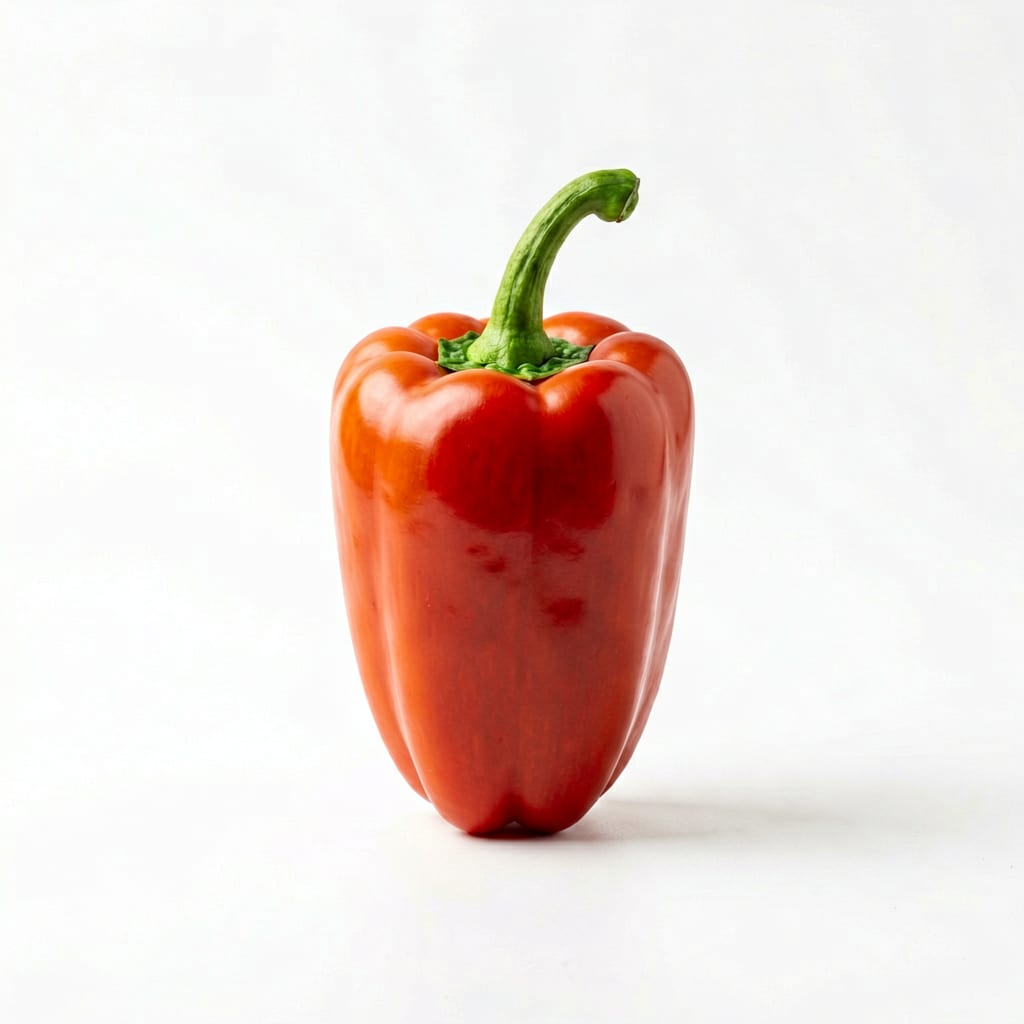
Chili Pepper
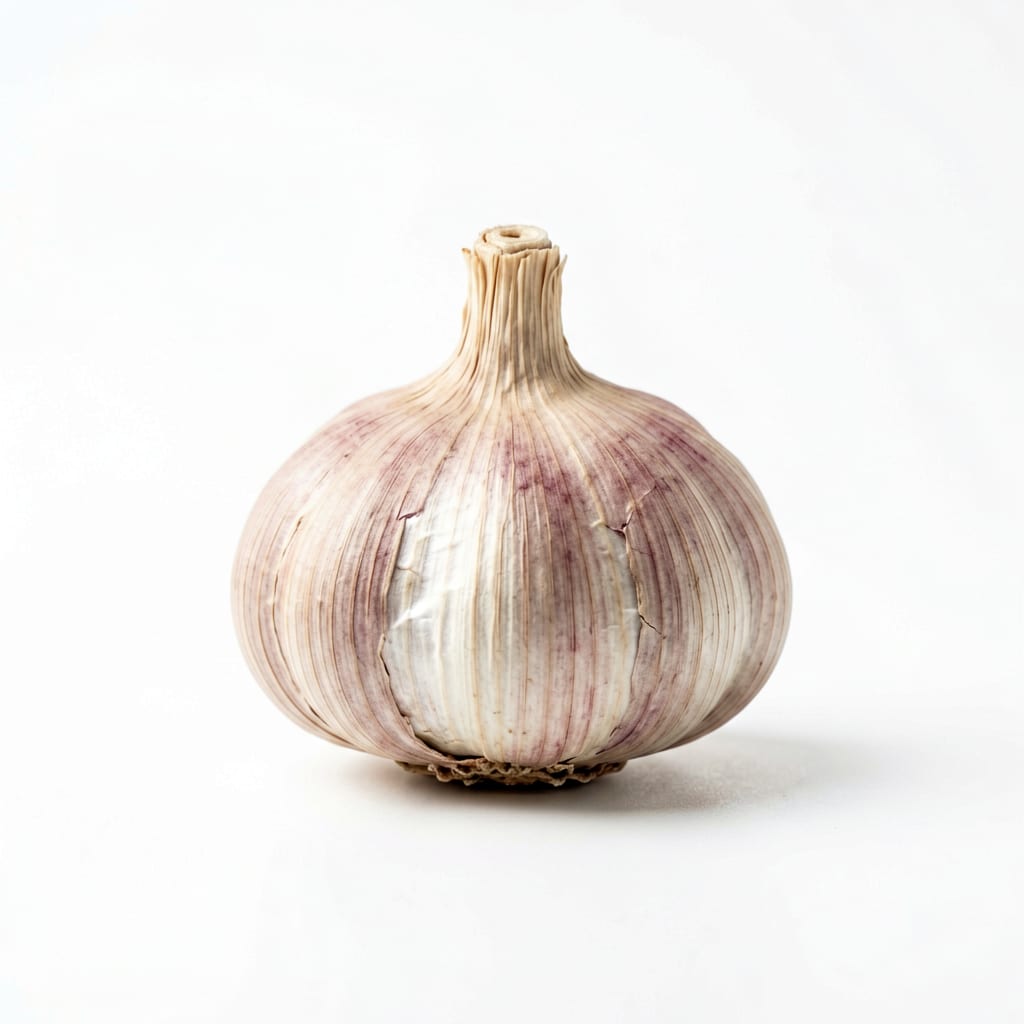
Garlic
Garlic wins for daily cardiovascular and immune support with broader safety margins, while chili pepper excels for metabolic boost and pain management but carries higher digestive risks.
Garlic scores higher due to stronger long-term cardiovascular evidence, better digestive tolerance for most people, and easier daily incorporation. Chili pepper remains powerful for specific goals like metabolic stimulation and pain relief but its higher GI irritation risk and narrower tolerance window lower its everyday usability score.
Chili pepper delivers stronger acute metabolic and anti-inflammatory effects but irritates more people's stomachs; garlic offers steadier, gentler cumulative benefits with a medication interaction caveat.
At a glance
Executive summary
Overall
It depends
Healthier
Garlic
More practical
Garlic
Daily use
Garlic
Key comparison lenses
Which is better for daily health-boosting as a spice?
Both are common kitchen staples people use specifically for their health benefits beyond flavor
Which has stronger anti-inflammatory and immune benefits?
Capsaicin and allicin are both renowned bioactive compounds with distinct mechanisms
Which is gentler on the digestive system for regular use?
Both can cause GI distress but through different pathways, a key daily-use concern
Which is safer for long-term daily consumption?
Medication interactions and tolerance thresholds differ significantly between these two
Which supports metabolic and cardiovascular health more effectively?
Both claim heart and metabolism benefits but evidence strength varies
Best choice for
Chili Pepper
- People seeking metabolic boost and appetite control
- Those managing localized pain or arthritis symptoms
- Anyone wanting to add heat and flavor without sodium
- Athletes looking for thermogenic support
Garlic
- People focused on long-term heart health and cholesterol
- Anyone wanting steady immune system support
- Those who tolerate alliums well and cook daily
- People seeking gentle anti-inflammatory benefits without GI irritation
Least suitable for
Chili Pepper
- People with IBS, acid reflux, or sensitive stomachs
- Those on blood thinners who also consume large amounts
- Children who cannot tolerate heat
- Anyone with hemorrhoid or ulcer conditions
Garlic
- People on blood-thinning medications like warfarin
- Those with GERD triggered by alliums
- People preparing for surgery within two weeks
- Anyone with allium allergies or intolerances
Deep comparison
Dimension by dimension
Each lens scores both foods and breaks down who each option suits.
- Dimension 1 · Priority 92Chili Pepper
Anti-inflammatory Power
Chili Pepper · 85Garlic · 78Chili pepper's capsaicin is a more potent acute anti-inflammatory, while garlic's allicin works through gentler cumulative pathways.
Tradeoff
Chili pepper acts faster and stronger on pain and inflammation but can cause the very irritation you are trying to fight; garlic is slower but steadier without the burn.
Why it matters
Chronic inflammation drives most modern disease. Choosing the right anti-inflammatory food depends on whether you need quick relief or long-term management.
Real-world impact
Rub capsaicin cream on arthritic joints and you feel relief within days. Eat garlic daily for months and your CRP markers quietly improve.
Chili Pepper
- Acute pain flare-ups and joint inflammation
- Topical anti-inflammatory applications
- Quick-acting needs
Better for
- People whose inflammation includes GI tract irritation
- Those who experience heartburn from spicy food
Worse for
Garlic
- Chronic low-grade inflammation management
- Whole-body systemic inflammation reduction
- Long-term daily anti-inflammatory strategy
Better for
- Situations requiring rapid anti-inflammatory action
- People who cannot tolerate raw garlic's bite
Worse for
- Dimension 2 · Priority 90Garlic
Cardiovascular Health
Chili Pepper · 68Garlic · 88Garlic has substantially more evidence for lowering blood pressure and improving cholesterol, while chili pepper's cardiovascular benefits are emerging but less proven.
Tradeoff
Garlic is a daily heart-health champion with decades of research behind it; chili pepper helps circulation but cannot match garlic's lipid-lowering track record.
Why it matters
Heart disease remains the leading cause of death worldwide. Food-based prevention matters more than most people realize.
Real-world impact
Aged garlic extract has been shown to lower blood pressure comparably to standard medications in some studies. Chili pepper improves circulation but the evidence is less dramatic.
Chili Pepper
- Improving peripheral circulation quickly
- Mild blood pressure support through vasodilation
Better for
- People needing reliable cholesterol management through diet
- Those who want proven heart outcomes
Worse for
Garlic
- Lowering LDL cholesterol over time
- Reducing blood pressure consistently
- Preventing arterial plaque formation
- Reducing blood clot risk
Better for
- People already on blood thinners where additive effects are dangerous
Worse for
- Dimension 3 · Priority 85Chili Pepper
Metabolic Boost and Weight Management
Chili Pepper · 86Garlic · 62Chili pepper's capsaicin genuinely increases thermogenesis and reduces appetite, making it a more effective metabolic tool than garlic.
Tradeoff
Chili pepper burns more calories and curbs hunger but the effect is modest and fades with regular use; garlic has minimal direct metabolic impact.
Why it matters
Even a small metabolic edge compounds over months. For people struggling with appetite, every natural tool counts.
Real-world impact
Adding chili pepper to meals can increase calorie burn by roughly 50 calories per day and reduce subsequent food intake. Garlic does not meaningfully move this needle.
Chili Pepper
- Active weight loss phases
- Appetite control between meals
- Thermogenic support during exercise
- Breaking through weight loss plateaus
Better for
- People who build capsaicin tolerance quickly
- Those who overeat because spicy food makes food more rewarding
Worse for
Garlic
- Indirect weight support through better insulin sensitivity
Better for
- Anyone seeking a noticeable metabolic boost
Worse for
- Dimension 4 · Priority 82Garlic
Immune System Support
Chili Pepper · 72Garlic · 84Garlic's antimicrobial and immunomodulatory effects are broader and better documented than chili pepper's, which primarily stimulates circulation and mucus flow.
Tradeoff
Garlic fights more types of pathogens directly; chili pepper mainly helps by thinning mucus and increasing blood flow to infected areas.
Why it matters
During cold and flu season, people reach for both but garlic has more mechanisms of action working in your favor.
Real-world impact
Regular garlic eaters get fewer colds and recover faster when they do. Chili pepper helps clear congestion quickly but does not prevent illness as effectively.
Chili Pepper
- Clearing sinus congestion fast
- Breaking up mucus during active illness
Better for
- Prevention-focused immune strategies
- People whose stomachs are already upset from illness
Worse for
Garlic
- Preventing common colds and infections
- Fighting bacterial and fungal pathogens directly
- Supporting immune cell function long-term
Better for
- Immediate symptom relief during active congestion
Worse for
- Dimension 5 · Priority 88Garlic
Digestive Tolerance
Chili Pepper · 48Garlic · 72Garlic is gentler on most digestive systems, though both can cause problems. Chili pepper is a known GI irritant for a significant portion of people.
Tradeoff
Chili pepper can actively damage sensitive stomach linings and worsen reflux; garlic may cause bloating and heartburn but is less directly irritating to tissue.
Why it matters
A health food that hurts your stomach is not a health food for you. Tolerance determines whether you can actually sustain the habit.
Real-world impact
Many people abandon chili pepper because of heartburn, stomach pain, or bathroom urgency. Garlic causes occasional bloating but rarely forces people to quit.
Chili Pepper
- People with robust digestion who tolerate heat well
- Those who want to stimulate digestion and gastric flow
Better for
- IBS sufferers
- People with GERD or peptic ulcers
- Those with hemorrhoids
- Anyone with gastritis
Worse for
Garlic
- People with sensitive stomachs who still want flavor
- Those prone to acid reflux or heartburn
- Anyone wanting daily use without GI worry
Better for
- People with FODMAP sensitivities
- Those who get garlic-specific heartburn
- People with SIBO
Worse for
- Dimension 6 · Priority 78Garlic
Culinary Versatility and Daily Use
Chili Pepper · 70Garlic · 82Garlic integrates into nearly every savory cuisine without overwhelming dishes, while chili pepper's heat limits where and how much you can use it.
Tradeoff
Garlic enhances almost any meal subtly; chili pepper transforms meals but restricts you to heat-tolerant dishes and audiences.
Why it matters
The healthiest spice is the one you actually use consistently. Versatility drives consistency.
Real-world impact
You can add garlic to breakfast eggs, lunch soup, and dinner pasta without anyone complaining. Chili pepper at breakfast is a harder sell.
Chili Pepper
- Cuisines where heat is expected and desired
- People who love spicy food and eat it at every meal
- Specific dishes that benefit from bold heat
Better for
- Cooking for spice-sensitive people
- Breakfast and light meals
- Delicate flavor profiles
Worse for
Garlic
- Broad culinary compatibility across all meals
- Cooking for mixed audiences including children
- Subtle flavor enhancement without dominating
- Raw and cooked applications
Better for
- Cuisines where garlic flavor is unwelcome
- People who find garlic overpowering in large amounts
Worse for
- Dimension 7 · Priority 80Chili Pepper
Safety and Medication Interactions
Chili Pepper · 75Garlic · 65Both have medication interactions but garlic's blood-thinning effect is more clinically significant and better documented, making it riskier for people on anticoagulants.
Tradeoff
Chili pepper has fewer dangerous drug interactions but more direct tissue irritation; garlic is gentler on tissue but more concerning with blood thinners and surgery.
Why it matters
Natural does not mean harmless. Both foods have real pharmacological activity that interacts with medications.
Real-world impact
Surgeons routinely ask patients to stop garlic supplements before procedures. Chili pepper rarely triggers the same concern despite its own mild blood-thinning effects.
Chili Pepper
- People on blood-thinning medications
- Pre-surgical patients
- Those who need to avoid additive anticoagulant effects
Better for
- People with bleeding disorders who also consume large amounts
Worse for
Garlic
- People with ulcer-prone stomachs
- Those with hemorrhoid conditions
- Anyone with active GI inflammation
Better for
- People taking warfarin, clopidogrel, or aspirin therapy
- Pre-operative patients
- Those on HIV protease inhibitors
Worse for
Timeline
Health impact over time
Short-term
Hours to days
Chili Pepper
- Immediate thermogenic boost increasing calorie expenditure slightly
- Clearing of sinus congestion and mucus thinning
- Potential stomach burning or heartburn in sensitive individuals
- Endorphin release creating a mild mood lift
- Sweating and flushing from vasodilation
Garlic
- Mild blood pressure reduction within hours of consumption
- Garlic breath and body odor within hours
- Possible heartburn or bloating especially with raw garlic
- Quick antimicrobial action in the mouth and throat
- Slight blood thinning effect detectable within a day
Long-term
Months to years
Chili Pepper
- Improved circulation and cardiovascular markers with regular use
- Possible reduction in neuropathic pain with consistent capsaicin exposure
- Risk of developing tolerance requiring higher doses for same effect
- Potential for chronic GI irritation if consumed in excess
- Modest long-term metabolic benefits that may diminish over time
Garlic
- Significant reduction in blood pressure and LDL cholesterol over months
- Enhanced immune function with fewer and shorter colds
- Cumulative anti-inflammatory benefits reducing chronic disease risk
- Possible increased bleeding risk requiring awareness before procedures
- Improved gut microbiome diversity with regular prebiotic fiber intake
Risk profile
Safety & processing
Both chili pepper and garlic are whole, minimally processed foods when purchased fresh or dried without additives. The main naturalness concern is that some dried chili products contain added sodium or preservatives, while pre-minced garlic often contains citric acid or phosphates. Fresh versions of both are as natural as food gets.
Chili Pepper
Capsaicin skin and eye irritation
mediumHandling chili peppers and touching your eyes can cause severe burning. Wear gloves when cutting hot varieties and wash hands thoroughly.
Contamination with aflatoxins in dried products
mediumDried chili peppers can develop aflatoxin-producing mold if stored improperly. Buy from reputable sources and store in cool, dry conditions.
Pesticide residue on conventionally grown peppers
lowChili peppers are not on the dirty dozen list but washing thoroughly or choosing organic reduces exposure.
Garlic
Botulism in improperly stored homemade garlic oil
highGarlic in oil creates anaerobic conditions where Clostridium botulinum thrives. Homemade garlic oil must be refrigerated and used within days. Commercial versions contain acidifiers.
Bleeding risk with anticoagulant medications
mediumGarlic compounds inhibit platelet aggregation. Combined with blood thinners, this can increase bleeding risk significantly. Consult your doctor if on anticoagulants.
Green sprouting garlic developing slightly higher concentrations of irritants
lowSprouted garlic is safe to eat but may cause more digestive upset. Remove the green sprout if sensitive.
Who wins for whom
Audience fit
Same foods, different winners depending on your goal.
children
GarlicMost children tolerate garlic well in moderate amounts, while chili pepper's heat is frequently rejected and can cause unnecessary GI distress in kids.
daily consumption
GarlicGarlic is easier to incorporate across all meals, better tolerated by more people, and has stronger evidence for cumulative daily health benefits without building tolerance.
diabetes
GarlicGarlic improves insulin sensitivity more consistently over time, while chili pepper's blood sugar benefits are less established and more variable between individuals.
elderly
GarlicGarlic's cardiovascular and immune benefits are especially valuable for older adults, though medication interaction awareness is critical. Chili pepper's GI irritation risk is higher in aging digestive systems.
muscle gain
It dependsNeither food directly supports muscle growth meaningfully. Chili pepper may slightly boost metabolism during training while garlic supports overall recovery through anti-inflammatory effects.
weight loss
Chili PepperCapsaicin increases thermogenesis and reduces appetite more directly than garlic, giving chili pepper a measurable edge for active weight management.
Your move
Decision guide
Choose Chili Pepper
- You want a metabolic and appetite-control edge during weight loss
- You struggle with sinus congestion or mild pain and want natural relief
- You love spicy food and already eat it without digestive issues
- You are on blood thinners and need a safer anti-inflammatory option than garlic
- You want a quick endorphin and mood boost from your food
Choose Garlic
- Heart health and cholesterol management are your top priorities
- You want broad immune support especially during cold season
- You need a flavor enhancer that works in every meal without overwhelming heat
- You have a sensitive stomach that cannot tolerate spicy food
- You want cumulative anti-inflammatory benefits without GI irritation
Either works if
- You want to add flavor without sodium or calories
- You are generally healthy and want to boost your cooking's health profile
- You are building an anti-inflammatory diet and want both mechanisms of action
- You cook at home daily and can rotate both based on the dish
Avoid both if
- You have active GERD that is triggered by both spicy and allium foods
- You are preparing for surgery within the next two weeks
- You are on multiple blood-thinning medications and have not consulted your doctor
- You have IBS that flares with both capsaicin and FODMAPs
Final recommendation
Use both if you tolerate them. Garlic is your daily foundation for heart and immune health. Chili pepper is your targeted tool for metabolism, pain, and congestion. If you must pick one for long-term daily use, garlic wins on safety, versatility, and evidence. If you need a metabolic spark or pain relief, chili pepper delivers more immediate results. The ideal kitchen has both.
Practical
Consumer tips
- 1
Start with small amounts of chili pepper and increase gradually to build tolerance without overwhelming your stomach
- 2
Let crushed garlic sit for 10 minutes before cooking to maximize allicin formation, which forms when cells are damaged
- 3
Use gloves when cutting hot chili peppers to avoid capsaicin burns on your skin and especially your eyes
- 4
Choose fresh garlic over pre-minced jars for stronger health benefits and better flavor
- 5
If chili pepper causes heartburn, try milder varieties like Anaheim or poblano instead of habanero or ghost peppers
- 6
Roasting garlic mellows its bite while retaining most health benefits, making it easier to eat in larger quantities
- 7
Aged garlic extract provides cardiovascular benefits without the breath odor, useful for daily supplementation
- 8
Dried chili powder loses potency over time; replace every 6 months for best flavor and capsaicin content
- 9
Never store homemade garlic in oil at room temperature due to botulism risk; refrigerate and consume within 4 days
- 10
If you are on blood thinners, talk to your doctor before adding large amounts of either food to your diet regularly