
Nutrition comparison
Chili Pepper vs Hot Sauce: Which Is Healthier for Daily Use?
Compare chili peppers and hot sauce on sodium, nutrients, convenience, and additives. Find out which spicy option fits your health goals and lifestyle better.
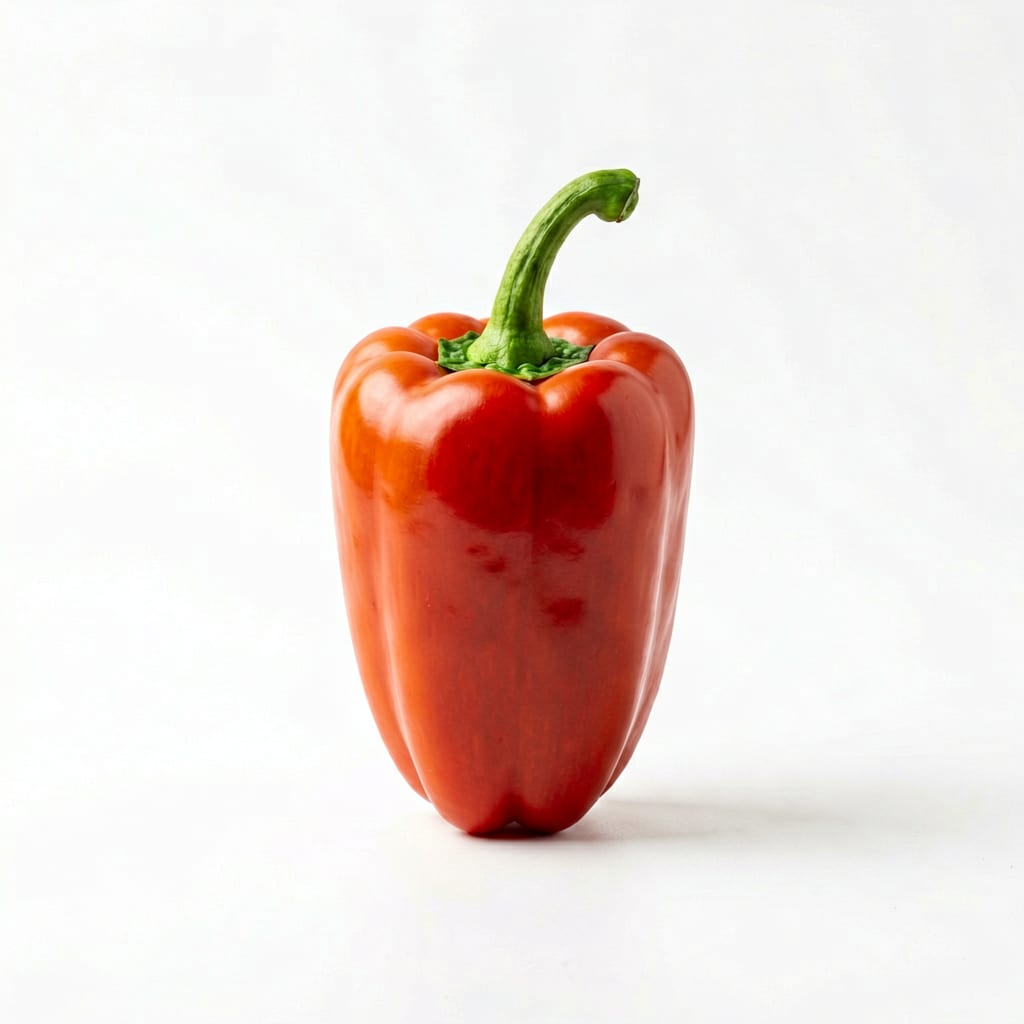
Chili Pepper
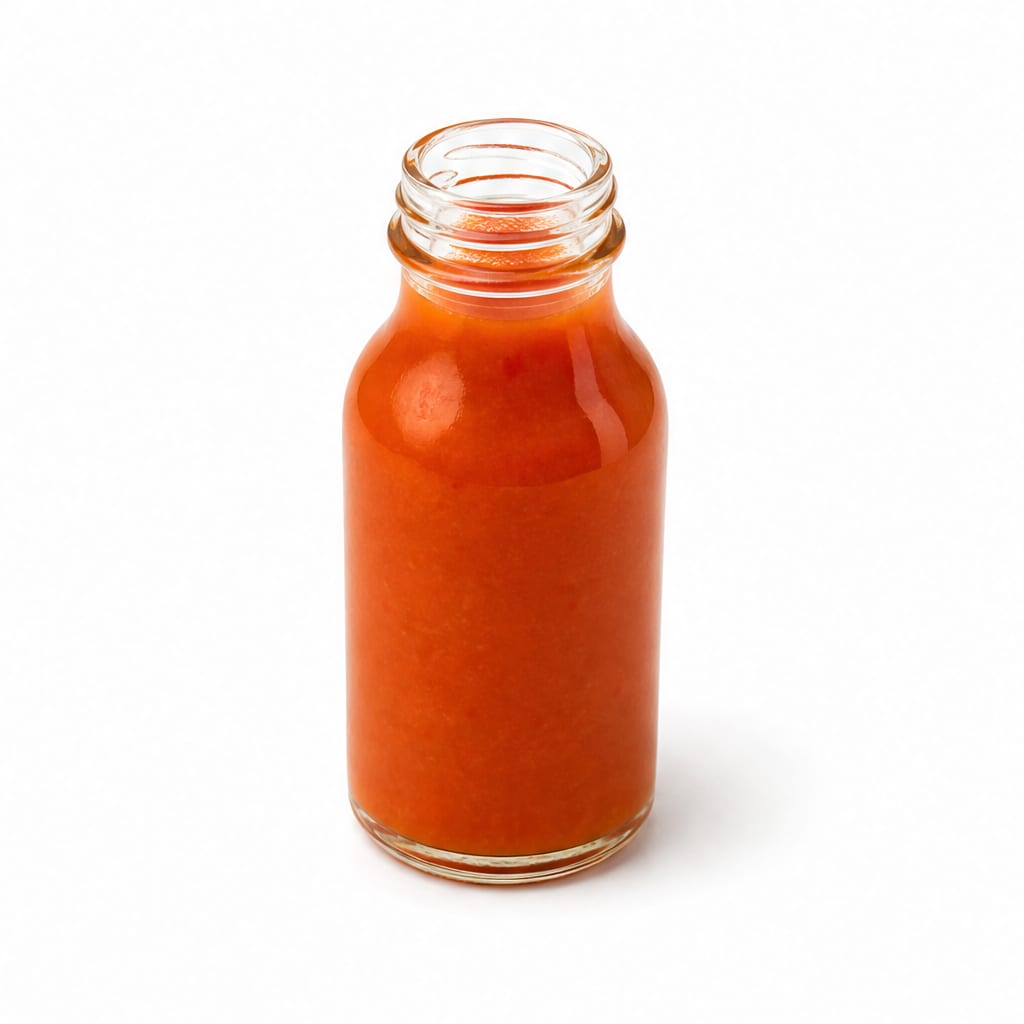
Hot Sauce
Chili peppers deliver more nutrients with zero sodium, but hot sauce offers unmatched convenience as a condiment. The right choice hinges on whether you prioritize whole-food purity or everyday practicality.
Chili peppers score higher due to superior nutrient density and zero sodium, but hot sauce remains relevant for its convenience and portion control. The gap reflects the health cost of processing and salt, not a fundamental superiority of one over the other.
Whole-food nutrition and zero sodium versus shelf-stable convenience with added salt and preservatives.
At a glance
Executive summary
Overall
It depends
Healthier
Chili Pepper
More practical
Hot Sauce
Daily use
It depends
Key comparison lenses
Sodium and blood pressure impact
Hot sauce adds significant sodium per serving while chili peppers are naturally sodium-free, making this the most consequential health difference
Processing and additive exposure
Chili peppers are a whole food whereas hot sauce typically contains vinegar, salt, preservatives, and sometimes thickeners or stabilizers
Convenience and daily usability
Hot sauce is shelf-stable and ready to use instantly, while fresh chili peppers require washing, cutting, and spoil quickly
Nutrient density and fiber retention
Whole chili peppers retain fiber, vitamin C, and B vitamins that are diminished or lost during hot sauce processing
Digestive tolerance and gut irritation
Both deliver capsaicin but hot sauce adds vinegar acidity which can compound stomach irritation for sensitive individuals
Best choice for
Chili Pepper
- People managing blood pressure or sodium intake
- Anyone seeking maximum vitamin C and antioxidants from their spice
- Whole-food and clean-eating advocates
- Home cooks who prep meals from scratch
Hot Sauce
- Busy people who need quick flavor without prep
- Those who want controlled small doses of heat across many meals
- Anyone without reliable access to fresh produce
- Restaurant and on-the-go seasoning
Least suitable for
Chili Pepper
- People with sensitive stomachs who find raw chili pepper too harsh
- Anyone needing long shelf life without refrigeration
- Those who dislike handling spicy oils on their hands
Hot Sauce
- People on low-sodium diets
- Anyone avoiding vinegar due to acid reflux or GERD
- Those concerned about preservatives and additives
Deep comparison
Dimension by dimension
Each lens scores both foods and breaks down who each option suits.
- Dimension 1 · Priority 95Chili Pepper
Sodium Load
Chili Pepper · 100Hot Sauce · 25Chili peppers contain zero sodium. Hot sauce packs 100-200mg per tablespoon, which adds up fast with liberal use.
Tradeoff
You gain instant flavor with hot sauce but silently accumulate sodium throughout the day, especially if you use it on multiple meals.
Why it matters
Even modest sodium excess raises blood pressure over time. Heavy hot sauce users can easily consume 500mg+ of sodium daily from condiments alone.
Real-world impact
Someone using hot sauce on eggs, lunch, and dinner could consume a quarter of their daily sodium limit before counting any actual food.
Chili Pepper
- Blood pressure management
- Kidney health
- Low-sodium diets
Better for
Hot Sauce
- Electrolyte replenishment after heavy sweating
- Flavor without adding separate salt
Better for
- Hypertension risk
- Water retention
- Medication interactions with blood pressure drugs
Worse for
- Dimension 2 · Priority 85Chili Pepper
Nutrient Density
Chili Pepper · 88Hot Sauce · 42Fresh chili peppers provide vitamin C, B6, potassium, fiber, and intact capsaicin. Most of these are reduced or absent in hot sauce.
Tradeoff
Processing strips fiber and degrades heat-sensitive vitamins, leaving hot sauce as mostly flavored vinegar with capsaicin remnants.
Why it matters
A single fresh chili pepper provides over 100% of daily vitamin C. Hot sauce delivers a fraction of that per serving.
Real-world impact
Eating fresh chili peppers with meals adds a meaningful micronutrient boost. Hot sauce adds flavor but negligible nutrition.
Chili Pepper
- Immune support from vitamin C
- Digestive health from fiber
- Potassium intake
Better for
Hot Sauce
- Reliance on a condiment for nutrients it barely contains
- Missed opportunity for whole-food vitamin intake
Worse for
- Dimension 3 · Priority 82Hot Sauce
Convenience and Usability
Chili Pepper · 35Hot Sauce · 92Hot sauce is ready to shake onto anything, stores for months, and travels easily. Fresh chili peppers require cutting, deseeding, and refrigeration.
Tradeoff
You trade nutritional quality for speed and shelf stability. Hot sauce is the ultimate lazy flavor hack.
Why it matters
In real life, convenience often wins over nutrition. If a condiment is too much effort, people just skip the spice entirely.
Real-world impact
Keeping a bottle of hot sauce at your desk or in your bag means you actually use it. Fresh chili peppers often rot in the crisper drawer.
Chili Pepper
- Cooking where texture and freshness matter
- Recipes calling for whole sliced peppers
Better for
- Short shelf life
- Requires knife and cutting board
- Spicy oil burns on hands
Worse for
Hot Sauce
- Quick meals and leftovers
- Office lunches and travel
- Consistent flavor without variation
Better for
- Less culinary versatility
- Cannot provide crunch or texture
Worse for
- Dimension 4 · Priority 78Chili Pepper
Additive and Preservative Exposure
Chili Pepper · 95Hot Sauce · 40Chili peppers are a single-ingredient whole food. Hot sauce often contains preservatives like sodium benzoate, xanthan gum, and artificial colorings.
Tradeoff
Shelf stability comes at the cost of consuming small amounts of food additives regularly, which may compound over years of daily use.
Why it matters
While most preservatives are recognized as safe in isolation, cumulative exposure from multiple processed foods is still poorly understood.
Real-world impact
If hot sauce is your only processed food, the risk is minimal. If it joins a diet full of ultra-processed items, it contributes to the total additive load.
Chili Pepper
- Clean-eating lifestyles
- Avoiding synthetic chemicals
- Whole30 and similar protocols
Better for
Hot Sauce
- No realistic advantage here
Better for
- Sodium benzoate concerns when combined with vitamin C
- Potential gut microbiome effects from emulsifiers
- Cumulative preservative load
Worse for
- Dimension 5 · Priority 72Chili Pepper
Digestive Tolerance
Chili Pepper · 55Hot Sauce · 38Both can irritate sensitive stomachs due to capsaicin, but hot sauce adds vinegar acidity as a second irritant, compounding the burn.
Tradeoff
Chili peppers irritate through capsaicin alone. Hot sauce irritates through capsaicin plus acetic acid, doubling the assault on sensitive digestive tracts.
Why it matters
People with GERD, acid reflux, or IBS often tolerate one irritant but not two simultaneously.
Real-world impact
You might handle a fresh jalapeño slice fine but find that hot sauce triggers heartburn because the vinegar pushes you over your tolerance threshold.
Chili Pepper
- Acid reflux sufferers
- GERD management
- Sensitive stomachs that handle heat but not acid
Better for
- Still problematic for capsaicin-sensitive individuals
Worse for
Hot Sauce
- Double irritation from capsaicin and vinegar
- Higher likelihood of triggering heartburn
- Worse for ulcer patients
Worse for
- Dimension 6 · Priority 68It depends
Capsaicin Potency and Consistency
Chili Pepper · 70Hot Sauce · 72Fresh chili peppers vary wildly in heat even within the same variety. Hot sauce delivers more consistent capsaicin per drop.
Tradeoff
Chili peppers offer a natural range of heat with accompanying nutrients. Hot sauce offers predictable dosing but less capsaicin per serving overall.
Why it matters
If you use spice for metabolism benefits or pain relief, consistency matters. If you enjoy the culinary surprise, natural variation is a feature.
Real-world impact
One jalapeño might be mild and the next scorching. A bottle of sriracha delivers the same heat every time, making portion control easier.
Chili Pepper
- Maximum capsaicin per bite
- Metabolism-boosting potential
- Traditional culinary authenticity
Better for
- Unpredictable heat surprises
- Risk of accidentally over-spicing a dish
Worse for
Hot Sauce
- Predictable heat levels
- Easier portion control
- Consistent cooking results
Better for
- Lower total capsaicin per serving
- Diluted by vinegar and other ingredients
Worse for
Timeline
Health impact over time
Short-term
Hours to days
Chili Pepper
- Immediate metabolism boost from concentrated capsaicin
- Possible stomach warmth or burning sensation
- Clear sinuses and temporary congestion relief
- Vitamin C absorption supporting immune function
Hot Sauce
- Quick flavor satisfaction with minimal effort
- Sodium-related thirst shortly after consumption
- Possible heartburn from combined capsaicin and vinegar
- Mild endorphin release from heat
Long-term
Months to years
Chili Pepper
- Consistent vitamin C and antioxidant intake supporting immune health
- Fiber contribution to gut microbiome diversity
- Zero sodium helps maintain healthy blood pressure
- Regular capsaicin intake linked to reduced cardiovascular risk
Hot Sauce
- Chronic sodium excess contributing to hypertension risk if used liberally
- Preservative accumulation from daily consumption over years
- Possible erosion of tooth enamel from frequent vinegar exposure
- Capsaicin benefits maintained but at lower effective doses
Risk profile
Safety & processing
Chili peppers are a raw agricultural product with nothing added. Hot sauce is a manufactured condiment combining chili peppers with vinegar, salt, and often preservatives, thickeners, or stabilizers. The processing gap is significant but not extreme—hot sauce sits in the middle tier of processing, not the ultra-processed category.
Chili Pepper
Bacterial contamination on unwashed peppers
lowLike all fresh produce, chili peppers can carry surface bacteria. Washing thoroughly before use eliminates most risk.
Capsaicin oil burns on skin and eyes
mediumHandling cut chili peppers transfers capsaicin oil to fingers. Touching your eyes afterward causes significant burning. Wearing gloves while prepping prevents this.
Pesticide residue on conventionally grown peppers
lowChili peppers appear on EWG's lower-priority list for pesticides, but washing or choosing organic reduces exposure further.
Hot Sauce
High sodium contributing to hypertension
highA single tablespoon can contain 100-200mg sodium. Regular use across multiple meals easily pushes daily intake above recommended limits.
Sodium benzoate and vitamin C interaction
mediumSome hot sauces contain both sodium benzoate and ascorbic acid. Under certain conditions this can form trace amounts of benzene, a known carcinogen, though levels are typically well below safety thresholds.
Vinegar erosion of tooth enamel
lowFrequent acidic condiment exposure can gradually weaken enamel. Rinsing with water after meals mitigates this.
Who wins for whom
Audience fit
Same foods, different winners depending on your goal.
children
Hot SauceHot sauce allows tiny controlled drops for kids curious about spice. Fresh chili peppers are harder to dose and the capsaicin oil on hands poses a risk if children rub their eyes.
daily consumption
It dependsChili peppers are healthier per serving but impractical to use at every meal. Hot sauce is convenient enough for daily use but the sodium adds up. Rotating both is the smartest approach.
diabetes
Chili PepperChili peppers have zero effect on blood sugar and may improve insulin sensitivity. Hot sauce is also low-carb but sodium can worsen hypertension, which frequently accompanies diabetes.
elderly
Chili PepperOlder adults often need to limit sodium for blood pressure and kidney health. Chili peppers provide flavor and nutrients without the salt load that hot sauce brings.
muscle gain
It dependsNeither food directly supports muscle gain. Both serve as flavor tools for otherwise bland high-protein meals. Choose based on sodium tolerance and convenience preference.
weight loss
Chili PepperChili peppers add zero-calorie heat with metabolism-boosting capsaicin and no sodium to cause water retention. Hot sauce works too but the sodium can mask fat loss with water weight.
Your move
Decision guide
Choose Chili Pepper
- You are monitoring blood pressure or sodium intake
- You cook regularly and enjoy prep work
- You want maximum nutritional value from your spice
- You follow a whole-food or clean-eating philosophy
- You have acid reflux but still want heat without vinegar
Choose Hot Sauce
- You need quick flavor for simple meals
- You want consistent heat levels every time
- You keep condiments at work or in your bag
- You rarely cook and need shelf-stable options
- You prefer small可控 doses of spice across many dishes
Either works if
- You just want to add heat to food without strong preference
- You are comfortable rotating between fresh and condiment forms
- Your sodium intake is already well-managed from other meals
Avoid both if
- You have active stomach ulcers or severe GERD
- You are on a strict low-FODMAP diet during elimination phase
- Your doctor has advised avoiding all spicy foods due to GI conditions
Final recommendation
Keep both in your kitchen but lean on chili peppers when you have time to cook and save hot sauce for convenience moments. If you use hot sauce daily, track your sodium carefully—those shakes add up. The healthiest long-term habit is fresh chili peppers as your primary heat source with hot sauce as an occasional shortcut, not the default.
Practical
Consumer tips
- 1
Wear disposable gloves when cutting chili peppers to avoid capsaicin burns on your fingers
- 2
Look for hot sauce brands with short ingredient lists—ideally just peppers, vinegar, and salt
- 3
If sodium is a concern, choose hot sauces labeled low-sodium or make your own by blending fresh chili peppers with a splash of vinegar
- 4
Store fresh chili peppers in a paper bag in the crisper drawer—they last about a week
- 5
Freeze excess chili peppers whole in a ziplock bag for later use in cooked dishes
- 6
Avoid hot sauces with artificial colors—natural chili pepper pigments are vibrant enough on their own
- 7
Wash chili peppers thoroughly even if you plan to peel them, to avoid transferring surface residue