
Nutrition comparison
Chili Pepper vs Jalapeno: Which Is Healthier and Better for Daily Use?
Compare chili pepper and jalapeno nutrition, heat levels, health benefits, and daily usability. Find out which pepper fits your spice tolerance and health goals better.
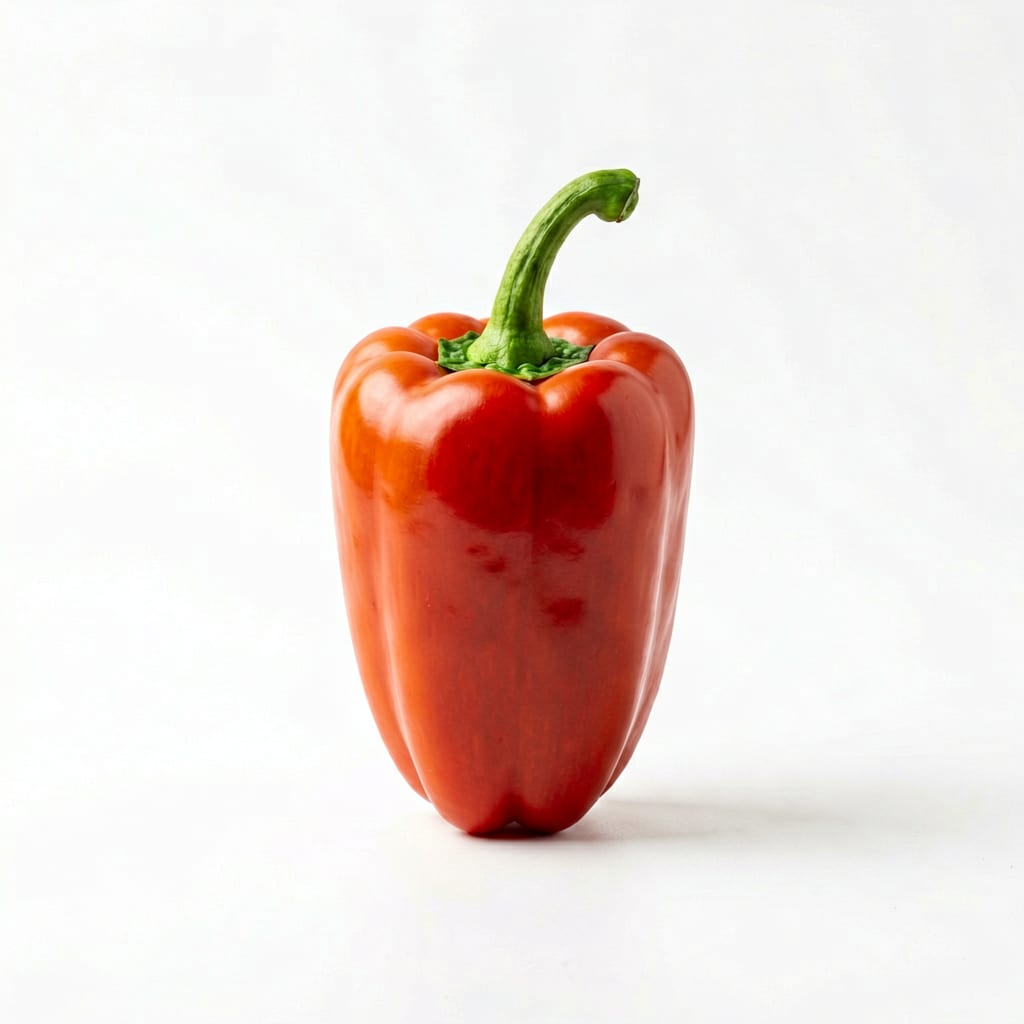
Chili Pepper
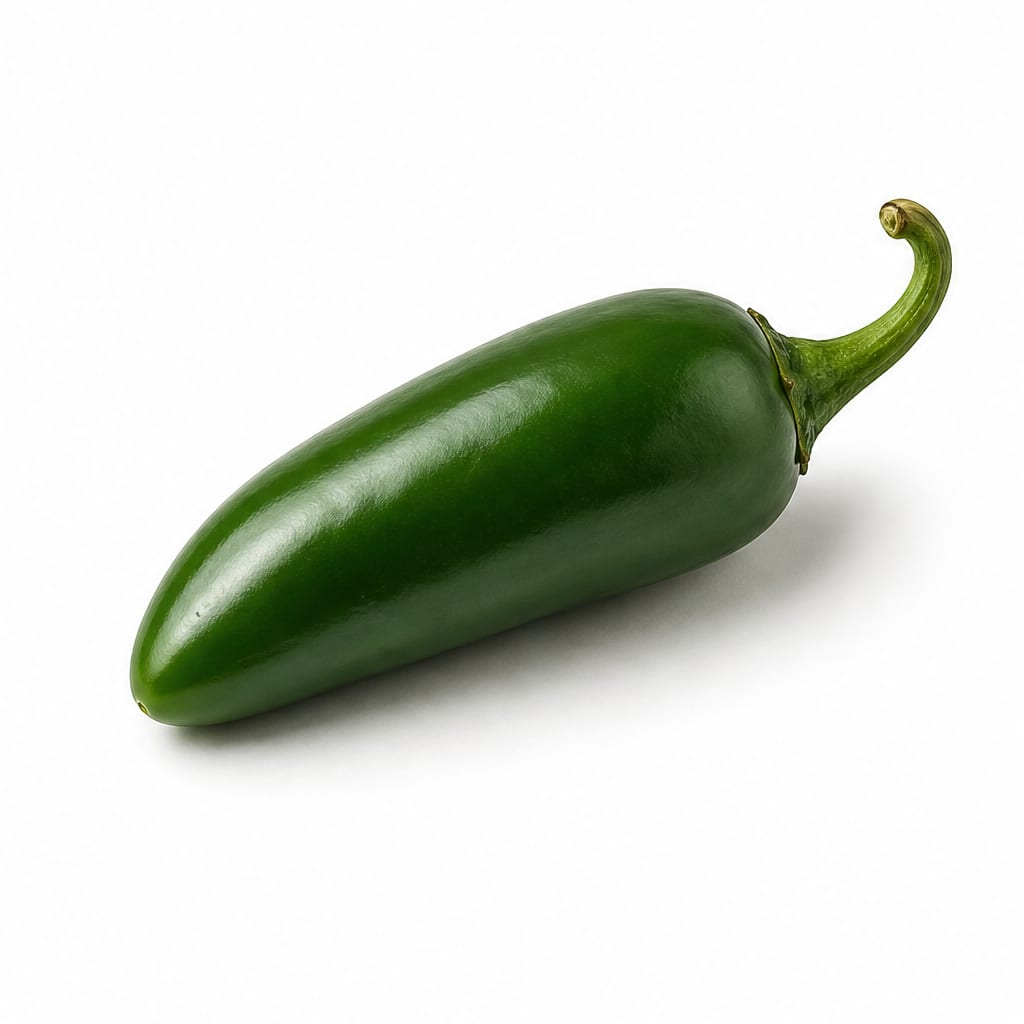
Jalapeno
Jalapenos win for everyday practicality and digestive friendliness, while hotter chili peppers deliver more concentrated capsaicin benefits at the cost of tolerability.
Jalapenos score higher mainly due to broader usability and easier daily incorporation. Chili peppers win on capsaicin concentration but lose significantly on tolerability and versatility for most people.
More capsaicin and antioxidants versus easier daily eating and broader culinary use.
At a glance
Executive summary
Overall
It depends
Healthier
It depends
More practical
Jalapeno
Daily use
Jalapeno
Key comparison lenses
heat tolerance and digestive comfort
The primary differentiator between generic chili peppers and jalapenos is capsaicin intensity, which directly affects who can eat them and how often
culinary versatility and daily usability
Jalapenos are far easier to incorporate into everyday meals without overwhelming other flavors, while hotter chili peppers demand more caution
capsaicin health benefits
Both deliver capsaicin benefits like metabolism support and pain relief, but hotter chili peppers concentrate more per gram
nutrient density comparison
Both are low-calorie vitamin C sources, but differences in vitamin A and antioxidant profiles matter for daily use
Best choice for
Chili Pepper
- People seeking maximum capsaicin benefits with minimal quantity
- Experienced spice eaters who tolerate heat well
- Those making therapeutic-grade hot sauces or extracts
- Cooks adding intense heat to large-batch dishes
Jalapeno
- Casual spice enjoyers wanting flavor without pain
- Families needing a pepper everyone can handle
- Daily meal prep where consistency and predictability matter
- People with sensitive stomachs who still want some kick
Least suitable for
Chili Pepper
- People with acid reflux or GERD
- Children or spice-sensitive individuals
- Anyone new to spicy food
- Those who need to eat large volumes for recipes
Jalapeno
- Chili heads seeking extreme heat experiences
- Therapeutic capsaicin dosing where potency per gram matters
- Dishes requiring intense, concentrated heat
Deep comparison
Dimension by dimension
Each lens scores both foods and breaks down who each option suits.
- Dimension 1 · Priority 90Chili Pepper
capsaicin_potency
Chili Pepper · 88Jalapeno · 52Chili peppers like cayenne or Thai varieties deliver 3-10x more capsaicin per gram than jalapenos, making them far more potent for metabolic and anti-inflammatory benefits.
Tradeoff
More capsaicin means stronger health effects but also greater risk of digestive discomfort and heat intolerance.
Why it matters
Capsaicin drives most of the unique health benefits of hot peppers, from metabolism boosting to pain relief. Higher concentration means you need less pepper to get therapeutic effects.
Real-world impact
A quarter teaspoon of cayenne can match the capsaicin of an entire jalapeno, but it will burn far more on the way in and potentially on the way out.
Chili Pepper
- Metabolism boosting with minimal food volume
- Topical pain relief preparations
- Sinus congestion relief
Better for
- Digestive comfort at higher doses
- Risk of overconsumption due to heat stopping you
Worse for
Jalapeno
- Enjoying capsaicin benefits without overwhelming heat
- Eating larger quantities for vitamin C intake
- Gradual capsaicin exposure for beginners
Better for
- Needing to consume more volume for equivalent capsaicin
Worse for
- Dimension 2 · Priority 88Jalapeno
digestive_tolerance
Chili Pepper · 38Jalapeno · 72Jalapenos sit in the moderate heat range that most digestive systems can handle, while hotter chili peppers frequently trigger heartburn, stomach pain, and intestinal irritation.
Tradeoff
Gentler on the gut means less capsaicin per bite, but far more sustainable for regular consumption.
Why it matters
A food you can eat daily beats a food you can only tolerate occasionally, especially for long-term health benefits.
Real-world impact
You can put jalapenos on your lunch salad most days without regret. The same habit with habaneros or Thai chilies will likely end with antacids.
Chili Pepper
- People with iron stomachs who never get heartburn
Better for
- GERD and acid reflux sufferers
- People with IBS or sensitive bowels
- Anyone taking NSAIDs regularly
Worse for
Jalapeno
- Anyone prone to acid reflux or heartburn
- People with sensitive digestion
- Regular daily consumers
- Older adults with more fragile digestive lining
Better for
- Still problematic for very sensitive individuals at higher amounts
Worse for
- Dimension 3 · Priority 82Jalapeno
culinary_versatility
Chili Pepper · 55Jalapeno · 85Jalapenos are the Swiss army knife of spicy peppers: slice them, stuff them, pickle them, or chop them into virtually any dish. Hotter chili peppers are more one-dimensional because their heat dominates everything.
Tradeoff
Milder heat means the pepper's flavor can coexist with other ingredients instead of hijacking the entire dish.
Why it matters
A versatile ingredient gets used more often, which means more consistent nutrient intake and less food waste.
Real-world impact
Jalapenos work on pizza, in salads, stuffed with cream cheese, or blended into salsa. Thai chilies basically just make things very hot with less nuance.
Chili Pepper
- Dishes where heat is the primary goal
- Hot sauce and condiment making
- Small-quantity seasoning in soups and stews
Better for
- Dishes where you want pepper flavor without overwhelming heat
- Recipes requiring large visible pepper pieces
Worse for
Jalapeno
- Stuffed pepper recipes
- Topping for nachos, tacos, and sandwiches
- Pickling and preserving
- Family meals with mixed spice tolerance
Better for
- Authentic extremely spicy cuisine traditions
Worse for
- Dimension 4 · Priority 70Chili Pepper
vitamin_and_antioxidant_profile
Chili Pepper · 78Jalapeno · 68Hotter chili peppers typically contain more vitamin A and higher total antioxidant capacity per gram, while both are excellent vitamin C sources.
Tradeoff
The nutrient advantage is real but modest, and mostly irrelevant if you cannot eat enough of the hotter pepper to realize it.
Why it matters
Vitamin A supports immune function and vision, while antioxidants combat cellular damage. These benefits accumulate over time with regular consumption.
Real-world impact
The nutrient gap matters most if you eat peppers daily. Occasional use makes this difference negligible compared to your overall diet.
Chili Pepper
- Maximizing vitamin A intake from peppers
- Getting more antioxidants per calorie consumed
Better for
- Nutrient density is wasted if heat prevents adequate consumption
Worse for
Jalapeno
- Getting more total nutrients by eating larger quantities comfortably
- Vitamin C intake since you can consume more volume
Better for
- Slightly lower vitamin A and antioxidant concentration per gram
Worse for
- Dimension 5 · Priority 85Jalapeno
daily_sustainability
Chili Pepper · 42Jalapeno · 80Jalapenos are easy to eat regularly without burnout or digestive rebellion. Hotter chili peppers often become occasional novelties rather than daily staples.
Tradeoff
Sustainable daily intake of a milder pepper delivers more total health benefit than sporadic use of a more potent one.
Why it matters
Consistency beats intensity in nutrition. A habit you maintain always outperforms a habit you abandon.
Real-world impact
Most people who buy habaneros or ghost peppers use them once and let the rest rot. Jalapenos get used up because they fit into normal meals without drama.
Chili Pepper
- Dedicated spice enthusiasts who eat hot peppers daily
- People using tiny amounts as supplements rather than food
Better for
- High likelihood of inconsistent use
- Risk of developing aversion if overconsumed
Worse for
Jalapeno
- Building a consistent daily pepper habit
- Gradually increasing spice tolerance over time
- Meal prep routines that need reliability
Better for
- May feel too mild for heat seekers, leading to portion inflation
Worse for
Timeline
Health impact over time
Short-term
Hours to days
Chili Pepper
- Significant metabolic rate increase within 30 minutes of consumption
- Potential stomach burning and acid reflux shortly after eating
- Sinus clearing and thermogenic sweating response
- Endorphin rush from intense capsaicin exposure
- Possible nausea if consumed on empty stomach in large amounts
Jalapeno
- Moderate metabolism boost without overwhelming heat sensation
- Mild to moderate digestive warming, usually well tolerated
- Gentle sinus clearing effect
- Pleasant endorphin release without pain threshold
- Rarely causes nausea even on an empty stomach
Long-term
Months to years
Chili Pepper
- Consistent capsaicin intake linked to improved cardiovascular markers
- Potential for increased digestive tolerance over time with regular exposure
- Risk of chronic heartburn if consumed excessively
- Anti-inflammatory benefits from sustained capsaicin consumption
- Possible reduction in migraine frequency for some individuals
Jalapeno
- Sustainable cardiovascular benefits from regular moderate capsaicin intake
- Easier to maintain long-term consumption habits without burnout
- Lower risk of developing chronic digestive irritation
- Steady anti-inflammatory support without extreme dosing
- Better long-term adherence to spice-inclusive diets
Risk profile
Safety & processing
Both chili peppers and jalapenos are whole, unprocessed foods in their fresh form. The main concern is pickled or canned versions, which often add sodium and preservatives. Fresh is always the cleaner choice for both.
Chili Pepper
capsaicin_burn_handling
mediumHotter chili peppers can cause painful skin and eye burns during preparation. Always wear gloves when handling varieties like habanero or Thai chilies.
pesticide_residue
lowConventional chili peppers may carry pesticide residues. Washing thoroughly or choosing organic reduces this concern.
cross_contamination_in_dried_forms
lowDried chili powder can be adulterated with fillers or contaminated with Salmonella in rare cases. Buy from reputable sources.
Jalapeno
capsaicin_burn_handling
lowJalapenos can still cause mild skin irritation but far less than hotter varieties. Gloves are recommended but not as critical.
pesticide_residue
lowSimilar to other chili peppers, conventional jalapenos may have pesticide residues. The thick skin provides some protection.
pickled_sodium_content
mediumPickled jalapenos are extremely popular but can contain 500-1000mg sodium per serving. This is a significant concern for blood pressure management.
Who wins for whom
Audience fit
Same foods, different winners depending on your goal.
children
JalapenoJalapenos, especially with seeds removed, can sometimes be tolerated by older children. Hotter chili peppers are almost universally rejected by kids and can cause distress.
daily consumption
JalapenoDaily use demands tolerability and consistency. Jalapenos deliver reliable, repeatable results without the digestive drama that makes hotter chili peppers occasional-use items for most people.
diabetes
Chili PepperHigher capsaicin concentration per gram may offer slightly better insulin sensitivity improvements, though both are essentially zero-carb, zero-sugar foods that will not spike blood sugar.
elderly
JalapenoOlder adults often have more sensitive digestion and may take medications that irritate the stomach lining. Jalapenos provide gentle capsaicin benefits with lower risk of discomfort.
muscle gain
It dependsNeither pepper directly supports muscle gain. Both can add flavor to high-protein meals without extra calories, but jalapenos are easier to pair with larger food volumes.
weight loss
JalapenoJalapenos can be eaten in larger quantities with meals, providing more satiety and flavor enhancement without the digestive issues that might derail consistent eating habits.
Your move
Decision guide
Choose Chili Pepper
- You specifically want maximum capsaicin for metabolic or anti-inflammatory benefits
- You enjoy extreme heat and have built up strong spice tolerance
- You are making hot sauces, spice blends, or condiments where potency matters
- You need small-quantity heat for large-batch cooking
Choose Jalapeno
- You want a pepper you can actually eat every day without dreading it
- You cook for a family with mixed spice preferences
- You have any history of heartburn, acid reflux, or sensitive digestion
- You want to stuff, pickle, or slice peppers as a main ingredient rather than a seasoning
- You are new to spicy food and building tolerance gradually
Either works if
- You just need a zero-calorie flavor boost for eggs, soups, or stir-fries
- You are focused on vitamin C intake from fresh peppers
- You want anti-inflammatory benefits and can tolerate either heat level
Avoid both if
- You have active GERD, ulcers, or are recovering from gastrointestinal surgery
- You are taking blood thinners without medical supervision, as capsaicin can affect clotting
- You have hemorrhoids currently flaring, as capsaicin excretion can worsen symptoms
Final recommendation
For most people, jalapenos are the smarter daily choice. They deliver real capsaicin benefits while staying enjoyable and digestible. Reserve hotter chili peppers for when you specifically need intensity, whether for a recipe or a therapeutic goal. The best pepper is the one you will actually eat consistently.
Practical
Consumer tips
- 1
Remove seeds and membranes from jalapenos to cut heat by roughly half while keeping the flavor
- 2
Wear gloves when handling any chili pepper hotter than jalapeno to avoid painful capsaicin burns
- 3
If you accidentally eat too much heat, drink milk or eat yogurt rather than water, as capsaicin is fat-soluble not water-soluble
- 4
Start with jalapenos and work your way up to hotter varieties over weeks, not days
- 5
Fresh peppers have more vitamin C than dried, but dried peppers concentrate capsaicin and are easier to use as daily supplements
- 6
Pickled jalapenos are convenient but can pack 10-20% of your daily sodium in a few slices, so use them sparingly
- 7
Roasting jalapenos mellows their heat significantly and adds smoky depth that works in almost any savory dish