
Nutrition comparison
Chili Pepper vs Habanero: Which Should You Cook With?
Chili Pepper vs Habanero comparison covering heat levels, capsaicin benefits, digestive tolerance, and culinary uses. Find out which pepper fits your cooking and health goals.
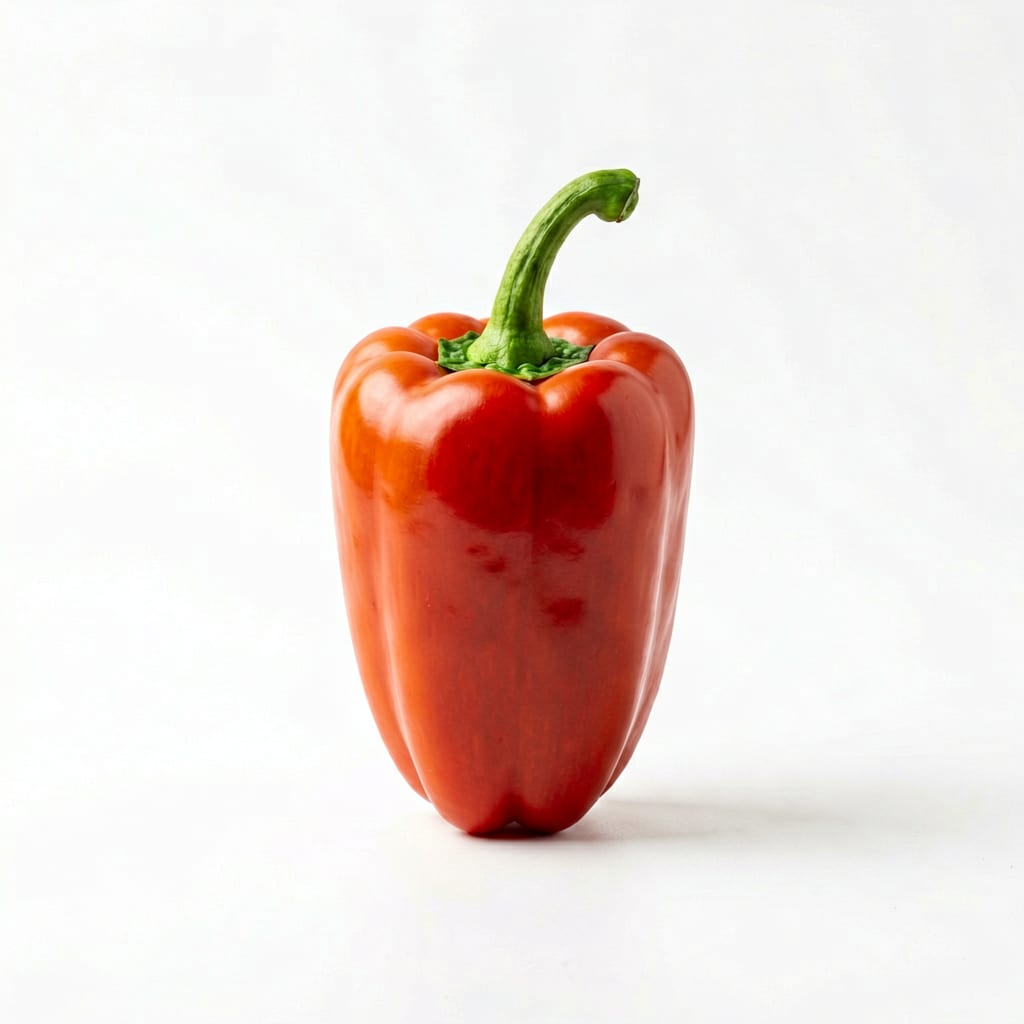
Chili Pepper
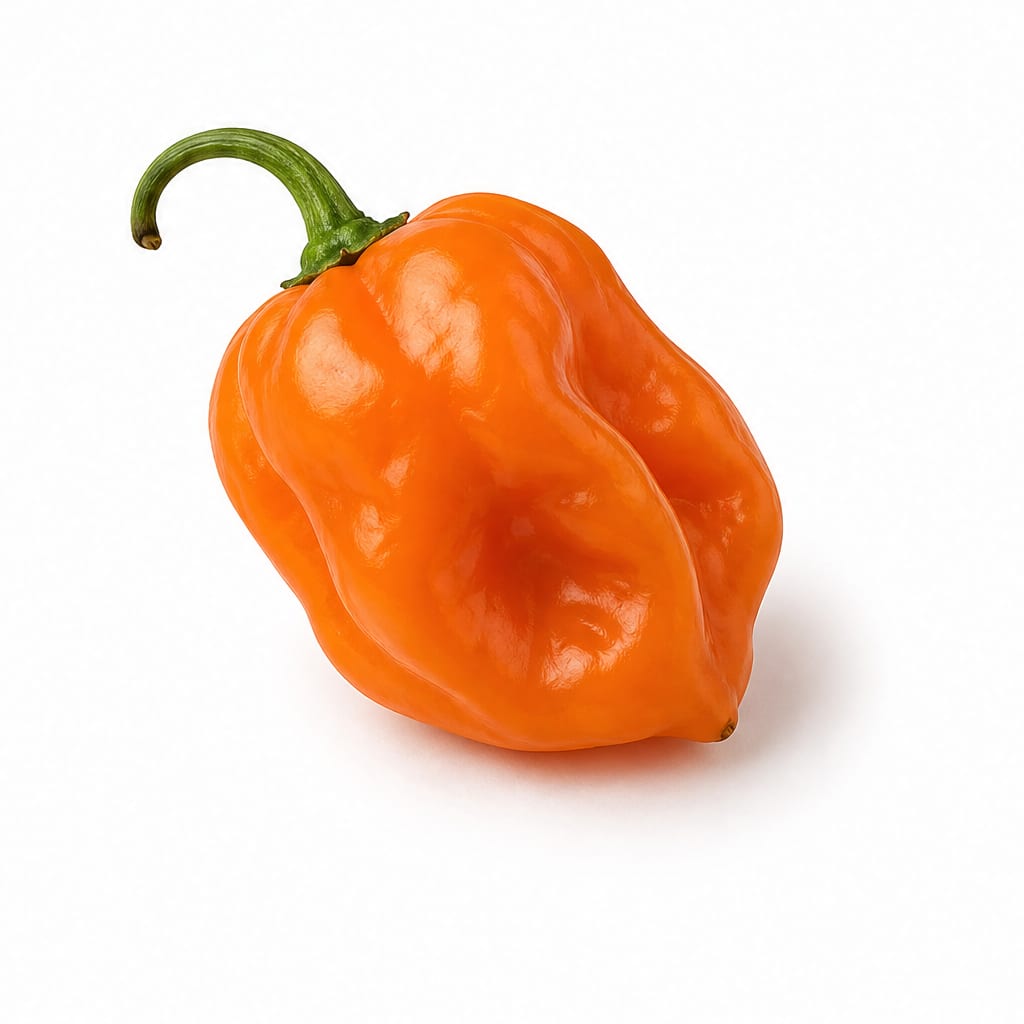
Habanero
Chili Pepper is your everyday workhorse; Habanero is a high-powered specialty tool you use sparingly.
Chili Pepper scores higher for practical daily use and broader tolerance, while Habanero scores higher for nutrient density and capsaicin potency. The overall scores are close because their value depends entirely on context — what you're cooking and who's eating it.
Habanero delivers far more capsaicin and antioxidants per gram but at a heat level that limits how much you can actually eat, while Chili Pepper gives you gentler heat you can use generously.
At a glance
Executive summary
Overall
It depends
Healthier
Habanero
More practical
Chili Pepper
Daily use
Chili Pepper
Key comparison lenses
heat tolerance and culinary usability
The massive Scoville gap between these peppers is the defining factor for most people's daily cooking decisions
capsaicin concentration and metabolic benefits
Habanero delivers far more capsaicin per gram, which amplifies both benefits and risks
digestive safety and tolerance
High capsaicin intake can trigger GI distress, making tolerance a real health concern
everyday cooking practicality
Most home cooks need to know which pepper fits normal meals without overwhelming them
vitamin and antioxidant density
Both are nutrient-dense but habanero packs more per gram due to concentration
Best choice for
Chili Pepper
- Salsa and sauce bases where you want flavor without overwhelming heat
- Families with varying spice tolerance
- Daily cooking that multiple people will eat
- Beginners exploring spicy food
Habanero
- Metabolic boost and capsaicin therapy
- Hot sauce enthusiasts seeking intense flavor complexity
- Small-quantity flavor bombs in marinades
- Experienced chiliheads who enjoy extreme heat
Least suitable for
Chili Pepper
- People seeking maximum capsaicin anti-inflammatory benefits
- Anyone wanting intense fruity heat complexity
- Competitive eaters or heat seekers
Habanero
- Anyone with acid reflux, IBS, or sensitive stomachs
- Children or heat-sensitive individuals
- Large-quantity cooking where even distribution is hard
- People on anticoagulant medications without medical guidance
Deep comparison
Dimension by dimension
Each lens scores both foods and breaks down who each option suits.
- Dimension 1 · Priority 95Chili Pepper
Heat Tolerance and Usability
Chili Pepper · 85Habanero · 35Chili Pepper sits in the 2,500–8,000 Scoville range, making it manageable for most palates. Habanero hits 100,000–350,000, which is 15–40 times hotter and overwhelms most people.
Tradeoff
You gain intense capsaicin delivery with Habanero but lose the ability to use it freely in family meals.
Why it matters
If you can't eat much of it, you get fewer total nutrients regardless of density per gram.
Real-world impact
A whole Chili Pepper in your stir-fry adds pleasant warmth. Even a quarter Habanero can dominate an entire pot of chili.
Chili Pepper
- Casual weeknight cooking
- Meals shared with kids or spice-sensitive friends
- Recipes where heat should complement, not dominate
Better for
- Anyone seeking a serious endorphin rush
- Dishes where you want tropical fruit notes under heat
Worse for
Habanero
- Fiery hot sauces meant to be used by the drop
- Marinades where intense heat penetrates meat
- Challenge-style eating or extreme heat experiences
Better for
- Light salads or delicate fish dishes
- Any meal where you want balanced, not dominant, heat
Worse for
- Dimension 2 · Priority 85Habanero
Capsaicin and Metabolic Benefit
Chili Pepper · 55Habanero · 92Habanero contains dramatically more capsaicin, which drives thermogenesis, pain relief, and anti-inflammatory effects. Chili Pepper delivers meaningful but modest amounts.
Tradeoff
More capsaicin means stronger benefits but also stronger stomach irritation and potential GI distress.
Why it matters
Research links capsaicin to reduced appetite, mild fat burning, and cardiovascular benefits — but dose matters.
Real-world impact
A few drops of Habanero sauce may suppress appetite more than a whole milder chili pepper, but your stomach will definitely notice.
Chili Pepper
- Gradual capsaicin intake without GI side effects
- People building spice tolerance slowly
Better for
- Therapeutic capsaicin dosing for chronic pain
- Noticeable thermogenic effect for weight management
Worse for
Habanero
- Targeted metabolic boost before workouts
- Natural pain management for joint inflammation
- Maximum anti-inflammatory impact per calorie
Better for
- Daily repeated use without stomach adaptation
- Anyone prone to heartburn or ulcers
Worse for
- Dimension 3 · Priority 70Habanero
Vitamin and Antioxidant Density
Chili Pepper · 68Habanero · 82Habanero packs more vitamin C, vitamin A, and flavonoids per gram thanks to its concentrated pigment and capsaicinoid content. Chili Pepper is still excellent — just less dense.
Tradeoff
Habanero wins per gram, but since you eat far less of it, the actual vitamin gap at realistic serving sizes is small.
Why it matters
Both peppers are nutrient powerhouses compared to most foods, so this dimension matters less than usability.
Real-world impact
One Chili Pepper you actually eat whole gives you more total vitamins than a tiny Habanero sliver you can barely tolerate.
Chili Pepper
- Getting more total vitamins because you can eat a full pepper
- Vitamin C from a realistic serving size
Better for
- Matching the per-gram antioxidant punch of Habanero
Worse for
Habanero
- Maximum antioxidant concentration in minimal calories
- Vitamin A from beta-carotene-rich orange varieties
Better for
- Realistic total nutrient intake when limited to tiny portions
Worse for
- Dimension 4 · Priority 80Chili Pepper
Digestive Tolerance
Chili Pepper · 72Habanero · 38Chili Pepper irritates the stomach modestly in most people. Habanero can cause significant burning, cramping, or diarrhea in unadapted individuals.
Tradeoff
Capsaicin has gut-health benefits at low doses but becomes an irritant at high doses.
Why it matters
Digestive discomfort limits how often you'll actually use a food, no matter how healthy it is on paper.
Real-world impact
Chili Pepper might give mild warmth on the way through. Habanero can make the next morning regrettable if you overdo it.
Chili Pepper
- People with sensitive digestion
- Regular daily use without GI consequences
- Post-workout meals when your stomach is already unsettled
Better for
- Situations where you want maximum gut stimulation for motility
Worse for
Habanero
- Those already adapted to high capsaicin intake
- Occasional use where GI recovery time is acceptable
Better for
- Anyone with GERD, gastritis, or IBS
- Evening meals close to bedtime
- First thing in the morning on an empty stomach
Worse for
- Dimension 5 · Priority 75It depends
Flavor Complexity and Culinary Value
Chili Pepper · 75Habanero · 78Chili Pepper offers clean, grassy-sweet heat that blends easily. Habanero brings a distinctive tropical fruitiness — think apricot and citrus — under extreme heat that adds unique depth.
Tradeoff
Habanero's flavor is more interesting but harder to experience because the heat overwhelms many palates before the fruit notes register.
Why it matters
Flavor drives whether you keep using an ingredient long-term, which determines real health benefits.
Real-world impact
Chili Pepper disappears into a soup beautifully. Habanero transforms a dish — sometimes brilliantly, sometimes disastrously.
Chili Pepper
- Background heat that doesn't fight other flavors
- Consistent results every time you cook
Better for
- Creating a memorable, distinctive flavor signature
Worse for
Habanero
- Caribbean and Yucatan cuisine where fruity heat is traditional
- Hot sauces and condiments where complexity shines
- Dishes where pepper is the star, not a team player
Better for
- Subtle dishes where you want heat without personality
Worse for
Timeline
Health impact over time
Short-term
Hours to days
Chili Pepper
- Mild metabolic rate increase lasting 20–30 minutes
- Gentle sinus clearing and congestion relief
- Possible light sweating and warmth sensation
- Minimal stomach upset for most people
Habanero
- Significant endorphin release creating a brief euphoric rush
- Strong sinus clearance and potential eye watering
- Stomach burning or cramping if you're not heat-adapted
- Possible skin or hand irritation during prep if you don't wear gloves
Long-term
Months to years
Chili Pepper
- Modest cardiovascular benefit from regular mild capsaicin intake
- Gradual spice tolerance improvement
- Consistent anti-inflammatory contribution without GI damage
Habanero
- Stronger anti-inflammatory and metabolic benefits if consumed regularly in small amounts
- Potential for increased gut lining irritation with overuse
- Higher capsaicin exposure linked to pain receptor desensitization, which can help chronic pain
Risk profile
Safety & processing
Both are whole, unprocessed produce. Fresh or dried, neither typically contains additives. The only concern is pesticide residue on conventionally grown peppers — choose organic when possible, especially since you eat the skin.
Chili Pepper
Pesticide residue on skin
mediumPeppers are on the EWG's Dirty Dozen list some years. Washing helps but doesn't remove everything. Organic is worthwhile.
Hand-to-eye capsaicin transfer
mediumEven milder chilies can cause burning if you rub your eyes after chopping. Wash hands with oil-cutting soap.
Habanero
Capsaicin skin burn during prep
highHabanero oils can cause chemical burns on fingers lasting hours. Gloves are non-negotiable for most people.
Eye or mucous membrane contact
highAccidental transfer from hands to eyes can cause severe burning and temporary vision issues. Medical attention may be needed.
Asthma trigger from airborne capsaicin
mediumCooking Habanero at high heat can aerosolize capsaicin. Ventilate well if anyone in the household has asthma.
GI injury with excessive consumption
mediumEating whole Habanero peppers can cause vomiting, severe cramping, or exacerbate existing ulcers.
Who wins for whom
Audience fit
Same foods, different winners depending on your goal.
children
Chili PepperChili Pepper can be introduced in tiny amounts to build tolerance. Habanero is far too intense and could cause fear or physical distress.
daily consumption
Chili PepperYou can eat Chili Pepper every day without cumulative stomach strain. Habanero is best used a few times a week at most.
diabetes
HabaneroHigher capsaicin intake is linked to improved insulin sensitivity, but only if your digestive system tolerates it. Chili Pepper is the safer bet for sensitive stomachs.
elderly
Chili PepperGentle heat with lower GI risk. Habanero's intensity can aggravate reflux and medication interactions common in older adults.
muscle gain
It dependsNeither pepper directly builds muscle. Chili Pepper is easier to add to high-protein meals without stomach upset that could hurt appetite.
weight loss
HabaneroHabanero's intense capsaicin suppresses appetite more effectively per serving, though Chili Pepper is easier to use consistently throughout the day.
Your move
Decision guide
Choose Chili Pepper
- You cook for a family with mixed spice preferences
- You want reliable heat that won't hijack a dish
- You have any history of acid reflux or sensitive digestion
- You're new to cooking with fresh chilies
- You meal-prep and want consistent, predictable results
Choose Habanero
- You're an experienced cook who knows how to handle extreme heat
- You want maximum capsaicin benefits in the smallest portion
- You're making hot sauce, jerk marinade, or Caribbean-style dishes
- You enjoy the endorphin rush and fruity complexity of super-hot peppers
- You only need a few drops or a tiny sliver per meal
Either works if
- You want to add capsaicin to your diet and are choosing based on your heat comfort level
- You're making a dish where both could work depending on who's eating
Avoid both if
- You have active ulcers, severe GERD, or IBS flares
- You're on blood thinners and haven't consulted your doctor about high capsaicin intake
- You have young children who might accidentally touch then rub their eyes
Final recommendation
Keep both in your kitchen. Use Chili Pepper as your default for everyday cooking, and reach for Habanero when you want a flavor bomb in small doses. Think of Chili Pepper as your daily driver and Habanero as your turbo button — powerful but not meant for constant use.
Practical
Consumer tips
- 1
Wear nitrile gloves when handling Habanero. Soap alone won't cut the oils.
- 2
Start with a quarter Chili Pepper in dishes and work up. Your tolerance builds over weeks.
- 3
Never touch your face, eyes, or contacts after cutting any hot pepper without washing with oil-dissolving soap first.
- 4
If you eat too much Habanero, drink milk or eat yogurt — casein binds capsaicin. Water makes it worse.
- 5
Freeze whole Habaneros on a baking sheet, then bag them. They last months and you can grate off tiny amounts as needed.
- 6
Remove seeds and membranes from either pepper to drop the heat significantly while keeping the flavor.
- 7
Choose organic peppers when possible — conventional peppers often carry pesticide residue on their thin skins.