
Nutrition comparison
Chili Pepper vs Black Pepper: Metabolism, Digestion & Health Benefits
Compare chili pepper vs black pepper for weight loss, digestion, and nutrient absorption. Find out which spice is better for your health goals.
Overall winner · Black Pepper
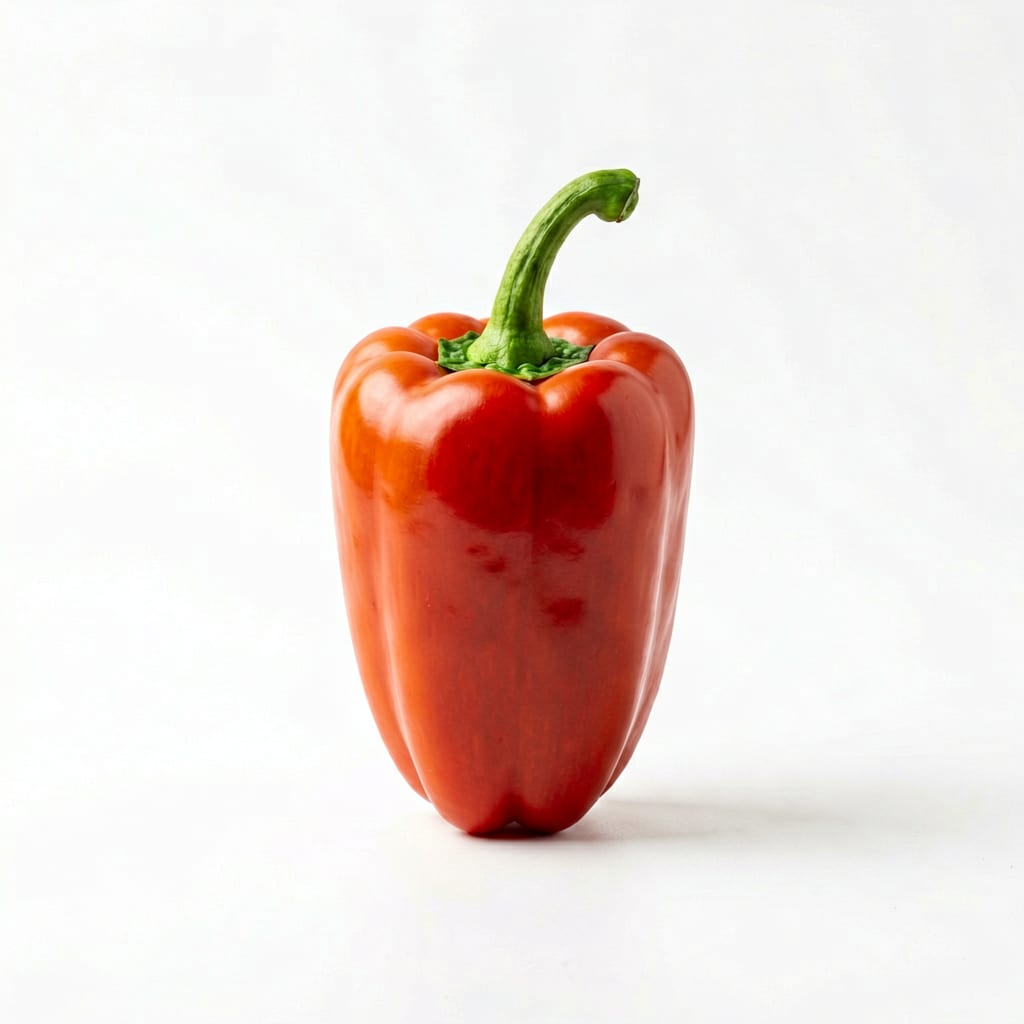
Chili Pepper
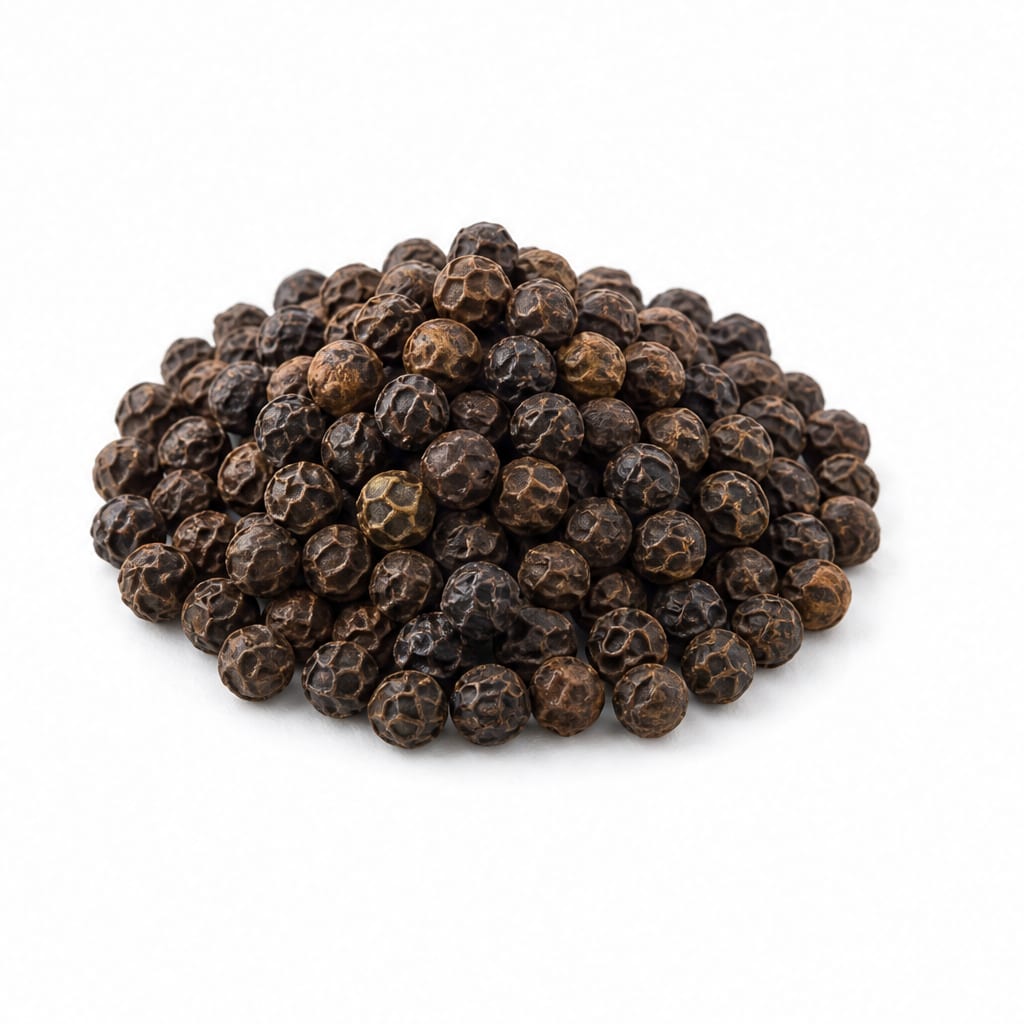
Black Pepper
Black pepper wins for everyday versatility and gut tolerance, but chili pepper takes the crown for acute metabolic boosts and vitamin density.
Black pepper scores higher due to its universal daily usability and lack of digestive side effects, while chili pepper's intense heat limits its serving size and frequency for many people.
Intense metabolic and vitamin benefits with potential digestive irritation versus mild, gut-friendly absorption enhancement that pairs with almost anything.
At a glance
Executive summary
Overall
Black Pepper
Healthier
It depends
More practical
Black Pepper
Daily use
Black Pepper
Key comparison lenses
Metabolic and thermogenic effects
Chili pepper's capsaicin is famous for fat burning, while black pepper's piperine aids thermogenesis and absorption.
Digestive tolerance and gut health
Chili pepper can trigger heartburn or IBS symptoms, whereas black pepper is generally gut-friendly and stimulates digestive enzymes.
Nutrient absorption synergy
Black pepper's piperine dramatically boosts absorption of curcumin and other supplements, a unique advantage over chili.
Vitamin and antioxidant density
Chili pepper offers substantial vitamin C and A when eaten in volume, unlike the tiny dashes used for black pepper.
Best choice for
Chili Pepper
- People targeting thermogenesis and fat loss
- Those needing a vitamin C boost
- Fans of bold, spicy flavors
Black Pepper
- People with sensitive stomachs
- Anyone taking turmeric or supplements
- Those seeking a daily, harmless flavor enhancer
Least suitable for
Chili Pepper
- People with acid reflux or IBS
- Children or spice-sensitive individuals
- Late-night diners
Black Pepper
- Those avoiding all heat
- People on certain medications that interact with piperine
Deep comparison
Dimension by dimension
Each lens scores both foods and breaks down who each option suits.
- Dimension 1 · Priority 90Chili Pepper
Metabolic Boost & Thermogenesis
Chili Pepper · 88Black Pepper · 70Chili pepper delivers a much stronger metabolic spike due to capsaicin, while black pepper offers a milder effect via piperine.
Tradeoff
You get a bigger calorie-burning kick from chili pepper, but it comes with sweating and potential stomach upset.
Why it matters
If you are actively trying to boost your metabolism for weight loss, chili pepper is the more potent trigger.
Real-world impact
Eating chili pepper can visibly raise your body temperature and heart rate slightly, whereas black pepper works quietly in the background.
Chili Pepper
- Fat loss phases
- Pre-workout metabolic spikes
- Breaking through weight plateaus
Better for
- Hot summer days
- Acid reflux sufferers
- People prone to heartburn
Worse for
Black Pepper
- Sustained daily metabolism support
- Those who hate sweating while eating
- Gentle digestive stimulation
Better for
- Situations requiring a strong thermogenic response
Worse for
- Dimension 2 · Priority 85Black Pepper
Nutrient Absorption
Chili Pepper · 40Black Pepper · 95Black pepper is a powerhouse for nutrient absorption, specifically piperine's ability to increase bioavailability of other compounds like curcumin by up to 2000%.
Tradeoff
Chili pepper adds its own vitamins but does not help you absorb other nutrients, whereas black pepper makes everything else you eat more effective.
Why it matters
Taking turmeric without black pepper is almost useless; piperine is the ultimate team player in nutrition.
Real-world impact
Adding a dash of black pepper to your golden milk or supplements makes them actually work, while chili pepper just adds heat.
Chili Pepper
- Getting direct vitamin C and A
Better for
- Situations where you need to absorb fat-soluble vitamins from other foods
Worse for
Black Pepper
- Turmeric consumption
- Maximizing supplement absorption
- Getting more out of leafy greens
Better for
- When interacting with medications that require strict dosage, as piperine can alter their metabolism
Worse for
- Dimension 3 · Priority 80Black Pepper
Digestive Tolerance
Chili Pepper · 45Black Pepper · 90Black pepper is generally soothing and stimulates digestive enzymes, while chili pepper is a common trigger for heartburn and GI distress.
Tradeoff
Chili pepper can irritate the gut lining at high doses, whereas black pepper supports comfortable digestion.
Why it matters
If you have a sensitive stomach, chili pepper is a gamble, but black pepper is a safe bet to flavor your food.
Real-world impact
A heavy chili pepper meal might keep you up with heartburn, while black pepper on your dinner aids peaceful digestion.
Chili Pepper
- People with sluggish digestion needing a strong kickstart (if tolerant)
Better for
- Ulcer patients
- GERD sufferers
- People with diarrhea
Worse for
Black Pepper
- Acid reflux prone individuals
- IBS sufferers
- Late-night meals
Better for
- Those on blood thinners who need strict avoidance of all spices
Worse for
- Dimension 4 · Priority 75Chili Pepper
Vitamin & Antioxidant Density
Chili Pepper · 85Black Pepper · 30Chili pepper is packed with vitamin C and beta-carotene, especially when fresh. Black pepper is used in such tiny amounts that its vitamin content is negligible.
Tradeoff
You actually get measurable vitamins from eating a whole chili pepper, while black pepper's benefits are purely biochemical rather than nutritional.
Why it matters
If you need immune support, chili pepper delivers real vitamin C, unlike a dash of black pepper.
Real-world impact
Eating a fresh chili pepper gives you over 100% of your daily vitamin C, making it a functional food, not just a spice.
Chili Pepper
- Immune system support
- Fighting off colds
- Adding nutritional value to meals
Better for
- People who can only tolerate a microscopic slice
Worse for
Black Pepper
- Antioxidant support in tiny doses
Better for
- Situations requiring substantial micronutrient intake
Worse for
Timeline
Health impact over time
Short-term
Hours to days
Chili Pepper
- Immediate sweating and warmth
- Potential heartburn or stomach burning
- Clearing of sinuses and congestion
- Endorphin rush from the pain response
Black Pepper
- Mild digestive comfort
- Enhanced taste of food
- Slight warming sensation
Long-term
Months to years
Chili Pepper
- Potential increased metabolic rate with regular consumption
- Risk of developing heartburn or GERD if overconsumed
- Possible pain receptor desensitization
- Improved circulation
Black Pepper
- Significantly enhanced nutrient absorption from daily diet
- Gentle support for digestive enzyme production
- Possible interactions with medication metabolism due to piperine
Risk profile
Safety & processing
Both are whole, natural spices. Fresh chili peppers are raw produce, while dried black pepper corns are simply crushed, keeping both highly natural and free of artificial concerns.
Chili Pepper
Capsaicin burn
mediumHandling chili peppers can cause severe skin and eye burning if you touch your face. Wearing gloves is recommended.
GI tract irritation
mediumCan exacerbate ulcers, hemorrhoids, and IBS symptoms if consumed in excess.
Black Pepper
Medication interaction
mediumPiperine inhibits certain liver enzymes, which can increase the blood levels of medications like phenytoin or propranolol.
Micro-contamination
lowPre-ground black pepper can occasionally harbor salmonella or adulterants; buying whole peppercorns mitigates this.
Who wins for whom
Audience fit
Same foods, different winners depending on your goal.
children
Black PepperBlack pepper is mild enough for kids' palates and digestion, whereas chili pepper is usually rejected or causes GI upset in children.
daily consumption
Black PepperYou can put black pepper on everything, every day, without digestive backlash. Chili pepper is best cycled or used moderately.
diabetes
Chili PepperCapsaicin has been shown to improve insulin sensitivity and help regulate blood sugar levels more actively than piperine.
elderly
Black PepperOlder adults often have more sensitive stomachs and take more medications; black pepper is gentler, though piperine interactions should be monitored.
muscle gain
It dependsNeither directly builds muscle, but black pepper helps absorb protein and nutrients, while chili pepper can provide a pre-workout energy boost.
weight loss
Chili PepperCapsaicin provides a more potent thermogenic effect that can slightly increase calorie burning and fat oxidation.
Your move
Decision guide
Choose Chili Pepper
- You want a strong metabolic boost for fat loss
- You are fighting a cold and need vitamin C and sinus relief
- You have a tough stomach and love intense heat
- You want an endorphin rush from your meal
Choose Black Pepper
- You take turmeric or other supplements and need absorption enhancement
- You have acid reflux or a sensitive stomach
- You want a versatile spice you can use at every meal
- You are cooking for kids or elderly family members
Either works if
- You just want to add a little kick to your dinner
- You are making a marinade that benefits from complex spice layers
Avoid both if
- You are on blood thinners and have been advised to avoid all spices
- You have an active stomach ulcer and need a bland diet
Final recommendation
Keep both in your kitchen, but use them differently. Rely on black pepper daily to enhance nutrient absorption and flavor meals gently. Save chili pepper for when you need a metabolic fire, a vitamin C hit, or a sinus clear, respecting your stomach's limits.
Practical
Consumer tips
- 1
Always wash your hands immediately after handling chili peppers, and avoid touching your eyes.
- 2
Buy whole black peppercorns and a grinder for the best flavor and to avoid adulterants found in pre-ground powder.
- 3
If you accidentally eat too much chili pepper, drink milk or eat yogurt—water just spreads the capsaicin around.
- 4
Add black pepper to any meal containing turmeric to unlock the full anti-inflammatory power of curcumin.
- 5
Start with mild chili varieties like jalapeños if you are building tolerance, rather than jumping straight to habaneros.