
Nutrition comparison
Chili Pepper vs Poblano: Which Is Healthier and Better for Cooking?
Compare Chili Pepper and Poblano on capsaicin content, digestive tolerance, vitamins, and cooking versatility. Find out which pepper fits your health goals and kitchen needs.
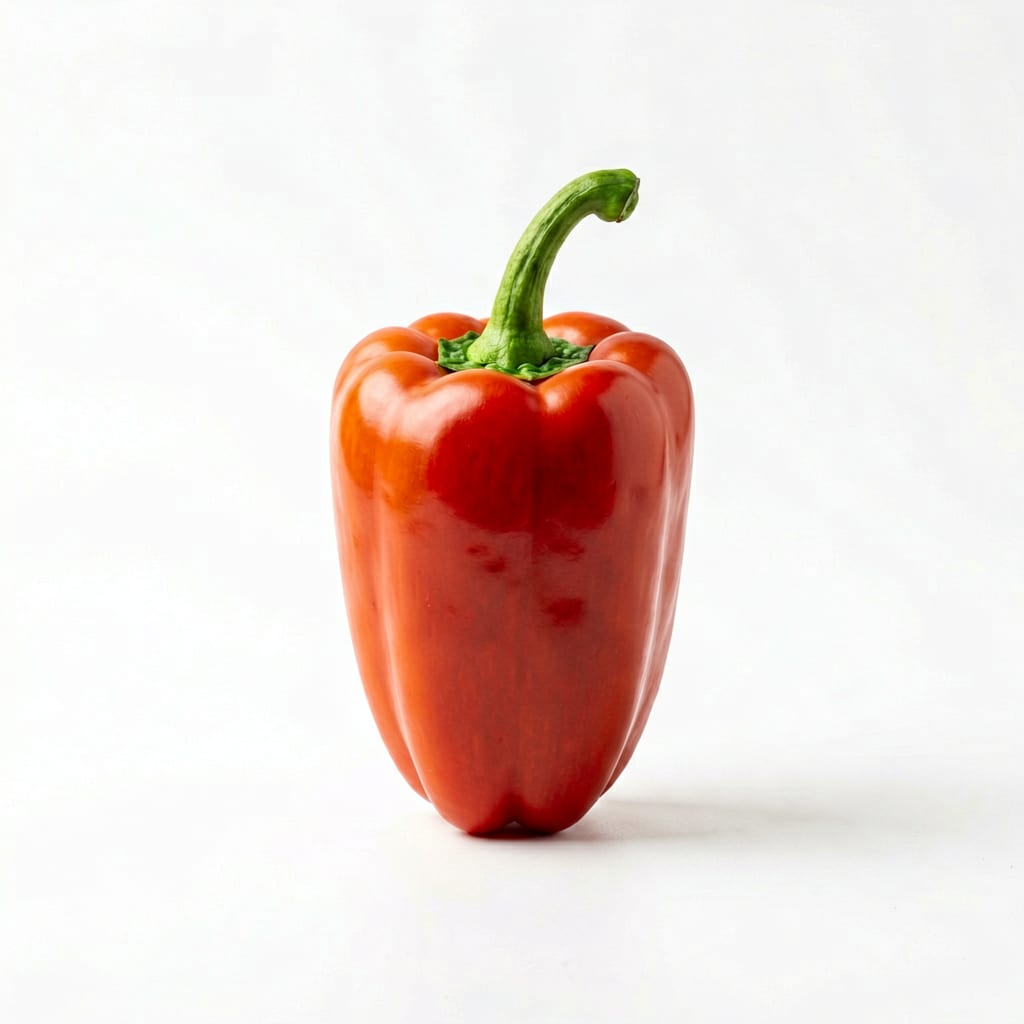
Chili Pepper
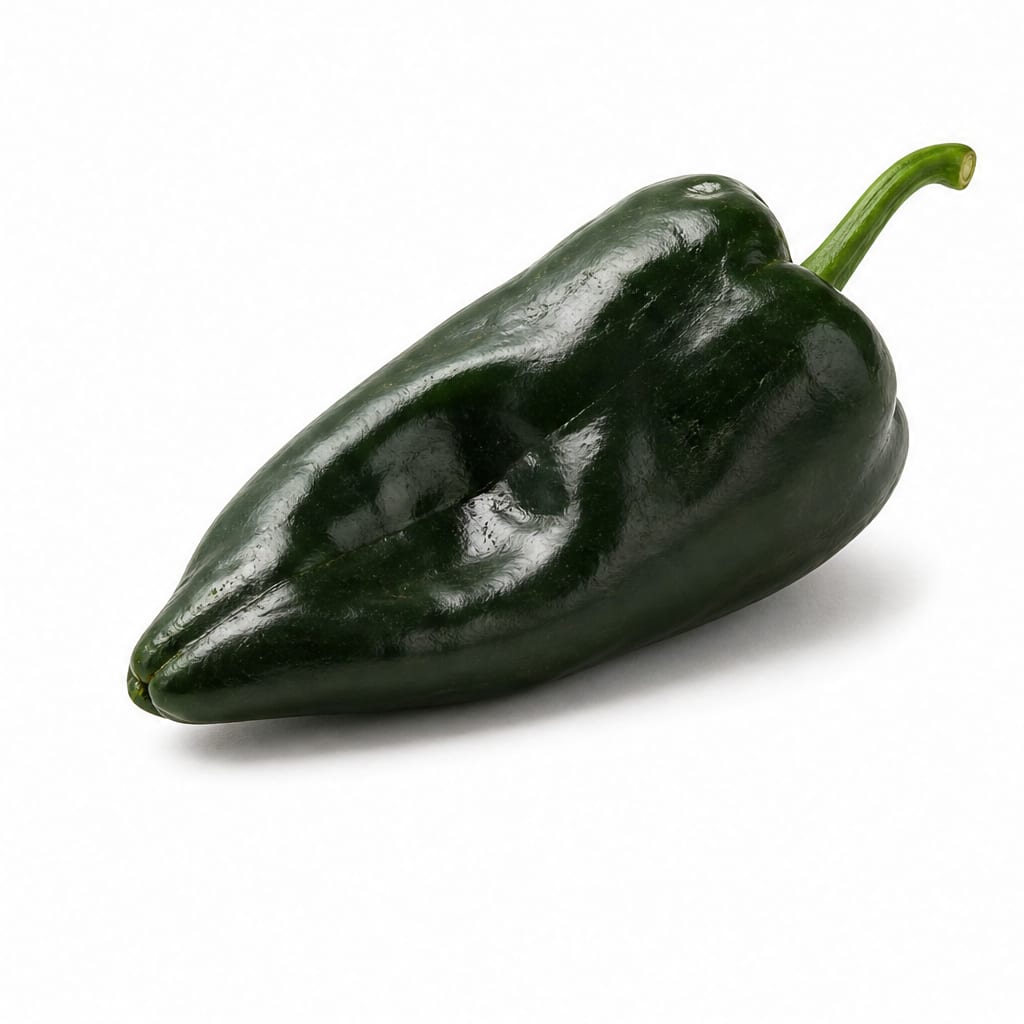
Poblano
Chili Pepper wins for metabolic boost and therapeutic capsaicin; Poblano wins for everyday eating and digestive comfort.
Poblano scores slightly higher overall because its mildness makes it sustainable for daily eating across more people. Chili Pepper earns stronger therapeutic marks but loses points on digestibility and everyday practicality.
Heat versus habitability — Chili Pepper delivers stronger health benefits through capsaicin but punishes sensitive stomachs, while Poblano offers gentle flavor nearly anyone can enjoy daily.
At a glance
Executive summary
Overall
It depends
Healthier
Chili Pepper
More practical
Poblano
Daily use
Poblano
Key comparison lenses
heat tolerance and digestive comfort
The defining difference between these peppers is spiciness, which directly affects who can eat them and how often
capsaicin health benefits
Chili Pepper delivers far more capsaicin, which drives metabolic and anti-inflammatory benefits but also side effects
everyday cooking versatility
Poblano's mild heat makes it far more usable across meals and family-friendly recipes
digestive and gut tolerance
Spicy chili triggers GI distress in many people while Poblano is generally well tolerated
nutrient density comparison
Both offer vitamins and antioxidants but Chili Pepper packs more per gram due to lower water content
Best choice for
Chili Pepper
- People seeking metabolic boost and fat-burning support
- Those who tolerate spicy food well and enjoy heat
- Anyone wanting maximum capsaicin anti-inflammatory benefits
- Experienced cooks making hot sauces or spicy dishes
Poblano
- Families needing a mild pepper everyone can eat
- People with sensitive stomachs or acid reflux
- Home cooks wanting versatile stuffing and roasting peppers
- Anyone new to cooking with fresh peppers
Least suitable for
Chili Pepper
- People with IBS, gastritis, or acid reflux
- Children and heat-sensitive eaters
- Anyone on a bland diet for medical reasons
Poblano
- Chiliheads craving serious heat and kick
- Those specifically seeking high capsaicin intake
- Recipes requiring intense spicy flavor
Deep comparison
Dimension by dimension
Each lens scores both foods and breaks down who each option suits.
- Dimension 1 · Priority 95Chili Pepper
capsaicin_and_metabolic_benefit
Chili Pepper · 92Poblano · 35Chili Pepper delivers dramatically more capsaicin, the compound linked to boosted metabolism, pain relief, and anti-inflammatory effects.
Tradeoff
You gain real therapeutic benefits from Chili Pepper's heat but risk stomach irritation and discomfort at higher intakes.
Why it matters
Capsaicin activates receptors that increase calorie burning and may reduce inflammation, but only at doses found in genuinely spicy peppers.
Real-world impact
Eating Chili Pepper regularly may slightly increase daily calorie burn and reduce joint pain, but you might also deal with heartburn or GI upset.
Chili Pepper
- Metabolic boost and mild fat-burning support
- Anti-inflammatory and pain-relief benefits
- Sinus clearing and congestion relief
Better for
- Can trigger heartburn, acid reflux, and stomach pain
- May worsen IBS symptoms or cause diarrhea
Worse for
Poblano
- Gentle introduction to pepper flavors without overwhelming heat
- Minimal risk of capsaicin-related stomach irritation
Better for
- Too mild to deliver meaningful capsaicin therapeutic effects
Worse for
- Dimension 2 · Priority 85Poblano
digestive_tolerance
Chili Pepper · 38Poblano · 88Poblano is gentle on the digestive system while Chili Pepper commonly causes burning, reflux, and GI distress in sensitive people.
Tradeoff
Chili Pepper's heat that drives health benefits is the same heat that makes it intolerable for many digestive systems.
Why it matters
If you cannot comfortably eat a food regularly, you will not get its benefits — consistency matters more than potency.
Real-world impact
Poblano can be eaten multiple times a week without digestive complaints; Chili Pepper often requires careful portioning and timing.
Chili Pepper
- May stimulate digestion and gastric motility in tolerant individuals
Better for
- Common trigger for heartburn and acid reflux
- Can irritate ulcers and inflamed stomach lining
- May cause cramping or diarrhea in sensitive people
Worse for
Poblano
- Comfortable for acid reflux and GERD sufferers
- Safe for sensitive stomachs and bland diets
- Unlikely to cause digestive distress at normal portions
Better for
- Lacks the digestive-stimulating effect capsaicin provides
Worse for
- Dimension 3 · Priority 75Chili Pepper
vitamin_and_antioxidant_density
Chili Pepper · 82Poblano · 68Chili Pepper packs more vitamin C and antioxidants per gram, partly because it has less water weight and more concentrated nutrients.
Tradeoff
The nutrient edge is real but modest — you would need to eat Chili Pepper in quantities that may cause discomfort to fully exploit it.
Why it matters
Both peppers are good nutrient sources, but Chili Pepper's density gives it a meaningful edge if you can handle the heat.
Real-world impact
A single Chili Pepper can provide over 100% of daily vitamin C needs; Poblano provides roughly half that per pepper.
Chili Pepper
- Higher vitamin C per serving — immune support
- More concentrated carotenoid antioxidants
- Greater vitamin A precursor content
Better for
- Nutrient advantage shrinks if you can only eat small amounts due to heat
Worse for
Poblano
- Still a solid source of vitamin C and B6
- More total volume eaten means decent nutrient intake overall
Better for
- Lower concentration of key antioxidants per gram
Worse for
- Dimension 4 · Priority 80Poblano
culinary_versatility_and_ease_of_use
Chili Pepper · 55Poblano · 90Poblano's mild heat and large size make it incredibly versatile for roasting, stuffing, and family meals. Chili Pepper is more niche.
Tradeoff
Chili Pepper adds excitement and heat but limits your audience; Poblano works in almost any dish for almost any eater.
Why it matters
A food you can cook with easily and serve to anyone gets eaten more often, delivering more real-world nutrition.
Real-world impact
Poblano stars in chiles rellenos, soups, and casseroles that kids and adults both enjoy. Chili Pepper is usually a condiment or accent.
Chili Pepper
- Essential for hot sauces, salsas, and spicy dishes
- Irreplaceable when you want genuine heat
- Small size makes it easy to add as a garnish
Better for
- Heat limits who can eat it and how much
- Requires gloves during prep to avoid skin irritation
- Can accidentally overpower a dish
Worse for
Poblano
- Perfect for stuffing with cheese, meat, or grains
- Roasts beautifully with rich smoky flavor
- Family-friendly and guest-safe for dinner parties
- Large size makes it a main ingredient, not just a garnish
Better for
- Cannot deliver the spicy kick many recipes need
Worse for
- Dimension 5 · Priority 70Poblano
safety_and_handling
Chili Pepper · 45Poblano · 85Chili Pepper poses real handling risks from capsaicin skin and eye irritation, while Poblano is safe to handle bare-handed.
Tradeoff
Chili Pepper demands careful prep with gloves and hand washing; Poblano can be chopped casually without worry.
Why it matters
If prep feels risky or annoying, you cook with the ingredient less often, reducing its real-world health contribution.
Real-world impact
Touching your eyes after cutting Chili Pepper causes intense burning; Poblano carries essentially zero handling risk.
Chili Pepper
- No unique safety advantages
Better for
- Capasaicin transfers to skin and causes burning
- Eye contact after handling causes severe pain
- Requires thorough hand washing and ideally gloves
Worse for
Poblano
- No capsaicin burn risk during food prep
- Safe to handle without gloves
- No risk of eye or skin irritation from residue
Better for
- No significant handling downsides
Worse for
Timeline
Health impact over time
Short-term
Hours to days
Chili Pepper
- Immediate metabolic rate increase from capsaicin
- Possible heartburn or stomach burning within minutes
- Sinus clearing and thermogenic sweating
- Endorphin rush from heat perception
Poblano
- Gentle digestive comfort with no burning sensation
- Mild vitamin C and B6 nutrient boost
- No adverse GI effects at normal portions
Long-term
Months to years
Chili Pepper
- Potential reduction in systemic inflammation with regular intake
- Possible modest improvement in metabolic health markers
- Risk of worsening chronic acid reflux or gastritis if overconsumed
- Habituation to spicy food may increase over time
Poblano
- Consistent gentle antioxidant intake without digestive strain
- Sustainable long-term inclusion in family meals
- Unlikely to contribute to any chronic GI conditions
Risk profile
Safety & processing
Both Chili Pepper and Poblano are whole, unprocessed vegetables with no additive concerns when purchased fresh. Choose organic if pesticide exposure worries you, as peppers are typically on the EWG's Dirty Dozen list.
Chili Pepper
capsaicin skin and eye contact
mediumHandling Chili Pepper without gloves can cause burning skin; touching eyes afterward causes intense pain lasting hours.
pesticide residue
mediumPeppers are frequently on the EWG Dirty Dozen list; washing helps but does not remove all residues.
overconsumption GI distress
mediumEating too much Chili Pepper at once can cause acute stomach pain, cramping, or diarrhea.
Poblano
pesticide residue
mediumSimilar to Chili Pepper, Poblano is a pepper crop with moderate pesticide exposure risk.
capsaicin skin contact
lowPoblano has very low capsaicin levels; handling irritation is rare but possible for highly sensitive individuals.
Who wins for whom
Audience fit
Same foods, different winners depending on your goal.
children
PoblanoPoblano's mild heat makes it appropriate for kids' meals; Chili Pepper is overwhelmingly too spicy for most children.
daily consumption
PoblanoPoblano can be eaten daily without digestive consequences; Chili Pepper's heat limits most people to occasional use.
diabetes
Chili PepperCapsaicin may improve insulin sensitivity and glucose metabolism, giving Chili Pepper a slight edge for blood sugar management.
elderly
PoblanoOlder adults often have more sensitive digestion and may be on medications that interact poorly with spicy food; Poblano is the safer choice.
muscle gain
It dependsNeither pepper is a meaningful protein source; both add flavor to muscle-building meals without directly contributing to muscle gain.
weight loss
Chili PepperChili Pepper's capsaicin slightly boosts metabolic rate and may reduce appetite, giving it a modest edge for fat loss — if you can tolerate the heat.
Your move
Decision guide
Choose Chili Pepper
- You enjoy spicy food and tolerate heat well
- You want maximum capsaicin's metabolic and anti-inflammatory benefits
- You are making hot sauces, spicy salsas, or heat-forward dishes
- You have no history of acid reflux, ulcers, or IBS
Choose Poblano
- You want a flavorful pepper that will not overwhelm anyone at the table
- You have acid reflux, sensitive digestion, or are cooking for kids
- You want to stuff, roast, or use pepper as a main ingredient
- You plan to eat peppers daily and need something sustainable
Either works if
- You are making a mixed pepper dish where both heat and body are welcome
- You want variety in your vegetable rotation throughout the week
Avoid both if
- You have a nightshade sensitivity or allergy
- You are on a strict low-FODMAP diet and react to peppers
- You are experiencing active GI inflammation and need a bland diet
Final recommendation
Keep both in your kitchen. Use Poblano as your everyday cooking pepper for meals the whole household can enjoy, and reach for Chili Pepper when you specifically want heat, metabolic boost, or therapeutic capsaicin. They serve different purposes and complement each other well.
Practical
Consumer tips
- 1
Wear gloves when cutting Chili Pepper and never touch your eyes afterward — capsaicin residue lingers on skin for hours
- 2
Poblano peels easily after roasting: char the skin directly over a flame, then steam in a sealed bag for 10 minutes
- 3
Buy organic peppers when possible — both Chili Pepper and Poblano rank high for pesticide residue
- 4
Start with Poblano if you are new to cooking with fresh peppers; graduate to Chili Pepper as your heat tolerance builds
- 5
Remove seeds and membranes from Chili Pepper to reduce heat while keeping flavor — this makes it more approachable