
Nutrition comparison
Chili Pepper vs Ginger: Metabolism Booster vs Digestive Soother
Compare Chili Pepper and Ginger to find out which spice is better for weight loss, nausea, and inflammation. Discover the tradeoffs between capsaicin and gingerol.

Chili Pepper
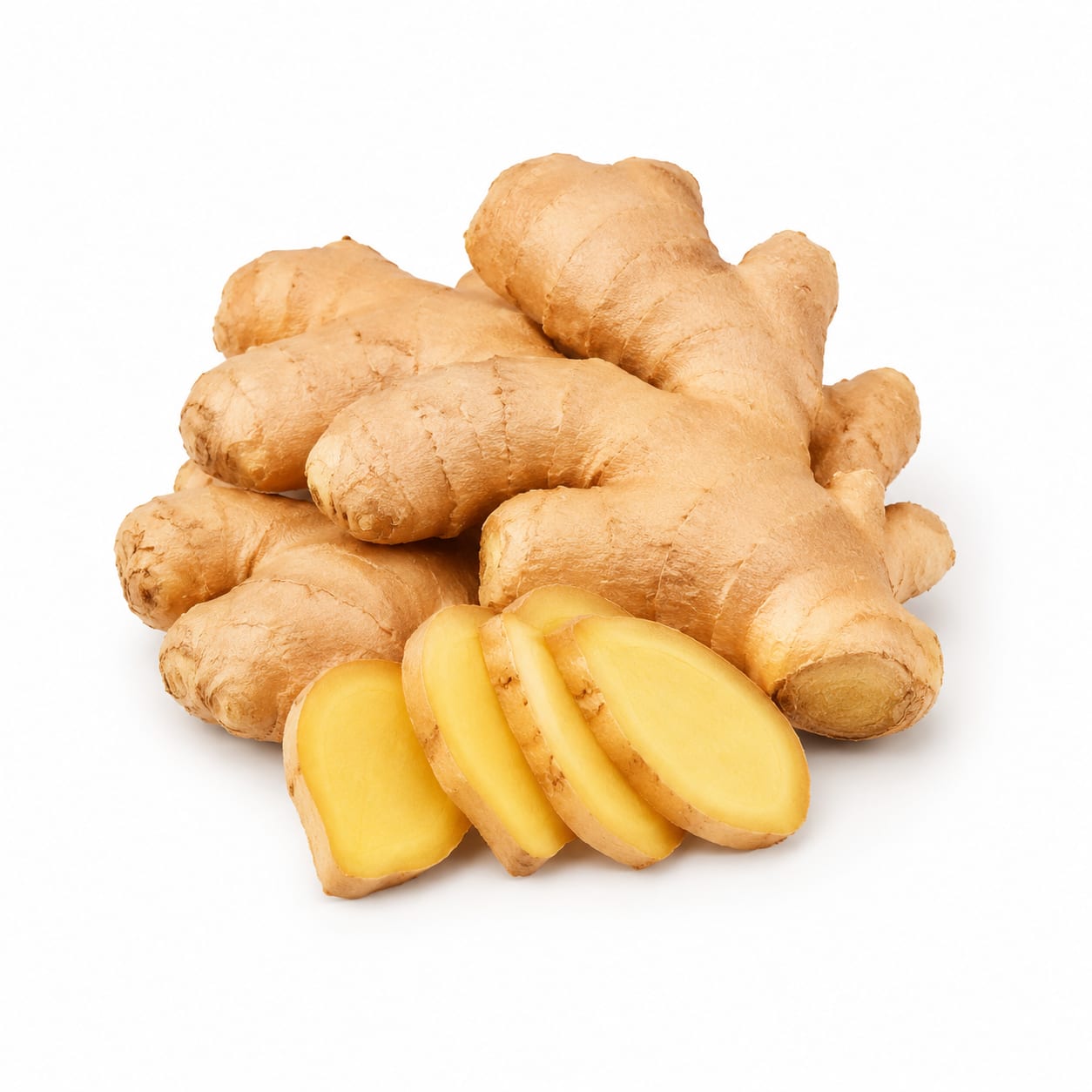
Ginger
Ginger is the digestive soother; Chili Pepper is the metabolic fire-starter.
Ginger scores higher because it is gentler on the digestive system and safer for daily, repeated use. Chili Pepper is powerful for metabolism but carries a higher risk of stomach irritation, limiting its universal appeal.
You trade stomach comfort and nausea relief for a stronger calorie-burning kick.
At a glance
Executive summary
Overall
It depends
Healthier
It depends
More practical
Ginger
Daily use
Ginger
Key comparison lenses
digestive tolerance
Chili Pepper irritates the stomach lining while Ginger soothes it, making this the most critical daily tradeoff
metabolic boost and weight management
Capsaicin in Chili Pepper is a proven thermogenic, whereas Ginger offers milder metabolic support
nausea and motion sickness relief
Ginger is a gold-standard remedy for nausea, an area where Chili Pepper offers no benefit
anti inflammatory pathways
Both reduce inflammation but through different mechanisms, making them complementary for joint and muscle pain
pain management
Capsaicin is used topically for nerve pain while Ginger is ingested for systemic inflammation
Best choice for
Chili Pepper
- People targeting aggressive metabolic boosts
- Those wanting to clear sinus congestion
- Individuals using food to manage nerve pain topically
Ginger
- Pregnant women dealing with morning sickness
- People with sensitive stomachs or acid reflux
- Anyone needing steady anti-inflammatory support without heat
Least suitable for
Chili Pepper
- People with ulcers or GERD
- Those prone to heartburn
- Individuals with irritable bowel syndrome
Ginger
- People on blood-thinning medications
- Those who dislike the earthy flavor profile
- Individuals seeking a strong thermogenic fat-burning effect
Deep comparison
Dimension by dimension
Each lens scores both foods and breaks down who each option suits.
- Dimension 1 · Priority 95Ginger
digestive_comfort
Chili Pepper · 40Ginger · 95Ginger calms the stomach, while Chili Pepper can easily upset it.
Tradeoff
You sacrifice the metabolic heat of capsaicin to avoid heartburn and indigestion.
Why it matters
If you cannot tolerate spicy food, Chili Pepper will cause more harm than good.
Real-world impact
Eating Ginger after a heavy meal feels settling; eating Chili Pepper might keep you up with heartburn.
Chili Pepper
- Sluggish digestion needing a jolt
Better for
- Acid reflux flare-ups
- Ulcer irritation
Worse for
Ginger
- Nausea relief
- Upset stomach recovery
- Morning sickness
Better for
- Quick digestive stimulation
Worse for
- Dimension 2 · Priority 88Chili Pepper
metabolic_boost
Chili Pepper · 90Ginger · 65Chili Pepper significantly raises body temperature and calorie burn; Ginger offers only mild metabolic support.
Tradeoff
You get a stronger fat-burning signal but risk sweating and digestive warmth crossing into discomfort.
Why it matters
Capsaicin is one of the few natural compounds with proven thermogenic effects.
Real-world impact
Adding Chili Pepper to a meal makes you sweat and feel full faster; Ginger just adds a pleasant warmth.
Chili Pepper
- Pre-workout energy
- Weight loss plateaus
- Warming up in cold weather
Better for
- Hot summer days
- Nighttime meals
Worse for
Ginger
- Gentle daily metabolism support
Better for
- Immediate calorie-burning spikes
Worse for
- Dimension 3 · Priority 85Ginger
nausea_and_motion_sickness_relief
Chili Pepper · 10Ginger · 98Ginger is a clinically proven anti-nausea powerhouse; Chili Pepper offers zero benefit here and may worsen nausea.
Tradeoff
None. Ginger dominates this category entirely.
Why it matters
For pregnant women or travelers, Ginger is a natural, safe remedy that actually works.
Real-world impact
Sipping Ginger tea stops car sickness; eating a Chili Pepper would make it much worse.
Chili Pepper
- Any situation involving an upset stomach
Worse for
Ginger
- Pregnancy-related nausea
- Motion sickness
- Post-chemotherapy nausea
Better for
- Dimension 4 · Priority 80It depends
anti_inflammatory_and_pain_relief
Chili Pepper · 82Ginger · 85Ginger reduces systemic inflammation internally; Chili Pepper desensitizes pain nerves topically.
Tradeoff
Internal soothing versus external pain blocking.
Why it matters
They tackle pain differently, making them useful for different types of discomfort.
Real-world impact
Ginger helps with achy joints over time; Chili Pepper cream helps with localized nerve pain immediately.
Chili Pepper
- Topical joint pain relief
- Nerve pain management
Better for
- Internal inflammatory conditions
Worse for
Ginger
- Systemic joint stiffness
- Muscle soreness recovery
Better for
- Acute localized nerve pain
Worse for
- Dimension 5 · Priority 70It depends
immune_support
Chili Pepper · 80Ginger · 82Chili Pepper provides massive Vitamin C; Ginger offers strong antiviral compounds.
Tradeoff
Direct immune nutrients versus pathogen-fighting oils.
Why it matters
Both are excellent cold remedies but serve different defensive roles.
Real-world impact
Chili Pepper helps clear a stuffed nose and provides Vitamin C; Ginger fights the underlying bug and soothes the throat.
Chili Pepper
- Clearing sinus congestion
- Boosting Vitamin C intake
Better for
- Soothing a scratchy throat
Worse for
Ginger
- Soothing sore throats
- Fighting early cold symptoms
Better for
- Clearing severe congestion
Worse for
Timeline
Health impact over time
Short-term
Hours to days
Chili Pepper
- Immediate sweating and warmth
- Potential heartburn or stomach burning
- Endorphin rush from the spicy heat
- Sinus clearing
Ginger
- Rapid stomach settling
- Reduction in nausea within minutes
- Gentle internal warming without burning
Long-term
Months to years
Chili Pepper
- Increased fat oxidation and metabolic rate
- Potential worsening of GERD or ulcers if overconsumed
- Improved pain tolerance over time
Ginger
- Reduced systemic inflammation and joint pain
- Improved digestive regularity
- Possible blood thinning effects requiring medication monitoring
Risk profile
Safety & processing
Both are whole, natural plant foods typically consumed raw, dried, or powdered with minimal processing.
Chili Pepper
Capsaicin contact burn
mediumHandling cut Chili Peppers can burn skin and cause severe pain if rubbed into eyes.
Gastrointestinal irritation
highCan trigger severe acid reflux, gastritis, or worsen existing ulcers in sensitive individuals.
Ginger
Blood thinning interaction
mediumHigh doses of Ginger can amplify the effects of anticoagulant medications like Warfarin.
Heartburn in excess
lowThough rare, consuming very large amounts of Ginger can paradoxically cause mild heartburn.
Who wins for whom
Audience fit
Same foods, different winners depending on your goal.
children
GingerGinger is gentle, palatable in small doses, and great for kids' stomach aches; Chili Pepper is too harsh.
daily consumption
GingerGinger is easier on the stomach and can be consumed daily in tea or cooking without irritation.
diabetes
GingerGinger has been shown to improve fasting blood sugar levels without the digestive stress Chili Pepper can cause.
elderly
GingerGinger supports aging joints and digestion without the gastrointestinal risks of spicy food.
muscle gain
It dependsNeither directly builds muscle, but Chili Pepper boosts metabolism while Ginger aids post-workout recovery.
weight loss
Chili PepperCapsaicin provides a stronger thermogenic effect, helping burn slightly more calories per meal.
Your move
Decision guide
Choose Chili Pepper
- You want a strong metabolic boost for weight loss
- You have clear sinuses and want to keep them that way
- You enjoy spicy food and have an iron stomach
Choose Ginger
- You struggle with nausea, morning sickness, or motion sickness
- You have a sensitive stomach or acid reflux
- You want daily anti-inflammatory benefits without the burn
Either works if
- You are fighting off a common cold
- You want to add warming flavor complexity to a stir-fry or soup
Avoid both if
- You are experiencing acute gastrointestinal bleeding
- You are about to undergo surgery due to potential blood thinning effects
Final recommendation
Use Ginger as your daily health tonic for steady, soothing benefits. Save Chili Pepper for when you need a metabolic kick, a sinus clear, or a flavorful punch, but respect its heat and listen to your stomach.
Practical
Consumer tips
- 1
Remove the seeds and ribs from Chili Peppers to keep the flavor but cut the burning heat
- 2
Steep fresh Ginger in hot water with lemon for a stomach-settling morning drink
- 3
Wear gloves when handling spicy Chili Peppers to avoid capsaicin burns on your skin
- 4
Add Chili Pepper to meals earlier in the day to avoid nighttime heartburn
- 5
Keep Ginger chews in your bag for instant motion sickness relief on flights or car rides