
Nutrition comparison
Chili Pepper vs Bell Pepper: Nutrition, Metabolism, and Digestion Compared
Chili peppers boost metabolism with capsaicin while bell peppers deliver massive vitamin C in gentle, versatile servings. Learn which pepper fits your health goals and how to use both effectively.
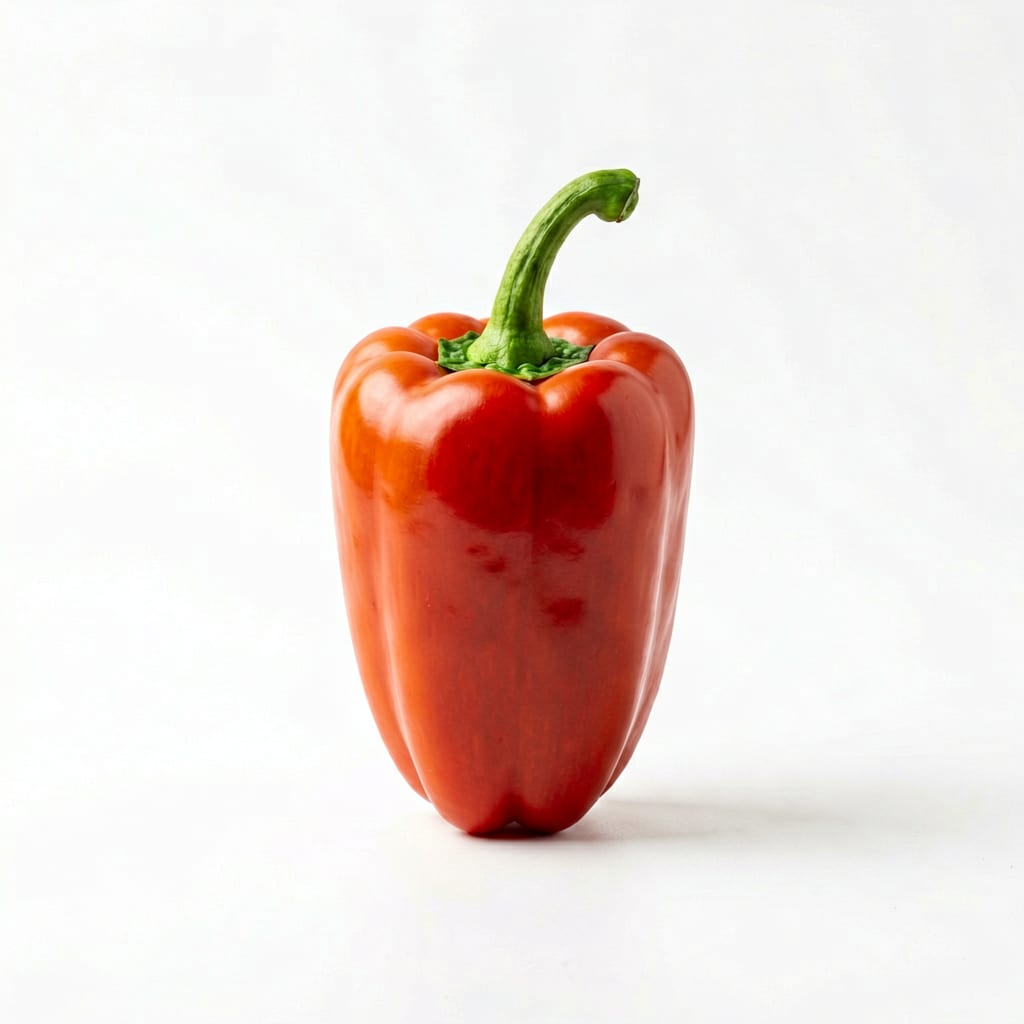
Chili Pepper
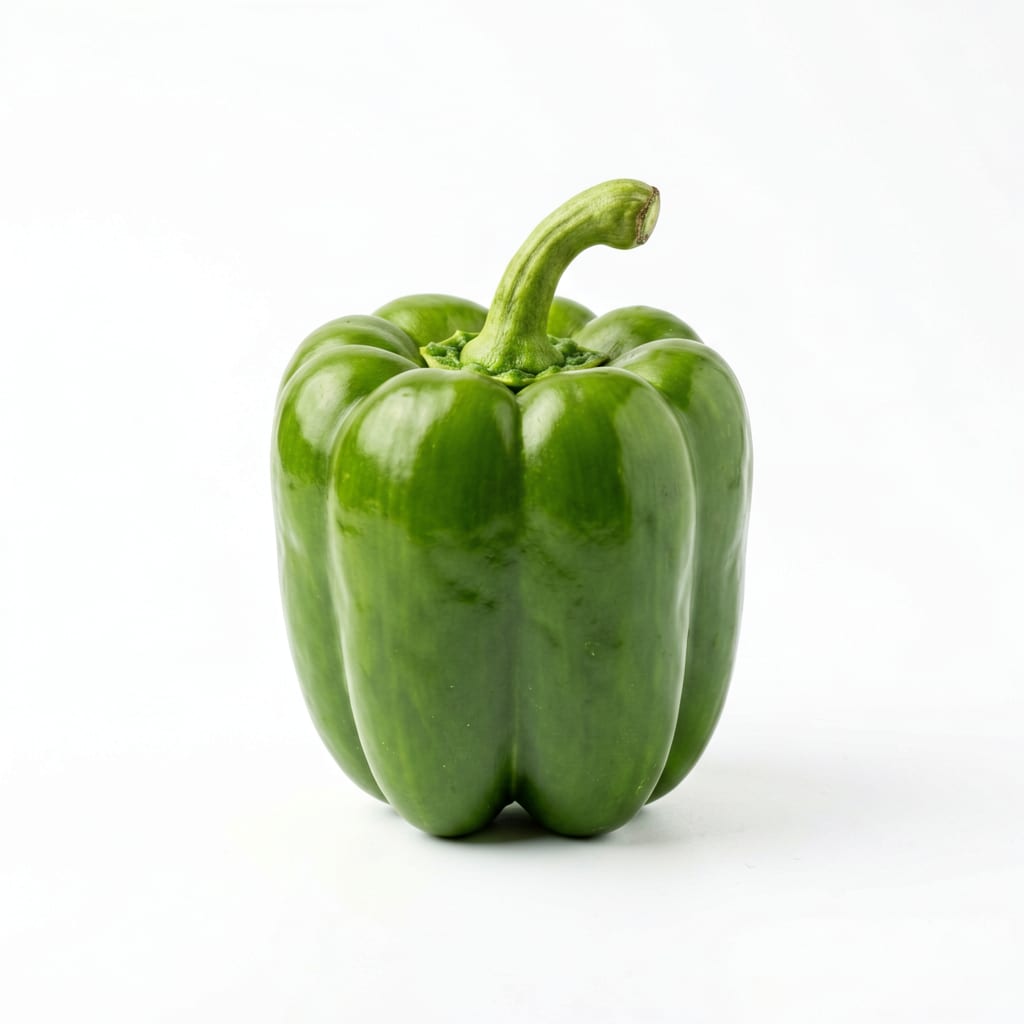
Bell Pepper
Bell peppers win for everyday nutrition and volume, but chili peppers deliver unique metabolic benefits no other food provides.
Bell peppers score higher overall because you can consume them in meaningful volumes, unlocking far more total nutrients per eating occasion. Chili peppers offer unique bioactive compounds but the tiny serving sizes limit their total nutritional contribution.
You can eat a whole bell pepper easily and get massive vitamin C, but a tiny chili pepper gives you capsaicin benefits that bell peppers simply cannot offer.
At a glance
Executive summary
Overall
It depends
Healthier
Bell Pepper
More practical
Bell Pepper
Daily use
Bell Pepper
Key comparison lenses
nutrient density and vitamin content comparison
Both peppers are vitamin powerhouses but differ significantly in how much you can realistically eat
digestive tolerance and gut sensitivity
Capsaicin in chili peppers can trigger or irritate digestive conditions while bell peppers are generally gentle
metabolic and anti-inflammatory benefits
Chili peppers offer unique capsaicin-driven metabolic effects that bell peppers cannot match
practical daily consumption volume
Bell peppers can be eaten in large quantities easily while chili peppers are used in small amounts
culinary versatility and meal integration
Users want to know which pepper fits more meals and eating situations
Best choice for
Chili Pepper
- Metabolism boosting and fat oxidation support
- Pain management and anti-inflammatory protocols
- People seeking cardiovascular protective compounds
- Those who enjoy spicy food and want functional benefits
Bell Pepper
- Maximum vitamin C intake per serving
- Gentle digestion and sensitive stomachs
- Children and elderly who avoid spice
- Bulk eating for satiety and fiber
Least suitable for
Chili Pepper
- People with IBS, acid reflux, or GERD
- Children and spice-sensitive individuals
- Those with stomach ulcers or gastritis
- Anyone needing to eat large volumes of produce
Bell Pepper
- Those specifically seeking capsaicin's metabolic boost
- People wanting natural pain relief compounds
- Very low-calorie strict diets where even mild calories matter
Deep comparison
Dimension by dimension
Each lens scores both foods and breaks down who each option suits.
- Dimension 1 · Priority 93Bell Pepper
Vitamin C and Micronutrient Density
Chili Pepper · 72Bell Pepper · 95Bell peppers deliver far more vitamin C per realistic serving because you can easily eat an entire pepper. Chili peppers are dense in vitamins per gram but the small amount consumed limits total intake.
Tradeoff
Chili peppers have higher concentration per gram, but bell peppers win on total nutrients actually consumed in a typical meal.
Why it matters
Vitamin C supports immunity, collagen production, and iron absorption. Getting enough matters more than concentration metrics.
Real-world impact
One medium bell pepper provides over 150% of your daily vitamin C. You would need to eat an unrealistic amount of chili peppers to match that.
Chili Pepper
- Concentrated micronutrient dosing in tiny amounts
Better for
- Impossible to eat enough volume for full vitamin C benefit
Worse for
Bell Pepper
- Meeting daily vitamin C needs in a single serving
- Getting substantial vitamin A and B6 alongside vitamin C
- People who want visible, satisfying portions of nutritious food
Better for
- Lacks the concentrated bioactive punch per gram
Worse for
- Dimension 2 · Priority 88Chili Pepper
Metabolic and Anti-Inflammatory Effects
Chili Pepper · 91Bell Pepper · 45Capsaicin in chili peppers provides documented metabolic and anti-inflammatory benefits that bell peppers simply do not offer.
Tradeoff
You gain real metabolic activation from chili peppers but must tolerate the heat and potential digestive irritation.
Why it matters
Capsaicin has been linked to modest fat oxidation increases, appetite reduction, and reduced inflammatory markers in research.
Real-world impact
Regular chili pepper consumption is associated with lower cardiovascular mortality in large population studies. Bell peppers have no equivalent evidence.
Chili Pepper
- Natural metabolism and fat oxidation support
- Cardiovascular protective associations
- Appetite modulation and satiety signaling
- Natural pain relief through capsaicin pathways
Better for
- Benefits require consistent consumption which may irritate sensitive stomachs
Worse for
Bell Pepper
- Antioxidant support without any digestive risk
Better for
- Missing the entire capsaicin pathway of metabolic benefit
Worse for
- Dimension 3 · Priority 86Bell Pepper
Digestive Tolerance and Gut Comfort
Chili Pepper · 35Bell Pepper · 88Bell peppers are gentle on most digestive systems while chili peppers can trigger significant discomfort in sensitive individuals.
Tradeoff
Chili peppers may irritate your gut even as they provide metabolic benefits. Bell peppers nourish without provocation.
Why it matters
If you cannot tolerate a food regularly, you cannot sustain its benefits long-term.
Real-world impact
Chili peppers can worsen acid reflux, IBS flares, and heartburn. Bell peppers rarely cause digestive issues unless you have specific nightshade sensitivities.
Chili Pepper
- May stimulate digestion and gut motility in tolerant individuals
Better for
- Common trigger for heartburn and acid reflux
- Can irritate IBS and existing stomach inflammation
- May cause uncomfortable burning during digestion
Worse for
Bell Pepper
- Safe for acid reflux and GERD sufferers
- Gentle enough for children and elderly
- No risk of stomach burning or irritation
- Can be eaten in large volumes without digestive consequences
Better for
- Nightshade sensitivity can still affect some people
Worse for
- Dimension 4 · Priority 79Bell Pepper
Practical Consumption Volume and Satiety
Chili Pepper · 25Bell Pepper · 90Bell peppers are a high-volume, low-calorie food you can build meals around. Chili peppers are a garnish or seasoning.
Tradeoff
Chili peppers add flavor impact but virtually zero bulk. Bell peppers fill your plate and your stomach.
Why it matters
Foods you can eat in satisfying volumes support weight management and long-term dietary adherence.
Real-world impact
A stuffed bell pepper is a complete meal. A chili pepper is something you add to a meal for heat.
Chili Pepper
- Flavor enhancement without adding calories
Better for
- Cannot function as a standalone food
- Provides almost zero satiety
Worse for
Bell Pepper
- Actual meal component with satisfying crunch and volume
- Significant fiber per serving for fullness
- Can replace higher-calorie foods in meals
- Works as a snack on its own
Better for
- Takes up more storage and prep space
Worse for
- Dimension 5 · Priority 74It depends
Culinary Versatility
Chili Pepper · 70Bell Pepper · 85Bell peppers work in far more dishes and cuisines as a base ingredient. Chili peppers excel as a flavor amplifier in specific applications.
Tradeoff
Bell peppers are universally adaptable. Chili peppers are indispensable when you need heat but limiting when you do not.
Why it matters
A food you can use daily in multiple ways delivers more consistent nutritional value than one reserved for special dishes.
Real-world impact
Bell peppers go into salads, stir-fries, fajitas, soups, and raw snack plates. Chili peppers go into hot sauces, curries, and spicy dishes only.
Chili Pepper
- Essential for specific cuisines like Thai, Mexican, and Indian
- Adds depth and complexity that bell peppers cannot replicate
- Small amounts transform entire dishes
Better for
- Unusable for anyone avoiding spicy food
- Limited to flavoring role rather than ingredient role
Worse for
Bell Pepper
- Works raw, roasted, grilled, sautéed, or stuffed
- Appeals to all palates including children
- Functions as main ingredient or side dish
- Multiple color varieties add visual appeal to meals
Better for
- Cannot provide the heat and flavor depth that many dishes require
Worse for
Timeline
Health impact over time
Short-term
Hours to days
Chili Pepper
- Immediate metabolic rate increase within hours of consumption
- Potential heartburn or stomach warmth shortly after eating
- Temporary appetite suppression from capsaicin signaling
- Possible sweating and mild thermogenic sensation
Bell Pepper
- Quick vitamin C boost supporting immediate immune function
- Gentle hydration from high water content
- Comfortable digestion with no irritation risk
- Satisfying crunch that supports mindful eating pace
Long-term
Months to years
Chili Pepper
- Associated with reduced cardiovascular mortality in population studies
- Consistent capsaicin intake may support healthy cholesterol patterns
- Potential for reduced chronic inflammation markers
- Risk of developing tolerance requiring higher doses for same effect
- Possible aggravation of chronic digestive conditions with regular use
Bell Pepper
- Sustained high vitamin C intake supports collagen and skin health over decades
- Consistent antioxidant exposure may reduce oxidative stress damage
- High volume low calorie eating pattern supports healthy weight maintenance
- Carotenoid accumulation supports long-term eye health
- No known long-term adverse effects from regular consumption
Risk profile
Safety & processing
Both peppers are whole, unprocessed foods in their natural state. Neither carries meaningful processing concerns when purchased fresh.
Chili Pepper
Capsaicin skin and eye irritation during prep
mediumHandling chili peppers without gloves can cause burning sensation on skin and severe eye irritation if you touch your face. Always wash hands thoroughly or wear gloves.
Pesticide residue on conventional varieties
lowChili peppers can carry pesticide residues. Washing thoroughly or choosing organic reduces exposure.
Contamination from improper drying or storage
lowDried chili products can develop mold or aflatoxin if stored in humid conditions. Source from reputable suppliers.
Bell Pepper
Pesticide residue on conventional bell peppers
mediumBell peppers consistently appear on the Environmental Working Group's Dirty Dozen list. They tend to retain more pesticide residue than many other vegetables. Organic is worth considering.
Nightshade sensitivity reactions
lowSome individuals with autoimmune conditions or specific sensitivities may experience joint pain or inflammation from nightshade vegetables including bell peppers.
Bacterial contamination on raw peppers
lowLike all raw produce, bell peppers can carry surface bacteria. Thorough washing before eating raw eliminates most risk.
Who wins for whom
Audience fit
Same foods, different winners depending on your goal.
children
Bell PepperChildren overwhelmingly prefer sweet bell peppers over spicy chili peppers. Bell peppers are also a safe, mild source of vitamins without any risk of mouth or stomach burning.
daily consumption
Bell PepperYou can eat bell peppers every day in large amounts with no downsides. Daily chili pepper consumption is possible but carries more risk of digestive irritation and is harder to sustain.
diabetes
Bell PepperBell peppers have negligible impact on blood sugar and provide fiber that supports glucose stability. Chili peppers also have minimal glycemic impact but their potential to irritate the digestive tract is an unnecessary risk for diabetics with gastroparesis or neuropathy.
elderly
Bell PepperOlder adults often have more sensitive digestion and may take medications that interact poorly with spicy foods. Bell peppers provide gentle nutrition without irritation risk.
muscle gain
It dependsNeither pepper is a significant protein source. Bell peppers offer more vitamin C which supports collagen and tissue repair. Chili peppers may slightly aid circulation during training. Both are supporting players, not main contributors.
weight loss
Bell PepperBell peppers provide high volume and fiber for very few calories, making them ideal for filling up without overeating. Chili peppers may slightly boost metabolism but the effect is modest and the tiny serving size provides no satiety.
Your move
Decision guide
Choose Chili Pepper
- You want metabolic and cardiovascular benefits from capsaicin
- You enjoy spicy food and tolerate it well
- You are looking for natural appetite modulation
- You cook cuisines that rely on chili heat as a core flavor
- You have no history of acid reflux, IBS, or stomach ulcers
Choose Bell Pepper
- You want maximum vitamin C and antioxidants per serving
- You have sensitive digestion or acid reflux concerns
- You are feeding children or elderly family members
- You want a high-volume low-calorie food for weight management
- You need versatile ingredients that work in any meal
- You prefer mild, sweet flavors over heat
Either works if
- You want to add more colorful produce to your diet
- You are looking for natural whole-food vitamin sources
- You want to reduce reliance on processed flavor enhancers
Avoid both if
- You have a confirmed nightshade allergy or sensitivity
- You are on a very strict low-FODMAP elimination phase
Final recommendation
Eat bell peppers daily as a nutritional foundation and add chili peppers strategically when you want their unique metabolic benefits. You do not have to choose. Bell peppers are your everyday workhorse. Chili peppers are your targeted supplement. The best approach uses both for different purposes.
Practical
Consumer tips
- 1
Buy organic bell peppers when possible since they rank high for pesticide residue
- 2
Wear gloves when handling chili peppers to avoid capsaicin burns on your skin
- 3
Start with very small amounts of chili pepper if you are new to spicy food and gradually increase
- 4
Red bell peppers contain more vitamin C and vitamin A than green ones because they are fully ripe
- 5
Dried chili powder loses potency over time so replace it every 6 months for best flavor and capsaicin content
- 6
Roasting bell peppers actually increases the bioavailability of certain carotenoids
- 7
If chili peppers cause you heartburn, try milder varieties like Anaheim or poblano instead of giving up entirely
- 8
Freeze excess bell peppers chopped and ready for stir-fries to reduce waste