
Nutrition comparison
Chili Pepper vs Serrano: Heat, Health Benefits, and Which to Choose
Comparing generic chili peppers and serrano peppers on heat level, capsaicin content, digestive tolerance, and kitchen versatility. Find which pepper fits your cooking and health goals.
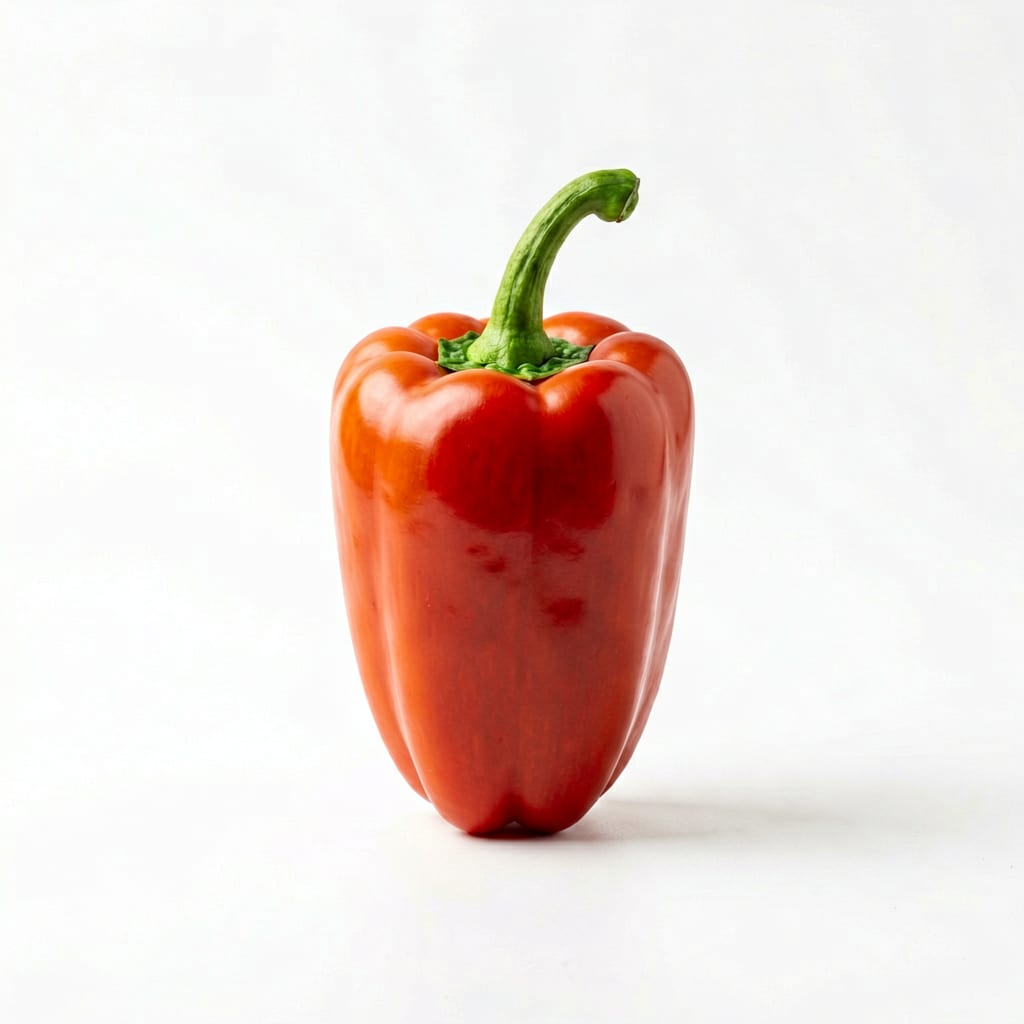
Chili Pepper
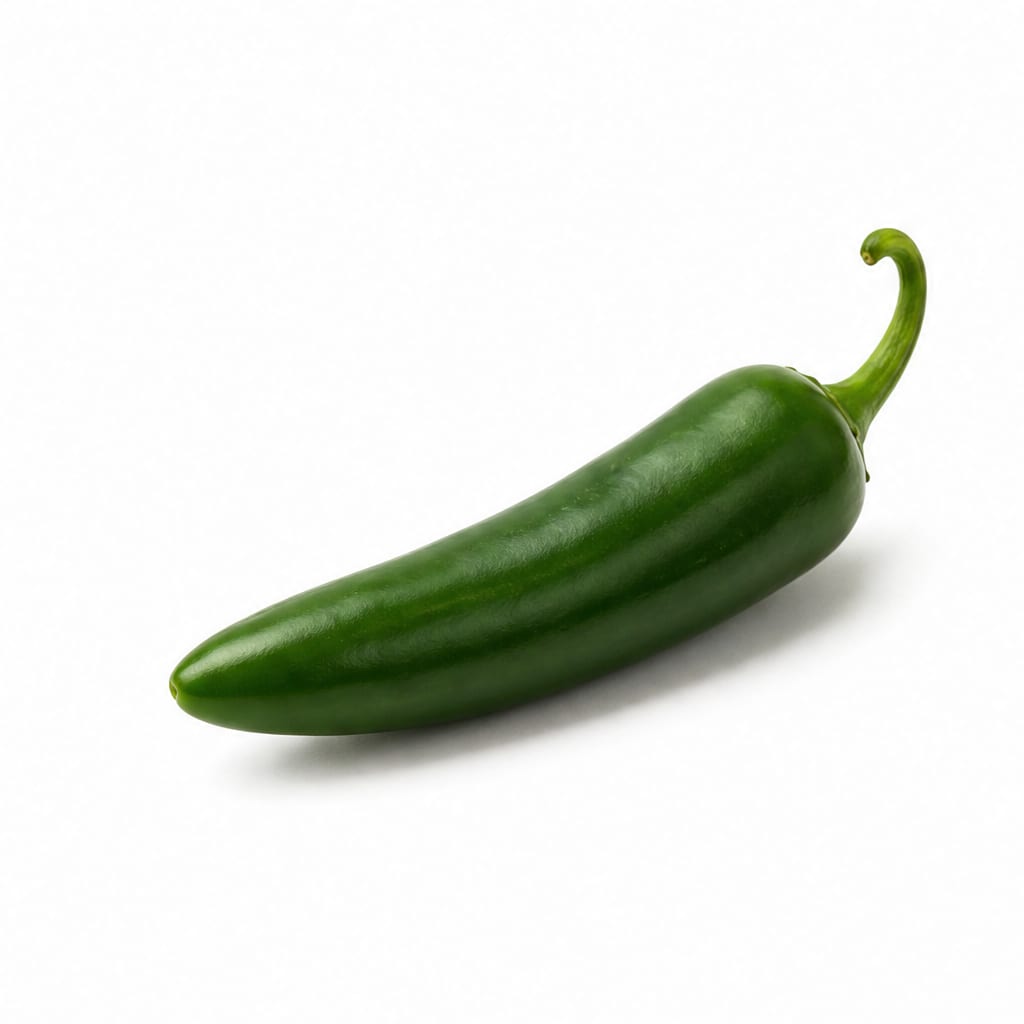
Serrano
Serrano delivers more heat and slightly more concentrated nutrients, but generic chili peppers offer broader kitchen versatility and easier daily eating.
Chili Pepper scores slightly higher for everyday practicality and broader usability. Serrano earns strong marks for potency and authenticity but loses points on accessibility and digestive comfort.
Intensity versus approachability — Serrano packs more capsaicin punch per bite, while generic chili peppers are gentler and more adaptable to varied dishes.
At a glance
Executive summary
Overall
It depends
Healthier
It depends
More practical
Chili Pepper
Daily use
Chili Pepper
Key comparison lenses
heat tolerance and culinary use
The primary decision factor between these peppers is heat level and how that affects cooking and enjoyment
capsaicin health benefits
Both deliver capsaicin but at different intensities, impacting metabolic and anti-inflammatory benefits
digestive comfort
Heat sensitivity directly affects stomach comfort and tolerability for daily use
kitchen versatility
Serrano's intensity limits its use cases compared to milder generic chili peppers
nutritional density
Both are low-calorie nutrient sources but differ slightly in concentration
Best choice for
Chili Pepper
- Cooks who want manageable heat in everyday meals
- Households with mixed spice tolerance
- Recipes where pepper flavor matters more than fire
- People new to cooking with fresh chilies
Serrano
- Heat seekers who want maximum capsaicin per pepper
- Authentic Mexican salsa and sauce recipes
- Experienced cooks comfortable with hot peppers
- Those targeting higher capsaicin intake for metabolic benefits
Least suitable for
Chili Pepper
- People seeking intense heat and bold spice
- Traditional Mexican dishes where serrano is standard
- Anyone wanting maximum capsaicin per serving
Serrano
- Sensitive stomachs or acid reflux sufferers
- Children or anyone with low spice tolerance
- Subtle dishes where heat would overwhelm other flavors
- Quick snacks or raw eating for most people
Deep comparison
Dimension by dimension
Each lens scores both foods and breaks down who each option suits.
- Dimension 1 · Priority 95Serrano
heat_intensity_and_capsaicin
Chili Pepper · 55Serrano · 88Serrano delivers roughly 3-5 times more heat than a typical generic chili pepper, translating to significantly more capsaicin per gram.
Tradeoff
More capsaicin means stronger anti-inflammatory and metabolic benefits, but also higher risk of digestive discomfort and overpowering dishes.
Why it matters
Capsaicin drives most of the health benefits people seek from hot peppers, but the dose that heals can also irritate.
Real-world impact
One serrano can do the work of three generic chili peppers in a salsa, but eating one raw would be punishing for most people.
Chili Pepper
- Gradual capsaicin intake without overwhelming heat
- People building spice tolerance slowly
- Dishes needing gentle warmth
Better for
- Lower capsaicin per serving limits therapeutic potential
- May need multiple peppers to match serrano intensity
Worse for
Serrano
- Maximum capsaicin delivery per pepper eaten
- Metabolic boost seekers
- Traditional hot sauce and salsa recipes
Better for
- Heat level causes many people to use less pepper overall
- Can trigger heartburn or stomach upset in sensitive individuals
Worse for
- Dimension 2 · Priority 80Chili Pepper
kitchen_versatility
Chili Pepper · 82Serrano · 65Generic chili peppers fit into a wider range of recipes because their moderate heat does not dominate dishes.
Tradeoff
Serrano's intensity makes it excellent for specific cuisines but limiting for subtle or family-friendly cooking.
Why it matters
A pepper you can use in more dishes gets eaten more often, delivering more consistent nutritional benefits.
Real-world impact
You can toss a generic chili pepper into soup, stir-fry, or eggs without worrying about ruining the meal. Serrano requires more caution.
Chili Pepper
- Family meals with varying spice preferences
- International recipes beyond Mexican cuisine
- Breakfast dishes, soups, and mild curries
Better for
- Lacks the distinctive bright sharpness serrano brings to Mexican food
- Less impactful in recipes built around intense heat
Worse for
Serrano
- Authentic Mexican salsas and moles
- Dishes where bold heat is the star
- Hot sauce making
Better for
- Easy to accidentally over-spice a dish
- Unsuitable for delicate flavor profiles
- Most people need to use less, reducing overall vegetable intake
Worse for
- Dimension 3 · Priority 75Chili Pepper
digestive_tolerance
Chili Pepper · 70Serrano · 45Lower heat makes generic chili peppers significantly easier on the digestive system for most people.
Tradeoff
If your stomach handles heat well, serrano's extra capsaicin may actually support gut health through anti-inflammatory pathways.
Why it matters
A healthy food that hurts your stomach stops being healthy. Tolerance determines whether you keep eating it.
Real-world impact
Someone with mild acid reflux might enjoy generic chili peppers weekly but regret eating serrano the same day.
Chili Pepper
- People with sensitive digestion or GERD
- Occasional pepper eaters not accustomed to heat
- Evening meals where heartburn would disrupt sleep
Better for
- Still a nightshade that can trigger issues for some
- Less capsaicin means less stimulation of protective gut adaptations
Worse for
Serrano
- Iron stomachs who tolerate heat without issues
- Those who have built capsaicin tolerance over time
Better for
- High likelihood of heartburn, stomach pain, or intestinal irritation
- Can aggravate hemorrhoids, ulcers, and IBS symptoms
- May cause discomfort that discourages regular consumption
Worse for
- Dimension 4 · Priority 60Serrano
nutritional_density
Chili Pepper · 68Serrano · 74Serrano peppers are slightly more nutrient-dense per gram, with marginally higher vitamin C, vitamin A, and capsaicinoid content.
Tradeoff
The difference is small and both are low-calorie nutrient sources. Practical eating quantity matters more than per-gram density.
Why it matters
Both peppers are nutritional lightweights compared to leafy greens — you eat them for flavor and capsaicin, not bulk nutrition.
Real-world impact
The nutritional gap between these two is minor. You would need to eat large quantities of either to see a meaningful difference in vitamin intake.
Chili Pepper
- Easier to eat larger quantities, potentially offsetting lower per-gram density
- More approachable as a regular dietary addition
Better for
- Marginally lower concentrations of key micronutrients
- Less capsaicin per pepper means more needed for therapeutic doses
Worse for
Serrano
- Slightly more vitamin C and A per gram
- More capsaicinoids per serving for anti-inflammatory benefit
Better for
- Higher heat limits how much most people can realistically consume
- Nutritional advantage shrinks when you can only eat half a pepper
Worse for
- Dimension 5 · Priority 55Chili Pepper
accessibility_and_value
Chili Pepper · 80Serrano · 65Generic chili peppers are more widely available in standard grocery stores and often cheaper per pound.
Tradeoff
Serrano is easy to find in areas with Mexican markets but can be scarce or overpriced elsewhere.
Why it matters
The best pepper is the one you can actually buy consistently. Availability determines whether it becomes a habit.
Real-world impact
A suburban grocery store likely stocks generic chili peppers year-round. Serrano may require a specialty trip or farmers market visit.
Chili Pepper
- Widely available in mainstream grocery stores
- Generally lower cost per pound
- Available in more varieties and forms
Better for
- Vague labeling means you may not know exact heat level
- Inconsistent variety can make cooking unpredictable
Worse for
Serrano
- Easy to find in regions with strong Mexican food culture
- Often sold in convenient small quantities
Better for
- Harder to find in rural or non-diverse grocery areas
- Often priced as a specialty item
Worse for
Timeline
Health impact over time
Short-term
Hours to days
Chili Pepper
- Mild metabolic boost from moderate capsaicin
- Gentle sinus clearing and decongestant effect
- Possible slight appetite reduction
- Unlikely to cause significant digestive distress at normal portions
Serrano
- Stronger immediate metabolic spike from higher capsaicin
- More pronounced endorphin release and mood lift
- Noticeable appetite suppression
- Higher risk of stomach burning, sweating, or heartburn
Long-term
Months to years
Chili Pepper
- Consistent but moderate anti-inflammatory benefits when eaten regularly
- Gradual improvement in spice tolerance opening more dietary options
- Sustainable habit because digestive side effects are minimal
- Cardiovascular benefits from regular mild capsaicin intake
Serrano
- Potentially stronger anti-inflammatory and metabolic benefits if consumed consistently
- Higher capsaicin intake linked to greater pain receptor desensitization
- Risk of habituation requiring hotter peppers for same effect
- Possible aggravation of chronic digestive conditions with overuse
Risk profile
Safety & processing
Both are whole, unprocessed vegetables straight from the plant. Neither carries processing concerns. The only real difference is that serrano's intensity may push some people toward using processed hot sauces instead, which introduces additives.
Chili Pepper
Capsaicin skin and eye irritation
mediumHandling any chili pepper can cause burning if you touch your eyes. Generic chili peppers are less potent but still require hand washing after prep.
Pesticide residue on conventional produce
lowPeppers typically appear on moderate pesticide concern lists. Washing thoroughly or choosing organic reduces this.
Bacterial contamination
lowLike all fresh produce, raw peppers can carry surface bacteria. Rinse before use.
Serrano
Severe capsaicin skin and eye irritation
highSerrano's higher capsaicin content makes accidental eye contact more painful and longer-lasting. Gloves are recommended during prep.
Pesticide residue on conventional produce
lowSimilar pesticide profile to other fresh peppers. Washing or organic selection mitigates risk.
Overconsumption digestive injury
mediumEating too much serrano at once can cause acute gastritis or worsen existing ulcers. More likely than with milder peppers due to potency.
Who wins for whom
Audience fit
Same foods, different winners depending on your goal.
children
Chili PepperGeneric chili peppers have a realistic chance of being tolerated by older children building spice awareness. Serrano is almost certainly too hot for kids.
daily consumption
Chili PepperModerate heat makes generic chili peppers sustainable as a daily addition to meals. Serrano's intensity can become fatiguing for all but dedicated spice lovers.
diabetes
SerranoHigher capsaicin content may improve insulin sensitivity more effectively, though both offer metabolic benefits. Serrano wins narrowly if you tolerate the heat.
elderly
Chili PepperOlder adults often have more sensitive digestion. Milder heat reduces the risk of stomach upset while still providing capsaicin benefits.
muscle gain
It dependsNeither pepper directly supports muscle gain. Both add flavor to high-protein meals without significant calories. Choose based on personal heat preference.
weight loss
It dependsSerrano's stronger appetite suppression gives it an edge for some, but generic chili peppers are easier to eat consistently, which matters more for long-term habits.
Your move
Decision guide
Choose Chili Pepper
- You want pepper flavor without dominating every dish
- Your household has mixed spice tolerances
- You cook multiple cuisines beyond Mexican food
- You have any history of heartburn or sensitive stomach
- You are new to cooking with fresh hot peppers
Choose Serrano
- Heat is the point and you love intense spice
- You make authentic Mexican salsas, ceviches, or hot sauces
- You want maximum capsaicin per pepper for metabolic benefits
- You have a high spice tolerance and find generic chili peppers underwhelming
- You are experienced handling and cooking with hot peppers
Either works if
- You just need a fresh pepper for a recipe and availability dictates the choice
- You are comfortable adjusting quantity to match desired heat level
- Both are affordable and accessible where you shop
Avoid both if
- You have active ulcers, severe GERD, or IBS flares
- You are on blood thinners and your doctor advised limiting spicy foods
- You have a nightshade sensitivity or allergy
- You simply dislike spicy food — there is no nutritional requirement to eat hot peppers
Final recommendation
Keep generic chili peppers as your everyday cooking staple and treat serrano as a specialty pepper for dishes that demand its distinctive sharp heat. This gives you the best of both worlds: consistent daily capsaicin benefits from milder peppers and authentic intensity when a recipe truly calls for it.
Practical
Consumer tips
- 1
Wear gloves when prepping serrano peppers — the capsaicin lingers on skin and transfers easily to eyes
- 2
Start with half a generic chili pepper if you are unsure about heat, then add more as needed
- 3
Remove seeds and membranes from either pepper to significantly reduce heat while keeping flavor
- 4
Store both pepper types in the refrigerator crisper drawer where they last 1-2 weeks
- 5
Freeze whole serrano peppers in a bag for months of backup supply — they retain heat and flavor well
- 6
If you accidentally over-spice a dish with serrano, add dairy, sugar, or acid to tame the burn
- 7
Choose firm, shiny, unblemished peppers regardless of variety — wrinkling means age and lost potency