
Dairy
Cheddar Cheese
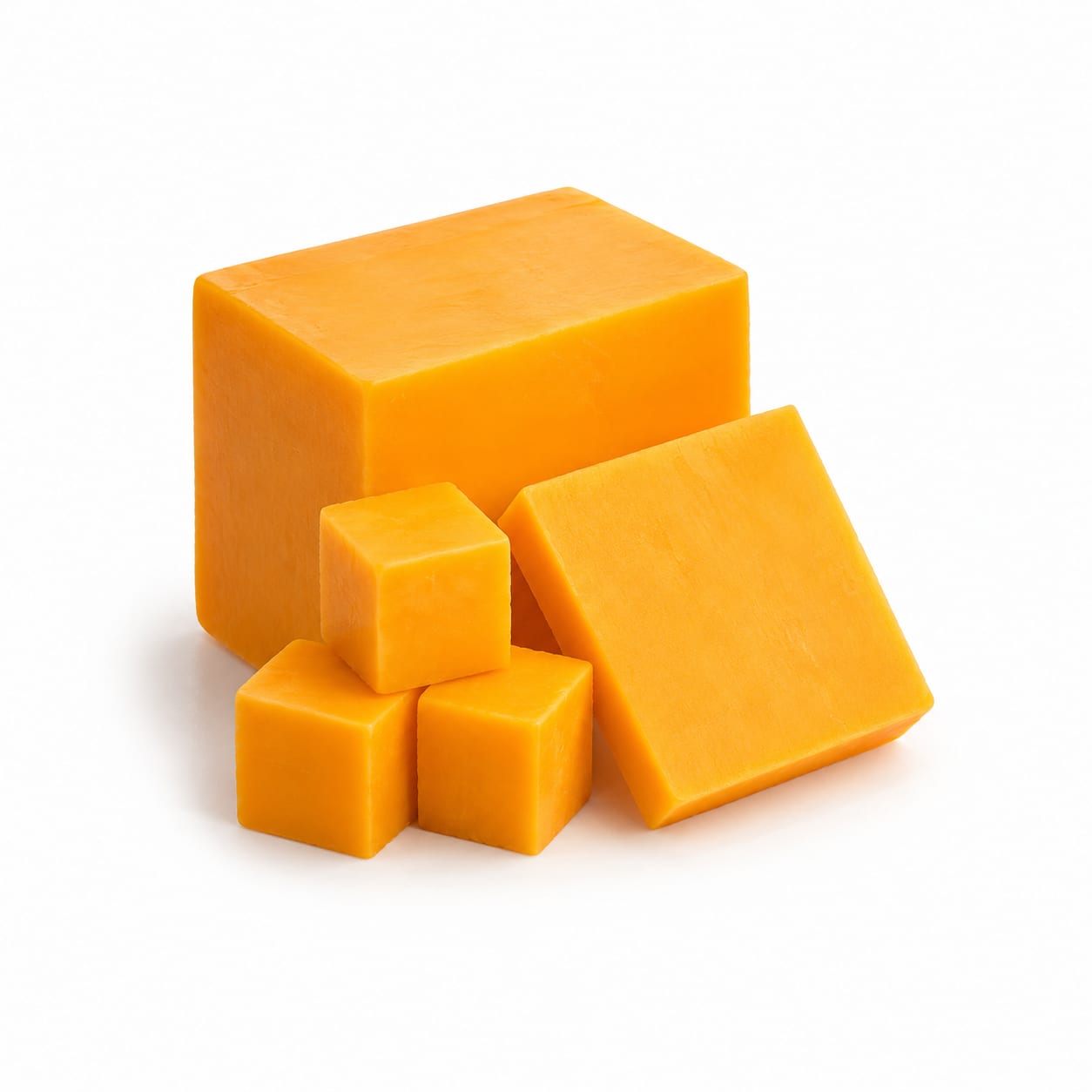
A firm, aged cow's milk cheese characterized by its dense texture, high protein, and near-zero carbohydrate content.
A relatively hard, off-white, sometimes sharp-tasting natural cheese made from cow's milk, aged for varying periods to develop flavor and texture.
high-fat low-carb fermented dairy protein
Typical serving · 30g
Common varieties · mild, medium, sharp, extra sharp, white cheddar +1 more
Overall context score across nutrition, safety, and diet fit
At a glance
Quick facts
Simple indicators based on nutrition, processing, and diet fit.
The story
What makes it unique
Cheddar is a fermented dairy product with a slow digestion rate due to its dense protein and fat matrix. It provides high satiety per calorie consumed but has a high energy density. The macronutrient profile is dominated by fat and protein with negligible carbohydrates. Traditional cheddar is made via bacterial fermentation and rennet coagulation, classifying it as a processed but not ultra-processed food.
Varieties: mild · medium · sharp · extra sharp · white cheddar · vintage
Per 100g
Nutrition breakdown
Macro balance and key metrics at a glance.
Energy
Density 4.03 kcal/g
Protein
Carbs
Fat
Fiber
Sugar
0.5 g
Sodium
621 mg
Potassium
21 mg
Glycemic index
0
Glycemic load
0
Water content
36%
Standout compounds
Nutrient highlights
Calcium
highEssential for bone mineral density and muscle contraction
Vitamin K2
moderateDirects calcium to bones and away from arteries, supporting cardiovascular health
Vitamin A
moderateSupports immune function and vision health
Casein Protein
highSlow-digesting protein that promotes prolonged satiety and muscle maintenance
Phosphorus
highWorks with calcium to build strong bones and teeth
Wellness map
Health scores & processing
NOVA processing scale
processed · Whole food
Traditional cheddar is made by fermenting and aging milk with salt, cultures, and rennet. It is a processed food but avoids the artificial additives and emulsifiers found in ultra-processed cheese products.
Diet compatibility
- Weight loss
- Muscle gain
- Diabetes
- Gut health
- Low carb
- High protein
- Heart health
Relative standing
Food rankings
Qualitative ranks compared to similar whole foods.
- Satietygood
- Blood sugarexcellent
- Nutrient densitygood
- Fitness fuelmoderate
- Processing qualitygood
Eat with confidence
Food safety profile
Pasteurized cheddar is very safe due to low water activity and strict dairy regulations. Raw milk varieties pose a slightly elevated risk for immunocompromised individuals.
Evidence confidence 90%
- Pesticideslow
- Antibioticsmoderate
- Heavy metalslow
- Contaminationlow
Watch for
- Listeria monocytogenes
- Escherichia coli
Safer choices
Pasteurized organic cheddar reduces both antibiotic and pathogen risks.
Prep tips
Keep refrigerated tightly wrapped to prevent drying and surface mold. If surface mold appears on hard cheddar, cut at least 1 inch around the mold spot before consuming the remainder.
Conventional dairy farming often uses antibiotics, though residue limits are strictly regulated in pasteurized milk. Raw milk cheddar carries a higher inherent pathogen risk.
Deep dive
Health analysis
How this food may fit different goals and preparation choices.
Weight loss
High energy density makes it easy to overconsume calories. Portion control is essential for weight loss.
Blood sugar
Negligible carbohydrate content prevents glycemic spikes, making it highly suitable for blood sugar management.
Fitness & energy
Provides slow-digesting casein protein which supports muscle repair over time, but lacks fast-digesting carbs for immediate workout fuel.
Gut health
Aged varieties contain beneficial bacteria and vitamin K2, but the complete absence of fiber limits its direct gut microbiome benefits.
Processing quality
Natural cheddar is a whole-food derivative made via traditional fermentation. Avoid pre-shredded bags which contain anti-caking additives like cellulose.
Food safety
Pasteurization eliminates most pathogens. Hard texture and low moisture inhibit bacterial growth, but raw milk versions require careful sourcing.
Common mistakes
Assuming all cheddar is equally natural; pre-shredded varieties are coated in anti-caking agents and do not melt as well. Overeating due to high palatability.
Best preparation
Pair with high-fiber foods like apples or whole grain crackers to improve satiety and mitigate blood sugar impacts from accompanying carbs.
Practical guide
Best use cases
When and how this food fits real eating patterns.
Low-carb snacking
Pair a small block of cheddar with nuts or olives for a zero-carb, high-fat snack that stabilizes blood sugar.
High-protein meal addition
Add shredded sharp cheddar to omelets or salads to increase protein content and enhance flavor without adding carbohydrates.
Nighttime muscle support
The casein protein in cheddar digests slowly, providing a steady release of amino acids overnight to support muscle repair.
Balance sheet
Pros & cons
Upsides
- Near-zero carbohydrates prevent blood sugar spikes
- High calcium and vitamin K2 content supports bone health
- Casein protein provides prolonged satiety and muscle support
- Very low lactose due to the fermentation and aging process
- Versatile flavor profile that enhances low-carb meals
Trade-offs
- High calorie density makes overconsumption easy
- Significant saturated fat content may impact heart health in susceptible individuals
- Sodium levels are high, which can elevate blood pressure
- Lacks dietary fiber entirely
- Pre-shredded varieties contain anti-caking additives
Fit check
Who is it for?
Great match
- ketogenic diets
- blood sugar control
- low-carb snacking
- nighttime muscle recovery
Consider alternatives
- strict low-fat diets
- low-sodium diets
- high-volume eating
- calorie deficit without portion control
Side by side
How it compares
Open the full head-to-head analysis for nutrition, safety, and practical tradeoffs.
This food
Cheddar Cheese
VS85% alike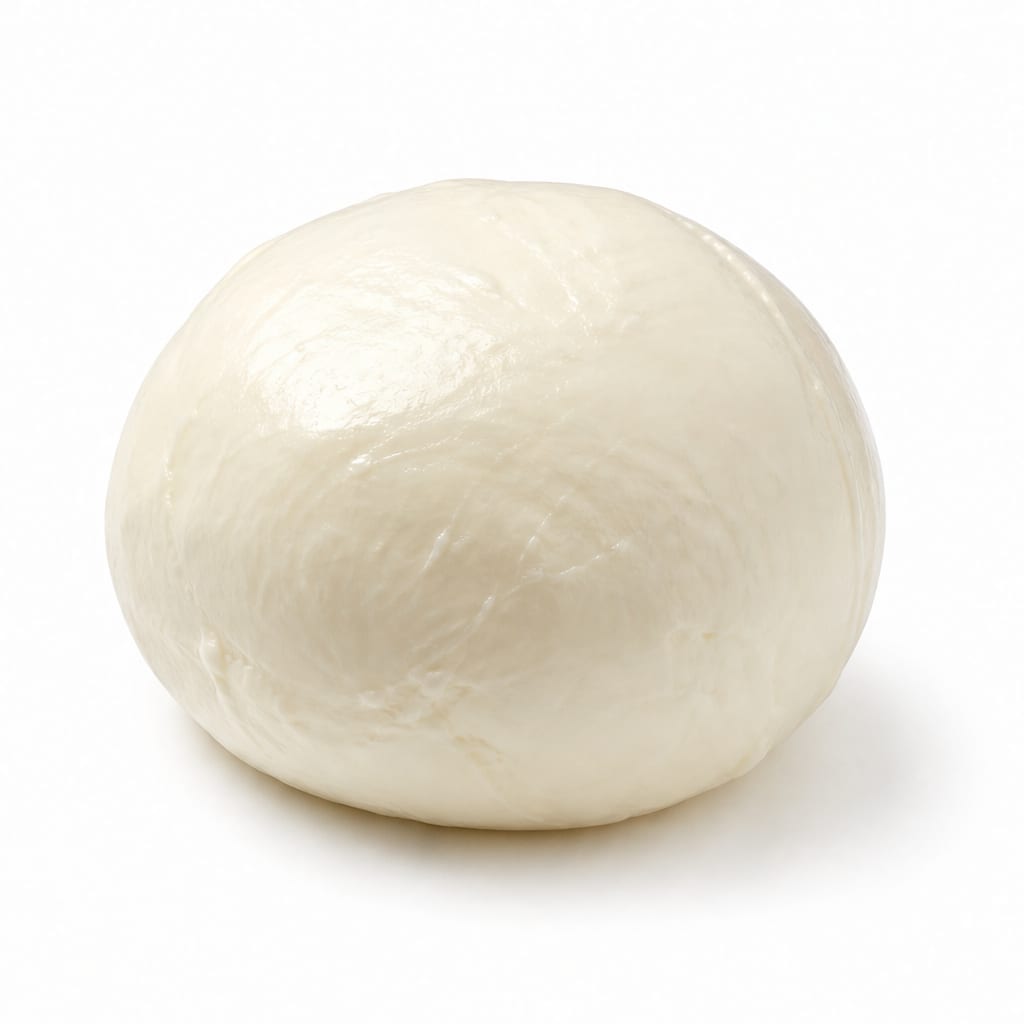
Compare with
Mozzarella
Mozzarella is lower in calories and fat, making it better for weight loss, while cheddar has a stronger flavor and slightly more protein per gram.
Mozzarella is lower in calories and fat for weight loss, while cheddar provides more protein and stronger flavor per serving.
This food
Cheddar Cheese
VS90% alike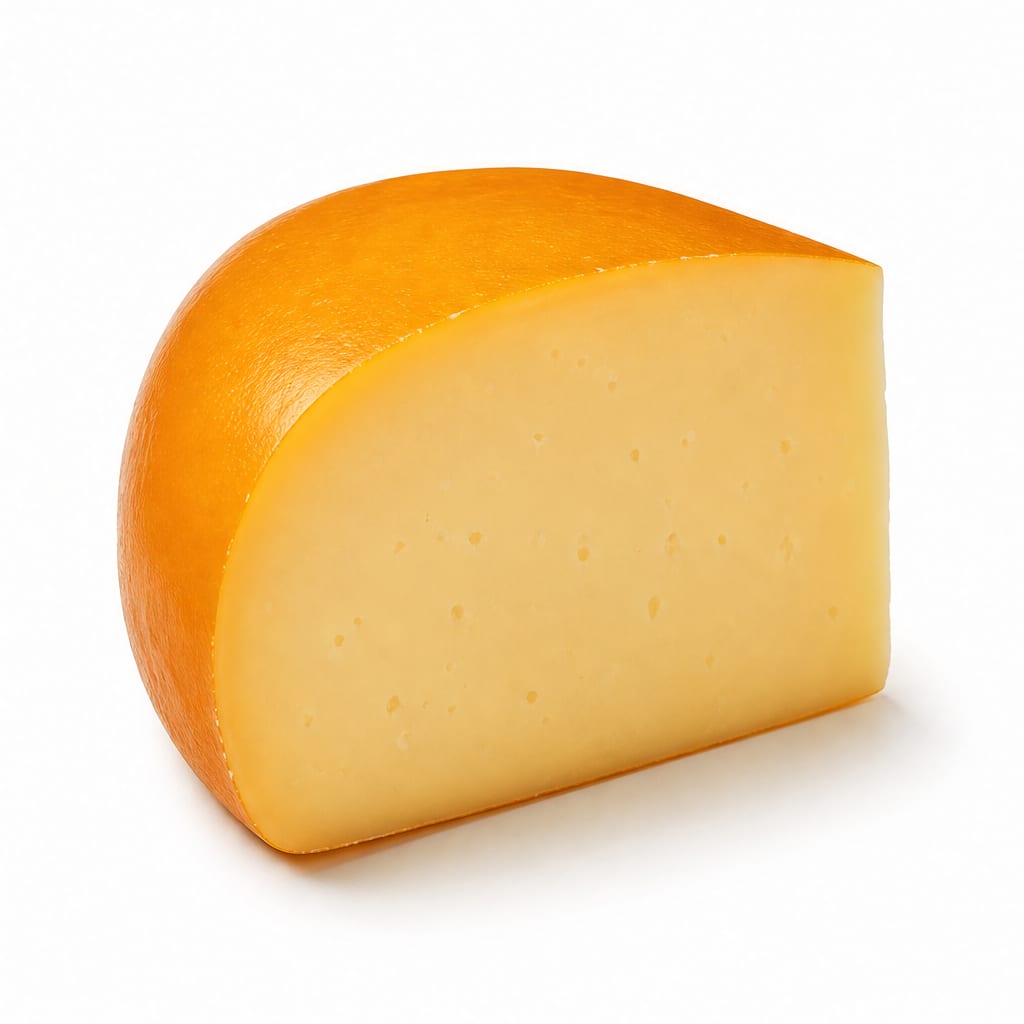
Compare with
Gouda
Gouda is slightly higher in fat and lower in protein than cheddar, making cheddar marginally better for fitness goals.
Cheddar edges out gouda with slightly more protein and less fat, though both are excellent low-carb options.
This food
Cheddar Cheese
VS85% alike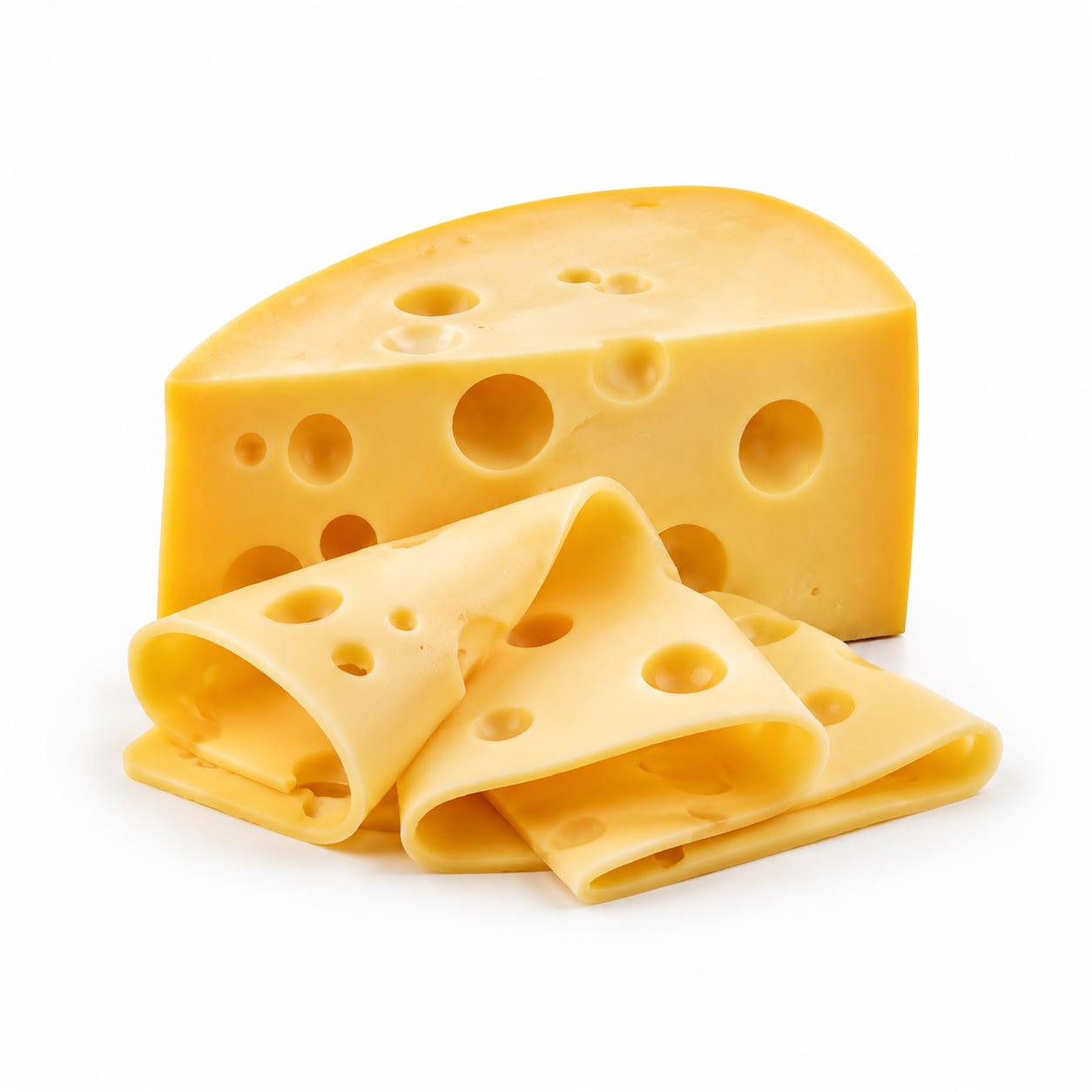
Compare with
Swiss Cheese
Swiss cheese has fewer calories and much less sodium than cheddar, making it better for heart health and weight management.
Swiss cheese beats cheddar for weight loss and heart health due to lower calories and significantly less sodium.
This food
Cheddar Cheese
VS80% alike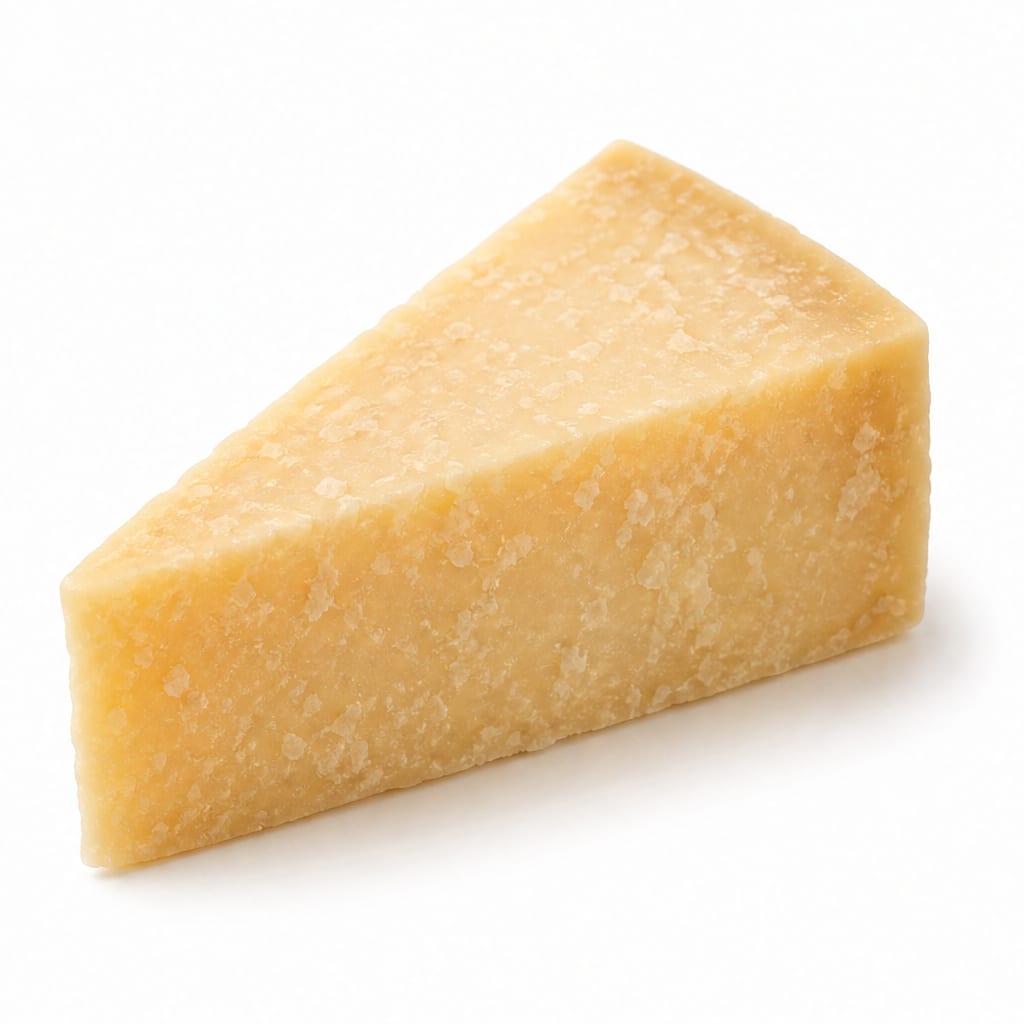
Compare with
Parmesan
Parmesan is harder and more nutrient-dense with more protein and calcium per gram, but is typically used in smaller quantities than cheddar.
Parmesan offers more protein and calcium per gram than cheddar, but both serve different culinary purposes.
This food
Cheddar Cheese
VS75% alike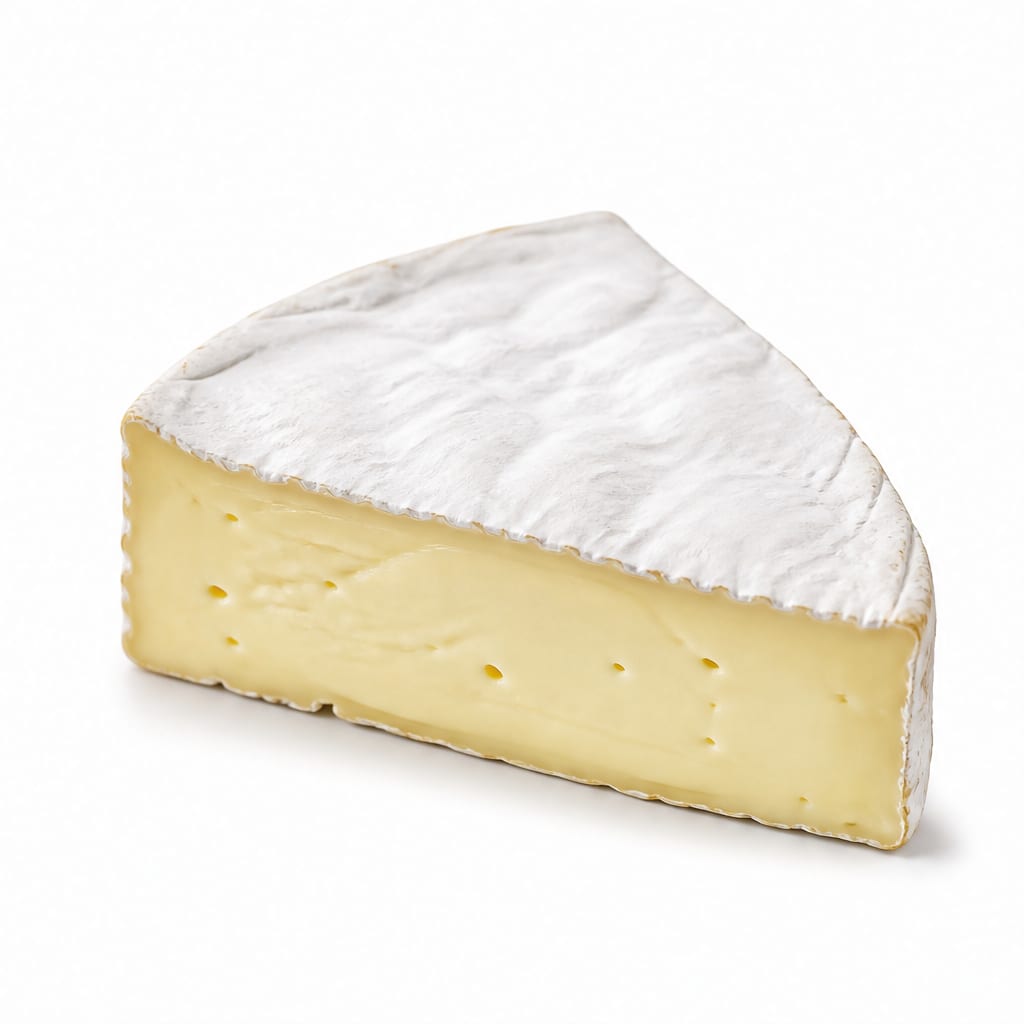
Compare with
Brie
Brie is softer and higher in moisture, making it lower in calories per gram than cheddar, but also lower in protein.
Brie is lower in calories per slice due to higher water content, but cheddar provides more protein for muscle support.
This food
Cheddar Cheese
VS60% alike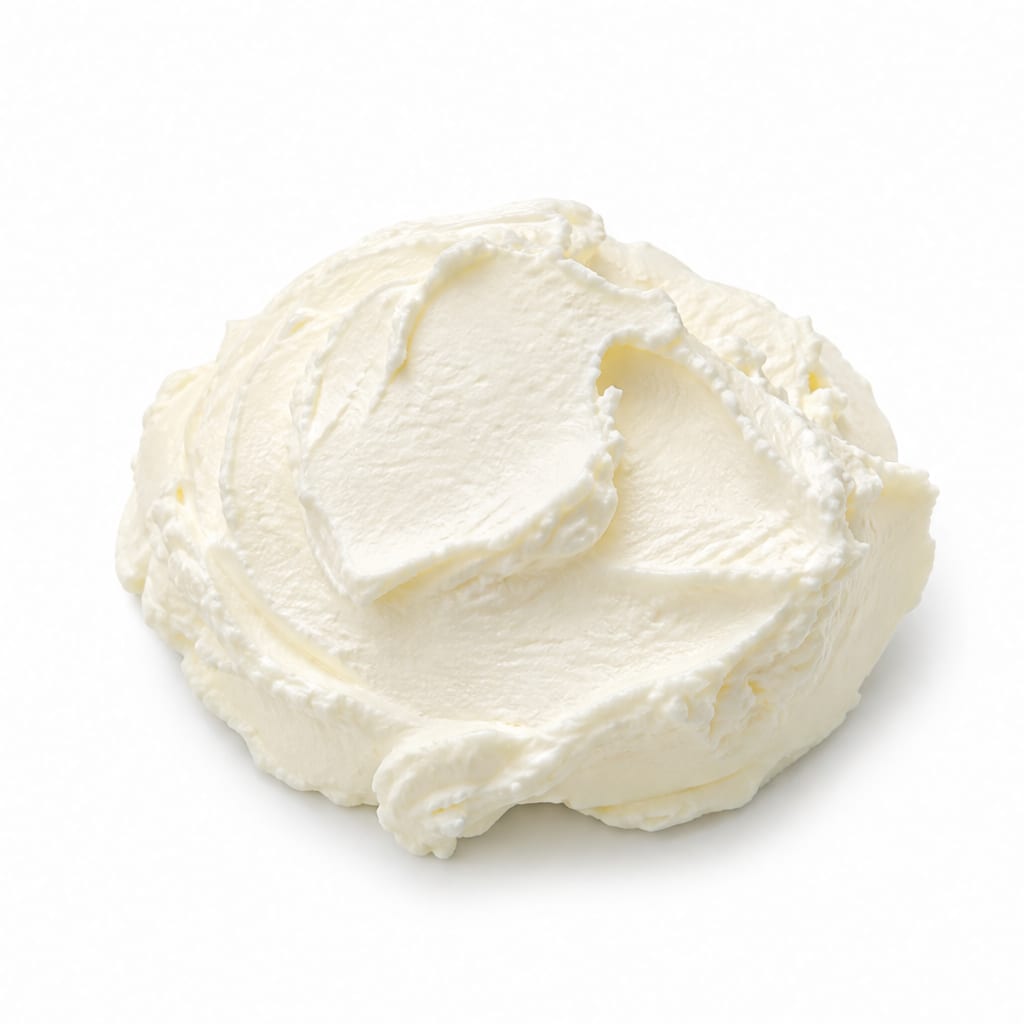
Compare with
Cream Cheese
Cream cheese is much lower in protein and higher in fat than cheddar, making cheddar the clear winner for satiety and fitness.
Cheddar is far superior to cream cheese for protein and satiety, while cream cheese offers a smoother texture for spreads.
This food
Cheddar Cheese
VS88% alike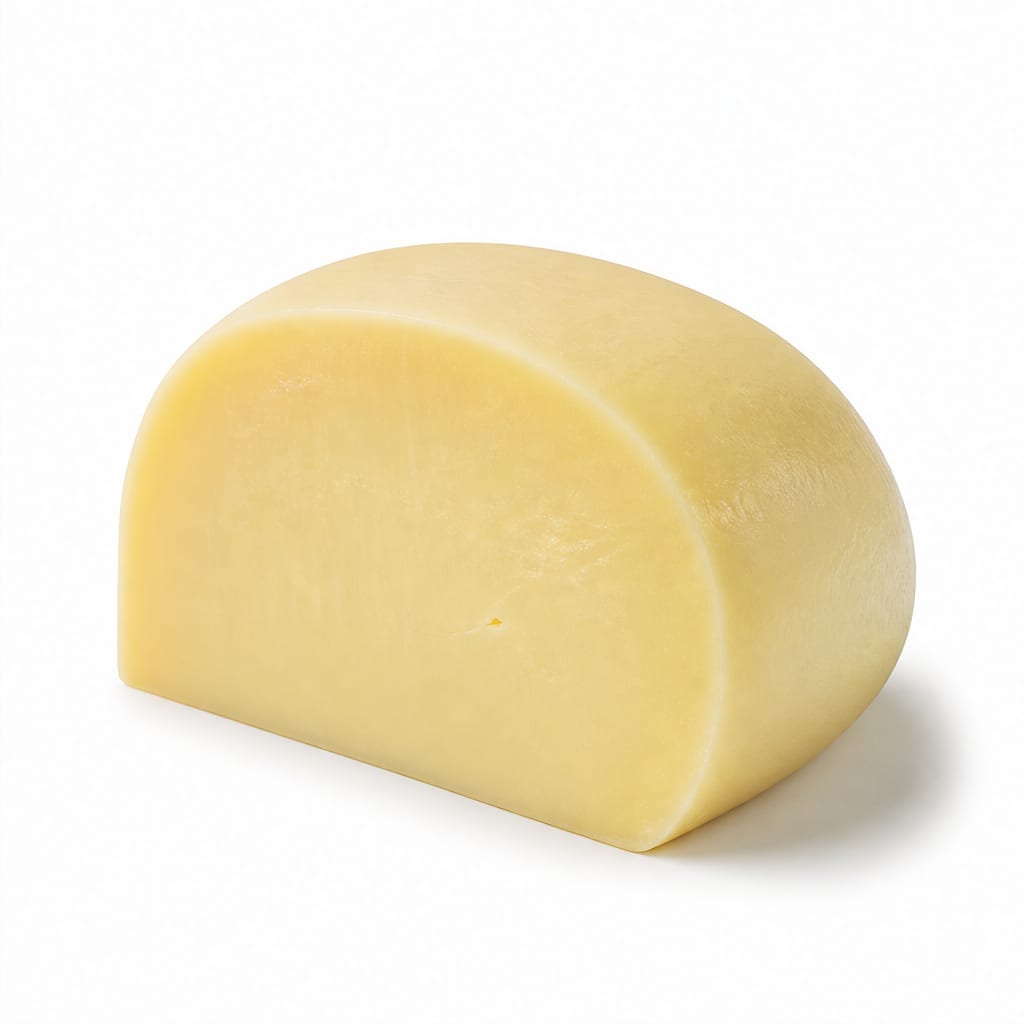
Compare with
Provolone
Provolone has nearly identical macros to mild cheddar but is often lower in sodium, making it slightly better for blood pressure management.
Provolone and cheddar are nutritionally nearly identical, though provolone often contains less sodium.
This food
Cheddar Cheese
VS65% alike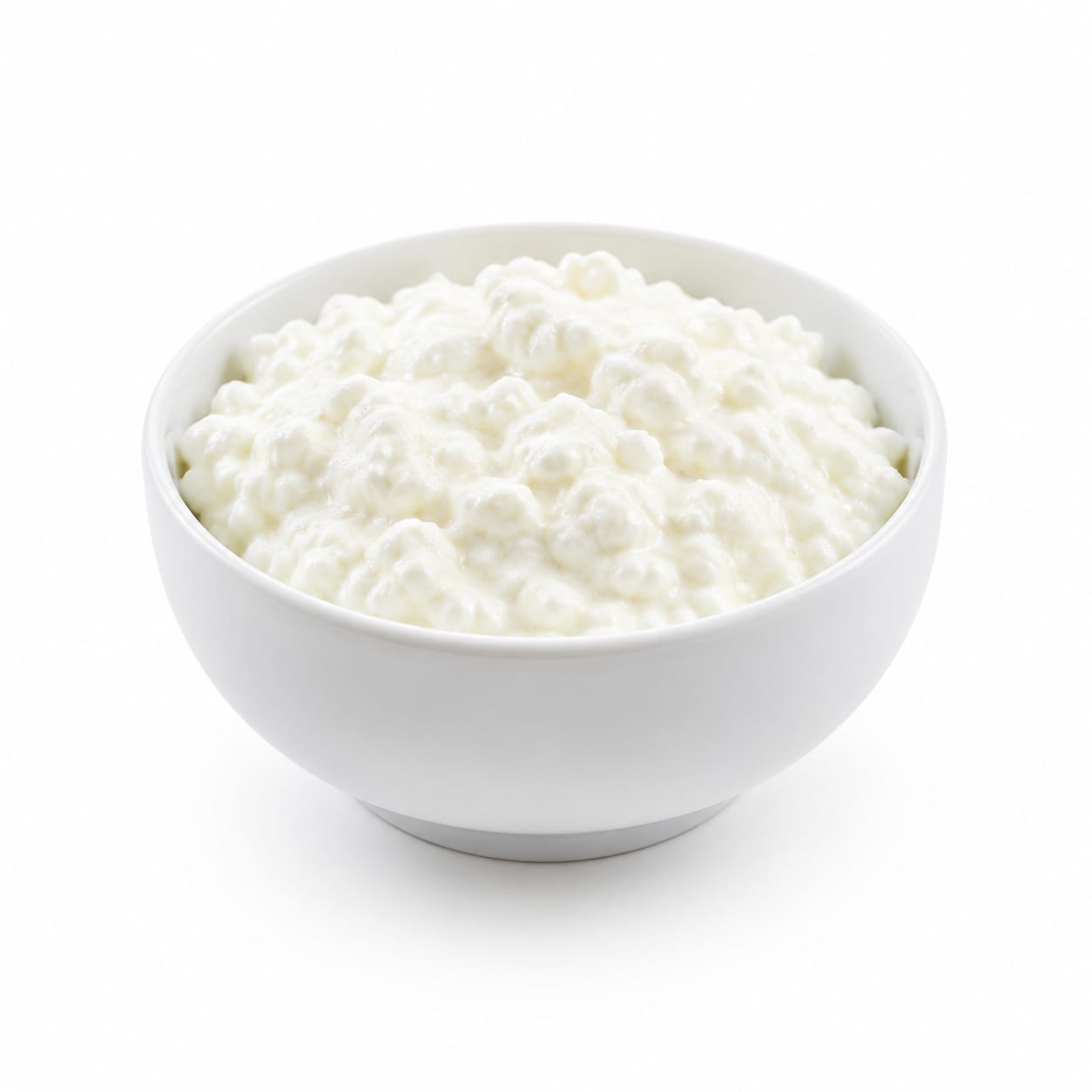
Compare with
Cottage Cheese
Cottage cheese is significantly lower in calories and fat and higher in protein, making it far superior for weight loss and muscle gain.
Cottage cheese beats cheddar for weight loss and fitness due to its high protein and low calorie content per serving.
This food
Cheddar Cheese
VS85% alike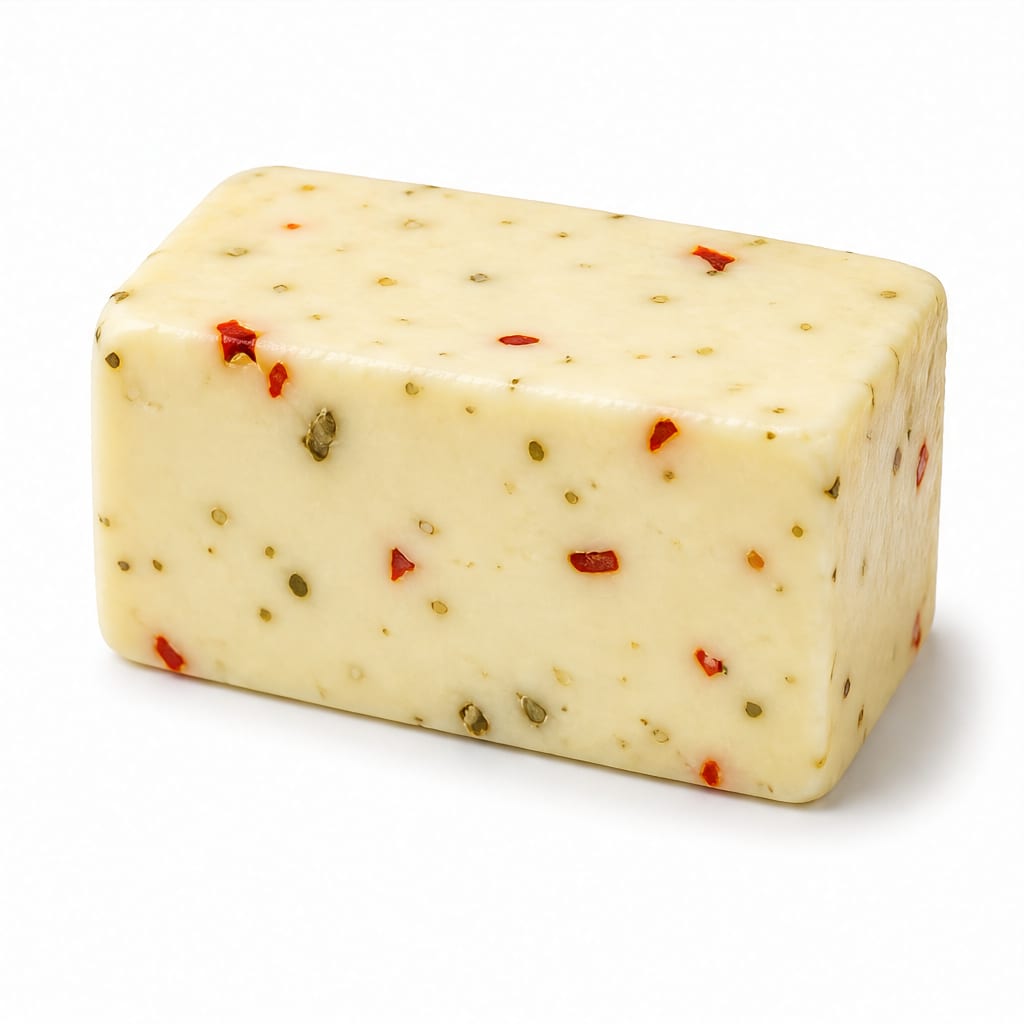
Compare with
Pepper Jack
Pepper jack has nearly identical macros to mild cheddar but includes spicy peppers for flavor without extra calories.
Pepper jack and cheddar have similar macros; pepper jack just adds spice for flavor without adding calories.
This food
Cheddar Cheese
VS50% alike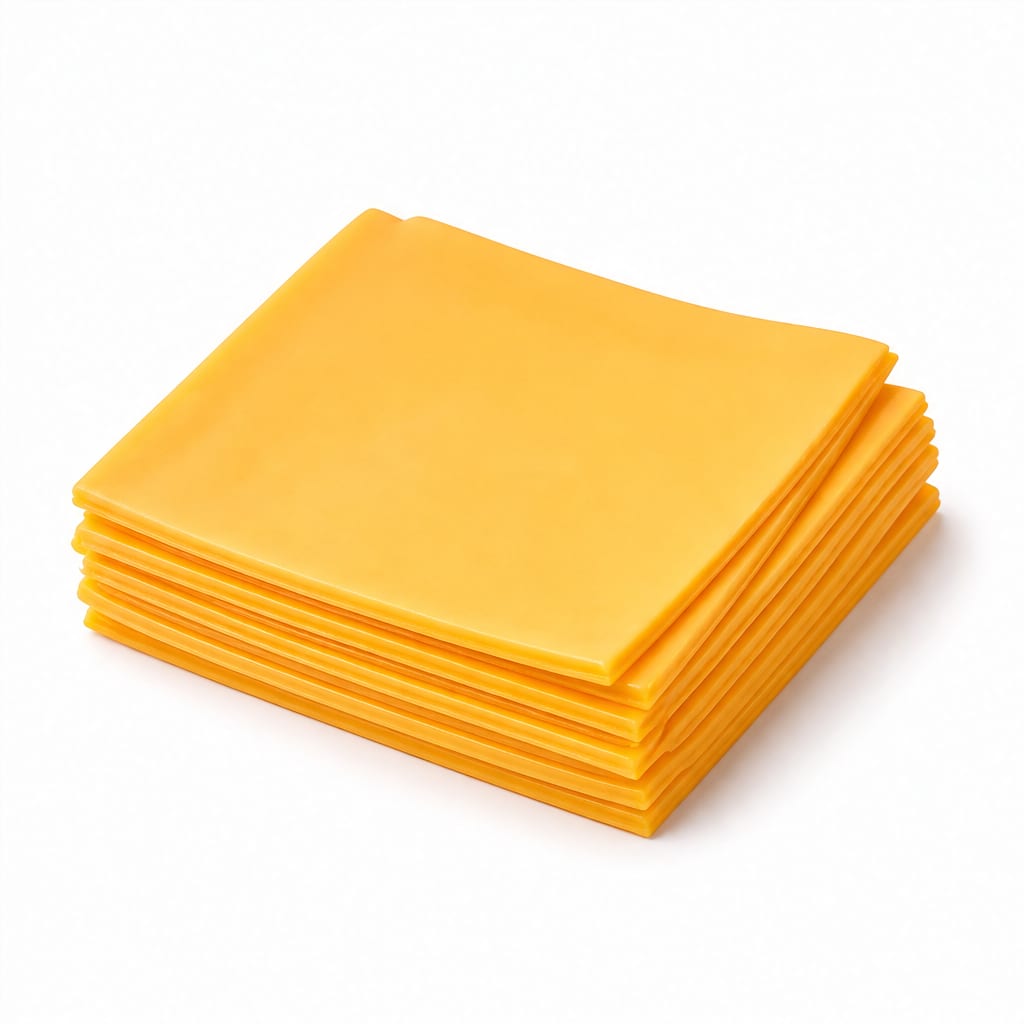
Compare with
American Cheese
American cheese is ultra-processed with more sodium and emulsifiers, making natural cheddar the winner for processing quality and overall health.
Natural cheddar is far healthier than American cheese, which is ultra-processed and packed with emulsifiers and sodium.
Common questions
FAQ
Answers aligned with how people search for this food.
Is cheddar cheese good for weight loss?
Cheddar is high in calories and fat, making it easy to overeat. While its protein provides satiety, it is not ideal for weight loss unless portions are strictly controlled.
Can diabetics eat cheddar cheese?
Yes, cheddar has almost zero carbohydrates and will not spike blood sugar. It is an excellent choice for diabetics when paired with high-fiber foods.
Is cheddar cheese keto friendly?
Absolutely. With less than 1 gram of carbs per serving, cheddar is a staple food for ketogenic and low-carb diets.
Does cheddar cheese have probiotics?
Aged, raw milk cheddar contains live cultures and probiotics, but standard pasteurized cheddar has very few surviving bacteria due to the heat treatment and aging process.
Is cheddar cheese high in lactose?
No. The aging process consumes most of the lactose in milk. Aged cheddar is generally very low in lactose and often tolerated by people with lactose intolerance.
Why is pre-shredded cheddar bad?
Pre-shredded cheddar is coated with anti-caking agents like cellulose or potato starch, which adds carbs and prevents it from melting smoothly. Block cheddar is fresher and cleaner.
What does sharp cheddar mean?
Sharpness refers to the aging time. Mild cheddar is aged 2-3 months, while sharp cheddar is aged 6-9 months, developing a more pronounced, tangy flavor and crumbly texture.
Is cheddar cheese inflammatory?
Dairy can be inflammatory for some individuals due to saturated fat or specific dairy proteins. However, fermented dairy like aged cheddar often has a neutral or lower inflammatory effect compared to whole milk.
Transparency
Data confidence
Estimated confidence for nutrition data, interpretation, safety notes, and comparisons.
Nutrition data
Health analysis
Food safety
Comparisons