
Nutrition comparison
Cheddar Cheese vs Swiss Cheese: Which is Healthier?
Compare Cheddar Cheese vs Swiss Cheese on sodium, fat, protein, and lactose. Find out which cheese is better for weight loss, heart health, and daily snacking.
Overall winner · Swiss Cheese
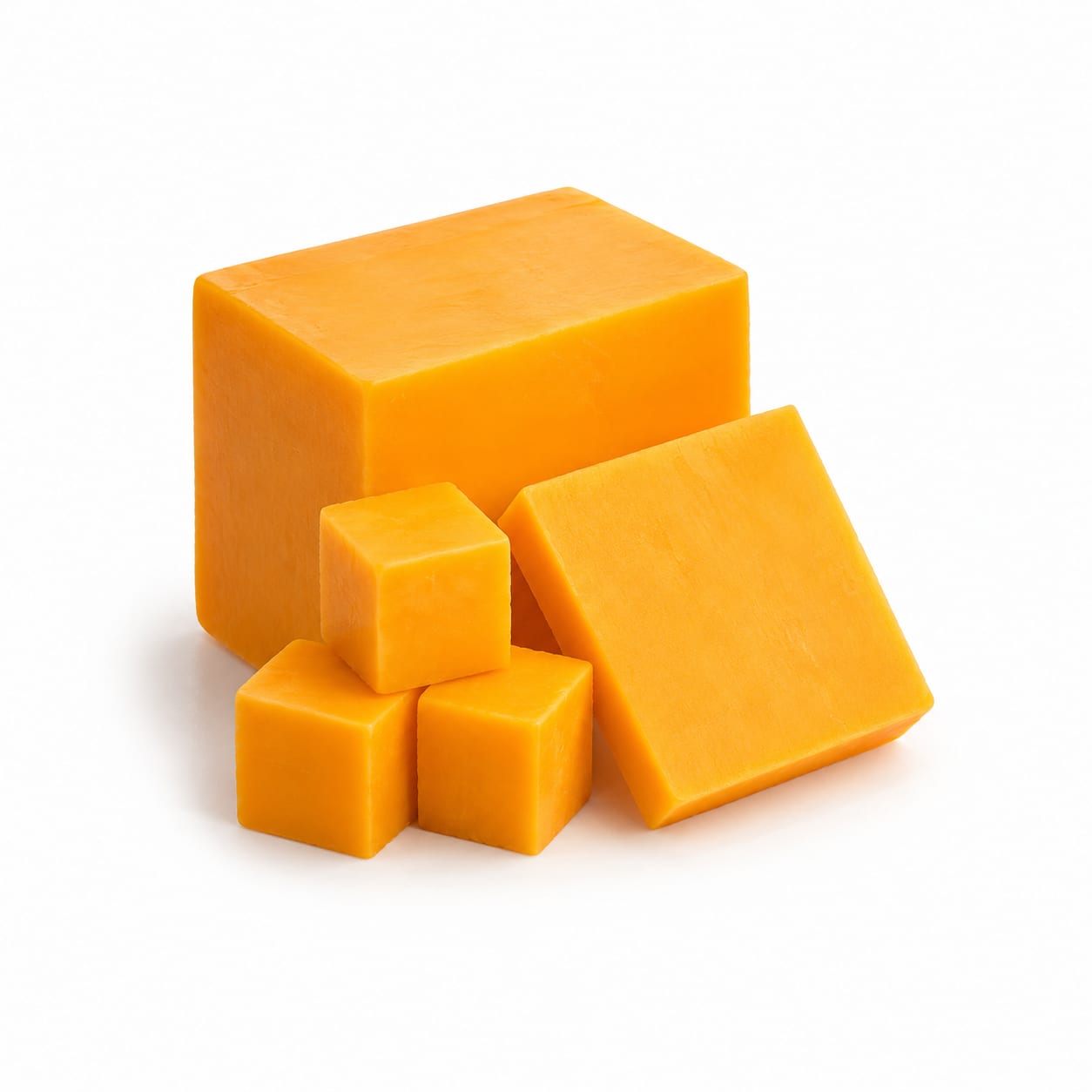
Cheddar Cheese
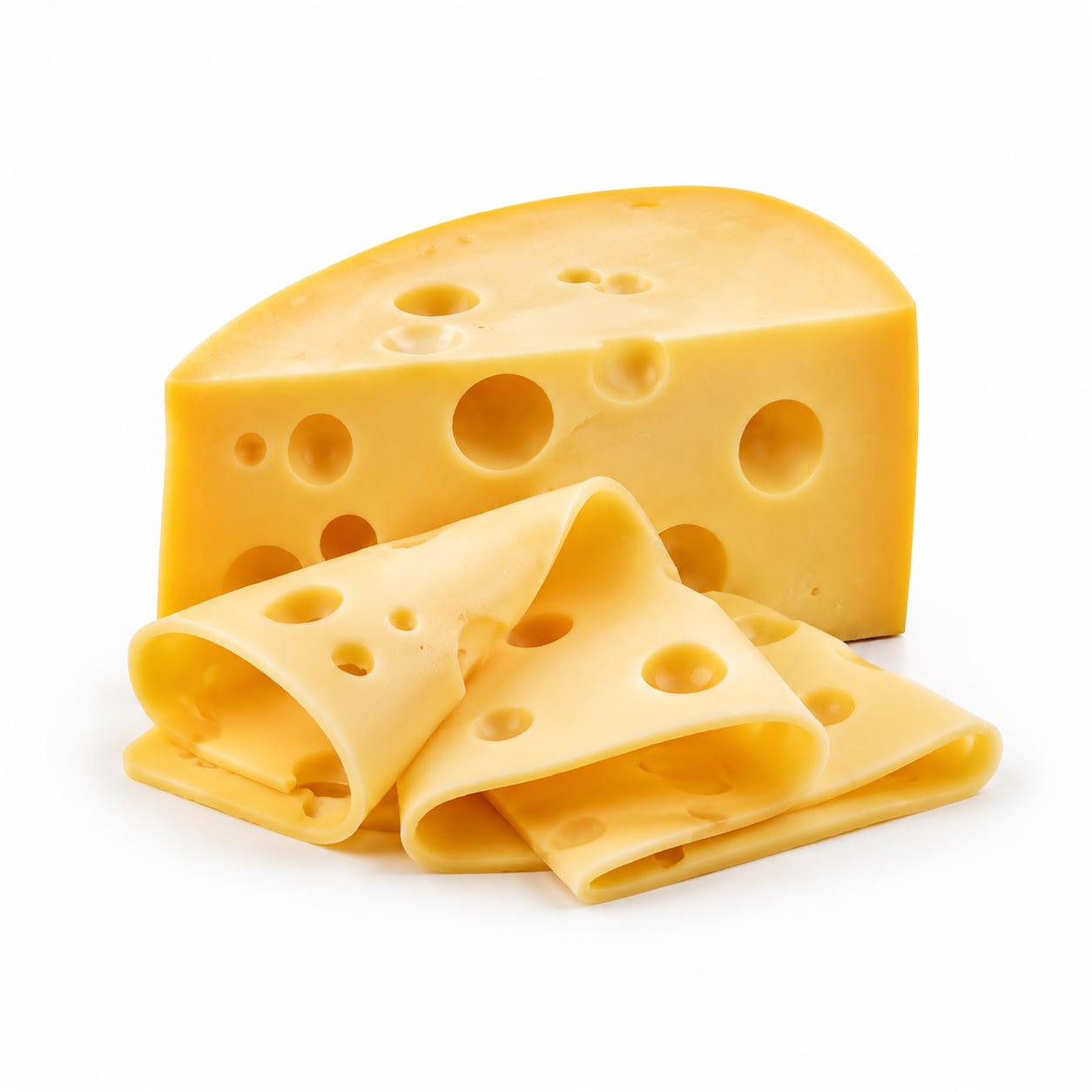
Swiss Cheese
Swiss Cheese edges out Cheddar Cheese primarily due to its significantly lower sodium content and slightly leaner protein profile.
Swiss Cheese scores higher due to its lower sodium and slightly better macronutrient split, though Cheddar Cheese remains competitive for its lactose-free nature and flavor intensity.
You trade the bold, sharp flavor and near-zero lactose of Cheddar Cheese for the milder, nuttier taste and blood-pressure-friendly sodium levels of Swiss Cheese.
At a glance
Executive summary
Overall
Swiss Cheese
Healthier
Swiss Cheese
More practical
It depends
Daily use
Swiss Cheese
Key comparison lenses
sodium and blood pressure
Swiss Cheese is dramatically lower in sodium than Cheddar Cheese, making this the most critical health differentiator
heart health and fat profile
Both are high in saturated fat, but slight differences in fat and protein content impact cardiovascular risk
lactose tolerance
Aged Cheddar Cheese is virtually lactose-free, while Swiss Cheese contains trace amounts that matter to highly sensitive individuals
bone health and mineral density
Both are calcium-rich, but comparing their overall mineral profiles helps determine bone health superiority
culinary use and satiety
Flavor intensity and melting properties affect portion control and real-world eating satisfaction
Best choice for
Cheddar Cheese
- Those strictly avoiding even trace lactose
- Comfort food recipes requiring a sharp flavor punch
- Keto dieters prioritizing high fat with minimal carbs
Swiss Cheese
- People managing hypertension or sodium intake
- Those seeking a higher protein-to-fat ratio
- Individuals wanting a daily cheese that is easier on the heart
Least suitable for
Cheddar Cheese
- People with high blood pressure
- Those on a strict low-sodium diet
- Individuals trying to reduce saturated fat intake
Swiss Cheese
- Those who strongly dislike mild or nutty flavors
- Individuals extremely sensitive to even trace lactose
- Recipes requiring a sharp, pronounced cheese flavor
Deep comparison
Dimension by dimension
Each lens scores both foods and breaks down who each option suits.
- Dimension 1 · Priority 95Swiss Cheese
Sodium & Blood Pressure
Cheddar Cheese · 35Swiss Cheese · 90Swiss Cheese contains roughly a third of the sodium found in Cheddar Cheese, making it vastly superior for blood pressure management.
Tradeoff
Choosing Swiss Cheese means giving up the savory intensity that salt provides to Cheddar Cheese.
Why it matters
High sodium intake is a leading driver of hypertension, making this the most impactful health difference between the two.
Real-world impact
Eating Swiss Cheese instead of Cheddar Cheese can save you hundreds of milligrams of sodium per day, easily keeping you under recommended limits.
Cheddar Cheese
- Those without blood pressure concerns seeking bold flavor
Better for
- People at risk for hypertension
Worse for
Swiss Cheese
- Anyone monitoring their blood pressure
- Older adults needing strict sodium control
Better for
- Those who find low-sodium cheese bland
Worse for
- Dimension 2 · Priority 85Swiss Cheese
Heart Health & Fat Profile
Cheddar Cheese · 55Swiss Cheese · 65Swiss Cheese typically has slightly less total fat and slightly more protein per serving compared to Cheddar Cheese.
Tradeoff
While Swiss Cheese is leaner, both are still significant sources of saturated fat and require mindful portioning.
Why it matters
A better protein-to-fat ratio supports metabolic health without sacrificing the satiating qualities of cheese.
Real-world impact
Swiss Cheese gives you a bit more muscle-supporting protein and less artery-clogging fat per slice, though neither is a low-fat food.
Cheddar Cheese
- Keto dieters needing higher fat content
Better for
- Individuals with high cholesterol
Worse for
Swiss Cheese
- Those trying to slightly reduce saturated fat
- People seeking leaner protein snacks
Better for
- Those who assume all cheese is equally heart-unfriendly
Worse for
- Dimension 3 · Priority 75Cheddar Cheese
Digestive Tolerance & Lactose
Cheddar Cheese · 90Swiss Cheese · 75Aged Cheddar Cheese is virtually lactose-free due to the fermentation process, whereas Swiss Cheese retains trace amounts.
Tradeoff
If you are highly lactose intolerant, Cheddar Cheese is the safer bet, though most people can handle the minimal lactose in Swiss Cheese.
Why it matters
Digestive discomfort can completely negate the nutritional benefits of a food, making tolerance a key daily factor.
Real-world impact
You can eat aged Cheddar Cheese without worrying about bloating or gas, while Swiss Cheese might cause mild issues for very sensitive stomachs.
Cheddar Cheese
- Highly lactose intolerant individuals
- Those prone to dairy-induced bloating
Better for
- Those with a dairy allergy (not just intolerance)
Worse for
Swiss Cheese
- People with only mild lactose sensitivity
Better for
- Individuals who experience symptoms from trace lactose
Worse for
- Dimension 4 · Priority 70It depends
Bone Health & Mineral Density
Cheddar Cheese · 80Swiss Cheese · 82Both are excellent sources of calcium and phosphorus, with Swiss Cheese holding a negligible edge in bone-supporting minerals.
Tradeoff
The bone health benefits are nearly identical, so this dimension should not drive your decision.
Why it matters
Adequate mineral intake is essential for preventing osteoporosis, and cheese is a highly bioavailable source.
Real-world impact
A single slice of either cheese provides about 20% of your daily calcium needs, making both great for skeletal strength.
Cheddar Cheese
- Those who prefer getting calcium from a sharper cheese
Better for
- Those letting sodium offset bone benefits
Worse for
Swiss Cheese
- Those seeking the absolute maximum mineral density per bite
Better for
- Those ignoring the trace lactose content
Worse for
- Dimension 5 · Priority 65Cheddar Cheese
Flavor Versatility & Satiety
Cheddar Cheese · 85Swiss Cheese · 75Cheddar Cheese delivers a stronger, more satisfying flavor punch that can make smaller portions feel more rewarding.
Tradeoff
The bold flavor of Cheddar Cheese encourages overeating, while the milder Swiss Cheese is easier to stop eating.
Why it matters
Satiety is not just about fullness; it is about satisfaction. A highly satisfying food often prevents cravings later.
Real-world impact
A small cube of Cheddar Cheese can curb a savory craving instantly, whereas you might need more Swiss Cheese to feel equally satisfied.
Cheddar Cheese
- Flavor-driven eaters seeking high satisfaction
- Comfort food cooking and melting
Better for
- People who struggle with portion control
Worse for
Swiss Cheese
- Those who prefer a lighter, nuttier taste
- Sandwiches where cheese shouldn't overpower other ingredients
Better for
- Those who find mild cheese unsatisfying
Worse for
Timeline
Health impact over time
Short-term
Hours to days
Cheddar Cheese
- Provides quick, satisfying energy from dense fat and protein
- May cause bloating in lactose-sensitive individuals
- High sodium can trigger immediate thirst and water retention
Swiss Cheese
- Delivers steady energy with slightly more protein
- Highly digestible for most people with mild lactose intolerance
- Lower sodium prevents the immediate puffy feeling
Long-term
Months to years
Cheddar Cheese
- Frequent consumption may contribute to elevated blood pressure due to high sodium
- High saturated fat can impact cholesterol levels over time
- Excellent for maintaining bone density if portions are controlled
Swiss Cheese
- Much kinder to long-term cardiovascular health due to low sodium
- Supports lean muscle maintenance with a better protein-to-fat ratio
- Trace lactose is usually harmless but might accumulate for very sensitive guts
Risk profile
Safety & processing
Both Cheddar Cheese and Swiss Cheese are traditional fermented foods made with minimal ingredients, though they are technically processed through culturing and aging.
Cheddar Cheese
Listeria contamination
lowAged hard cheeses like Cheddar Cheese are lower risk, but unpasteurized versions can harbor Listeria.
Histamine intolerance
mediumAged Cheddar Cheese contains high levels of biogenic amines like histamine, which can trigger headaches in sensitive people.
Swiss Cheese
Listeria contamination
lowSimilar to Cheddar Cheese, the risk is low but present, especially with raw milk varieties.
Histamine intolerance
mediumThe fermentation process also produces histamine in Swiss Cheese, potentially causing reactions in susceptible individuals.
Who wins for whom
Audience fit
Same foods, different winners depending on your goal.
children
Swiss CheeseLower sodium is much better for developing kidneys and establishing healthy blood pressure patterns early in life.
daily consumption
Swiss CheeseSwiss Cheese is easier on the cardiovascular system day after day due to its dramatically lower sodium content.
diabetes
Swiss CheeseBoth have near-zero carbs, but Swiss Cheese has lower sodium, which is crucial since diabetics are at higher risk for cardiovascular complications.
elderly
Swiss CheeseThe lower sodium load and high calcium in Swiss Cheese protect aging hearts and brittle bones simultaneously.
muscle gain
Swiss CheeseSwiss Cheese has a slightly higher protein content per serving, making it a marginally better addition to a muscle-building diet.
weight loss
Swiss CheeseSwiss Cheese offers slightly more protein and less fat per calorie, aiding satiety and muscle retention without excess calories.
Your move
Decision guide
Choose Cheddar Cheese
- You are highly lactose intolerant and need a virtually lactose-free cheese
- You want a bold, sharp flavor that maximizes satisfaction in small amounts
- You are cooking comfort foods where a strong cheese flavor is essential
Choose Swiss Cheese
- You have high blood pressure or are trying to reduce your sodium intake
- You want a slightly leaner cheese with more protein per bite
- You prefer a milder, nuttier flavor for sandwiches or snacking
Either works if
- You need a low-carb, high-calcium snack
- You are just looking for a satisfying way to add healthy fats to a meal
Avoid both if
- You have a dairy allergy
- You are strictly limiting saturated fat for heart disease management
- You are highly sensitive to dietary histamine
Final recommendation
Make Swiss Cheese your everyday slicing and snacking cheese to keep your sodium intake in check. Keep Cheddar Cheese on hand for recipes that demand its sharp flavor or when you need a lactose-free guarantee.
Practical
Consumer tips
- 1
Check the sodium label on Swiss Cheese, as some brands still add significant salt
- 2
Buy extra-aged Cheddar Cheese if lactose is a concern, as the longer it ages, the less lactose it contains
- 3
Pre-slice both cheeses immediately after buying to make portion control effortless during snacking
- 4
Pair either cheese with high-fiber foods like apples or whole grain crackers to blunt the saturated fat impact and stabilize digestion