
Nutrition comparison
Cheddar Cheese vs Cream Cheese: Nutrition, Protein, and Health Comparison
Compare Cheddar Cheese vs Cream Cheese to see which is healthier. Learn about protein, calcium, sodium, and the best uses for each dairy staple.
Overall winner · Cheddar Cheese
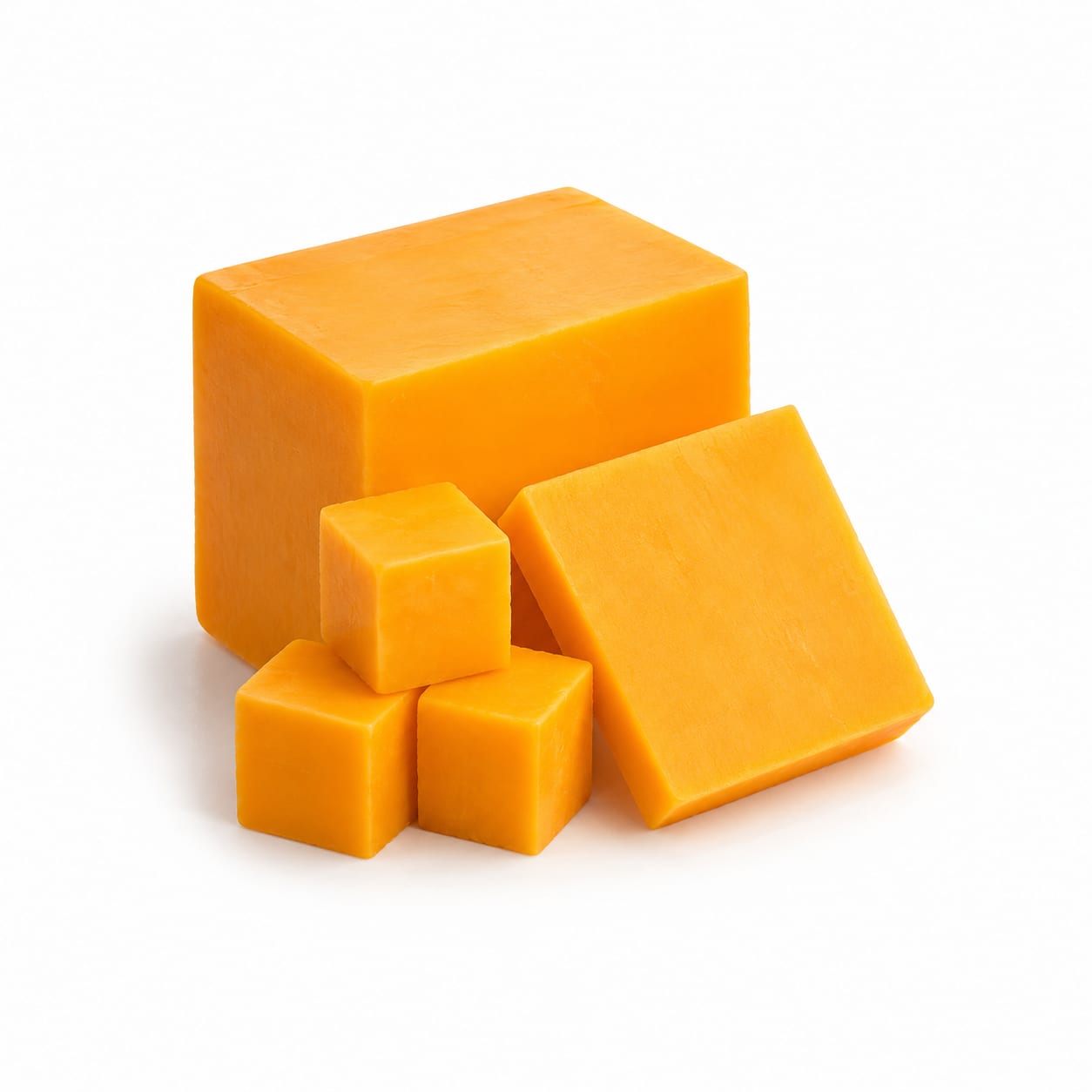
Cheddar Cheese
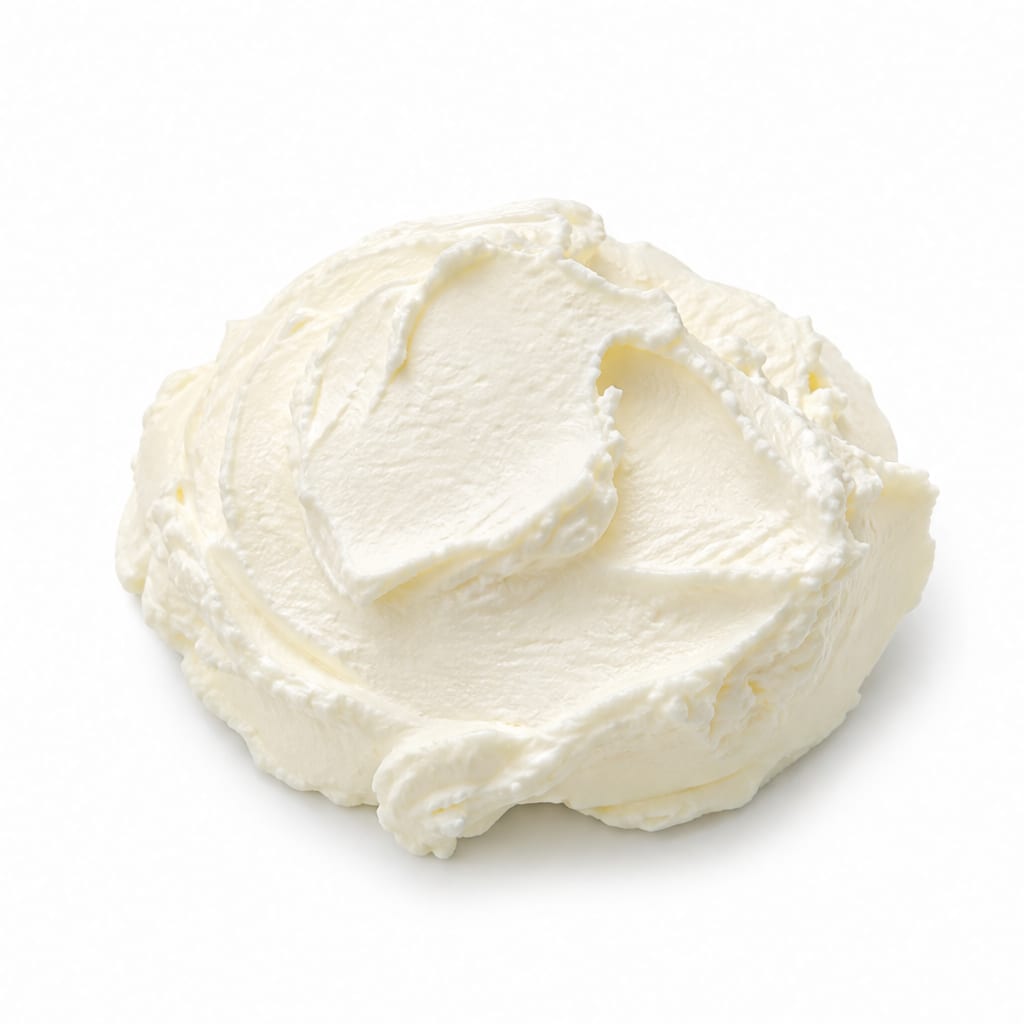
Cream Cheese
Cheddar Cheese is the nutritional winner with far more protein and calcium, while Cream Cheese serves best as a lower-sodium, spreadable indulgence.
Cheddar Cheese scores higher due to its superior protein, calcium, and cleaner ingredient profile, while Cream Cheese scores lower because it offers minimal protein and frequently contains additives.
Nutrient density and satiety versus lower sodium and spreadable convenience.
At a glance
Executive summary
Overall
Cheddar Cheese
Healthier
Cheddar Cheese
More practical
Cream Cheese
Daily use
Cheddar Cheese
Key comparison lenses
Nutrient density and satiety
Cheddar Cheese offers substantially more protein and calcium, making it far more filling and nutritionally complete than Cream Cheese.
Sodium intake and heart health
Cheddar Cheese is heavily salted during aging, whereas Cream Cheese provides a lower-sodium alternative for those monitoring blood pressure.
Ingredient purity and processing
Cheddar Cheese is typically a natural fermented product, while Cream Cheese often contains gums and stabilizers to maintain its texture.
Culinary practicality and portion control
Cream Cheese is uniquely spreadable and easy to use on baked goods, but its mild flavor and texture make it very easy to overconsume.
Best choice for
Cheddar Cheese
- Bone health support
- High-protein snacking
- Low-carb and keto diets
Cream Cheese
- Lower sodium diets
- Bagel and sandwich spreads
- Creamy recipe and dip bases
Least suitable for
Cheddar Cheese
- Sodium-sensitive individuals
- Those who struggle with portion control for dense foods
Cream Cheese
- High-protein diets
- Those seeking strong satiety from dairy
Deep comparison
Dimension by dimension
Each lens scores both foods and breaks down who each option suits.
- Dimension 1 · Priority 95Cheddar Cheese
Protein & Satiety
Cheddar Cheese · 85Cream Cheese · 30Cheddar Cheese provides a solid protein punch that keeps you full, whereas Cream Cheese is mostly fat with very little protein.
Tradeoff
You get much more satiety from Cheddar Cheese, but Cream Cheese offers a lighter mouthfeel if you just want a thin spread.
Why it matters
Protein is key for staying full between meals and maintaining muscle mass.
Real-world impact
A Cheddar Cheese snack will likely hold you over until dinner; a Cream Cheese snack might leave you hunting for more food an hour later.
Cheddar Cheese
- Post-workout recovery
- Bridging long gaps between meals
Better for
- Very light meals where heaviness is unwanted
Worse for
Cream Cheese
- Light breakfast topping
- When you want flavor without feeling heavy
Better for
- Recovering from intense exercise
- Managing afternoon energy crashes
Worse for
- Dimension 2 · Priority 90Cheddar Cheese
Calcium & Bone Health
Cheddar Cheese · 90Cream Cheese · 40Cheddar Cheese is a calcium powerhouse, while Cream Cheese loses much of its calcium during processing.
Tradeoff
Cheddar Cheese delivers a major bone-health benefit, whereas Cream Cheese requires you to get your calcium elsewhere.
Why it matters
Adequate calcium is crucial for bone density and muscle function.
Real-world impact
Eating Cheddar Cheese contributes meaningfully to your daily calcium goals; Cream Cheese is essentially a negligible source.
Cheddar Cheese
- Bone health support
- Picky eaters needing nutrient density
Better for
- People strictly limiting calcium intake
Worse for
Cream Cheese
- Those getting calcium from other abundant sources
Better for
- Older adults needing easy calcium sources
Worse for
- Dimension 3 · Priority 85Cream Cheese
Sodium Load
Cheddar Cheese · 35Cream Cheese · 70Cream Cheese is significantly lower in sodium than Cheddar Cheese, which is salted heavily during the aging process.
Tradeoff
Choosing Cream Cheese eases sodium intake, but you sacrifice the protein and calcium found in Cheddar Cheese.
Why it matters
High sodium intake can drive up blood pressure and cause bloating.
Real-world impact
If you are watching your blood pressure, Cream Cheese on your morning toast is a much safer bet than Cheddar Cheese.
Cheddar Cheese
- Heavy sweaters who need sodium replacement
Better for
- Salt-sensitive individuals
- Those eating lots of processed foods
Worse for
Cream Cheese
- Blood pressure management
- Reducing morning bloating
Better for
- Endurance athletes needing electrolyte replacement
Worse for
- Dimension 4 · Priority 75Cheddar Cheese
Processing & Additives
Cheddar Cheese · 85Cream Cheese · 50Cheddar Cheese is traditionally made with just milk, cultures, and salt, while Cream Cheese often contains stabilizers and gums.
Tradeoff
Cheddar Cheese offers a cleaner ingredient list, whereas Cream Cheese relies on additives for its signature spreadable texture.
Why it matters
Minimizing additives and emulsifiers supports better digestive health and overall clean eating.
Real-world impact
Reading the label on Cheddar Cheese is simple; Cream Cheese labels often include carob bean gum or xanthan gum.
Cheddar Cheese
- Clean eating diets
- Avoiding emulsifiers
Better for
- Those who prefer soft, easily meltable textures
Worse for
Cream Cheese
- When texture matters more than ingredient purity
Better for
- People with sensitivities to food gums
Worse for
- Dimension 5 · Priority 70It depends
Calorie Density & Portion Control
Cheddar Cheese · 60Cream Cheese · 55Both are calorie-dense, but Cheddar Cheese is more satiating per calorie, while Cream Cheese is easy to over-spread.
Tradeoff
Cheddar Cheese makes you feel full faster, but Cream Cheese feels lighter going down even if you eat more calories.
Why it matters
High-calorie foods require mindful portioning to avoid unintended weight gain.
Real-world impact
It is easy to smear a thick layer of Cream Cheese on a bagel, racking up calories without realizing it, whereas a slice of Cheddar Cheese has a defined portion.
Cheddar Cheese
- Defined portion control
- Those who eat until physically full
Better for
- Grazers who find high-fat foods trigger overeating
Worse for
Cream Cheese
- Those who prefer small, light-tasting meals
Better for
- Mindless eaters who over-spread
Worse for
Timeline
Health impact over time
Short-term
Hours to days
Cheddar Cheese
- Quick satiety from protein and fat
- Potential thirst from higher sodium
Cream Cheese
- Light feeling in the stomach
- Easy to overconsume due to low satiety
Long-term
Months to years
Cheddar Cheese
- Stronger bones from high calcium intake
- Possible blood pressure concerns if overconsumed due to sodium
Cream Cheese
- Easier sodium management for heart health
- Risk of nutrient gaps if relied on as a primary dairy source
Risk profile
Safety & processing
Cheddar Cheese is a naturally fermented product with minimal ingredients, while Cream Cheese is a fresh cheese that frequently relies on gums and stabilizers to maintain its spreadable consistency.
Cheddar Cheese
Listeria contamination
lowAged hard cheeses like Cheddar Cheese are less prone to Listeria, but still require proper refrigeration.
Histamine intolerance
mediumAged cheeses contain higher levels of histamine, which can trigger headaches or digestive issues in sensitive individuals.
Cream Cheese
Spoilage and bacterial growth
mediumHigh moisture content in Cream Cheese makes it more susceptible to bacterial contamination once opened.
Additive sensitivities
lowGums and stabilizers in Cream Cheese can cause mild digestive upset in sensitive people.
Who wins for whom
Audience fit
Same foods, different winners depending on your goal.
children
Cheddar CheeseCheddar Cheese delivers crucial calcium and protein for growing bones, while Cream Cheese offers mostly empty fat calories.
daily consumption
Cheddar CheeseCheddar Cheese offers more nutritional value per serving, making it a better staple, provided sodium intake is managed elsewhere.
diabetes
Cheddar CheeseBoth are low in carbs, but Cheddar Cheese has more protein to stabilize blood sugar, whereas Cream Cheese lacks the protein buffer.
elderly
Cheddar CheeseThe high calcium and protein in Cheddar Cheese help combat age-related muscle loss and bone density decline, though sodium should be watched.
muscle gain
Cheddar CheeseCheddar Cheese contains significantly more protein per serving, which is essential for muscle repair and growth.
weight loss
Cheddar CheeseCheddar Cheese provides more protein and satiety per calorie, making it easier to control overall intake compared to the easy-to-overeat Cream Cheese.
Your move
Decision guide
Choose Cheddar Cheese
- You want a filling, protein-rich snack
- Bone health is a priority
- You prefer a cleaner ingredient list
- You need a low-carb flavor booster
Choose Cream Cheese
- You are strictly limiting sodium
- You want a smooth spread for bagels or sandwiches
- You prefer a lighter, less dense mouthfeel
- You are making a creamy dessert or dip base
Either works if
- You need a low-carb fat source
- You are looking for a keto-friendly dairy option
Avoid both if
- You have a severe dairy allergy
- You are strictly limiting saturated fat intake
Final recommendation
Opt for Cheddar Cheese as your everyday cheese for its protein, calcium, and clean ingredients. Choose Cream Cheese when you specifically need its unique spreadable texture or are actively managing sodium.
Practical
Consumer tips
- 1
Grate Cheddar Cheese finely to make a little go a long way for flavor without excess calories.
- 2
Look for block Cream Cheese over whipped varieties, as whipped versions often cost more for less product.
- 3
If you love Cream Cheese but want more protein, try mixing it with Greek yogurt for a high-protein spread.
- 4
Choose sharp Cheddar Cheese; the stronger flavor means you can use less of it to get the same taste impact.