
Nutrition comparison
Cheddar Cheese vs Mozzarella: Nutrition, Health & Taste Compared
Compare Cheddar Cheese vs Mozzarella to see which is healthier. Discover the differences in calories, fat, sodium, and best culinary uses.
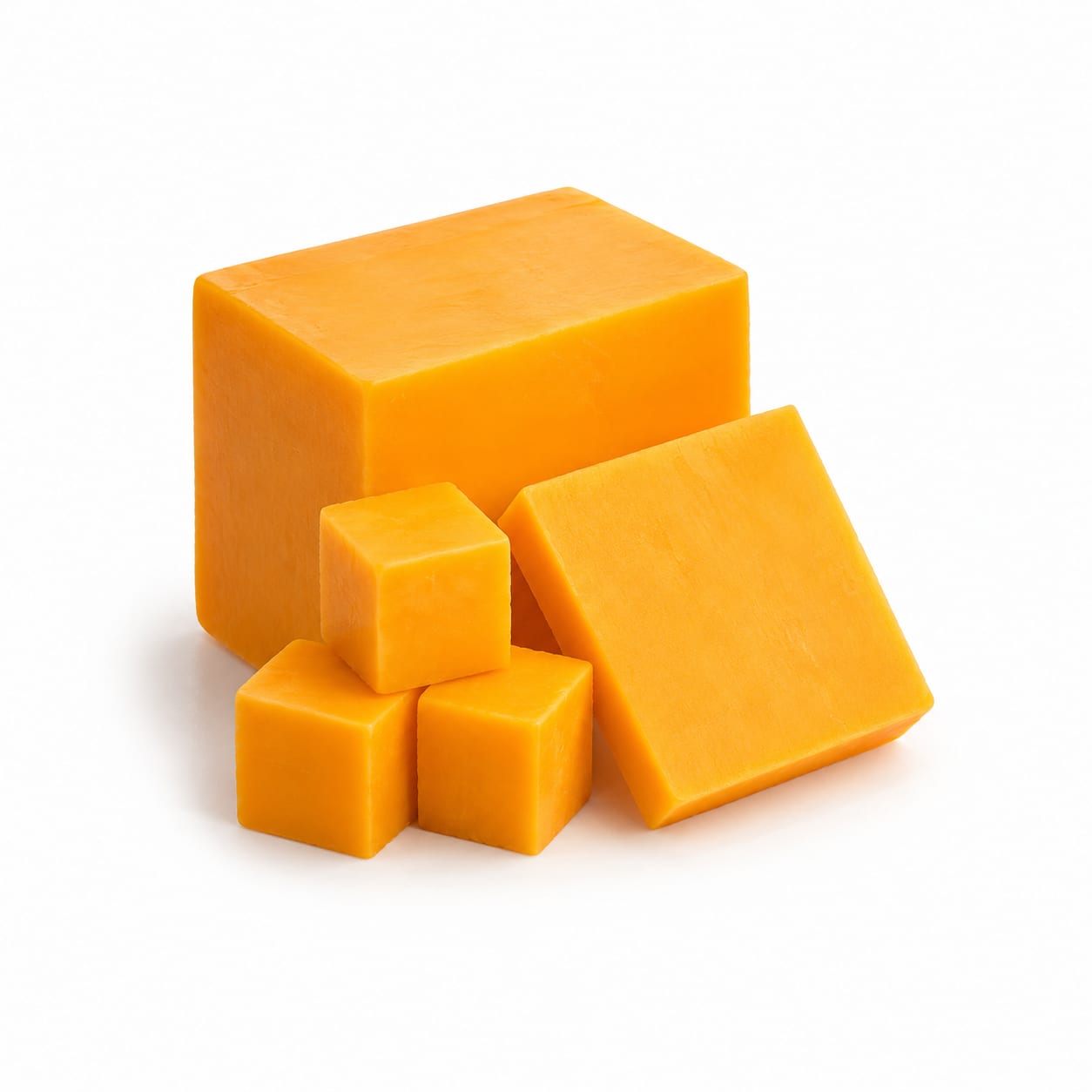
Cheddar Cheese
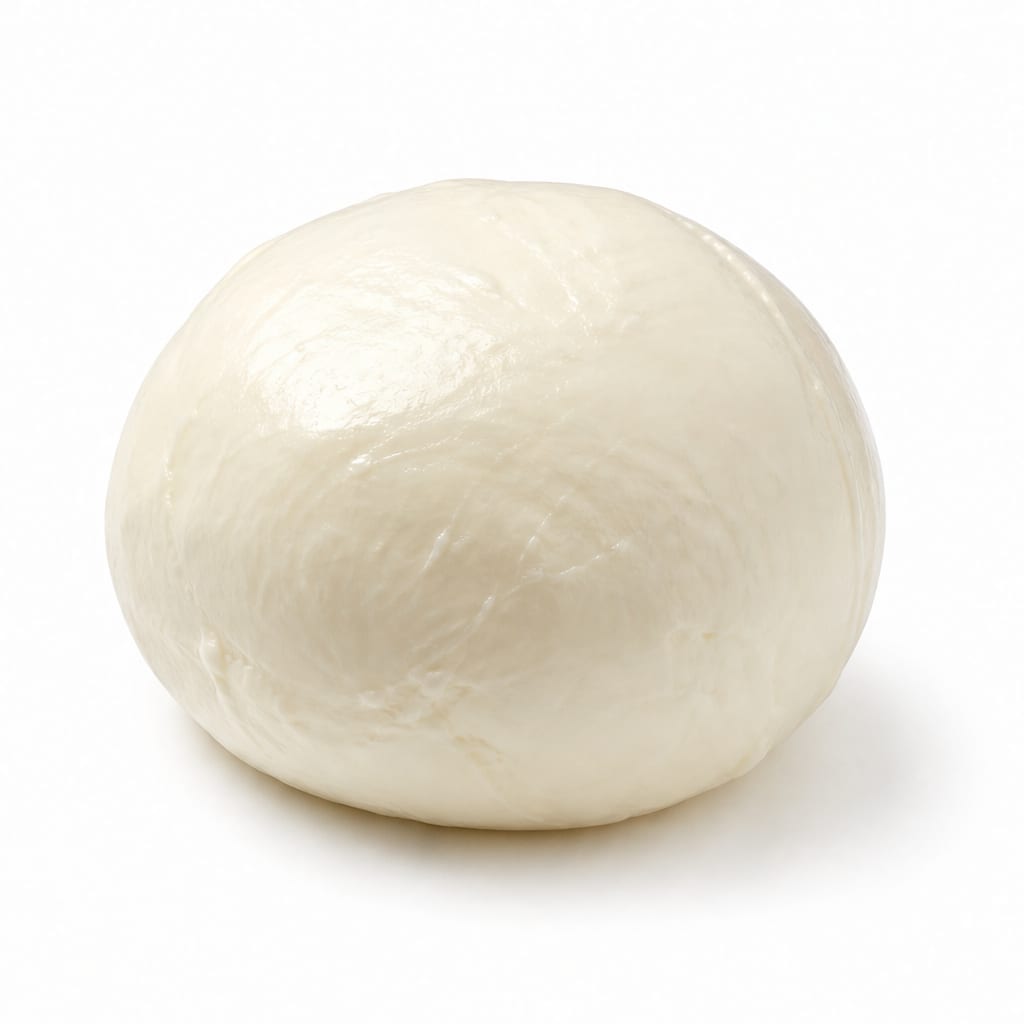
Mozzarella
Mozzarella is lighter and lower in sodium, while Cheddar Cheese packs a bolder flavor and more calcium per bite.
Mozzarella scores higher due to its more favorable fat and sodium profile for everyday eating, though Cheddar Cheese wins on flavor density and calcium.
Flavor intensity and calcium density versus lower calories and sodium.
At a glance
Executive summary
Overall
It depends
Healthier
Mozzarella
More practical
It depends
Daily use
Mozzarella
Key comparison lenses
Lower calorie and fat cheese options
Cheese is often avoided for its saturated fat and calories; comparing these two helps find the leaner choice.
Sodium and heart health impact
Cheddar Cheese is typically much higher in sodium than fresh Mozzarella, which matters for blood pressure management.
Culinary application and melting behavior
The two cheeses behave very differently in cooking, affecting meal choice and satisfaction.
Protein and snacking suitability
Both are popular high-protein snacks, but their satiety profiles differ based on fat and moisture content.
Best choice for
Cheddar Cheese
- Flavor lovers seeking a sharp bite
- Burgers and cold sandwiches
- Those needing high calcium in a small portion
Mozzarella
- Weight management and calorie tracking
- Pizza and hot melted dishes
- Blood pressure control and heart health
Least suitable for
Cheddar Cheese
- Low-sodium diets
- Strict calorie counters
Mozzarella
- Those seeking bold, intense cheese flavor
- Aged cheese and charcuterie boards
Deep comparison
Dimension by dimension
Each lens scores both foods and breaks down who each option suits.
- Dimension 1 · Priority 92Mozzarella
Calorie and Fat Density
Cheddar Cheese · 55Mozzarella · 85Mozzarella, especially part-skim, delivers significantly fewer calories and less saturated fat per serving than Cheddar Cheese.
Tradeoff
You sacrifice the rich, creamy mouthfeel of Cheddar Cheese for a lighter, more diet-friendly profile.
Why it matters
Saturated fat and calorie density directly impact heart health and weight management over time.
Real-world impact
Choosing Mozzarella makes it easier to stay within your daily calorie budget without feeling overly heavy afterward.
Cheddar Cheese
- Keto and low-carb diets
- High-calorie bulking phases
Better for
- Frequent mindless snacking
- Late-night eating
Worse for
Mozzarella
- Weight loss diets
- Lighter summer meals
Better for
- Meals where rich flavor is the star
Worse for
- Dimension 2 · Priority 88Mozzarella
Sodium and Heart Health
Cheddar Cheese · 50Mozzarella · 82Cheddar Cheese is notably higher in sodium, which can quickly push you toward your daily limit.
Tradeoff
Cheddar's aging process concentrates flavor but also salt content, while Mozzarella stays milder and lower in sodium.
Why it matters
High sodium intake is a leading driver of elevated blood pressure and cardiovascular strain.
Real-world impact
If you eat cheese daily, Mozzarella is much easier on your heart and won't leave you feeling bloated or thirsty.
Cheddar Cheese
- Post-workout electrolyte replenishment
Better for
- Those with high blood pressure
- Sodium-sensitive individuals
Worse for
Mozzarella
- Hypertension management
- Daily sandwich consumption
Better for
- Situations requiring intense seasoning
Worse for
- Dimension 3 · Priority 80Cheddar Cheese
Calcium and Micronutrients
Cheddar Cheese · 88Mozzarella · 78Due to its lower moisture content, Cheddar Cheese is more nutrient-dense, offering more calcium per ounce.
Tradeoff
You get more bone-building minerals per bite with Cheddar Cheese, but it comes packaged with more fat and calories.
Why it matters
Adequate calcium is crucial for bone density, nerve function, and muscle contraction.
Real-world impact
A single slice of Cheddar Cheese covers a larger portion of your daily calcium needs than an equivalent slice of Mozzarella.
Cheddar Cheese
- Older adults needing dense calcium sources
- Those eating smaller portions
Better for
- Those avoiding high-fat dairy
Worse for
Mozzarella
- Getting calcium alongside calorie control
Better for
- Very low-calorie diets needing max nutrients per gram
Worse for
- Dimension 4 · Priority 85It depends
Culinary Use and Satiety
Cheddar Cheese · 85Mozzarella · 85Cheddar Cheese excels in cold applications and bold flavor pairings, while Mozzarella is the undisputed king of melting.
Tradeoff
Cheddar Cheese satisfies with a small amount due to strong flavor, whereas Mozzarella provides volume, stretch, and a lighter feel.
Why it matters
How a cheese cooks and tastes determines how much you need to eat to feel satisfied.
Real-world impact
Use Cheddar Cheese for a quick snack or burger; reach for Mozzarella when making pizza or a caprese salad.
Cheddar Cheese
- Cheese boards
- Grilled cheese with sharp flavor
Better for
- Dishes requiring delicate stretch
Worse for
Mozzarella
- Homemade pizza
- Melty paninis
Better for
- Recipes needing a strong cheese presence
Worse for
Timeline
Health impact over time
Short-term
Hours to days
Cheddar Cheese
- High satiety from increased fat content
- Potential thirst and bloating from higher sodium
Mozzarella
- Lighter feeling after eating
- Less water retention due to lower salt
Long-term
Months to years
Cheddar Cheese
- Risk of elevated LDL cholesterol with high intake
- Potential blood pressure concerns if overconsumed
Mozzarella
- Easier weight maintenance over the years
- Better cardiovascular markers due to lower saturated fat
Risk profile
Safety & processing
Both are traditional cheeses, but fresh Mozzarella is simply milk, rennet, and salt, making it less processed than aged Cheddar Cheese which undergoes a longer fermentation and aging cycle.
Cheddar Cheese
Listeria (in unpasteurized versions)
mediumAged raw milk Cheddar Cheese can harbor Listeria, posing a risk to pregnant women and immunocompromised individuals.
Mozzarella
Spoilage and bacterial growth
mediumFresh Mozzarella has a very short shelf life and can spoil quickly if not kept consistently cold.
Who wins for whom
Audience fit
Same foods, different winners depending on your goal.
children
MozzarellaMozzarella's milder flavor and lower sodium are better for developing palates and young kidneys.
daily consumption
MozzarellaThe lighter nutritional profile of Mozzarella makes it more sustainable for everyday eating without compromising heart health.
diabetes
MozzarellaMozzarella has fewer calories and less saturated fat, supporting better metabolic health and insulin sensitivity.
elderly
MozzarellaLower sodium and easier digestibility make Mozzarella a safer daily choice for older adults managing blood pressure.
muscle gain
It dependsBoth offer high-quality casein protein, but Cheddar Cheese has slightly more calories for bulking, while Mozzarella offers leaner protein.
weight loss
MozzarellaMozzarella's lower calorie and fat content make it much easier to fit into a calorie deficit.
Your move
Decision guide
Choose Cheddar Cheese
- You want a bold, sharp flavor to satisfy a cheese craving
- You are making a burger or cold sandwich
- You need maximum calcium in a small portion
Choose Mozzarella
- You are watching your weight, saturated fat, or blood pressure
- You are making pizza or a dish that requires good melting
- You prefer a lighter, milder cheese for daily snacking
Either works if
- You just need a high-quality source of dairy protein
- You are building a varied cheese board
Avoid both if
- You are strictly lactose intolerant (though both are relatively low in lactose)
- You have a dairy allergy
Final recommendation
Opt for Mozzarella as your everyday cheese for a lighter, heart-friendlier option, but keep Cheddar Cheese on hand for when flavor intensity is the priority.
Practical
Consumer tips
- 1
Part-skim Mozzarella saves you about 30 calories per ounce with nearly the same protein as whole milk versions.
- 2
Grating Cheddar Cheese yourself from a block avoids the anti-caking cellulose found in pre-shredded bags.
- 3
If you find Cheddar Cheese too salty, pair it with a low-sodium food like an apple to balance the bite.
- 4
Fresh Mozzarella should be eaten within a few days of opening for the best texture and taste.