
Nutrition comparison
Cheddar Cheese vs Cottage Cheese: Nutrition & Health Comparison
Comparing Cheddar Cheese vs Cottage Cheese? Discover which is better for weight loss, protein, and daily nutrition, plus the hidden sodium tradeoffs.
Overall winner · Cottage Cheese
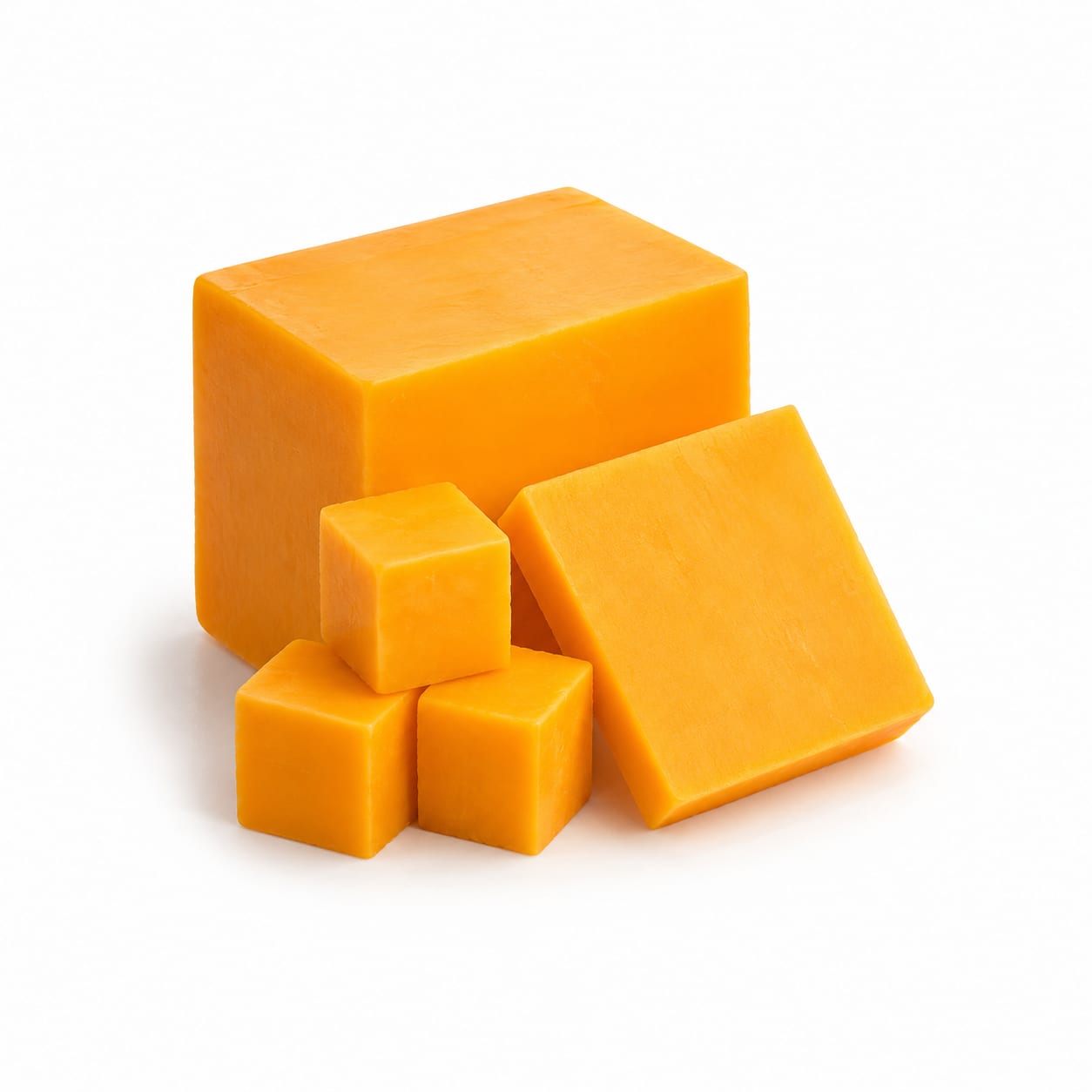
Cheddar Cheese
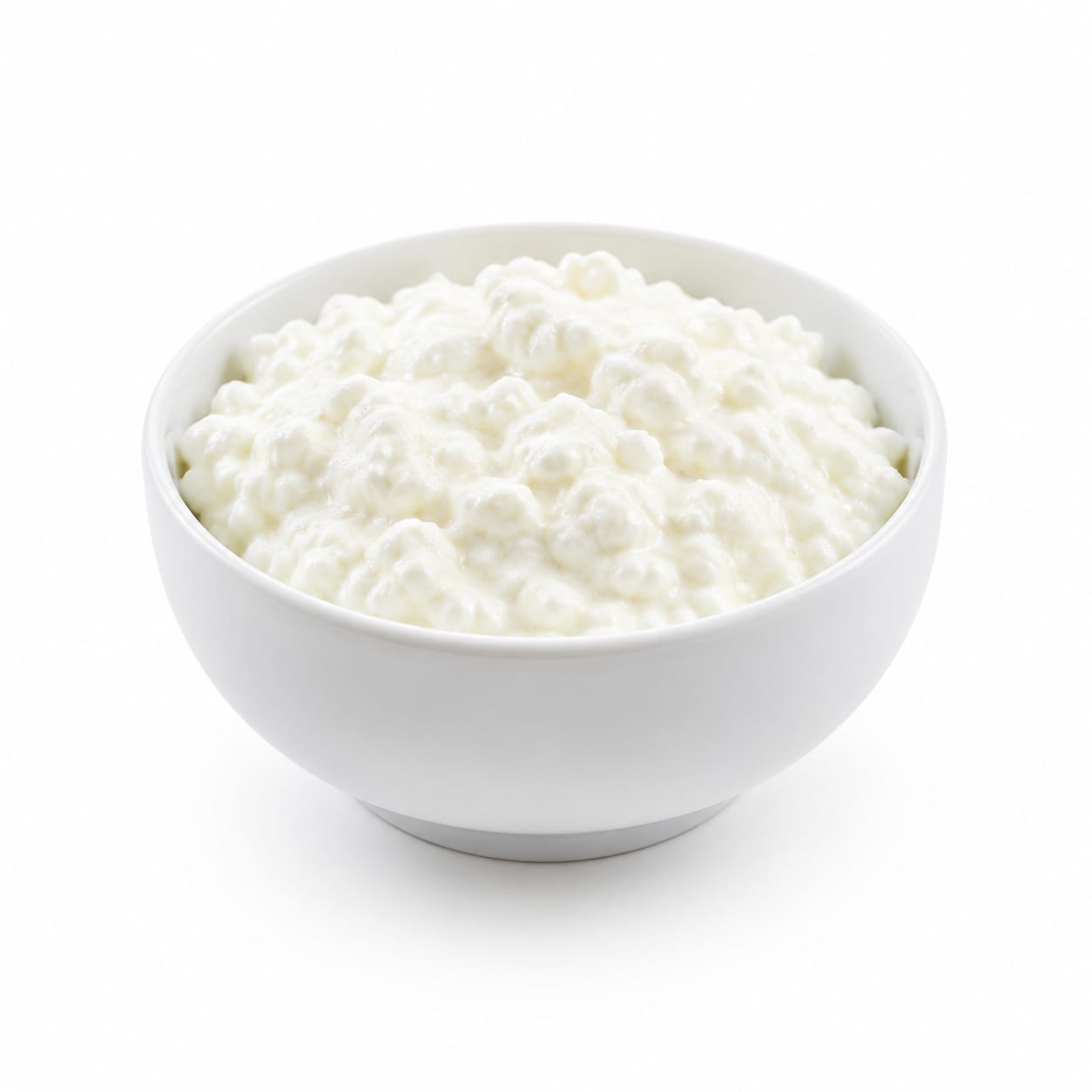
Cottage Cheese
Cottage Cheese wins for daily nutrition due to its high protein and low calorie count, but Cheddar Cheese delivers far more flavor with less sodium per serving.
Cottage Cheese scores higher due to its superior protein-to-calorie ratio and satiety benefits, making it a more versatile daily staple. Cheddar Cheese scores lower primarily due to high calorie density and saturated fat, limiting its everyday practicality.
You trade the rich, satisfying flavor and lower sodium of Cheddar Cheese for the waistline-friendly, muscle-feeding protein of Cottage Cheese.
At a glance
Executive summary
Overall
Cottage Cheese
Healthier
Cottage Cheese
More practical
It depends
Daily use
Cottage Cheese
Key comparison lenses
Weight management and calorie density
Cheddar Cheese is highly calorie-dense, while Cottage Cheese is a staple for low-calorie diets.
Protein intake and satiety
Cottage Cheese is renowned for its high casein protein content, keeping users full longer compared to the higher-fat Cheddar Cheese.
Sodium load and heart health
Both are significant sources of sodium, but Cottage Cheese is notoriously high in salt, which often surprises health-conscious users.
Culinary versatility and flavor satisfaction
Cheddar Cheese offers a rich, savory flavor that enhances meals, whereas Cottage Cheese has a mild profile that requires pairing.
Best choice for
Cheddar Cheese
- Flavor lovers wanting a satisfying garnish
- Low-carb and keto dieters needing high fat
- Those watching sodium but wanting cheese flavor
- Cooking and melting applications
Cottage Cheese
- Weight loss and calorie counting
- Muscle gain and post-workout recovery
- Late-night snacking without the heavy calories
- High-volume eaters who want larger portions
Least suitable for
Cheddar Cheese
- Strict calorie-controlled diets
- Those managing high cholesterol or saturated fat intake
- People prone to overeating rich foods
Cottage Cheese
- Sodium-sensitive individuals
- Those who dislike lumpy or mild-flavored foods
- People looking for a meltable cooking cheese
Deep comparison
Dimension by dimension
Each lens scores both foods and breaks down who each option suits.
- Dimension 1 · Priority 95Cottage Cheese
Protein Quality & Satiety
Cheddar Cheese · 40Cottage Cheese · 92Cottage Cheese is a protein powerhouse packed with slow-digesting casein that keeps you full for hours, whereas Cheddar Cheese provides less protein and more fat per serving.
Tradeoff
You trade rich flavor for sustained fullness and muscle support.
Why it matters
High-protein, low-calorie foods make portion control effortless and naturally reduce cravings.
Real-world impact
A bowl of Cottage Cheese after dinner prevents late-night fridge raids far better than a few cubes of Cheddar Cheese.
Cheddar Cheese
- Quick energy from fat
Better for
- Feeling hungry again quickly
Worse for
Cottage Cheese
- Staying full between meals
- Muscle repair overnight
- Reducing overall daily calorie intake
Better for
- Needing to add toppings for flavor satisfaction
Worse for
- Dimension 2 · Priority 90Cottage Cheese
Calorie Density & Weight Management
Cheddar Cheese · 30Cottage Cheese · 88Cheddar Cheese is extremely calorie-dense, making it easy to accidentally overeat. Cottage Cheese offers a high-volume, low-calorie alternative.
Tradeoff
Cheddar Cheese delivers more flavor per bite, but Cottage Cheese lets you eat a much larger portion without breaking your calorie budget.
Why it matters
Calorie density dictates how much food you can eat before feeling full.
Real-world impact
You can eat a full cup of Cottage Cheese for the same calories as a small 1.5-ounce slice of Cheddar Cheese.
Cheddar Cheese
- Keto and low-carb dieting
- Getting calories in easily for weight gain
Better for
- Easy to overshoot daily calories
- Requires strict portion control
Worse for
Cottage Cheese
- Cutting calories without eating tiny portions
- Creating large, filling meals
Better for
- May feel too light if you need substantial energy
Worse for
- Dimension 3 · Priority 80Cheddar Cheese
Sodium Load
Cheddar Cheese · 55Cottage Cheese · 35Cheddar Cheese contains moderate sodium, but Cottage Cheese is notoriously high in salt, often packing over 400mg per serving.
Tradeoff
While Cottage Cheese wins on protein, it can easily push you over your daily sodium limit if you aren't careful.
Why it matters
Excess sodium drives up blood pressure and causes uncomfortable bloating.
Real-world impact
Eating Cottage Cheese daily might leave you feeling puffy, whereas a slice of Cheddar Cheese on a sandwich contributes less sodium overall.
Cheddar Cheese
- Keeping daily salt intake lower
- Avoiding water retention
Better for
- Still a notable sodium source if stacked in sandwiches
Worse for
Cottage Cheese
- Replenishing sodium after heavy sweating
Better for
- High risk for blood pressure spikes
- Can cause noticeable bloating
Worse for
- Dimension 4 · Priority 75Cheddar Cheese
Flavor & Culinary Versatility
Cheddar Cheese · 92Cottage Cheese · 55Cheddar Cheese brings a bold, savory punch that enhances almost any dish, while Cottage Cheese has a mild, sometimes bland profile.
Tradeoff
Cheddar Cheese elevates meals with minimal effort, whereas Cottage Cheese often requires added ingredients to make it palatable.
Why it matters
Enjoyment is crucial for long-term dietary adherence.
Real-world impact
Melted Cheddar Cheese makes a boring bowl of broccoli irresistible; Cottage Cheese requires more creativity to feel like a treat.
Cheddar Cheese
- Making healthy foods taste amazing
- Melting over burgers and casseroles
Better for
- Can overpower delicate dishes
Worse for
Cottage Cheese
- Acting as a neutral base for sweet or savory mix-ins
Better for
- Texture can be off-putting to some
- Rarely eaten entirely plain
Worse for
Timeline
Health impact over time
Short-term
Hours to days
Cheddar Cheese
- Quick energy from fat, but easy to overconsume calories
- Can feel heavy or sluggish if eaten in large amounts
Cottage Cheese
- High satiety and fullness from casein protein
- May cause bloating from high sodium or lactose content
Long-term
Months to years
Cheddar Cheese
- Increased saturated fat intake could impact heart health if overconsumed
- Excellent for maintaining bone density due to high calcium concentration
Cottage Cheese
- Supports muscle preservation and healthy weight management
- Excessive sodium intake could impact blood pressure over time if not monitored
Risk profile
Safety & processing
Both are relatively simple dairy products, but Cottage Cheese undergoes less aging and processing, retaining more of the whey and original milk structure. Cheddar Cheese requires cultures, rennet, and an aging process to develop its flavor.
Cheddar Cheese
Listeria contamination
lowAged cheeses carry a slight listeria risk, especially from unpasteurized milk, but commercial Cheddar Cheese is generally very safe.
Cottage Cheese
Spoilage and bacterial growth
mediumCottage Cheese has high moisture content, making it spoil faster than Cheddar Cheese once opened. Always respect expiration dates and keep it tightly sealed.
Who wins for whom
Audience fit
Same foods, different winners depending on your goal.
children
Cheddar CheeseKids generally prefer the mild, melty, and familiar flavor of Cheddar Cheese over the lumpy texture of Cottage Cheese.
daily consumption
Cottage CheeseThe favorable protein-to-fat ratio makes Cottage Cheese a safer daily staple, whereas Cheddar Cheese is better enjoyed in moderation due to its calorie density.
diabetes
Cottage CheeseCottage Cheese has nearly zero carbs and a high protein content that stabilizes blood sugar without the heavy saturated fat load of Cheddar Cheese.
elderly
Cottage CheeseCottage Cheese is easier to chew, higher in muscle-preserving protein, and lower in heart-stressing saturated fats, making it ideal for aging bodies.
muscle gain
Cottage CheeseThe slow-digesting casein protein in Cottage Cheese is ideal for muscle repair, especially when eaten before bed to sustain overnight amino acid delivery.
weight loss
Cottage CheeseCottage Cheese provides high volume and protein for very few calories, making it far easier to maintain a calorie deficit without feeling deprived.
Your move
Decision guide
Choose Cheddar Cheese
- You want bold flavor and culinary satisfaction without eating a large volume
- You need a low-moisture cheese for cooking, burgers, or melting
- You are watching your sodium intake closely
- You want a cheese that lasts a long time in the fridge without spoiling
Choose Cottage Cheese
- You are tracking calories or trying to lose weight
- You need a high-protein snack before or after a workout
- You want a filling late-night snack without the heavy calories
- You are focusing on muscle maintenance and body composition
Either works if
- You need a low-carb, keto-friendly dairy option
- You want to boost your daily calcium intake
Avoid both if
- You have a severe dairy allergy or lactose intolerance
- You are on a strict sodium-restricted diet for kidney disease or severe hypertension
Final recommendation
Choose Cottage Cheese for everyday nutrition, satiety, and body composition goals. Opt for Cheddar Cheese when flavor, cooking, or sodium reduction are your top priorities. Both can coexist in a healthy diet when portions are managed properly.
Practical
Consumer tips
- 1
Rinse Cottage Cheese under cold water in a strainer to reduce the sodium content by up to 30%.
- 2
Buy sharp Cheddar Cheese; you can use less of it because the flavor is more concentrated, saving you calories.
- 3
Look for no-salt-added or low-sodium Cottage Cheese if you eat it daily to avoid bloating and blood pressure spikes.
- 4
Pair Cottage Cheese with fruit or nuts to make it a more satisfying and balanced snack without much effort.