
Nutrition comparison
Cheddar Cheese vs Brie: Nutrition, Health, & Taste Comparison
Comparing Cheddar Cheese vs Brie? Discover which cheese is healthier, higher in protein, lower in sodium, and safer for pregnancy.
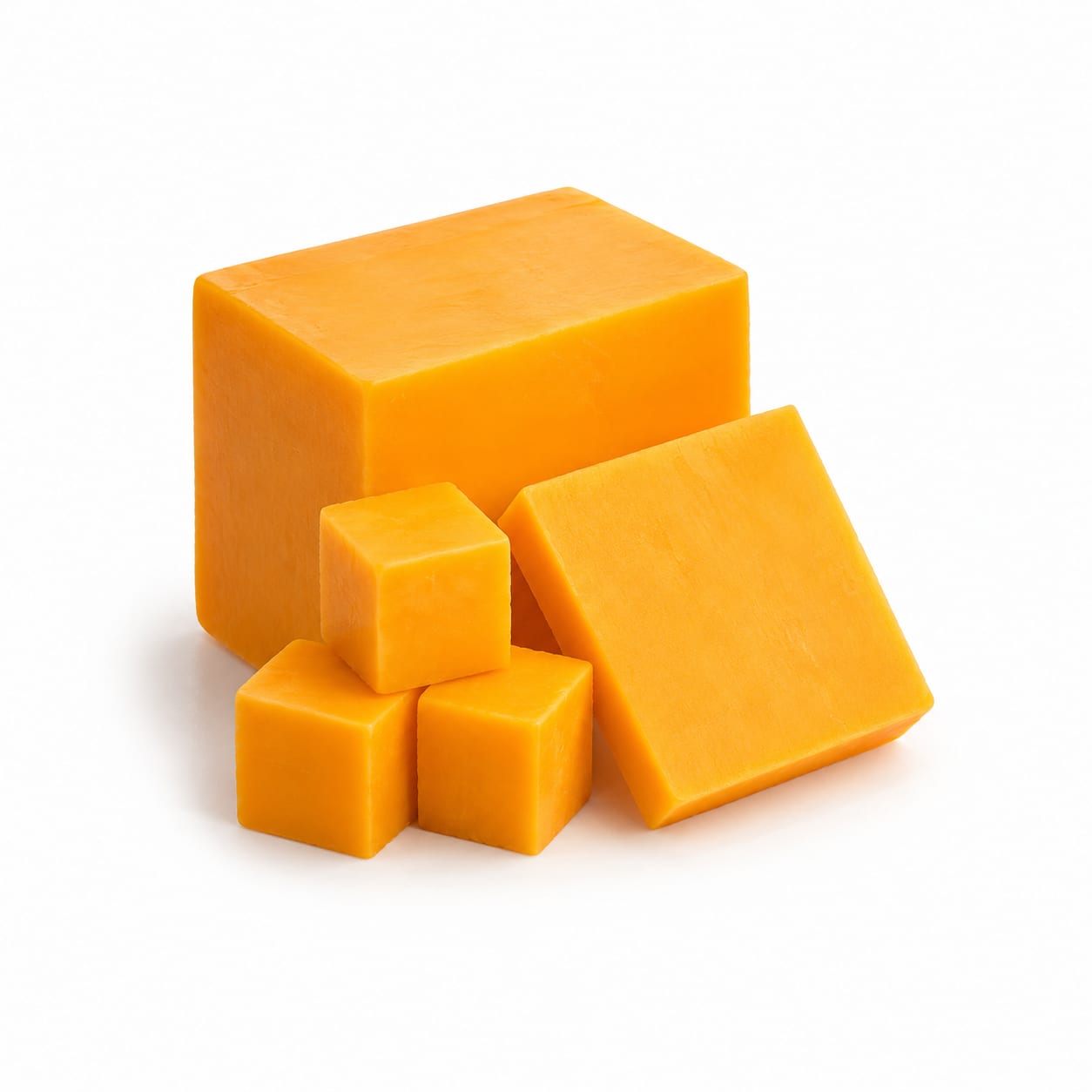
Cheddar Cheese
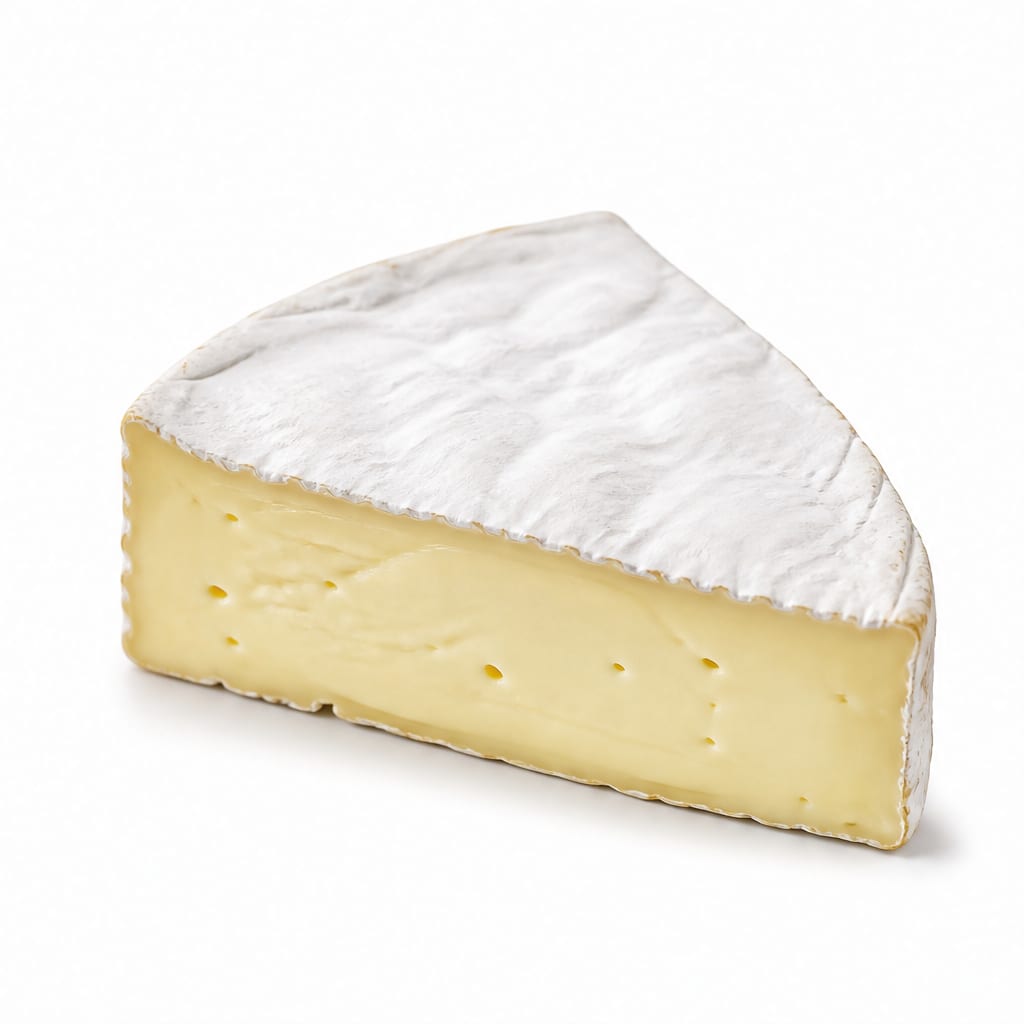
Brie
Cheddar Cheese delivers more protein and calcium, while Brie offers a creamier, lower-sodium indulgence.
Cheddar Cheese scores slightly higher due to its superior protein and calcium content, but loses points for its higher sodium load. Brie is a more indulgent, lower-sodium option but offers less nutritional bang for your buck.
You trade the higher protein and bone-building calcium of Cheddar Cheese for the softer, lower-sodium experience of Brie.
At a glance
Executive summary
Overall
It depends
Healthier
It depends
More practical
Cheddar Cheese
Daily use
Cheddar Cheese
Key comparison lenses
Nutrient density vs indulgence
Cheddar Cheese is often chosen for its protein and calcium, while Brie is favored for its creamy texture and luxurious eating experience.
Sodium and blood pressure impact
Cheddar Cheese is significantly higher in sodium than Brie, which is a major factor for heart health and daily consumption.
Food safety and pregnancy suitability
Brie carries a higher risk of Listeria due to its soft-ripened nature, making it a critical concern for pregnant women compared to hard Cheddar Cheese.
Best choice for
Cheddar Cheese
- high protein diets
- calcium needs
- cooking and melting
Brie
- low sodium diets
- elegant entertaining
- creamy texture lovers
Least suitable for
Cheddar Cheese
- strict low-sodium diets
- those watching saturated fat closely
Brie
- pregnant women
- high protein diets
Deep comparison
Dimension by dimension
Each lens scores both foods and breaks down who each option suits.
- Dimension 1 · Priority 90Cheddar Cheese
Protein & Satiety
Cheddar Cheese · 85Brie · 60Cheddar Cheese packs significantly more protein per serving, making it much more filling.
Tradeoff
You get more hunger-curbing protein from Cheddar Cheese, but Brie feels lighter in the moment if you prefer a less dense snack.
Why it matters
Higher protein helps maintain muscle and prevents overeating later in the day.
Real-world impact
A Cheddar Cheese snack will keep you full until your next meal, whereas Brie might leave you reaching for something else within an hour.
Cheddar Cheese
- post-workout recovery
- keeping hunger at bay between meals
Better for
- light snacking right before a heavy meal
Worse for
Brie
- lighter tasting appetizer
Better for
- sustained energy without crashing
Worse for
- Dimension 2 · Priority 85Brie
Sodium Load
Cheddar Cheese · 40Brie · 70Brie is notably lower in sodium, making it a safer bet for blood pressure management.
Tradeoff
Choosing Brie eases the strain on your blood pressure, but you miss out on the sharper flavor that salt brings to Cheddar Cheese.
Why it matters
High sodium intake is a leading driver of hypertension and bloating.
Real-world impact
Eating Cheddar Cheese frequently can easily push your daily sodium intake over the limit, while Brie is less likely to cause that puffy, bloated feeling the next morning.
Cheddar Cheese
- salt-sensitive individuals
Worse for
Brie
- blood pressure management
- reducing morning bloating
Better for
- Dimension 3 · Priority 80Cheddar Cheese
Calcium & Bone Health
Cheddar Cheese · 90Brie · 55Cheddar Cheese is a calcium powerhouse, delivering almost twice the bone-building minerals of Brie.
Tradeoff
Cheddar Cheese clearly wins for bone strength, but you still get a decent calcium boost from Brie if you prefer its milder taste.
Why it matters
Adequate calcium intake is crucial for preventing osteoporosis and maintaining dental health.
Real-world impact
A couple of slices of Cheddar Cheese cover a significant portion of your daily calcium needs, making it an easy way to protect your bones long-term.
Cheddar Cheese
- growing teens
- older adults needing bone support
Better for
Brie
- those relying solely on cheese for calcium
Worse for
- Dimension 4 · Priority 80Cheddar Cheese
Food Safety & Pregnancy
Cheddar Cheese · 95Brie · 40Hard Cheddar Cheese is extremely safe, while soft Brie carries a real risk of Listeria contamination.
Tradeoff
Cheddar Cheese is a worry-free option for vulnerable groups, whereas Brie requires careful label checking and avoidance if unpasteurized.
Why it matters
Listeria infection can be severe or even fatal for pregnant women, newborns, and the elderly.
Real-world impact
You can confidently eat Cheddar Cheese during pregnancy, but Brie should be avoided entirely unless you are certain it is made from pasteurized milk and handled perfectly.
Cheddar Cheese
- pregnant women
- immune-compromised individuals
Better for
Brie
- pregnant women (due to Listeria risk)
Worse for
- Dimension 5 · Priority 70Brie
Fat Profile & Creaminess
Cheddar Cheese · 60Brie · 85Brie offers a luxurious, creamy mouthfeel that feels more indulgent bite-for-bite.
Tradeoff
Brie delivers a more satisfying sensory experience for cheese lovers, though both are high in saturated fat and should be portion-controlled.
Why it matters
Enjoying the texture of your food increases meal satisfaction and prevents feeling deprived.
Real-world impact
A small wedge of Brie feels like a rich treat on a charcuterie board, satisfying your indulgent cravings faster than a firmer cheese might.
Cheddar Cheese
- those seeking a luxurious spread
Worse for
Brie
- elegant entertaining
- satisfying rich cravings quickly
Better for
Timeline
Health impact over time
Short-term
Hours to days
Cheddar Cheese
- Quick and lasting satiety from high protein
- May cause thirst due to higher sodium content
Brie
- Lighter feeling per bite, making it easy to overconsume
- Less likely to cause sodium-related bloating
Long-term
Months to years
Cheddar Cheese
- Stronger bone density from high calcium intake
- Potential blood pressure concerns if eaten in large amounts daily
Brie
- Easier on the cardiovascular system regarding blood pressure
- Still poses heart health risks from saturated fat if overeaten
Risk profile
Safety & processing
Both Cheddar Cheese and Brie are traditional fermented dairy products with minimal artificial additives, though Cheddar Cheese sometimes contains annatto for color.
Cheddar Cheese
Listeria
lowHard cheeses like Cheddar Cheese are extremely unlikely to harbor Listeria due to their low moisture and high acidity.
Brie
Listeria
highSoft-ripened cheeses like Brie carry a significantly higher risk of Listeria contamination, especially if made from unpasteurized milk, making it unsafe for pregnant women.
Who wins for whom
Audience fit
Same foods, different winners depending on your goal.
children
Cheddar CheeseCheddar Cheese provides more calcium for growing bones and is much safer from a foodborne illness perspective.
daily consumption
Cheddar CheeseCheddar Cheese is more versatile in cooking, higher in essential nutrients like protein and calcium, and safer for daily use.
diabetes
It dependsBoth Cheddar Cheese and Brie are very low in carbohydrates and will not spike blood sugar, making them equally suitable in moderation.
elderly
Cheddar CheeseThe higher calcium in Cheddar Cheese helps prevent osteoporosis, and its lower Listeria risk is crucial for aging immune systems.
muscle gain
Cheddar CheeseCheddar Cheese has a higher protein content, supporting muscle repair and growth more effectively.
weight loss
Cheddar CheeseCheddar Cheese offers more protein per calorie, keeping you fuller longer and reducing the urge to overeat.
Your move
Decision guide
Choose Cheddar Cheese
- You want a filling, protein-rich snack
- You are pregnant or serving cheese to children
- You need a versatile cheese for cooking or melting
Choose Brie
- You are strictly watching your sodium intake
- You want a creamy, indulgent treat for a charcuterie board
- You prefer a milder, softer flavor profile
Either works if
- You need a zero-carb snack to pair with nuts
- You are looking for a satisfying fat source on a keto diet
Avoid both if
- You have a severe dairy allergy
- You are strictly limiting saturated fat for heart disease management
Final recommendation
Let your immediate health goals decide: choose Cheddar Cheese for daily protein, calcium, and safety, and save Brie for lower-sodium indulgence when you want a creamy treat.
Practical
Consumer tips
- 1
Always verify that Brie is made from pasteurized milk if you are pregnant or immunocompromised.
- 2
Measure portions for both cheeses, as their high calorie density makes it easy to accidentally overeat.
- 3
Pair Cheddar Cheese with apple slices or Brie with walnuts to add fiber and balance the fat content.
- 4
Opt for sharp or aged Cheddar Cheese if you want maximum flavor with slightly less lactose.