
Nutrition comparison
Cheddar Cheese vs Gouda: Which is Healthier?
Compare Cheddar Cheese and Gouda to discover which offers more calcium, which has heart-protecting vitamin K2, and which is better for your diet.
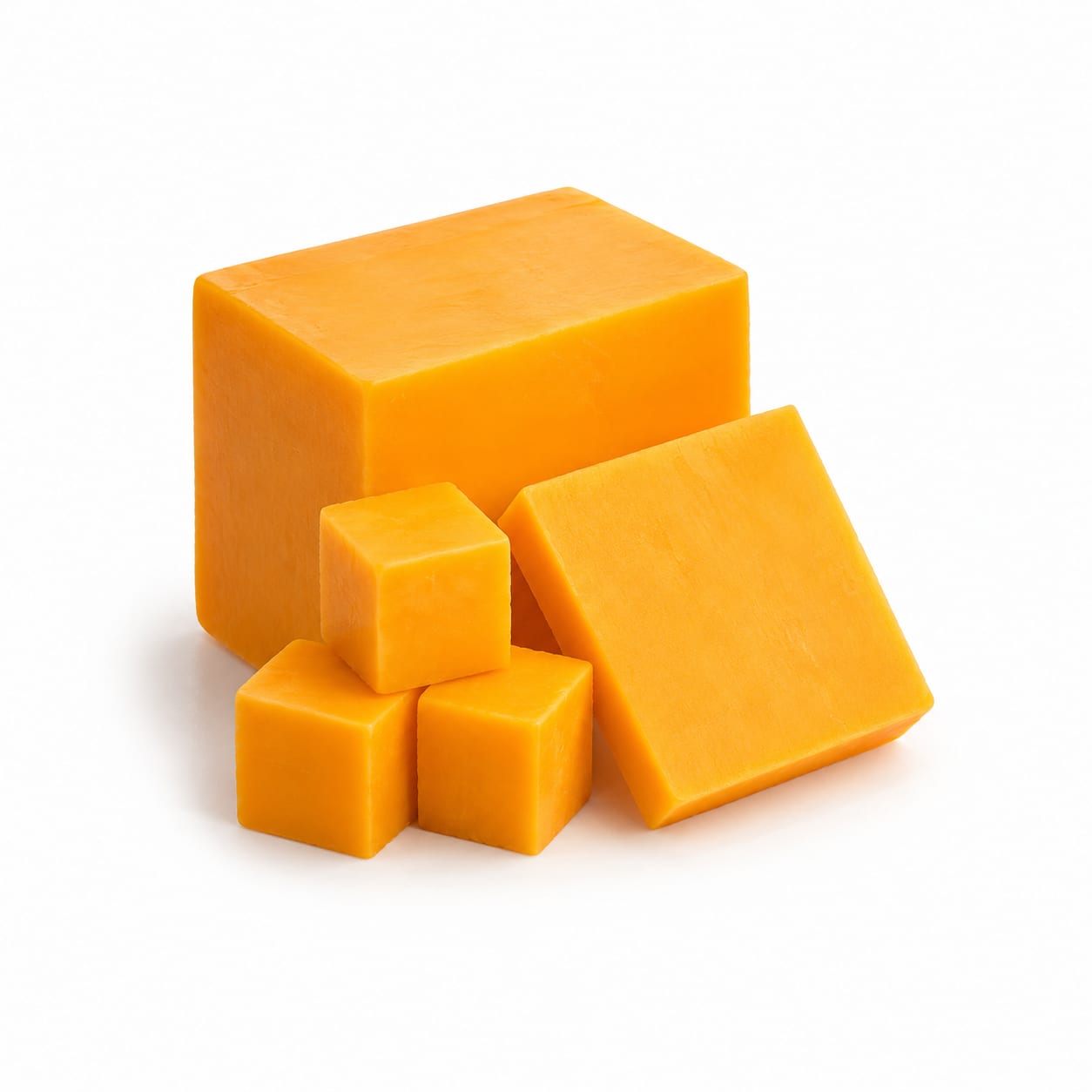
Cheddar Cheese
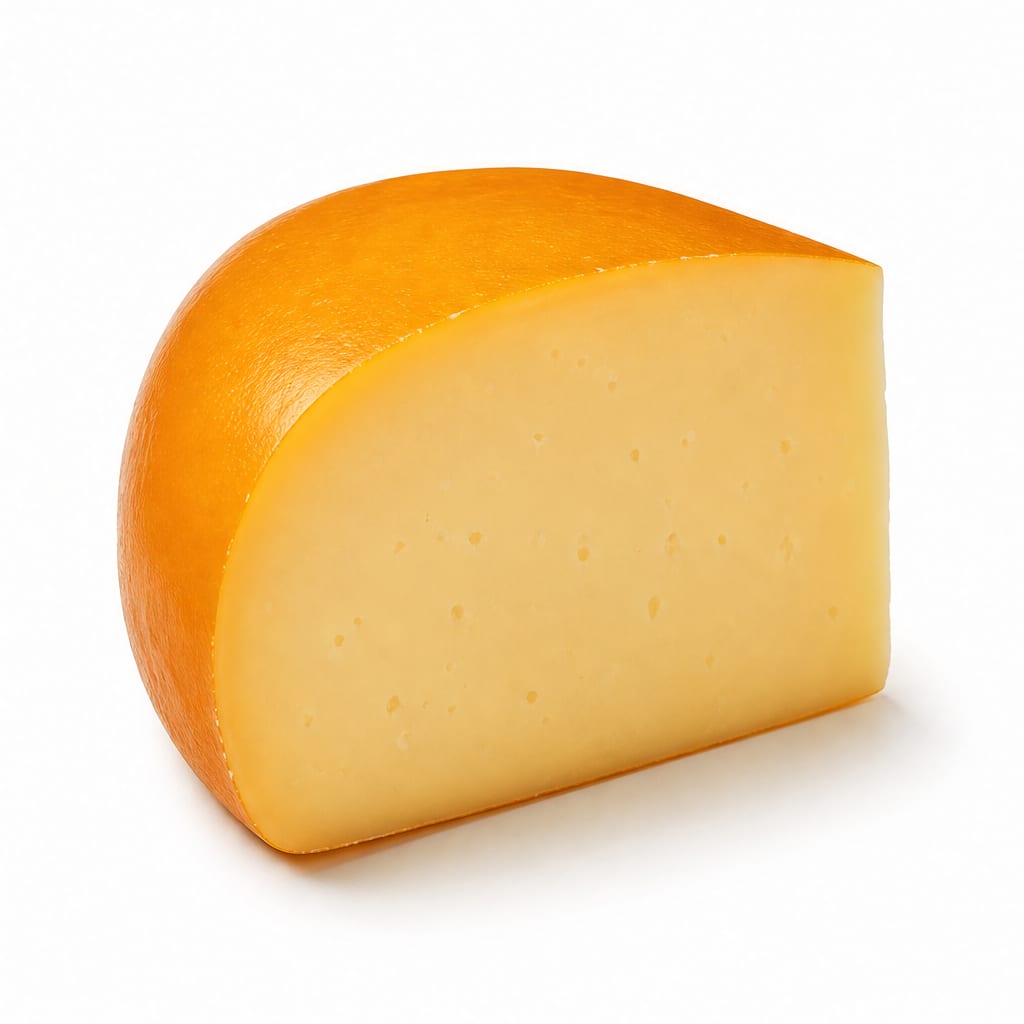
Gouda
Cheddar Cheese delivers slightly more calcium with less sodium, but Gouda brings rare vitamin K2 to protect your heart and bones.
Gouda narrowly wins due to its exceptional vitamin K2 content, which unlocks calcium's benefits safely. Cheddar Cheese remains excellent but lacks this specific cardiovascular protection.
Cheddar Cheese is the better low-sodium calcium boost, while Gouda is the superior choice for nutrient synergy and creamy melting.
At a glance
Executive summary
Overall
It depends
Healthier
It depends
More practical
Cheddar Cheese
Daily use
It depends
Key comparison lenses
Bone and cardiovascular health optimization
Gouda is uniquely rich in vitamin K2, which directs calcium to bones and away from arteries, making it a critical differentiator against Cheddar Cheese.
Sodium and blood pressure management
Both are salty cheeses, but sodium levels differ enough to matter for daily snacking and heart health.
Culinary use and melting behavior
Gouda melts smoothly for sauces, while aged Cheddar Cheese can break and become grainy, impacting real-world meal choices.
Lactose tolerance
Both are relatively low in lactose, but aged versions of each behave differently for sensitive stomachs.
Best choice for
Cheddar Cheese
- Sodium-sensitive individuals
- Those seeking maximum calcium per bite
- Sharp flavor lovers who eat less naturally
Gouda
- Older adults worried about arterial calcification
- Home cooks making creamy sauces or fondue
- Kids who prefer mild, sweet flavors
Least suitable for
Cheddar Cheese
- People avoiding sharp or acidic flavors
- Smooth sauce preparations requiring even melting
Gouda
- Strict low-sodium diets
- Those needing a low-calorie flavor punch to eat less
Deep comparison
Dimension by dimension
Each lens scores both foods and breaks down who each option suits.
- Dimension 1 · Priority 95Gouda
Vitamin K2 and Heart Health
Cheddar Cheese · 40Gouda · 95Gouda is one of the best dietary sources of vitamin K2, while Cheddar Cheese contains far less.
Tradeoff
You miss out on significant K2 if you choose Cheddar Cheese, which helps keep calcium out of your arteries and in your bones.
Why it matters
Vitamin K2 activates proteins that prevent calcium from hardening your arteries, a crucial factor for long-term cardiovascular health.
Real-world impact
Eating Gouda regularly acts like a safety net for your heart, ensuring the calcium you consume builds bone strength instead of arterial plaque.
Cheddar Cheese
- Those relying on cheese for bone-heart synergy
Worse for
Gouda
- Aging adults
- Heart health optimizers
Better for
- Dimension 2 · Priority 82Cheddar Cheese
Sodium Load
Cheddar Cheese · 65Gouda · 50Cheddar Cheese typically contains less sodium than Gouda, making it easier on blood pressure.
Tradeoff
Choosing Gouda means consuming more sodium per serving, which can add up quickly if you eat cheese daily.
Why it matters
Excess sodium drives up blood pressure and causes bloating, which undermines the cardiovascular benefits of dairy.
Real-world impact
A Cheddar Cheese snack leaves you less parched and less bloated by evening compared to an equal portion of Gouda.
Cheddar Cheese
- Hypertension management
- Reducing afternoon water retention
Better for
Gouda
- Salt-sensitive individuals
- Daily heavy snackers
Worse for
- Dimension 3 · Priority 75Cheddar Cheese
Mineral Density and Satiety
Cheddar Cheese · 85Gouda · 78Cheddar Cheese packs slightly more calcium and protein per calorie, offering a denser nutritional bite.
Tradeoff
Gouda is slightly less protein-dense, meaning you get marginally less satiety per ounce compared to Cheddar Cheese.
Why it matters
Higher protein and calcium per bite help curb hunger faster and support muscle maintenance.
Real-world impact
A small cube of Cheddar Cheese shuts down afternoon hunger pangs slightly faster than Gouda.
Cheddar Cheese
- Quick hunger control
- Post-workout protein snacking
Better for
Gouda
- Maximizing protein per calorie
Worse for
- Dimension 4 · Priority 70Gouda
Culinary Melting and Versatility
Cheddar Cheese · 60Gouda · 90Gouda melts into a smooth, creamy texture, while aged Cheddar Cheese tends to separate and become oily.
Tradeoff
If you want a perfect melt, Gouda is superior, but you sacrifice the sharp, tangy bite that Cheddar Cheese brings to a dish.
Why it matters
A cheese that melts evenly creates better sauces, grilled cheese, and casseroles without a greasy pool forming.
Real-world impact
Your homemade mac and cheese will be velvety with Gouda, but potentially grainy and oily with extra-sharp Cheddar Cheese.
Cheddar Cheese
- Bold flavor garnishes
- Cold snack plates
Better for
- Smooth emulsified cooking
Worse for
Gouda
- Grilled cheese sandwiches
- Creamy pasta sauces
Better for
Timeline
Health impact over time
Short-term
Hours to days
Cheddar Cheese
- Quickly satisfies hunger due to high protein and fat
- May cause slight thirst from moderate sodium
Gouda
- Provides comforting, creamy satiety
- More likely to cause water retention from higher sodium content
Long-term
Months to years
Cheddar Cheese
- Supports bone density through high calcium absorption
- Lower sodium intake helps maintain healthier blood pressure over time
Gouda
- Vitamin K2 actively protects arteries from calcification
- Higher sodium load could negatively impact cardiovascular markers if overconsumed
Risk profile
Safety & processing
Both are traditional fermented dairy products with minimal additives in their natural forms. Avoid pre-shredded versions, as they contain anti-caking agents like cellulose that ruin texture and meltability.
Cheddar Cheese
Histamine intolerance
mediumAged Cheddar Cheese contains high levels of histamine, which can trigger headaches or digestive upset in sensitive individuals.
Gouda
Histamine intolerance
mediumAged Gouda also accumulates high histamine levels, potentially causing similar reactions in sensitive people.
Listeria contamination
lowUnpasteurized Gouda carries a slight risk of Listeria, a concern primarily for pregnant women and immunocompromised individuals.
Who wins for whom
Audience fit
Same foods, different winners depending on your goal.
children
GoudaGouda has a milder, sweeter flavor and smoother melt, making it far more appealing and easier to chew for kids.
daily consumption
It dependsCheddar Cheese is better for daily snacking if watching sodium, but Gouda is better for daily cardiovascular protection.
diabetes
It dependsBoth have near-zero carbs and will not spike blood sugar, making them equally safe for diabetic diets.
elderly
GoudaThe high vitamin K2 in Gouda is crucial for older adults to prevent arterial calcification and maintain bone strength.
muscle gain
Cheddar CheeseCheddar Cheese provides marginally more protein per ounce, giving it a slight edge for muscle repair.
weight loss
Cheddar CheeseCheddar Cheese has a sharper flavor and slightly higher protein, satisfying cravings faster so you naturally eat less.
Your move
Decision guide
Choose Cheddar Cheese
- You are watching your blood pressure or sodium intake
- You want a sharp, bold flavor that satisfies with small portions
- You are focusing purely on calcium and protein density
Choose Gouda
- You want the heart and bone benefits of vitamin K2
- You are making a grilled cheese, fondue, or creamy sauce
- You prefer a mild, nutty, and sweet cheese flavor
Either works if
- You need a low-carb, high-fat snack to stabilize blood sugar
- You are looking for a portable, shelf-stable protein source
Avoid both if
- You are strictly limiting saturated fat for heart disease management
- You have a severe dairy allergy or extreme lactose intolerance
- You are highly sensitive to dietary histamine
Final recommendation
Let your health goals decide. If bone-heart synergy and cooking versatility matter most, Gouda is your cheese. If you want sharper flavor, higher protein, and lower sodium for daily snacking, go with Cheddar Cheese.
Practical
Consumer tips
- 1
Always buy block cheese instead of pre-shredded to avoid cellulose and enjoy better melting.
- 2
Aged versions of both cheeses have nearly zero lactose, making them safer for lactose-sensitive stomachs.
- 3
Pair either cheese with a handful of almonds or apple slices to balance fat with fiber for steadier energy.
- 4
Look for Gouda made from grass-fed cows to maximize the vitamin K2 and omega-3 content.